Complete Guide to Caring for Lykoi Cats (Werewolf Cats) | Rare Breed Characteristics, Coat Care & Health Management
A detailed explanation of Lykoi cats: their unique appearance, personality, living environment, coat care, and health management. Discover the proper care methods for this rare breed, also known as the Werewolf Cat.
Key Takeaways
A detailed explanation of Lykoi cats: their unique appearance, personality, living environment, coat care, and health management. Discover the proper care methods for this rare breed, also known as the Werewolf Cat.
Related Species
About Lykoi Cats
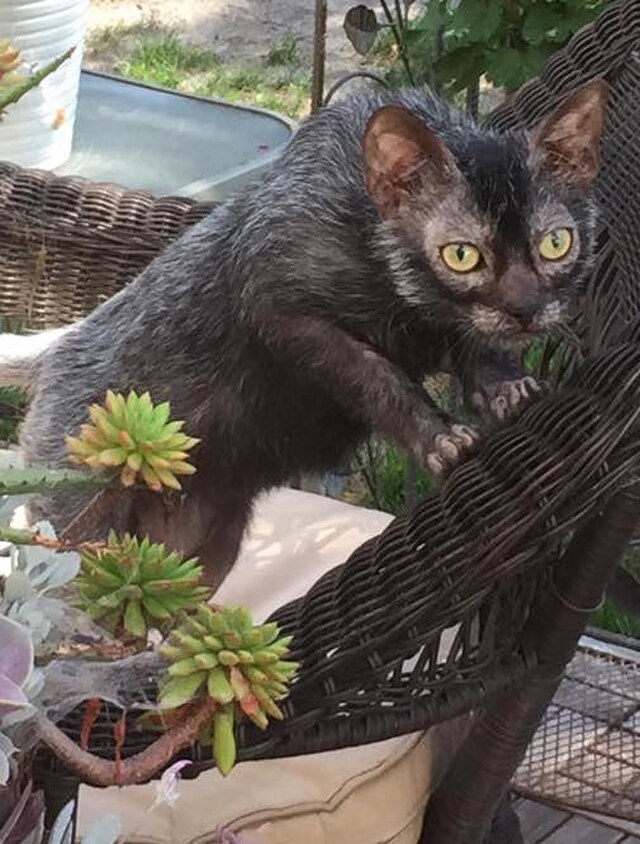
The Lykoi is an extremely new and rare cat breed, first officially recognized as a distinct breed in the United States in 2011. Its distinctive appearance, which evokes the image of a werewolf, has earned it the affectionate nickname "Werewolf Cat."
The name "Lykoi" comes from the Greek word for "wolf" (λύκος / lykos). Their distinctive appearance—where hair grows only on certain parts of the body while other areas are partially or completely hairless—results from a natural genetic mutation that arose spontaneously.
Still a rare breed with few breeders today, Lykoi cats have limited availability in Japan. However, their fan base continues to grow, drawn to their distinctive appearance and charming personality.
Physical Characteristics
The most distinctive feature of Lykoi cats is their unique coat pattern.
- Coat Pattern: Characteristic "mask" pattern with partial or complete hair loss around the face (nose, mouth, and eyes), ear edges, and paws
- Coat Color: Typically black to silver-gray tabby markings are the norm. Rare color variations do exist
- Coat Texture: Soft but coarse, with minimal undercoat
- Body Type: Slender, medium-sized, and muscular. Adult weight typically ranges from 2.5–4.5 kg (5.5–10 lbs)
- Eyes: Large, round eyes are striking. Amber or gold coloring is most common
This partial or complete hair loss pattern results from a genetic mutation (recessive inheritance) and does not indicate any structural problems with the skin or hair follicles. In healthy Lykoi, shedding and seasonal variation in coat density are normal phenomena.
Personality and Behavior
Despite their wild appearance, Lykoi cats possess a remarkably affectionate and loving personality.
Characteristic traits of Lykoi cats:
- Dog-like attachment style—they follow their owners everywhere
- Active, playful, and highly curious
- Good social skills with other cats and dogs
- Most are relatively quiet, with soft vocalizations
- May be cautious with strangers at first (but become affectionate once acclimated)
Their strong hunting instinct means regular playtime with toys is essential for their physical and mental enrichment.
Living Environment
Indoor Living is Essential
Due to their exposed skin, outdoor access is not recommended for Lykoi cats. Their hairless areas are vulnerable to UV radiation, cold, and heat. Additionally, they face higher injury risks. Complete indoor living is essential.
Temperature Control
Lykoi cats are sensitive to cold due to their thin undercoat. Maintain a constant indoor temperature of 20–25°C (68–77°F). In winter, they appreciate heated pet pads or fleece-lined beds.
They are also uncomfortable in hot, humid summer conditions and are prone to heatstroke. Keep the indoor temperature at 25°C (77°F) or below with air conditioning.
Sunlight Precautions
Hairless and sparsely-haired skin areas are highly susceptible to UV damage. Prevent prolonged exposure to direct sunlight by providing an environment with dappled or indirect light.
Coat and Skin Care
Brushing
Lykoi coats are fine and delicate, so soft grooming brushes or gentle hand petting are best. Avoid vigorous brushing, as it can damage their sensitive skin.
Brushing 1–2 times per week is sufficient. Heavy shedding during seasonal coat changes is normal for Lykoi.
Bathing
Exposed skin areas tend to accumulate oils, so regular bathing is important. Bathe your Lykoi once or twice monthly in warm water. Use a diluted, gentle cat-specific shampoo and rinse thoroughly.
After bathing, dry thoroughly with a low-heat hair dryer to prevent chilling.
Ear and Claw Care
Check ears weekly; clean gently with cat ear-cleaning solution if needed. Trim claws every 1–2 months.
Feeding and Nutrition
Although active, Lykoi cats have moderate appetites due to their medium size.
Recommended diet:
- High-protein, low-carbohydrate complete and balanced nutrition (wet or dry food)
- Quality food with meat- or fish-based protein sources
- Feed adults twice daily
Hydration: A water fountain (circulating water feeder) encourages drinking and helps prevent urinary tract disease.
Health Management and Common Health Issues
Skin Problems
Exposed skin is prone to drying, inflammation, and infection. Consult a veterinarian promptly if you notice redness, itching, or slow-healing wounds.
Sunburn and Skin Cancer
Excessive UV exposure increases the risk of skin cancer (squamous cell carcinoma). Avoid prolonged sun exposure in bright windowsills.
Heart Disease
There are reports of a slightly elevated risk of genetic heart disease (such as hypertrophic cardiomyopathy). Annual echocardiographic screening is recommended.
Infections
Exposed skin is susceptible to bacterial and fungal infections. Disinfect wounds promptly and seek veterinary care.
Selecting a Breeder
Because Lykoi cats are rare, sourcing from a reputable breeder is crucial.
Key points to verify:
- Parents' health certificates and genetic testing results
- Cardiac, skin, and ophthalmic health records
- Breeder's expertise and experience with Lykoi breeding
- Pedigree certificate from an international breed registry (such as TICA)
- Socialization history of the kittens
Cheaper kittens may carry genetic diseases and health risks. Since you're choosing a lifelong companion, prioritize health and socialization over price when selecting a breeder.
Conclusion
Lykoi cats are far more affectionate, active, and personable than their distinctive appearance might suggest. While they require special skin and coat care along with temperature management, the effort is rewarded with deep bonds and immense charm.
Because they are rare, it's important to source healthy, well-socialized individuals from responsible breeders and commit to lifelong care. Living with a Lykoi—a fusion of striking looks and warmth—will undoubtedly be a special experience.