Siamese Cat Care Guide | Personality, Vocalizations, and Health Management | ブリちょく
Cats| ✍️ BreederDirect Editorial
Siamese Cat Care Guide | Personality, Vocalizations, and Health Management
A comprehensive guide to Siamese cats, covering their frequent vocalizations, affectionate nature, housing requirements, and common health issues. Perfect for first-time Siamese cat owners.
Key Takeaways
A comprehensive guide to Siamese cats, covering their frequent vocalizations, affectionate nature, housing requirements, and common health issues. Perfect for first-time Siamese cat owners.
Basic Information About Siamese Cats
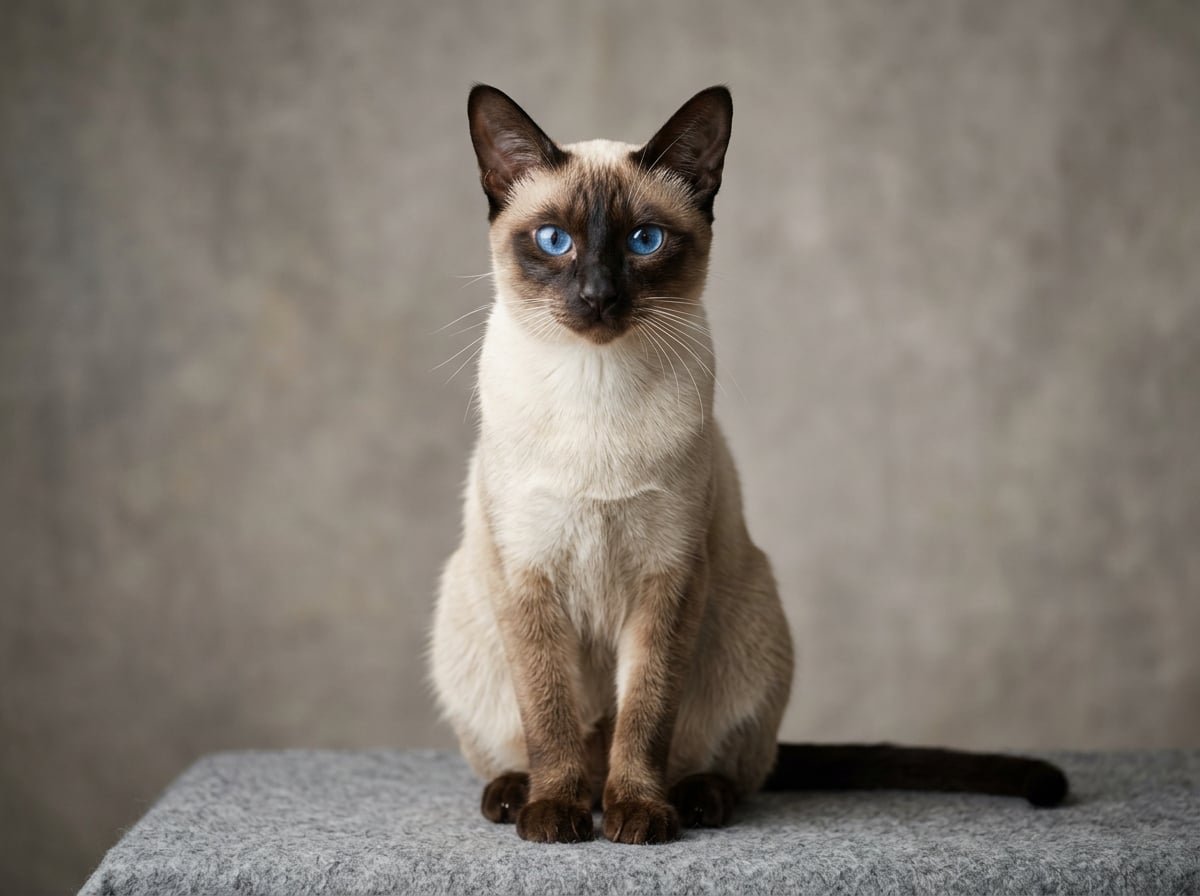
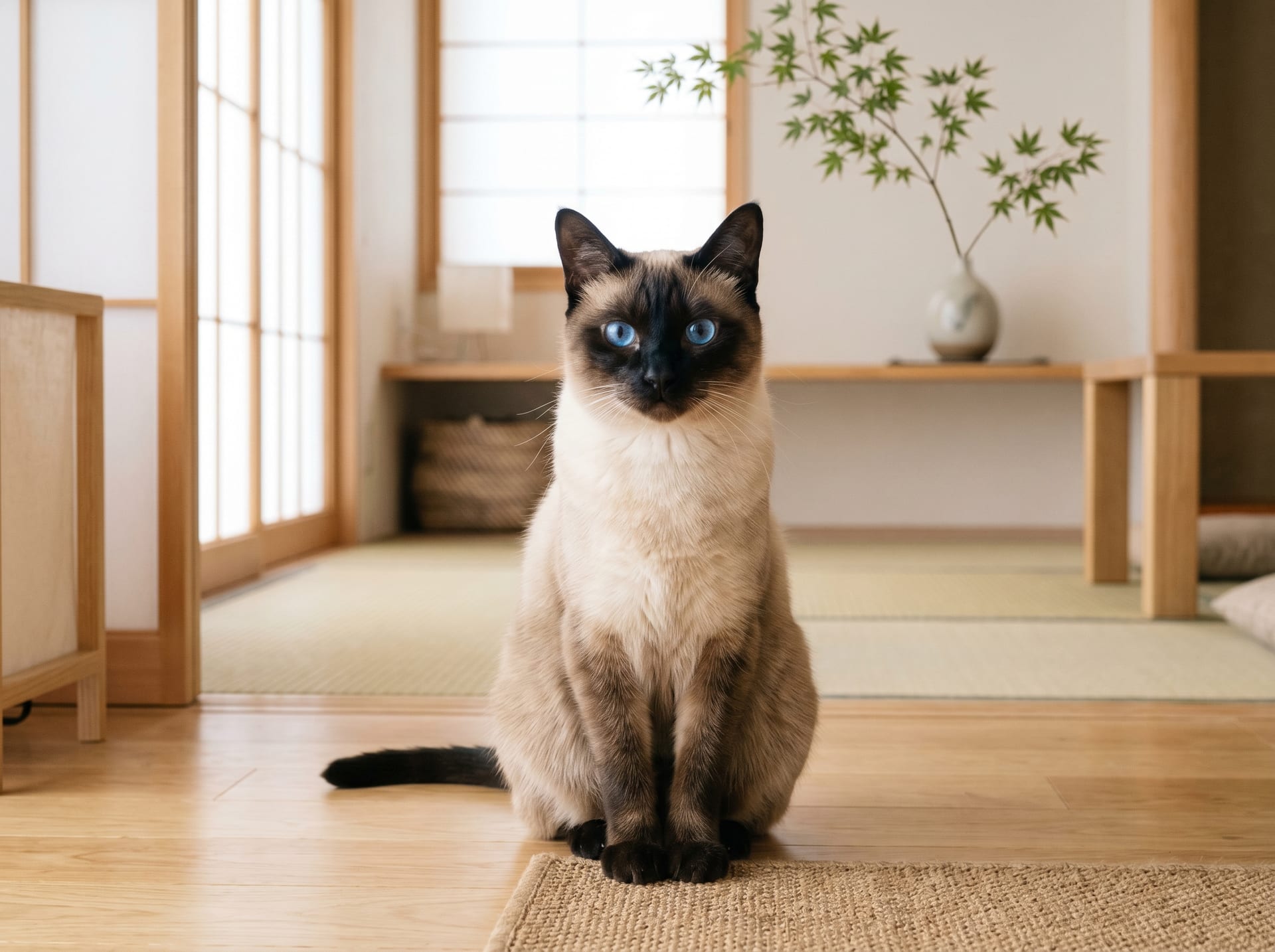
Siamese cats are among the oldest cat breeds in the world, originating from Thailand (formerly Siam). They are characterized by their slim, muscular body, triangular head, bright blue almond-shaped eyes, and distinctive point coloring pattern (dark ears, face, limbs, and tail with a lighter-colored body). Adult males typically weigh 4-6 kg, while females weigh 3-4 kg on average.
✍️
BreederDirect Editorial
The BreederDirect editorial team specializes in care information for animals, covering veterinary care and breeding to deliver beginner-friendly guides.
Find Cats on BreederDirect
Buy directly from verified breeders
Browse Related Listings
Find Cats listings related to this article on BreederDirect. Buy directly from verified breeders.
In Japan, they are affectionately known as "Siam cats" and have a history of being exchanged as diplomatic gifts between nations. Siamese are highly intelligent and emotionally expressive, with a tendency to bond closely with their owners like dogs do.
Personality and Vocalization Characteristics
Siamese are known as particularly "talkative" cats. They express emotions through a distinctive, deep, loud voice (often closer to a "waaaow" than a "meow") and frequently vocalize to communicate with their owners. Those living in apartments or concerned about noise to neighbors should seriously consider this trait beforehand.
Siamese Personality Traits
- Highly dependent on their owners and prone to separation anxiety when left alone
- Possessive by nature and may show wariness toward other pets and strangers
- Highly curious with a preference for high places and active exploratory behavior
- Love to play and continue playing like kittens even into adulthood
- Short-haired with minimal shedding, though they enjoy brushing
Siamese are better suited to homes where owners spend significant time at home or multi-cat households with companions rather than single households with frequent absences or long periods alone.
Setting Up the Living Environment
Since Siamese are active with high athletic ability, an environment allowing vertical movement is ideal. Choose tall cat trees that reach from floor to near-ceiling height, or install wall-mounted shelves to allow safe navigation between heights.
Essential Items Checklist
- Tall cat tower (3+ levels, ceiling-mounted recommended)
- Sturdy scratching posts (ideally with both horizontal and vertical options)
- Interactive toys (feather wands, rod-type toys, automated balls)
- Hiding spots (box beds or dome houses)
- Water fountain (Siamese who drink more water have reduced risk of urinary crystals)
Ensure at least 15-20 minutes of playtime daily. Due to their high intelligence, puzzle feeders and foraging toys are also effective. Since they quickly tire of simple toys, regular toy rotation is recommended.
Diet Management and Obesity Prevention
While Siamese naturally maintain lean bodies, metabolic decline in senior years makes them prone to obesity. Use high-protein, low-carbohydrate cat food as a base, selecting age-appropriate formulas.
Diet Tips
- Adjust daily portions to approximately 50-60 kcal per kg of body weight
- Use automatic feeders to give measured portions at set times (free-feeding causes obesity)
- Mix wet food a few times weekly for hydration benefits
- Keep treats to 10% of total daily calories
Onions, garlic, chocolate, grapes, and xylitol-containing products are toxic to cats. Never feed these, and ensure all family members are aware.
Common Health Issues and Prevention
Siamese are known to be prone to certain genetic conditions. Regular health checkups are crucial for early detection of abnormalities.
Conditions to Watch For
Strabismus and nystagmus: These are congenital vision abnormalities common in Siamese. While early strabismus was once accepted as a breed standard, modern breeding has reduced its occurrence. Though rarely life-threatening, regular eye exams are recommended.
Hypertrophic cardiomyopathy: A condition where heart muscle abnormally thickens, one of the most common cardiac diseases in cats. Often asymptomatic in early stages, cardiac ultrasound screening during regular checkups is key to detection.
Amyloidosis: A condition where amyloid protein accumulates in the liver, with confirmed genetic predisposition in Siamese. Early detection is possible through liver function tests.
Periodontal disease: Prevent through regular tooth brushing and annual or biennial professional scaling (tartar removal).
Regular Care Schedule
- Daily: Tooth brushing (ideal), brushing
- Monthly: Weight checks, nail trimming
- Annually: Vaccinations, health checkups (blood tests and cardiac ultrasound)
Multi-Cat Households and Socialization
Despite their possessive nature, properly socialized Siamese can get along well with other cats. When introducing multiple cats, pair kittens together or gradually introduce them to existing cats while carefully assessing compatibility.
Multi-Cat Introduction Process
1. Isolate the new cat in a separate room (1-2 weeks)
2. Exchange towels with each cat's scent
3. Allow nose-to-nose sniffing under the door
4. Attempt face-to-face meetings while using feline pheromone products (such as Feliway)
5. Gradually increase time together while feeding them in separate locations
Siamese treasure their bond with their owners. When bringing a new pet home, continue to spend dedicated one-on-one time with your existing Siamese to reassure them that your affection hasn't diminished.