American Curl Care Guide | Characteristics and Health Management of a Cat Breed with Distinctive Curled Ears and Affectionate Temperament
A detailed guide to American Curl characteristics, temperament, and care methods. This article covers the formation process and genetics of their distinctive curved ears, their curious and affectionate nature, ear care techniques, and regular checkups for HCM (hypertrophic cardiomyopathy), providing comprehensive knowledge for living long-term with this rare cat breed.
Key Takeaways
A detailed guide to American Curl characteristics, temperament, and care methods. This article covers the formation process and genetics of their distinctive curved ears, their curious and affectionate nature, ear care techniques, and regular checkups for HCM (hypertrophic cardiomyopathy), providing comprehensive knowledge for living long-term with this rare cat breed.
Related Species
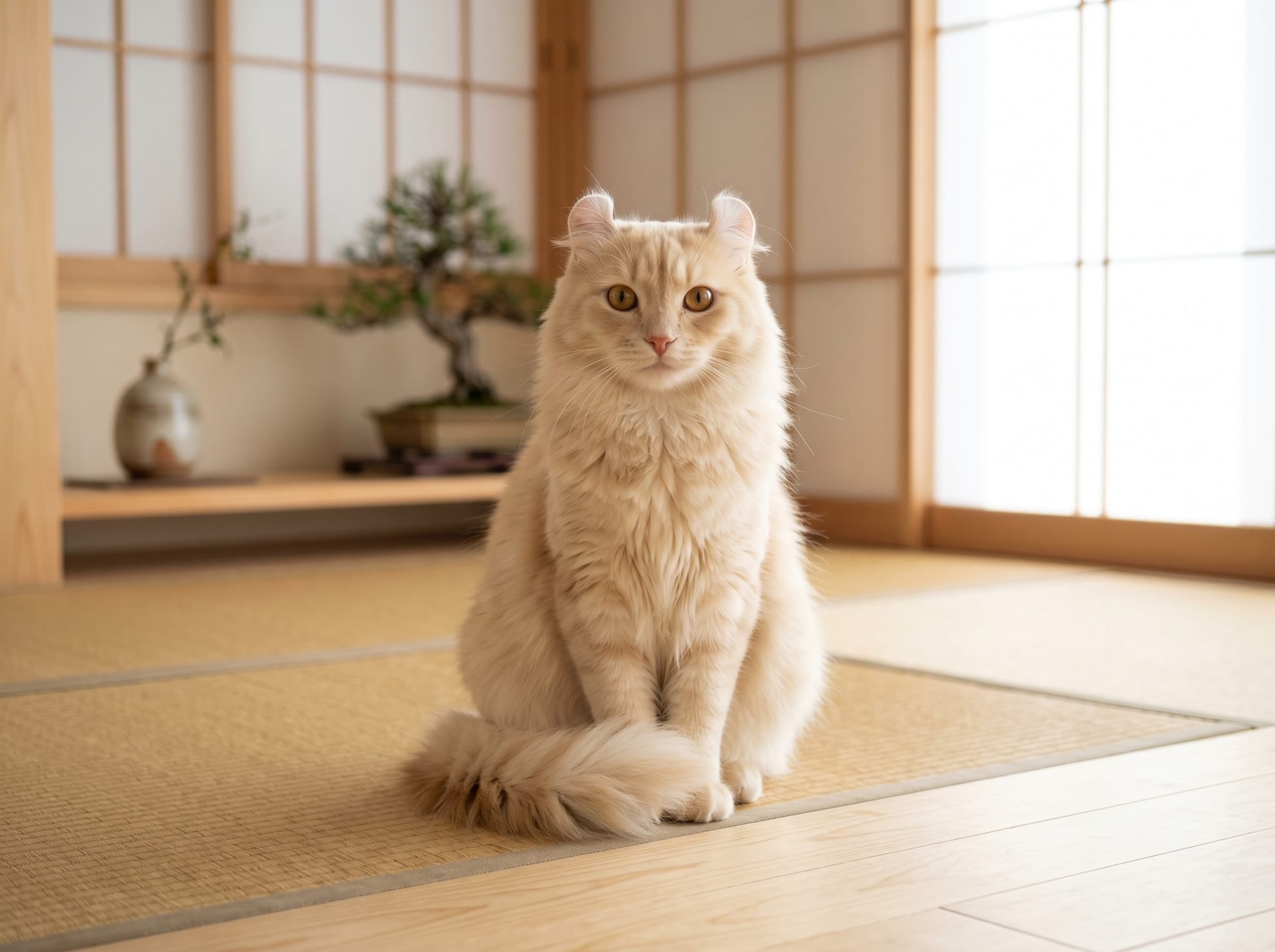
The American Curl is a relatively new cat breed that originated in 1981 in California, USA, as a result of a natural mutation. Their distinctively curved ears, which arc backward, and their active and affectionate nature have made them beloved by cat enthusiasts worldwide. This article provides a detailed overview of American Curl characteristics, daily care, and health management.
Basic Characteristics of the American Curl
The most distinctive feature of the American Curl is their ears, which curl backward with tips pointing away from the head. Like other newborn kittens, American Curl kittens are born with straight ears, but they begin to curl within 3–5 days of birth, and the ear shape becomes fixed by around 4 months of age. The degree of curl varies among individuals, ranging from mild curls (pet quality) to curls exceeding 90 degrees (show quality).
They are medium to large-sized cats, with males weighing 4–5 kg and females weighing 3–4 kg. Their coat is silky with a natural sheen, and they come in both long-haired and short-haired varieties. All coat color patterns are accepted, offering a wide range of variations.
Their temperament is very affectionate and social. They are often called "Peter Pan cats" because they tend to retain a kitten-like innocence even as adults. Like dogs, they often follow their owners around the house and tend to become close to all family members. They also typically get along well with other cats and dogs, making them well-suited for multi-cat households.
Ear Care and Important Considerations
American Curl ears are delicate and require proper care.
Clean their ears 1–2 times per week as a guideline. Avoid cotton swabs, as they can damage the ear canal. Instead, use cotton balls or gauze moistened with a specialized ear cleaning solution, gently wiping only the visible parts of the ear. It is important not to force cleaning deep into the ear canal.
Because of their curled shape, the ear canal can become narrower, potentially leading to poor ventilation. Check their ears regularly; if you notice any odor, redness, excessive ear wax buildup, or signs of itching, there may be a risk of otitis externa (outer ear infection), and consulting a veterinarian is recommended.
Never apply excessive force to the ear cartilage. The curved ear cartilage is delicate, and pushing or pulling forcefully can cause deformation and pain. In households with children, it is especially important to teach them beforehand how to handle the ears gently.
Diet and Nutrition Management
While American Curls do not have special dietary restrictions, they require proper nutrition tailored to their growth stage.
During the kitten stage (up to 12 months), select protein-rich kitten food to support skeletal and muscle development. As they enter adulthood, switch to maintenance formulas and monitor calorie intake carefully. Although American Curls are an active breed, indoor living restricts their exercise, so some individuals may be prone to obesity.
Adequate water intake is crucial for urinary health. If feeding primarily dry food, combine it with wet food or provide plenty of fresh water. Many cats prefer circulating water fountains, so it's worth trying one.
Daily Grooming
For short-haired American Curls, brush 1–2 times per week to maintain coat condition and prevent matting and shedding. For long-haired varieties, daily brushing is ideal, paying special attention to areas prone to tangling, such as the underarms and neck area.
During shedding seasons (spring and fall), increase brushing frequency. To prevent hairballs from forming in the digestive tract, you can also use hairball control formulas or supplements.
Trim nails every 2–3 weeks as a guideline. Providing scratching posts can help reduce damage to furniture.
Health Considerations
Although American Curls are considered a relatively healthy breed, there are several genetic health concerns to be aware of.
HCM (Hypertrophic Cardiomyopathy): This heart condition is seen in many cat breeds and requires attention in American Curls. Annual or bi-annual cardiac ultrasounds are recommended. Early detection and treatment improve prognosis.
Ear Canal Stenosis: Due to the structure of their curled ears, some individuals may develop narrowed ear canals. In severe cases, this can lead to recurrent ear infections or hearing loss, making regular ear checks essential.
Joint Issues: The curl gene can rarely affect joints and skeletal structure beyond just the ears. Consult a veterinarian if you notice excessive fractures or joint pain.
Following standard vaccination schedules (feline viral rhinotracheitis, feline calicivirus, feline panleukopenia, etc.) and receiving veterinary check-ups twice yearly helps with early detection of many conditions.
Living Environment and Enrichment
American Curls are curious and playful cats. Providing adequate mental stimulation and exercise opportunities is essential for their mental and physical well-being.
Install cat towers or shelves to maximize vertical space. They enjoy climbing to high places, and installing platforms at varying heights will keep them active and engaged.
Set aside daily playtime with interactive toys such as wand toys, laser pointers, and feather toys. Playing for 10–15 minutes per session, 2–3 times daily, provides adequate exercise.
Since they are social cats, if you are away for long periods due to work, consider multi-cat households or housing with another similarly active cat to prevent loneliness.
Choosing a Reputable Breeder
American Curls are relatively rare in Japan. To select a trustworthy breeder, confirm the following points:
- Health records of breeding cats (HCM screening, etc.) are disclosed
- Kittens are properly socialized (exposure to various experiences between 8–12 weeks of age)
- The cats' living environment is clean and well-maintained
- Pedigree certificates from internationally recognized organizations (TICA, CFA, etc.) are available
- Post-purchase support is provided
Pricing varies significantly based on kitten quality (pet or show) and bloodline. In Japan, typical pricing ranges from ¥150,000 to ¥400,000. Be cautious of breeders offering unusually low prices or those who refuse to provide health documentation.
Summary
The American Curl is a delightful cat breed with distinctive curved ears and an affectionate temperament. While they are a relatively healthy and sturdy breed, regular ear care and periodic heart screenings are keys to longevity. Their curious and social nature makes them well-suited for active households and homes with children or other pets. Welcome an American Curl into your home from a reputable breeder, and enjoy a rich cat life together with proper care and love.