Munchkin Care Guide: Exercise, Diet, and Health Management
A comprehensive guide to caring for Munchkins with their adorable short legs. Learn how to create an active indoor environment suited to their short stature, manage their diet and weight to reduce strain on the spine and joints, and master the essentials of regular health checkups.
Key Takeaways
A comprehensive guide to caring for Munchkins with their adorable short legs. Learn how to create an active indoor environment suited to their short stature, manage their diet and weight to reduce strain on the spine and joints, and master the essentials of regular health checkups.
✍️
BreederDirect Editorial
The BreederDirect editorial team specializes in care information for animals, covering veterinary care and breeding to deliver beginner-friendly guides.
Find Cats on BreederDirect
Buy directly from verified breeders
Browse Related Listings
Find Cats listings related to this article on BreederDirect. Buy directly from verified breeders.
What Are Munchkins? Understanding Their Characteristics and Appeal
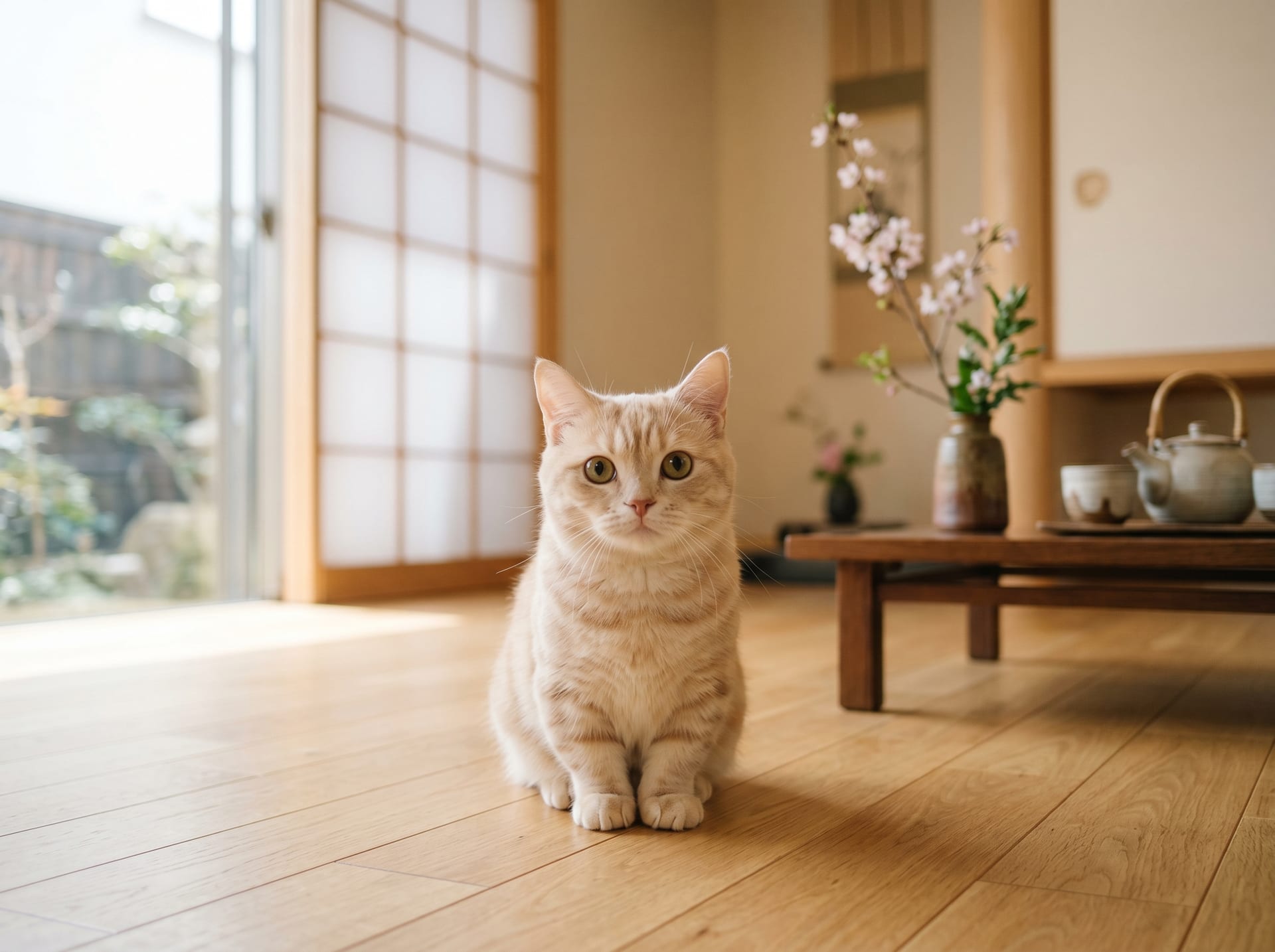
Munchkins are a popular cat breed that have captivated fans around the world with their short legs and charming appearance. Since their official recognition in America in the 1990s, they have enjoyed steady popularity in Japan thanks to their distinctive looks and friendly personality.
Their characteristic short legs result from a genetic mutation known as "LIN4." Because this gene follows autosomal dominant inheritance, breeders adhere to the fundamental rule of avoiding breeding short-legged cats together. In addition to short-legged types, Munchkins can also be born with slightly longer "semi-short-legged" or standard-length "long-legged" varieties.
Weight: 2.5–4 kg
Lifespan: 10–15 years
Temperament: Active, affectionate, and highly curious. They tend to get along well with other cats and dogs.
Coat: Available in both short and long hair (with a wide variety of colors)
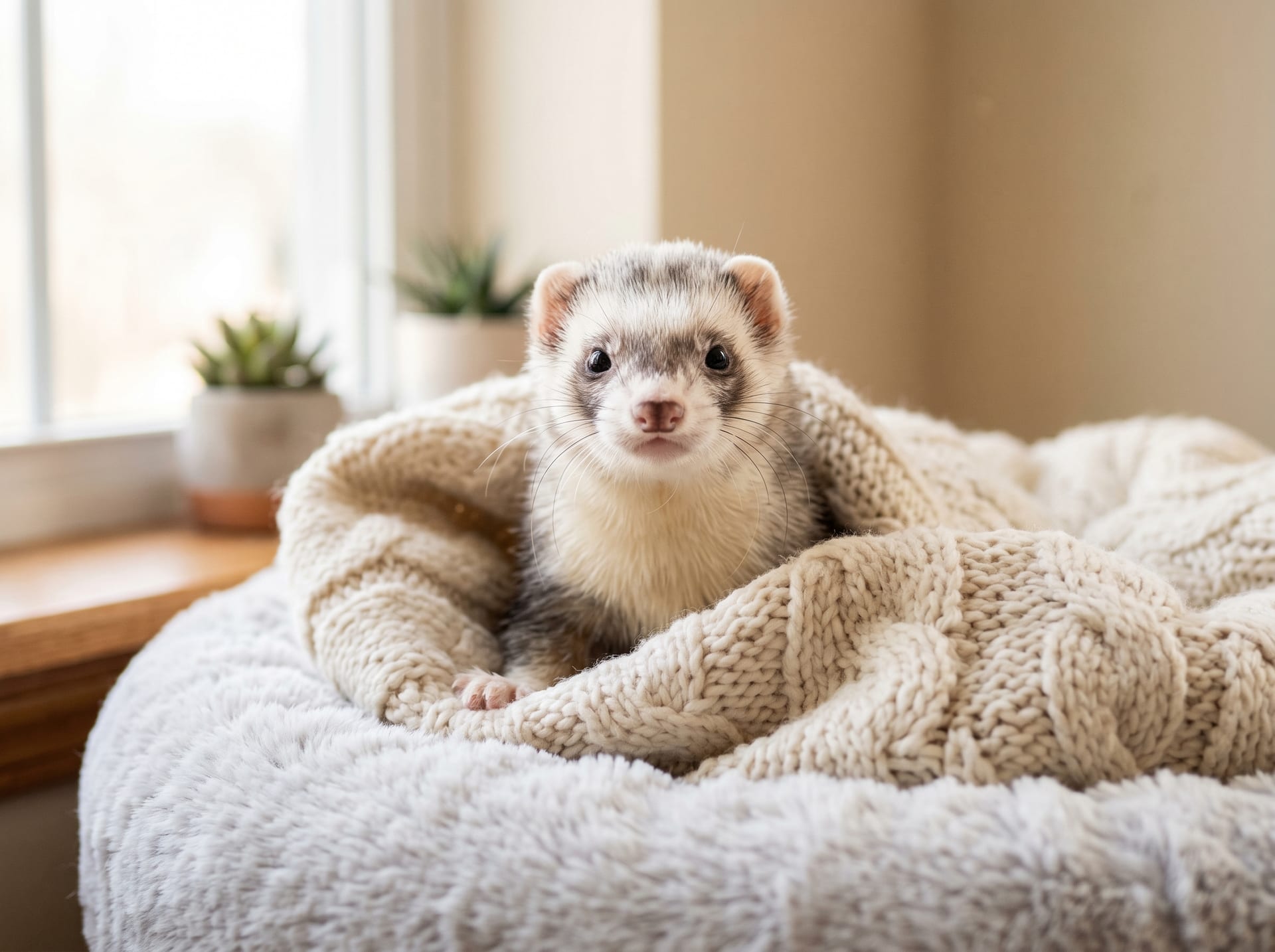
Despite their short legs, they are remarkably agile, and their sudden bursts of speed are reminiscent of ferrets. This distinctive running style is sometimes called "Munchkin running," and it has an endearing charm that delights those who witness it.
Setting Up Your Indoor Environment: Safe and Comfortable Living for Short-Legged Cats
Munchkins are highly curious and boldly attempt to reach high places. While they can climb surprisingly well despite their short legs, creating a safe environment to minimize strain on the spine and joints is essential.
Choosing Cat Towers and Furniture
Select cat towers with gentle step heights and easy-to-climb designs
Place cushioned mats beneath tall shelves and desks to soften the impact when jumping down
Installing dedicated steps to sofas and beds helps reduce joint strain
Play Areas and Toys
Munchkins excel at active ground-level movement. Provide plenty of space for running and a variety of toys.
Toys that encourage running and chasing—such as wand toys, feather wands, balls, and tunnels—are especially suitable
Puzzle feeders and interactive toys enrich solo playtime and provide mental stimulation
They adapt relatively well to living with other cats or dogs, but introduce them gradually at first
Escape Prevention Measures
Their strong curiosity means Munchkins may attempt to slip through small gaps to the outside. Install pet-safe double doors at entryways and dedicated escape-prevention nets on windows for peace of mind.
Exercise and Play: Bringing Out Their Active Nature
Some may wonder if short legs mean they struggle with exercise, but that's a complete misconception. Munchkins are just as active as average cats, and insufficient exercise leads to stress and obesity.
Daily Exercise Guidelines
Ideal playtime: 30–60 minutes total
Breaking play into 10–15 minute sessions helps maintain their focus
Kittens (up to 1 year) have abundant energy, so play frequently
Senior cats (7+ years) need gentle, joint-friendly exercise
Recommended Play Methods
Feather wands and wand toys: Stimulate their instinctive hunting drive
Laser pointers: Allow them to run freely throughout the room (always end by letting them catch a physical toy)
Tunnels and balls: Items they can enjoy playing with alone
Chase games: They also love running around with their humans
Exercise not only maintains physical fitness but also provides mental satisfaction. Especially for indoor cats, active participation in playtime from their owners is crucial.
Diet and Weight Management: Protecting the Spine and Joints
Proper weight management is critical for Munchkins and directly impacts their health and longevity. Excess weight places additional strain on the spine and joints due to their short-legged structure.
Feeding Basics
Ideal weight: 2.5–4 kg (varies by individual and age)
Caloric guideline: 60–80 kcal per kg of body weight (for adult indoor cats)
Package feeding guidelines are only reference values; adjust based on their actual body condition
Even with automatic feeders, carefully monitor total daily intake
Body Condition Check (Body Condition Score)
The ideal condition is when you can gently feel the ribs through a thin layer of fat. Maintain a visible waist when viewed from above, and a slightly tucked abdominal line when viewed from the side.
Joint-Supporting Diet
Choose foods containing glucosamine, chondroitin, and omega-3 fatty acids (EPA and DHA) for joint care
Incorporating wet food increases water intake and helps prevent urinary tract disease
Treats can easily lead to excessive calories, so limit them to 10% of daily caloric intake
Health Management and Diseases to Watch For
While Munchkins are generally hardy, their short-legged genetic trait makes them susceptible to certain conditions. Focus on daily observation and regular veterinary checkups for early detection and intervention.
Conditions They're Prone To
Spinal and Joint Issues
The gene responsible for short legs can affect cartilage and bone structure. Watch for signs such as limping, changes in gait, or reluctance to climb steps.
Obesity
Obesity is the root of all ailments. For Munchkins especially, it increases strain on the spine and joints while raising the risk of diabetes and heart disease. Weigh them monthly, and adjust food portions if weight increases.
Urinary Tract Disease (FLUTD, etc.)
Common in cats generally, but dehydration is a major trigger. Ensure constant access to fresh water and consider incorporating wet food.
Home weight measurement and body condition assessment
Daily
Monitor appetite, bowel habits, coat condition, and gait
Don't forget annual vaccinations and flea and tick prevention. Even indoor cats face infection risks, so regular preventive care is essential.
BreederDirect's Safe and Secure System
When welcoming a Munchkin into your family, the most important factor is choosing a trustworthy breeder. Selecting a breeder who maintains ethical breeding practices reduces the risk of genetic disease and profoundly impacts your cat's entire life.
BreederDirect is a platform where breeders and prospective buyers interact directly. Because there are no intermediaries, you can directly confirm with the breeder details about the kitten's environment, the health of parent cats, vaccination history, and more.
Direct Consultation: You can specify your preferences in detail, such as short-legged, semi-short-legged, or long-legged types, as well as coat type and color
Transparent Information Sharing: Confirm parent cat photos and health examination results directly with the breeder
Secure Transaction Protection: We've established support systems to handle any potential issues
Due to their popularity and charm, Munchkins are in high demand, and unfortunately, unethical breeders do exist. Through BreederDirect, connect with breeders who genuinely care for their animals and start your life with a healthy and happy Munchkin.