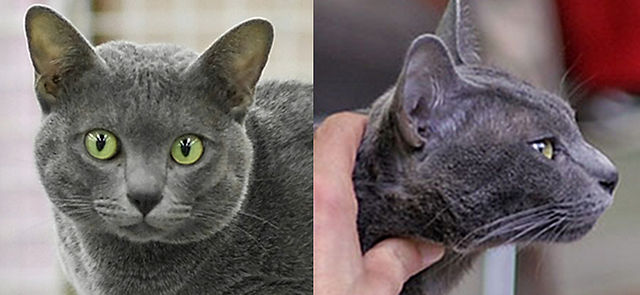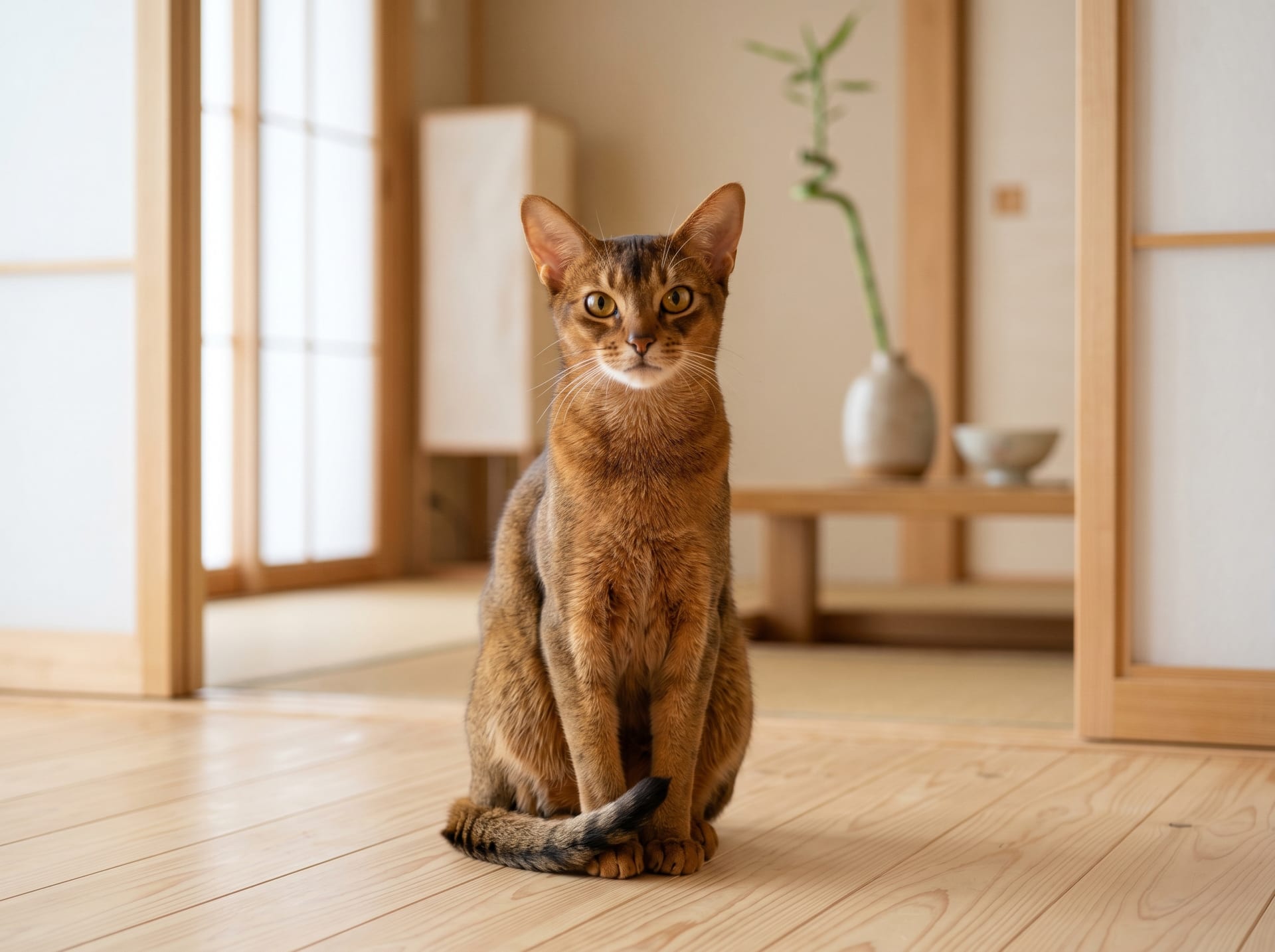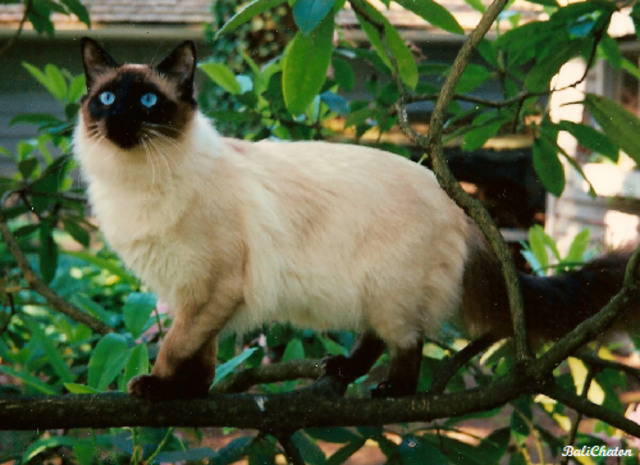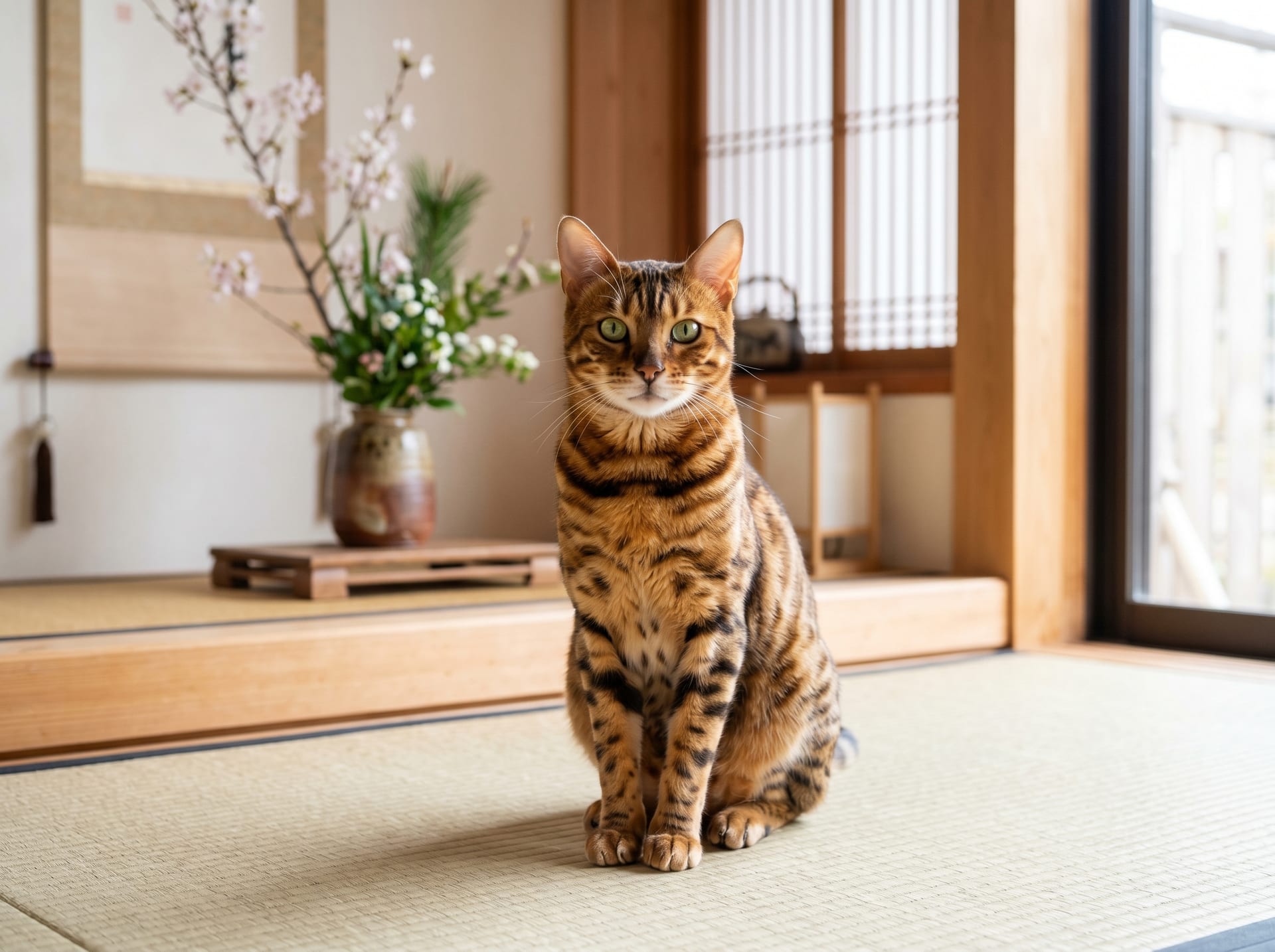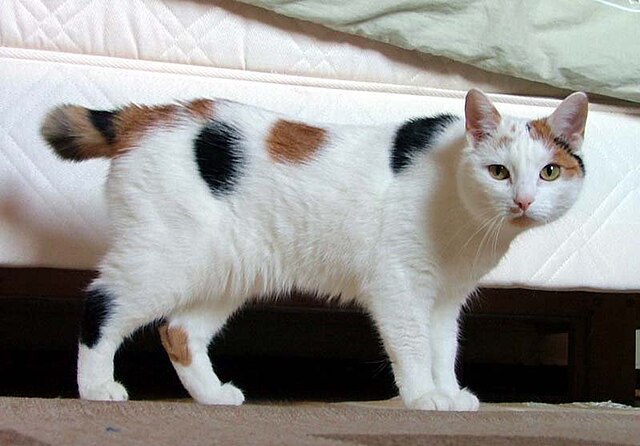
Source: Wikimedia Commons
Manx
IntermediateTailless (or short-tailed) breed from Isle of Man. Round body with longer hind legs; rabbit-like gait.
Difficulty
Intermediate
Temperature
18〜28℃
Lifespan
12-14 years
Size
Weight 3.5-5.5kg
Diet
Complete nutrition cat food. Watch for obesity.
About
The Manx is a breed of domestic cat originating on the Isle of Man, in the Irish Sea between Britain and Ireland. The breed's defining characteristic is its naturally occurring taillessness, caused by a dominant genetic mutation. Manx cats can be completely tailless ("rumpies"), have a small stub ("stumpies"), or have a longer tail ("longies"). Their hind legs are longer than their front legs, giving them a distinctive rabbit-like gait and powerful jumping ability. The breed has a rounded, cobby body and comes in short and longhaired (Cymric) varieties. Manx cats are gentle, loyal, and dog-like in temperament.
Lifespan of the Manx
The Manx lives 12-14 years.
Size of the Manx
The Manx grows to Weight 3.5-5.5kg.
Basic Info
Origin
United Kingdom (Isle of Man)
Lifespan
12-14 years
Size
Weight 3.5-5.5kg
Temperature
18〜28℃
Diet
Complete nutrition cat food. Watch for obesity.
Care Guide
References & Sources
Edited & verified by: BreederDirect editorial team
The taxonomic, regulatory, and husbandry data on this page are compiled and verified against the authoritative primary sources below.
Primary sources
Taxonomy & Authority
Accepted name: Linnaeus, 1758
Synonyms: Felis silvestris catus
Authority databases: GBIF · GBIF: Felis catus · TICA breed profiles · CFA breed profiles
Nomenclature follows global taxonomic authority databases.
Manx Listings
Loading latest listingsFind listings for this species