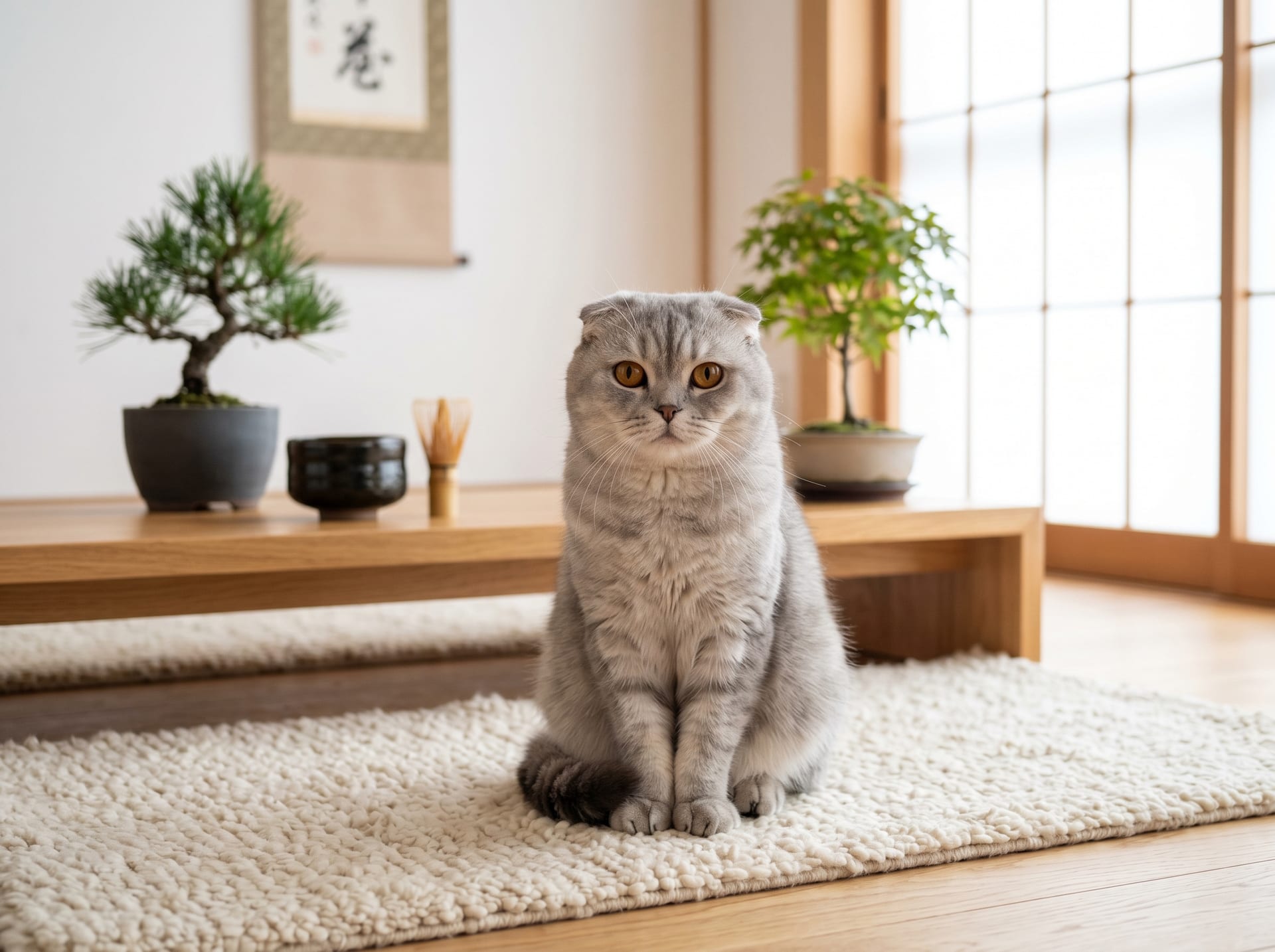
For first-time cat owners. From preparation for bringing your cat home to toilet training, feeding, and setting up the indoor environment, we provide a comprehensive guide to practical cat care tailored to popular breeds including Scottish Fold, Munchkin, and Ragdoll.
Key Takeaways
For first-time cat owners. From preparation for bringing your cat home to toilet training, feeding, and setting up the indoor environment, we provide a comprehensive guide to practical cat care tailored to popular breeds including Scottish Fold, Munchkin, and Ragdoll.
Cats, with their independent nature and endearing, capricious behavior, are one of the most popular pets in Japan alongside dogs. While they have the image of being "easy to care for even if you live alone" and "relatively low-maintenance," neglecting proper care and environmental setup can lead to health issues and behavioral problems. To help first-time cat owners avoid regret and ensure they know what they need to prepare, we provide a detailed guide covering everything from preparation to daily care and health management.
✍️
BreederDirect Editorial
The BreederDirect editorial team specializes in care information for animals, covering veterinary care and breeding to deliver beginner-friendly guides.
Find Cats on BreederDirect
Buy directly from verified breeders
Browse Related Listings
Find Cats listings related to this article on BreederDirect. Buy directly from verified breeders.
It's important to set up a minimum environment before your cat arrives. For a cat unfamiliar with its new surroundings, whether there's a safe space can greatly influence how the first few days go.
Essential Items Checklist
Litter box and cat litter: The rule of thumb is (number of cats) + 1. Since cats have preferences for litter type (mineral, wood, paper, etc.), starting with basic mineral litter tends to have fewer issues.
Food and water bowls: Ceramic or stainless steel are hygienic and easy to clean; plastic tends to harbor bacteria and is best avoided.
Cat tree and scratching post: Vertical movement and scratching are natural instincts for cats. Set these up before bringing your cat home to prevent furniture scratching.
Carrier bag: Essential for trips to the veterinarian. Hard carriers provide stability and are useful in emergencies.
Cage (recommended): Not strictly necessary, but helpful during the initial adjustment period, when guests visit, or in disaster situations. It becomes a "safe space" for your cat.
Check the cost guide at Cat Budget and Initial Expenses to understand the investment needed. Cats are sensitive to environmental changes. On the day you bring your cat home, let it explore freely in a quiet room and avoid forcing interaction—this is the first step in building trust.
Litter Training and Setting Up the Indoor Environment
Cats have an instinctive habit of using sand for their toilet and covering up their waste. Because of this, litter training is much easier than with dogs. However, keeping the litter box clean and considering its placement is essential.
Basics of Litter Training
Once the litter box is in place, put your cat in it and gently help it make digging motions with its front paws
Guide your cat to the litter box after meals, after waking up, and after playtime
Don't scold accidents; praise successes gently
Remove clumps daily with a scooper, and completely change the litter about once a week
Setting Up Your Indoor Space
Cats enjoy spaces with varying heights and feel secure when they can survey the entire area from above.
Cat tree: Ideally 150 cm or taller. If you have multiple cats, ensure several high perches as escape routes.
Hiding spots: Cats relax in places they can burrow into, like cardboard boxes or tunnels.
Anti-escape and poison prevention: Install safety screens on windows and doors to prevent escapes, and remove plants toxic to cats such as lilies, pothos, and aloe.
Feeding and Hydration Basics
Cats are "obligate carnivores." They require protein-centered, animal-based nutrients, and feeding them human food or dog food long-term can result in malnutrition.
Feeding by Life Stage
Stage
Age
Notes
Kitten
~1 year
Feed high-protein, high-calorie kitten food 3-4 times daily
Adult
1-7 years
Feed adult food twice daily. Be mindful of weight management
Senior
7+ years
Switch to senior food formulated for kidney and joint health
Hydration is Especially Important
Cats are desert animals by origin and naturally don't drink much water. Low water intake increases the risk of urinary tract diseases (urinary stones, cystitis).
Combine wet food with dry food
Placing the water bowl away from the food bowl can increase water intake
Automatic water fountains (flowing water type) encourage some cats to drink more
Indoor cats have an average lifespan of 15-20 years, which is quite long. To ensure a long, healthy life, preventive medicine and daily care habits are essential.
Vaccines and Preventive Inoculations
Feline Triple Vaccine (feline herpesvirus, calicivirus, and panleukopenia): In the first year, 2-3 vaccinations are recommended, followed by annual boosters.
For outdoor cats or in multi-cat households, consider vaccines against feline leukemia and feline immunodeficiency virus (FIV).
Spaying and Neutering
The recommended age is 6-8 months. Spaying female cats prevents mammary tumors and uterine pyometra, while neutering males reduces spraying behavior and aggression. The health benefits are significant, and early surgery is recommended. For details, see Cat Spay and Neuter Guide.
Daily Care Routine
Tooth brushing: Dental disease can affect the heart and kidneys. Accustom kittens to having their mouths touched early, and make brushing 2-3 times a week a habit.
Brushing: Brush long-haired cats daily and short-haired cats 2-3 times a week. This also helps prevent hairballs.
Nail trimming: Trim every 2-3 weeks. Cut only the white tip, being careful not to reach the blood vessels (pink area).
Regular check-ups: Once yearly for ages 1-6, and every six months for ages 7+.
Peace of Mind from Breeders — How BreederDirect Works
There are various ways to get a cat, but there are many benefits to acquiring one directly from a trusted breeder. BreederDirect is a platform where breeders and buyers connect directly, balancing transparency and peace of mind.
Benefits of Getting a Cat from a Breeder
You can check parent cat information: You can understand the personality, body type, and health status of the parents beforehand, giving you insight into what your future cat may be like.
Transparency about breeding environment: You can confirm what kind of environment the kitten was raised in and better assess its socialization level.
Breed-specific expertise: Breeders can directly answer breed-specific concerns, such as joint issues in Scottish Folds, body characteristics of Munchkins, or the large size of Ragdolls.
Why BreederDirect Is Trusted
BreederDirect features breeders of diverse cat breeds, including Scottish Fold, Munchkin, Ragdoll, and Norwegian Forest Cat. You can browse breeder profiles and listings to find a kitten that fits your lifestyle. Additionally, animal welfare laws require in-person inspection and explanation before delivery. Since payment is made directly between the breeder and buyer (BreederDirect does not hold funds or payment information), you can pay with confidence after seeing your cat in person.
Refer also to Choosing a Cat from a Breeder to make a choice you won't regret. A life with a cat is a long journey. To avoid regretting your initial choice, welcome your new family member from a trusted breeder, with thorough preparation and a healthy kitten.