Beginner's Pet Budget Planning Guide — Smart Tips for Gathering Essential Supplies
Budget planning for first-time pet owners: estimating startup and ongoing costs by species, prioritizing essential items, saving tips, and setting aside emergency funds for stress-free pet keeping.
Key Takeaways
Budget planning for first-time pet owners: estimating startup and ongoing costs by species, prioritizing essential items, saving tips, and setting aside emergency funds for stress-free pet keeping.
When beginning to keep pets or organisms, many beginners overlook the "costs beyond the organism itself." In addition to the purchase price of the organism, costs arise from husbandry equipment, feed, medical expenses, consumables, and more. Without a budget plan, costs can become burdensome midway through, risking a decline in the quality of husbandry. This article explains how to create a budget plan so beginners can start keeping pets comfortably.
Understanding the Full Picture of Initial Costs
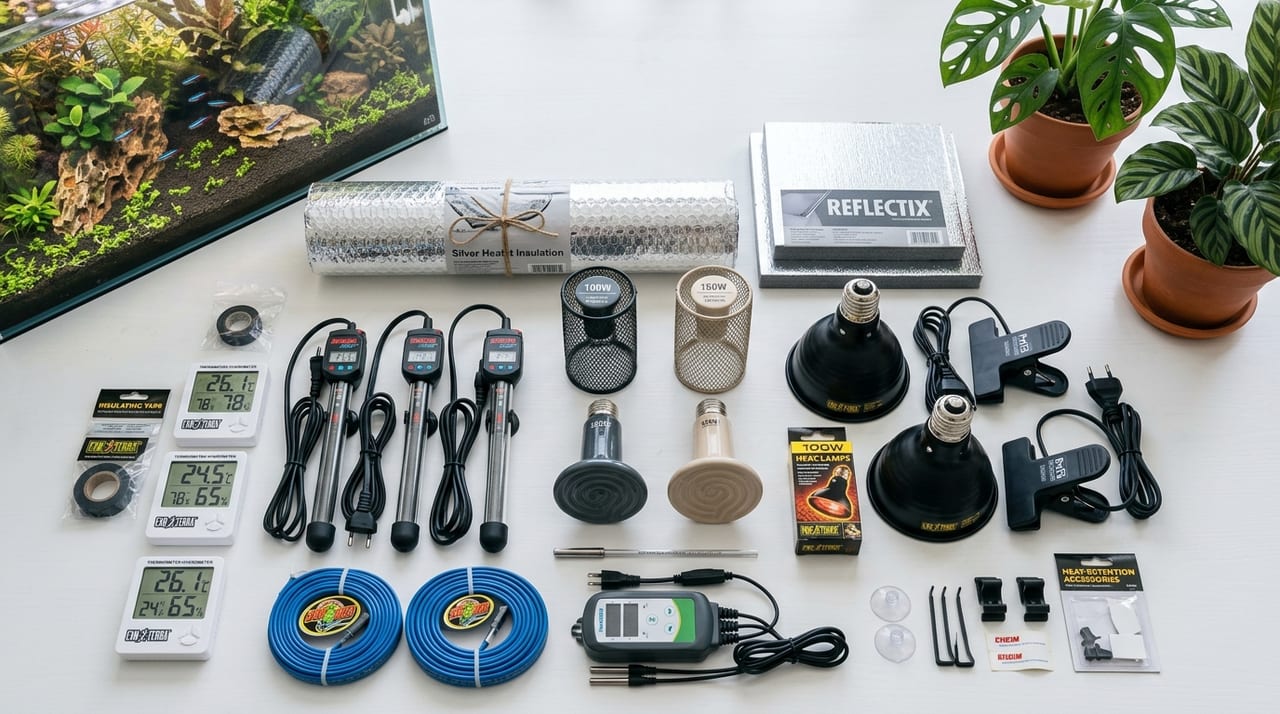
Break down the initial costs at the start of husbandry into three categories: "organism cost," "husbandry equipment cost," and "initial consumables cost." The organism cost varies greatly depending on species and morph, making it the most variable item in the budget. Husbandry equipment costs include cages or tanks, heating equipment, lighting, thermometers/hygrometers, filters (for aquatic animals), shelters, water bowls, and similar items. For typical reptile husbandry, initial equipment costs are around ¥15,000-¥40,000; for aquarium husbandry (freshwater fish), around ¥10,000-¥30,000; and for small animals, around ¥5,000-¥20,000. Initial consumables such as bedding, feed, supplements, and disinfectants cost approximately ¥5,000-¥10,000. In total, you should expect to spend approximately ¥20,000-¥50,000 excluding the organism cost. Rather than purchasing the organism first and then acquiring equipment, be sure to prepare the equipment first, set up the environment, and then bring home the organism.
Estimating Running Costs
Even more important than initial costs is understanding the running costs that occur continuously each month. The main items are feed costs, electricity costs, consumables costs, and medical expense savings. Feed costs vary depending on the species and size of the organism. For one leopard gecko, approximately ¥500-¥1,500 per month; for a medium-sized tropical fish tank, approximately ¥500-¥1,000 per month; for a rabbit, approximately ¥2,000-¥4,000 per month as a guideline. Electricity costs increase due to operation of heating equipment, lighting, and filters; expect approximately ¥500-¥2,000 increase per month for each reptile cage. Tank heaters and coolers vary greatly by season. Consumables (bedding, filter replacement parts, supplements, etc.) cost approximately ¥500-¥2,000 per month. In total, running costs of approximately ¥2,000-¥8,000 per month occur. When considered on an annual basis, this is certainly not a small amount.
Preparing Emergency Funds and Medical Expenses
The most overlooked item in pet husbandry budgets is unexpected medical expenses. Pet medical costs are covered out-of-pocket in full; an initial consultation alone costs ¥2,000-¥5,000, a blood test costs ¥5,000-¥10,000, and surgery can cost tens of thousands to hundreds of thousands of yen. For exotic animals, since the number of available veterinary clinics is limited, treatment fees tend to be higher. As a way to prepare for medical expenses, we recommend setting aside ¥2,000-¥5,000 each month in a separate account as a "pet medical expense fund." With ¥24,000-¥60,000 saved annually, you can handle many unexpected treatments. Pet insurance is also an option, but coverage for exotic animals is limited. Beyond medical expenses, unexpected costs will certainly arise from equipment failures requiring replacement and additional equipment needed with seasonal changes. Set aside approximately 10-20% of initial costs as an emergency fund.