Complete Guide to Pet Noise and Odor Control — Preventing Neighborhood Complaints
Comprehensive strategies for managing pet noise and odor: soundproofing, deodorizing products, daily hygiene routines, apartment living considerations, and maintaining good neighbor relations.
Key Takeaways
Comprehensive strategies for managing pet noise and odor: soundproofing, deodorizing products, daily hygiene routines, apartment living considerations, and maintaining good neighbor relations.
Related Species
Pet ownership can easily lead to neighborhood disputes, primarily due to noise and odor problems. Especially in apartment buildings, sounds and smells that seem negligible to the owner can cause significant discomfort to neighbors. In severe cases, the ability to continue keeping pets may become impossible, making preventive measures extremely important. This article explains specific countermeasures from both noise and odor perspectives.
Noise Sources and Category-Specific Countermeasures
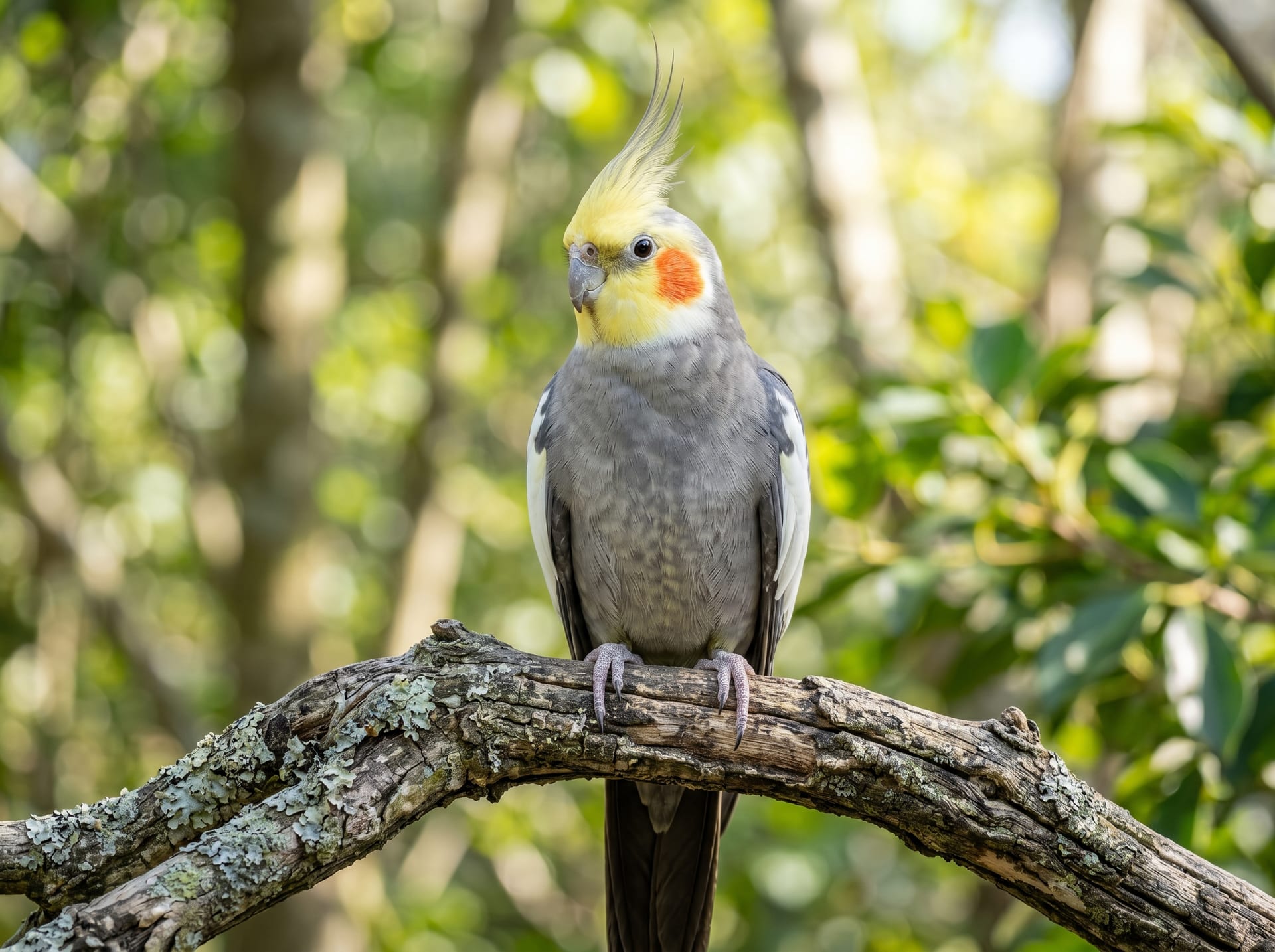
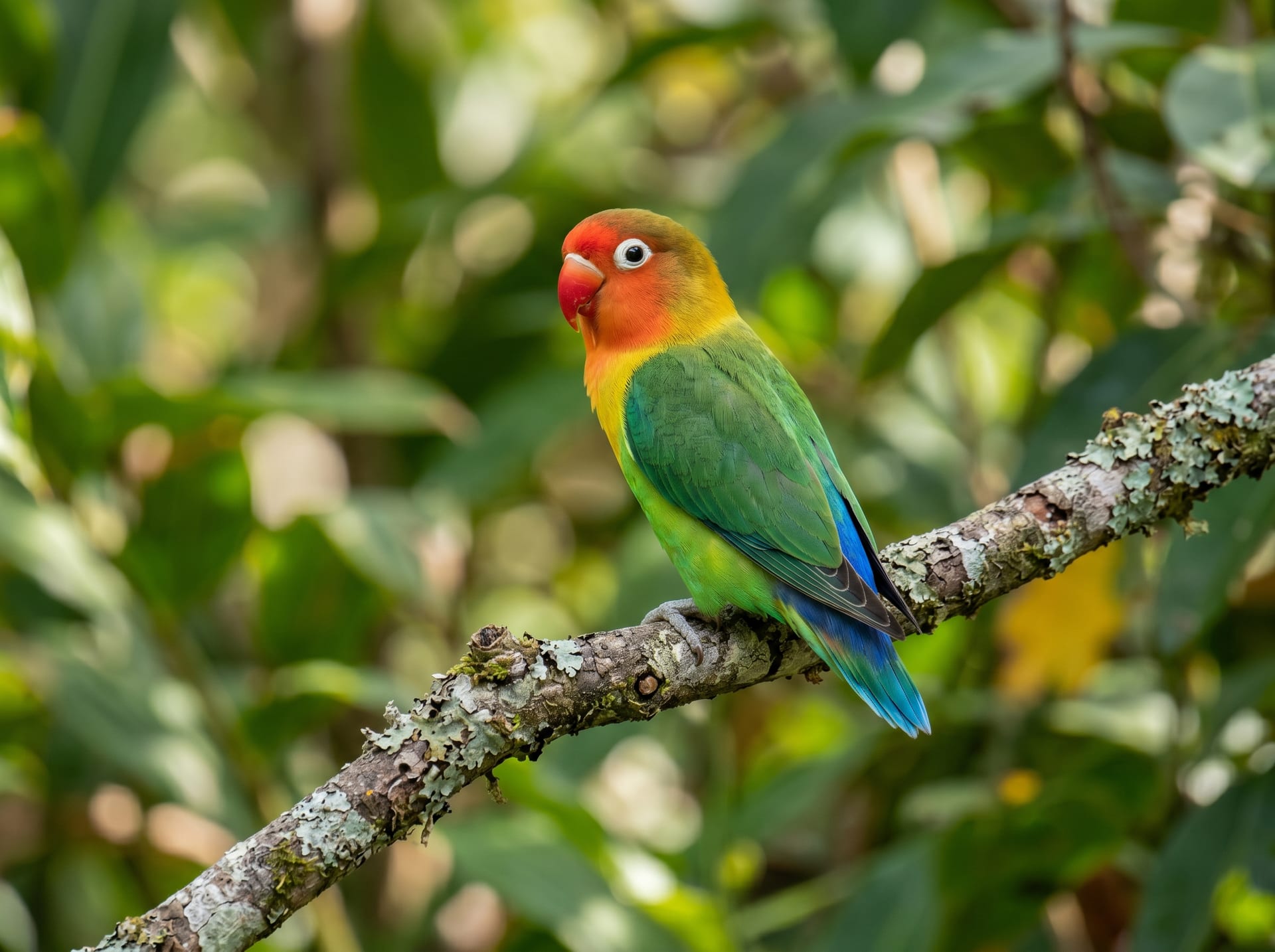
Pet-generated noise can be divided into vocalizations, footsteps, and activity sounds within cages or cases. Bird vocalizations are particularly prone to carrying through, and the contact calls of Cockatiel and Peach-faced Lovebirds are especially problematic in apartment buildings. Effective countermeasures include using blackout covers to keep them quiet, reducing loneliness through sufficient daytime interaction to minimize contact calling, and installing soundproof curtains. For dog barking, identifying the cause and implementing appropriate training are fundamental solutions. When separation anxiety is the cause, conduct staged desensitization training for being alone. The sound of small animal exercise wheels is particularly noticeable at night. Switching to a silent-type wheel and placing vibration-dampening mats under the cage can significantly reduce the noise. The motor noise from aquarium air pumps and filters can be managed using vibration-dampening rubber or switching to quieter products. To address vibration transmission through walls, maintaining distance between cages/aquariums and walls is also important.
Odor Sources and Effective Deodorization Methods
The main sources of pet odors are feces, body odor, and leftover food. The most effective odor control is managing the source. Remove feces promptly, and wash toilets and water containers daily. Choose bedding materials with high odor-absorbing capacity. For reptile care, coconut fiber and cypress chip bedding with deodorizing properties are effective. For small animal cages, using specialized deodorizing bedding or combining with pet sheets is recommended. Among deodorizing products, pet-specific air purifiers are most effective. Models with HEPA filters and activated charcoal filters can remove both fine particles and odor compounds. Ventilating the housing space is also fundamental—make it a habit to ventilate several times a day. When stocking large quantities of live food (crickets, etc.), increase cage cleaning frequency and place activated charcoal to suppress odors. Frozen food emits strong odors after thawing, so ideally thaw and process it outside the pet room.