Pet and Plant Care During Travel — Automatic Feeders and Caretaker Arrangements
How to care for pets and plants while traveling: using automatic feeders and timers, arranging pet sitters or trusted caretakers, and preventing issues during extended absences.
Key Takeaways
How to care for pets and plants while traveling: using automatic feeders and timers, arranging pet sitters or trusted caretakers, and preventing issues during extended absences.
Related Species
When you're away from home for a few days due to travel or business trips, managing your pets and ornamental plants becomes a major concern. For some species, even one day of neglect can be life-threatening, making thorough preparation essential. This article explains care management during absences from both angles—"self-directed automation" and "delegation to others"—and introduces concrete measures for peace of mind when going out.
Risk Assessment Before Going Out
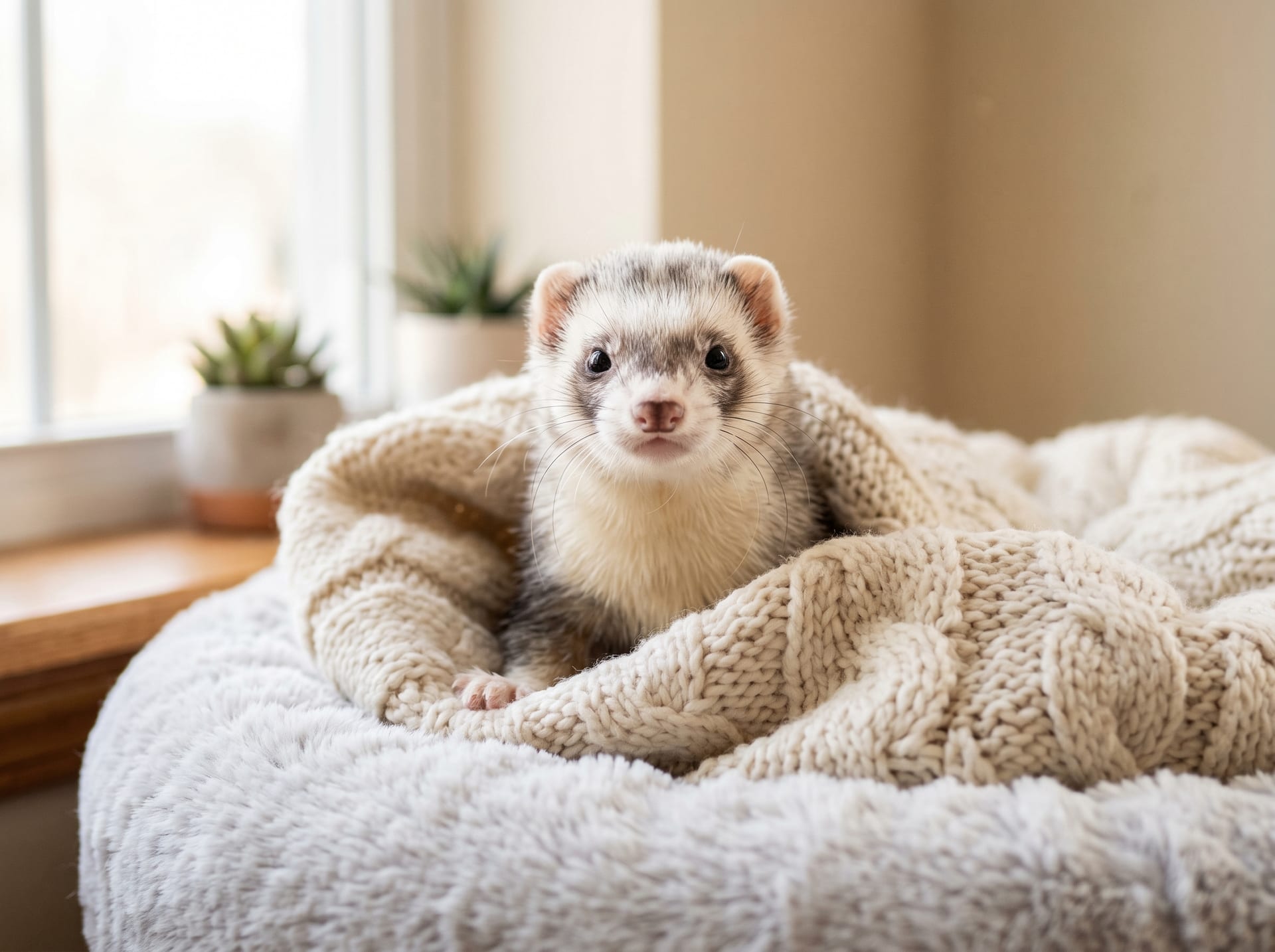
First, accurately determine how many days you can leave for each species you're keeping. Small animals requiring daily feeding and water changes (hamsters, rabbits, ferrets, etc.) and birds face risks even if absent for a single day or more. Adult reptiles can tolerate absence for about a week depending on the species, but juveniles require daily feeding. Fish are relatively easy to manage since automatic feeders can be used, but risks remain from filter problems and water temperature fluctuations. Coral tanks are vulnerable to sudden water quality changes, and even with automation, unattended management for several days carries high risk. Ornamental plants vary greatly in drought tolerance—succulents and cacti can endure absence for about two weeks, but tropical plants can become water-deprived in just a few days. Based on this assessment, determine whether automation alone will suffice or if human intervention is necessary.
Utilizing Automation Tools
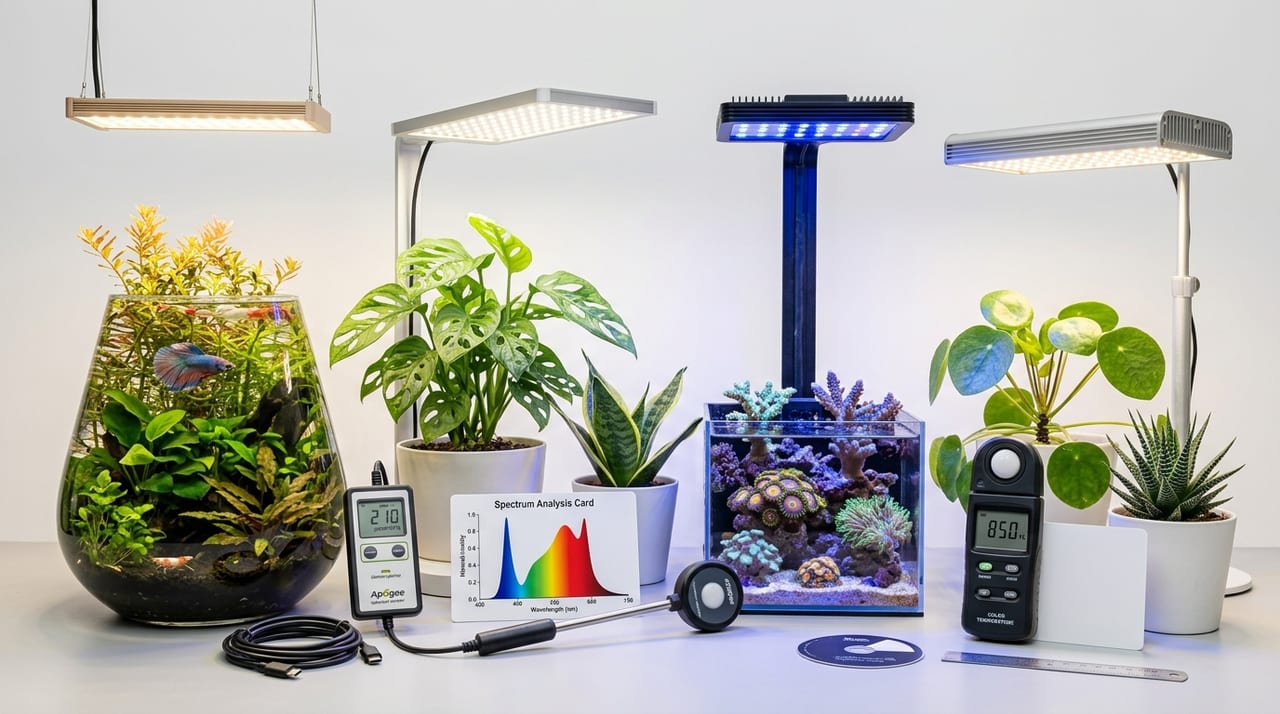
With technological advances, tools for automating care during absences have become abundant. Automatic feeders are widely available for both fish and small animals, dispensing measured amounts of food at set times. Before installing, run a test for several days to adjust feeding portions and verify stable operation. Timer-equipped lighting is essential for maintaining the light cycle of your animals. With smart plugs, you can remotely control lighting and heating equipment via smartphone. While thermostats are standard for temperature management, installing Wi-Fi-compatible temperature and humidity sensors allows you to monitor your animals' environment in real-time from outside your home. Setting up smartphone notifications when abnormal readings are detected provides peace of mind. Automatic water top-off systems (auto-toppers) for aquariums automatically replenish evaporated water and prevent water level drops. For ornamental plants, automatic watering systems or simple watering devices using water bottles can be utilized.
Delegation to Pet Sitters and Acquaintances
If you're keeping animals requiring daily care, such as small animals or birds, human management is necessary. There are roughly three options. Professional pet sitters visit your home to provide care. Before the visit, explain care methods in detail, and share emergency contacts and veterinary clinic information. Typical fees run around 3,000-5,000 yen per visit. If entrusting care to trusted acquaintances or family, prepare and provide a care manual. Clearly document the type and amount of food, feeding times, water change methods, temperature management precautions, and troubleshooting procedures with photos. Pet hotels are primarily geared toward dogs and cats, though facilities accommodating exotic animals are increasing. When boarding, bringing the animal's usual food and cage supplies helps reduce stress from environmental changes.