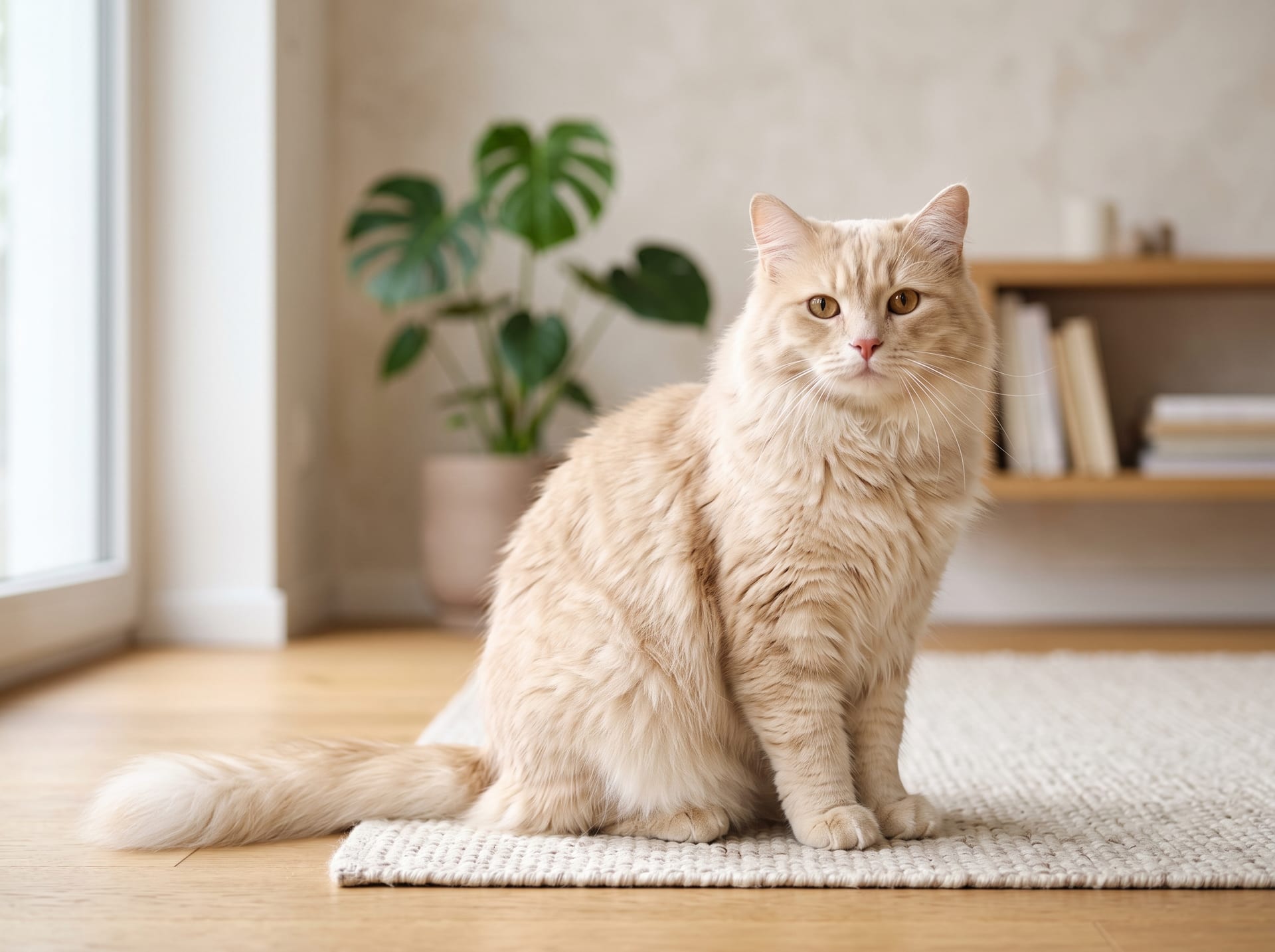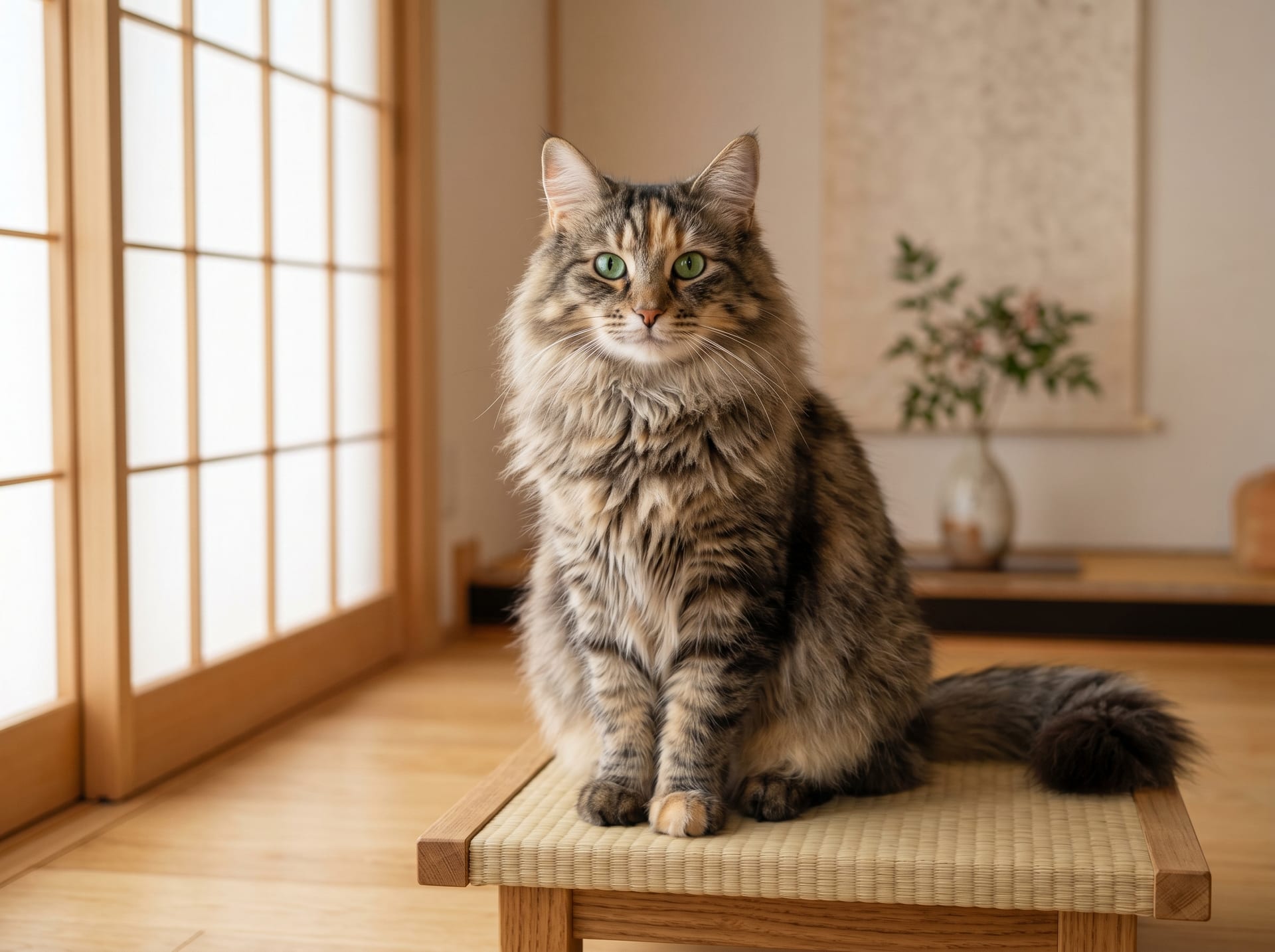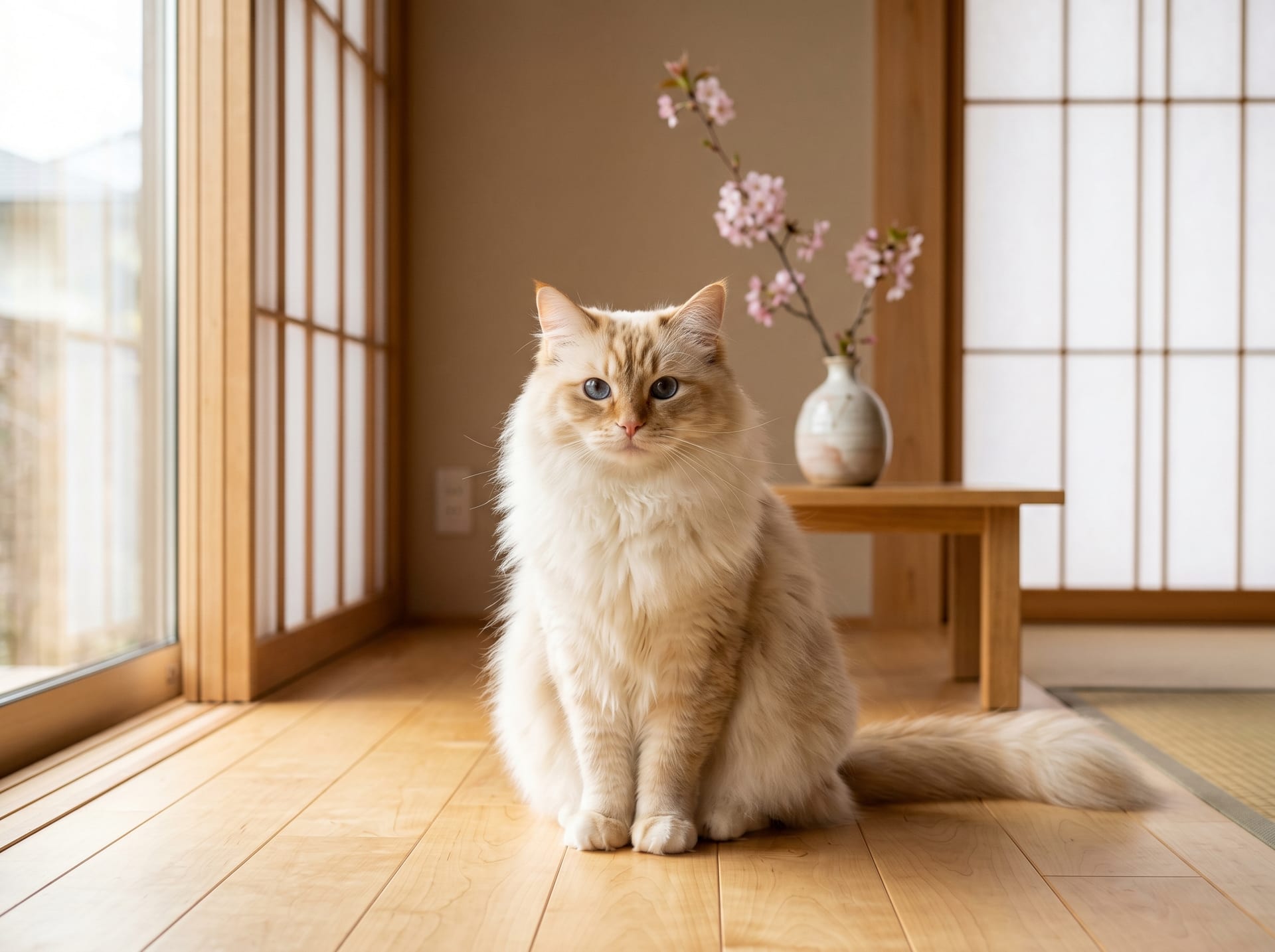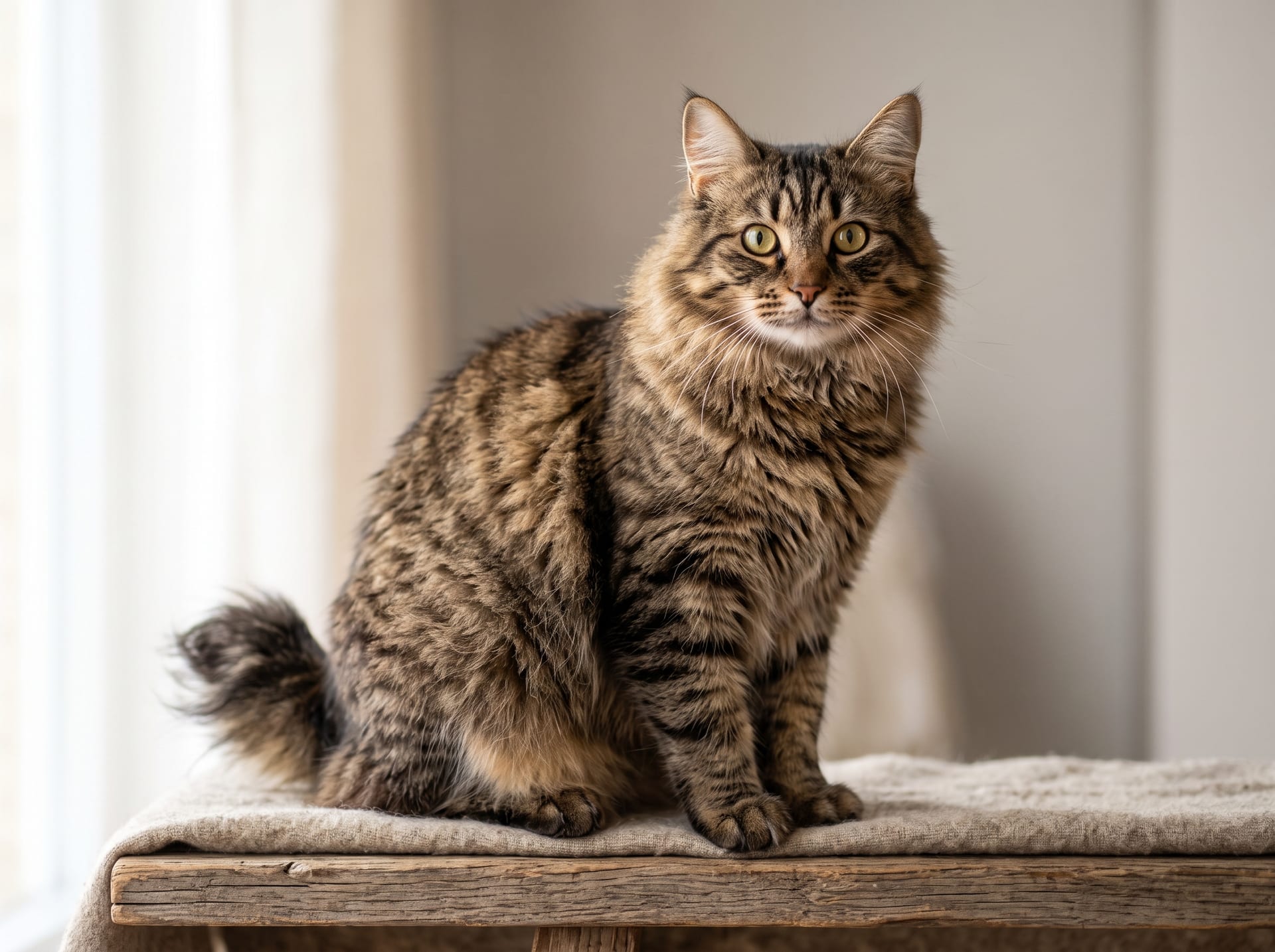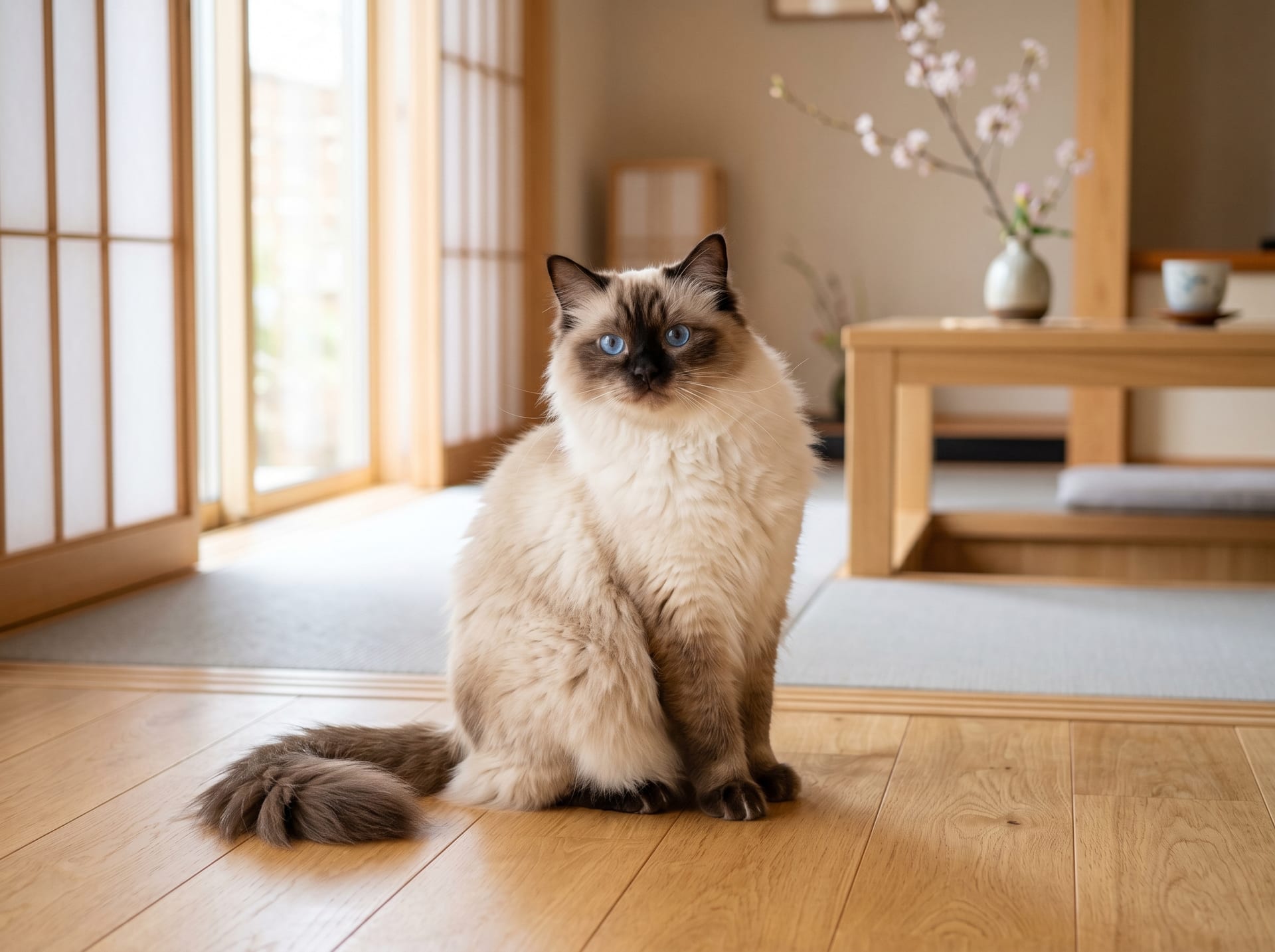
AI-generated image
Ragdoll
BeginnerLarge breed that goes limp when held, named for this doll-like trait. Gentle, quiet, and ideal for indoor living.
Difficulty
Beginner
Temperature
18〜28℃
Lifespan
12-17 years
Size
Weight 4.5-9kg
Diet
Large-breed or complete nutrition cat food. High protein recommended during growth.
About
The Ragdoll is a breed of cat with a distinct colorpoint coat and blue eyes. Its morphology is large and weighty, and it has a semi-long and silky soft coat. American breeder Ann Baker developed Ragdolls in the 1960s. They are best known for their docile, placid temperament and affectionate nature. The name Ragdoll is derived from the tendency to go limp and relaxed when picked up. The breed is particularly popular in both the United Kingdom and the United States.
Source: Wikipedia (CC BY-SA 4.0)
Lifespan of the Ragdoll
The Ragdoll lives 12-17 years.
Size of the Ragdoll
The Ragdoll grows to Weight 4.5-9kg.
Basic Info
Origin
United States
Lifespan
12-17 years
Size
Weight 4.5-9kg
Temperature
18〜28℃
Diet
Large-breed or complete nutrition cat food. High protein recommended during growth.
Care Guide
References & Sources
Edited & verified by: BreederDirect editorial team
The taxonomic, regulatory, and husbandry data on this page are compiled and verified against the authoritative primary sources below.
Primary sources
Taxonomy & Authority
Accepted name: Linnaeus, 1758
Synonyms: Felis silvestris catus
Authority databases: GBIF · GBIF: Felis catus · TICA breed profiles · CFA breed profiles
Nomenclature follows global taxonomic authority databases.
Ragdoll Listings
Loading latest listingsFind listings for this species