Havana Brown Cat Care Guide | Personality, Care, and Acquisition of a Rare Purebred Chocolate Cat
A guide to basic Havana Brown care and upkeeping. Learn about their beautiful deep brown coat, active and sociable personality, enrichment through play, health management, and rare acquisition methods in Japan.
Key Takeaways
A guide to basic Havana Brown care and upkeeping. Learn about their beautiful deep brown coat, active and sociable personality, enrichment through play, health management, and rare acquisition methods in Japan.
The Havana Brown is a rare purebred cat covered entirely in a single-color coat of warm, deep chocolate brown. With few breeding individuals worldwide and extremely limited availability in Japan, this breed is nonetheless strongly favored by dedicated cat enthusiasts for its distinctive appearance and affectionate, active personality.
✍️
BreederDirect Editorial
The BreederDirect editorial team specializes in care information for animals, covering veterinary care and breeding to deliver beginner-friendly guides.
Find Cats on BreederDirect
Buy directly from verified breeders
Browse Related Listings
Find Cats listings related to this article on BreederDirect. Buy directly from verified breeders.
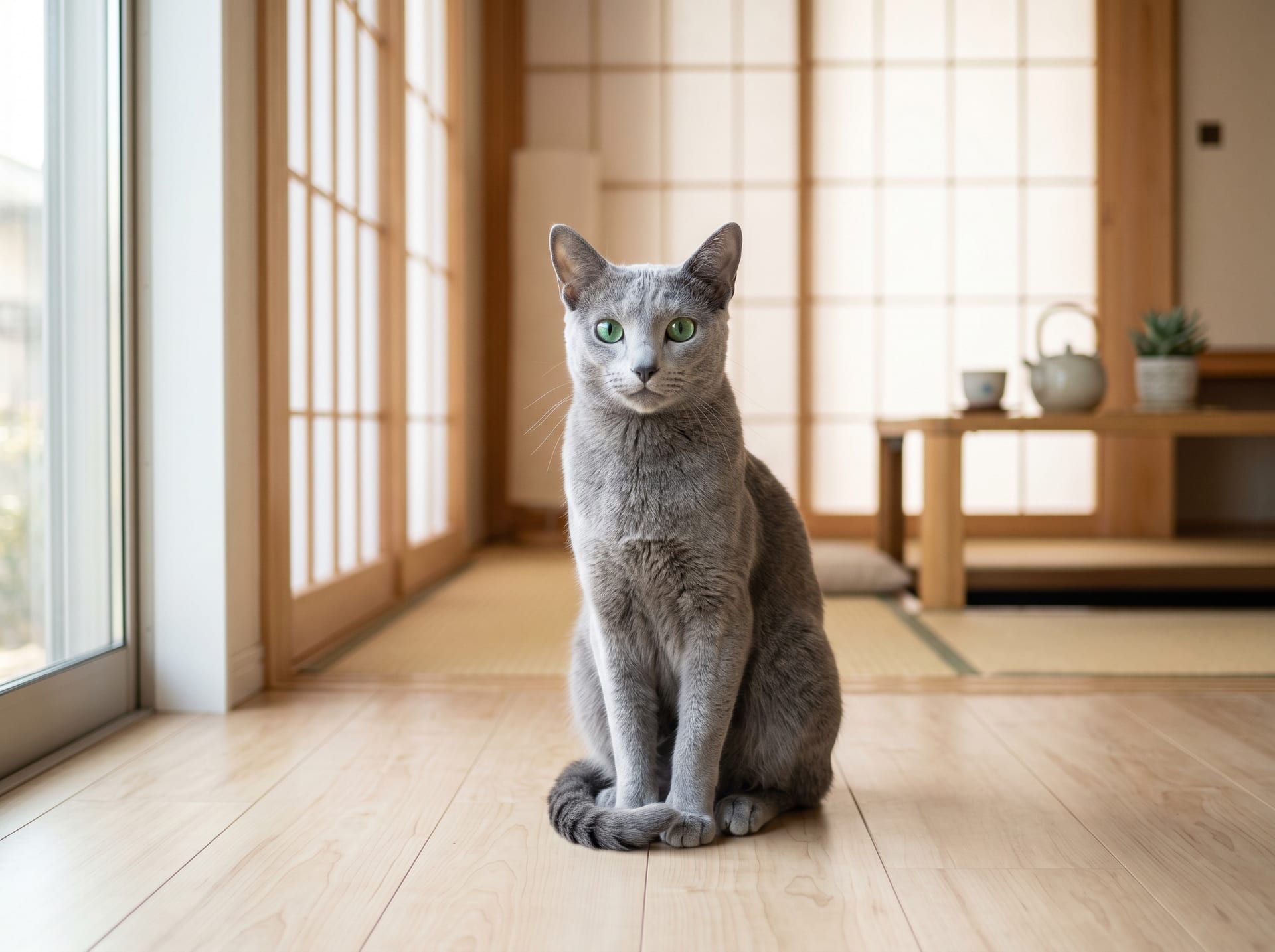
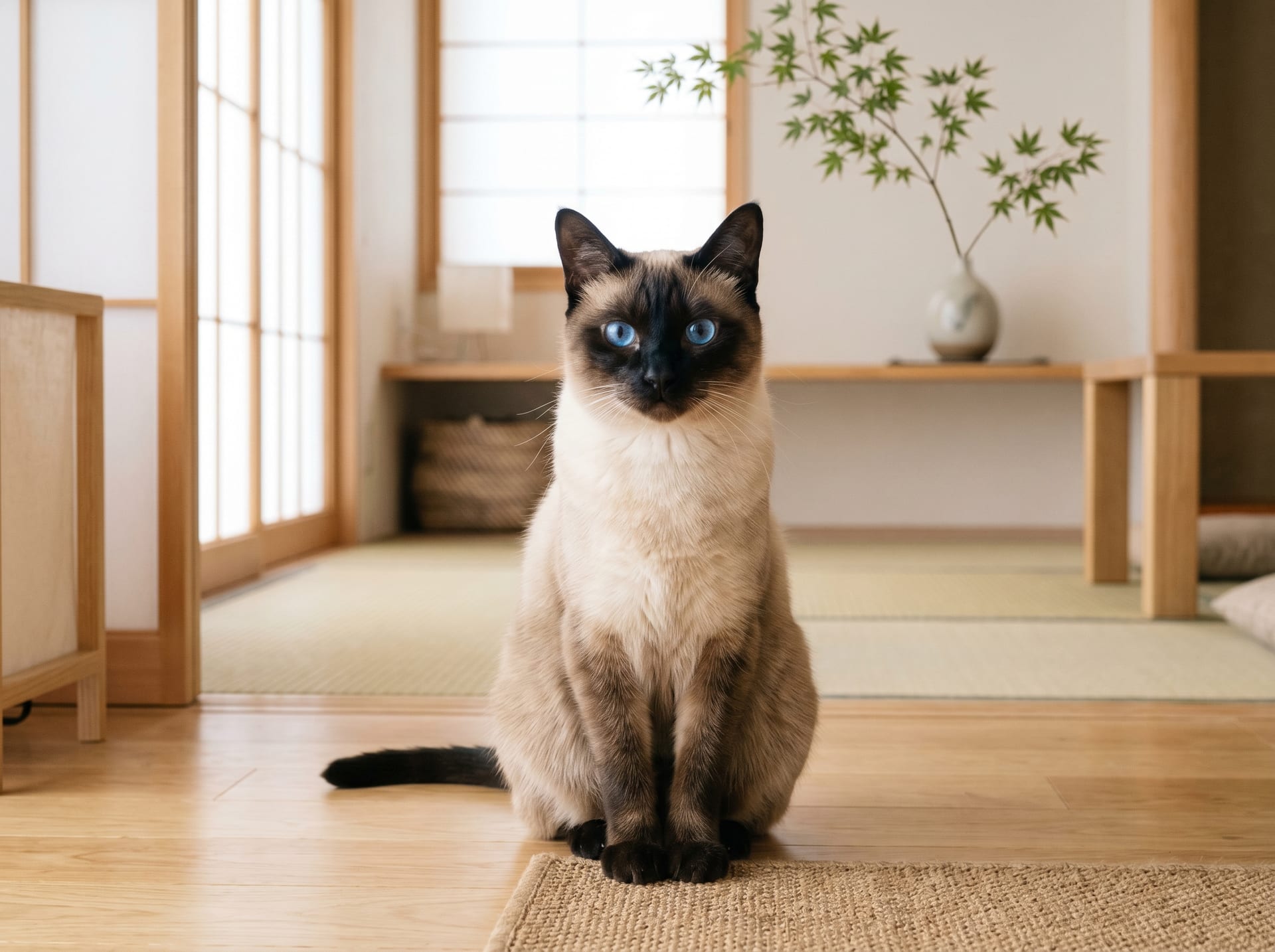
The breed was developed in the 1950s in England by crossing Russian Blues, Siamese, and domestic cats. The name is believed to derive from the color of Havana cigars, though some suggest it comes from the Havana Brown rabbit breed. Today, there are still only a limited number of catteries breeding them, and globally they number in the hundreds—a truly rare breed.
Physical Characteristics
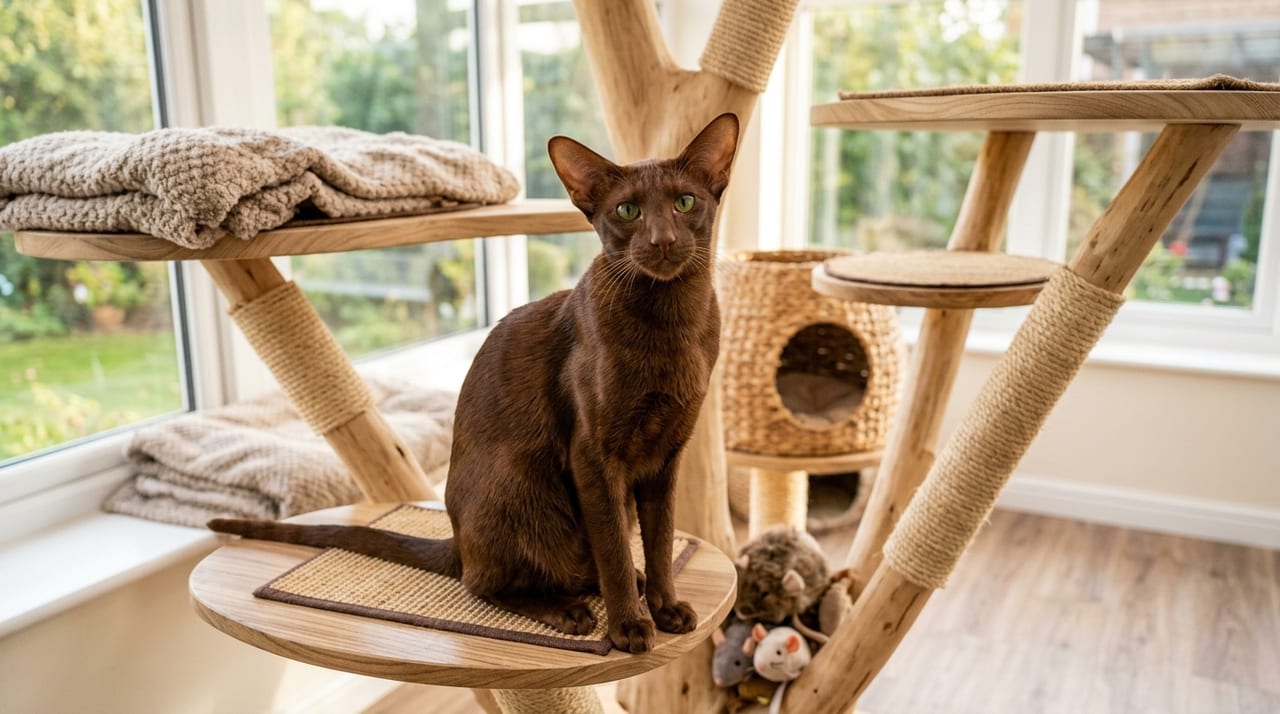
Build: Medium-sized (2.5–4.5 kg). Slim but muscular
Coat: Short-haired with a silky sheen, solid deep chocolate brown
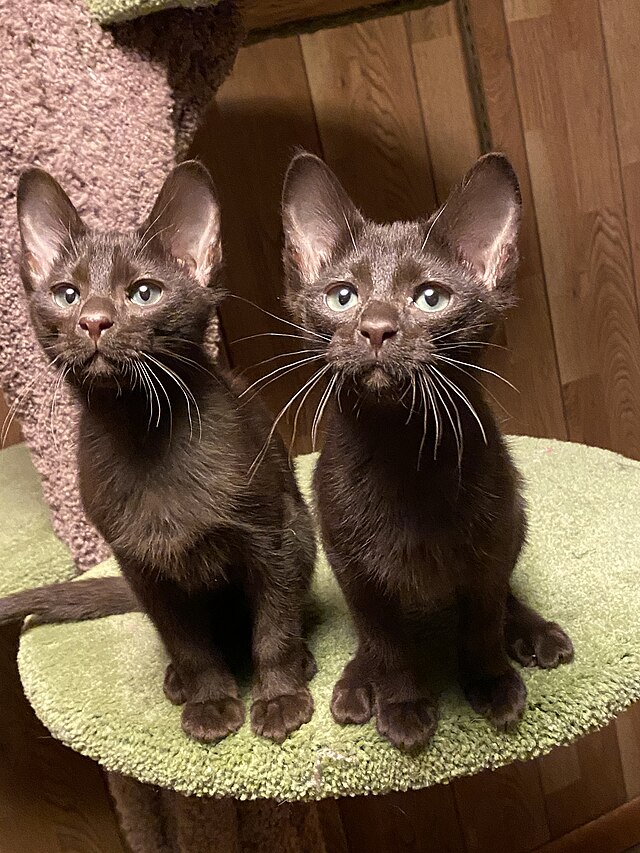
Eyes: Ideally green (emerald green). Kittens may have different eye colors
Distinctive Features: Notably long face, broad nose, and large ears. The face overall has a sharp, refined appearance
Personality and Characteristics
Sociable and Affectionate
Due to their Siamese heritage, Havana Browns are people-oriented and have a "dog-like" quality, following their owners around. They are relatively friendly with visitors and lack shyness, displaying confident behavior.
Highly Curious
They have a strong instinct to "look, touch, and investigate," often batting at unfamiliar objects with their paws to examine them. They respond well to toys, particularly those that are stick-shaped or elongated.
Vocalization
While not as loud as Siamese, they have strong communication needs and are known as "chat cats" (chatty cats). They frequently use trills and chirps to interact with their owners.
Living Environment and Play
Enriched Environment
Havana Browns have high energy levels and strongly dislike boredom. It's important to provide a "three-dimensional space" combining cat trees, catwalks, and hiding spots (box-style beds).
Frequency of Play
It's recommended to engage in intensive interactive play (wand toys, feather teasers, etc.) twice daily for 15–20 minutes each session. Insufficient play leads to destructive behavior, excessive vocalization, and obesity.
Multi-Cat Compatibility
Since Havana Browns dislike solitude, multi-cat households are recommended when owners are absent for extended periods, particularly with cats of similar activity levels. They tend to get along well with Siamese-type cats and active breeds.
Coat Care
The Havana Brown's short coat is relatively easy to maintain. Regular brushing once or twice weekly with a soft slicker brush or rubber brush removes loose hair while maintaining shine. Daily brushing is ideal during shedding seasons (spring and autumn). Monthly baths are recommended, but many individuals dislike frequent bathing—prioritize clean brushing over forcing baths. Trim nails every 2–3 weeks and check and clean ears weekly as needed.
Diet and Weight Management
Ideal Weight: 2.5–4.5 kg for adult cats (body condition check: "slight waist definition with palpable ribs")
Food Amount: Quantity should match age, weight, and activity level. Use automatic feeders to prevent overeating
Food Selection: High-quality cat food with animal protein as the primary ingredient (combination of dry and wet food is ideal)
Health Management and Conditions to Monitor
Genetic Disorders
Because genetic diversity is limited in Havana Browns, the risk of inbreeding-related issues is higher than in common cat breeds. Reputable breeders conduct genetic testing.
Dental Disease
Regular dental care (tooth brushing 2–3 times weekly) is recommended. Periodontal disease can lead to secondary effects on kidneys and heart, so establishing a consistent oral care routine is essential.
Urinary Tract Disease
While specific genetic predisposition is unclear, the risk of feline lower urinary tract disease (FLUTD), common in purebreds, exists. Prevention involves encouraging water intake through water fountains and wet food.
Acquiring a Havana Brown in Japan
Havana Browns are extremely rare in Japan. Acquisition through certified breeders (Cat Virtual Show Association or TICA/CFA-registered catteries in Japan) is standard. Be cautious of fraudulent catteries and scam sites in online searches—always visit facilities in person or contact breeders directly to verify their credentials. Waitlists are typically required.
Summary
The Havana Brown is a rare cat combining a rich chocolate brown coat with an active, sociable personality. Despite their rarity and acquisition challenges, their affectionate nature and intelligent curiosity offer owners a unique experience. While their short coat requires minimal grooming, invest time in daily play and enriching their indoor environment. Since catteries are scarce in Japan, connect with reputable breeders through TICA and CFA registration databases and cat shows.