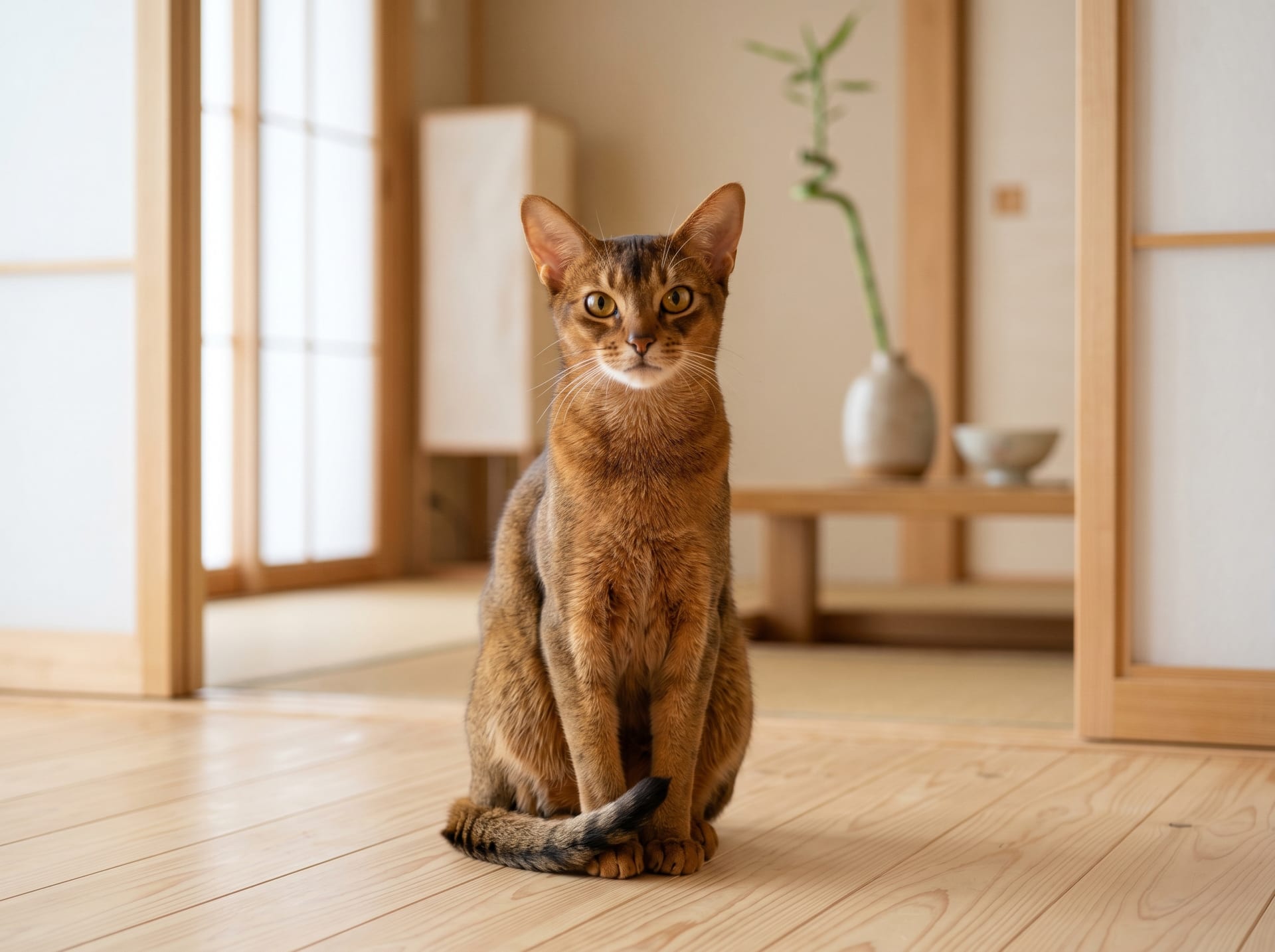
Abyssinian
Active medium cat with unique ticked coat. Extremely curious and playful; called the 'Border Collie of cats.'
View Abyssinian encyclopedia →- Price Range
- ¥70,000〜¥238,000
0% commission on your first sales!Register by September 30, 2026 and your first 2 sales are commission-free!
Breeder Wanted!
List on BreederDirect and sell directly to customers nationwide!
4 Trust Pillars We Guarantee at Br-Choku
For all kitten listings, Breeder clearly disclose the following information. To ensure safe and transparent direct sales, Br-Choku requires these legally mandated items.
- MicrochipRequired
- Vaccinated
- Health Checked
- Pedigree Certified
* Microchip implants are now legally required for breeding businesses selling dogs and cats under the Animal Protection Law (effective June 2022).
Secure transaction guarantee
Dogs & cats onlyEvery BreederDirect transaction is covered by our transaction guarantee. If you cannot receive your pet, you will be fully refunded. A health guarantee also covers you after handover.
Learn about transaction safety →Browse all 74 breeds
Verified breeders wanted for Cats
Breeders are signing up now ahead of launch. Subscribe to be notified when new listings go live.
Getting alerts is free with a member account. When new listings match your saved search, we'll notify you by email and in-app.
Browse other categories
Verified breeders (preview)
Abyssinian key facts
- Care level
- Intermediate
- Lifespan
- 12-15 years
- Size
- Weight 3-5kg
- Diet
- High-protein complete food. Adequate calories for high activity level.
- Temperament
- Extremely active and curious. Always on the move; loves observing from high places.
- Exercise
- Very high exercise needs. Interactive toys and cat trees essential.
- Coat Care
- Short ticked coat; easy care. Weekly brushing sufficient.
- Origin
- Ethiopia (Abyssinia)
- Notes
- Watch for PRA and renal amyloidosis. Prone to stress when bored.
About Abyssinian
The origins of the Abyssinian are debated among historians, with some pointing to resemblances to cats depicted in ancient Egyptian art, though the modern breed is generally traced to cats brought from Abyssinia (present-day Ethiopia) to Britain in the late 19th century. The breed's most distinctive feature is its ticked coat — each individual hair carries alternating bands of light and dark pigment, creating a subtle, shimmering gradient across the body. The Abyssinian has a lean, muscular build, large almond-shaped eyes, and prominent ears that contribute to its alert, wild-looking appearance. In temperament, it is energetic, highly curious, and sociable, often choosing to observe its owner's activities from a nearby vantage point or perching on a shoulder. While independent enough to entertain itself for periods, it genuinely values human connection and integrates naturally into daily life. For owners who can provide regular exercise and mental engagement, the Abyssinian makes a deeply loyal and endlessly entertaining companion over many years.
7 things to know before welcoming a Abyssinian
1Provide Plenty of Exercise
Abyssinians are highly active and require more exercise than the average cat. Providing vertical spaces like cat trees and wall shelves helps satisfy their climbing instincts. Multiple daily play sessions are essential to prevent boredom and destructive behavior.
2Does Not Do Well Alone
Abyssinians are sociable cats that can struggle with long periods alone. If you are away for extended hours, consider adopting another pet as a companion. Without adequate interaction and mental stimulation, they are prone to stress-related behaviors.
3Low-Maintenance Coat
The short, dense coat sheds relatively little and can be kept in good condition with one to two brushings per week. Bathing is only needed occasionally. Regular coat checks help maintain the health and beauty of the characteristic ticked pattern.
4Watch for Dental Disease
Abyssinians are known to be prone to periodontal disease and other dental issues. Establishing a tooth-brushing routine from kittenhood is an effective preventive measure. Regular dental checkups with a veterinarian are also recommended.
5Screen for Genetic Conditions
Abyssinians have a documented predisposition to certain hereditary conditions, including progressive retinal atrophy (PRA) and renal amyloidosis. When choosing a breeder, ask about health screening performed on the parent cats. Routine veterinary checkups support early detection.
6Stimulate Their Intelligence
Abyssinians are intelligent and can quickly lose interest in repetitive play. Puzzle feeders, interactive toys, and trick training provide the mental engagement they crave. Active involvement from their owner during playtime also strengthens the human-cat bond.
7Budget for Ongoing Costs
Purchase prices for Abyssinians typically range from approximately 150,000 to 300,000 yen, varying by lineage and coat color. Monthly costs include food, veterinary care, litter, and toys — the latter replaced more frequently given their active nature. Pet insurance is worth considering to manage unexpected medical expenses.
Frequently asked questions about Abyssinian
- Q.Is the Abyssinian a good choice for first-time cat owners?
- A.Abyssinians can be somewhat demanding for first-time owners due to their high energy and need for stimulation. That said, they are manageable for beginners who are prepared to invest time in daily play and interaction. Setting up an enriched environment before bringing one home makes a significant difference.
- Q.Do Abyssinians shed a lot, and are they suitable for allergy sufferers?
- A.Abyssinians are relatively low-shedding, but they are not hypoallergenic. The primary cat allergen, Fel d 1, is a protein found in saliva and skin secretions rather than the coat itself. People with cat allergies are advised to spend time with an Abyssinian before committing to adoption.
- Q.Can Abyssinians live peacefully with other pets and children?
- A.Abyssinians generally adapt well to other cats and dogs when introduced gradually. They can enjoy playing with children, though their energetic pace may sometimes startle very young ones. A careful, patient introduction period is key to smooth integration into a multi-pet or family household.
- Q.Can someone living alone keep an Abyssinian?
- A.Living alone with an Abyssinian is feasible, but extended periods of daily absence can lead to boredom or separation anxiety. Enriching the home environment with interactive toys or adopting a second cat can help. Setting aside dedicated playtime after returning home is also important for their wellbeing.
- Q.What is the typical lifespan, and what health issues are common?
- A.Abyssinians typically live 12 to 15 years. Known health concerns include progressive retinal atrophy (PRA), renal amyloidosis, and periodontal disease. Regular veterinary checkups and early detection are important factors in longevity. Sourcing from a reputable breeder who conducts health screening on parent cats reduces genetic risk.
Useful tools for Abyssinian care
Learn more about Abyssinian in the encyclopedia
View Abyssinian encyclopedia entry →
Care difficulty, lifespan, size and diet — all basics covered.
Abyssinian related articles
Ocicat Care Guide | Wild-Spotted Beauty with Canine-Like Affectionate Temperament
Complete guide to Ocicat care. Learn about the personality, exercise needs, grooming, and nutrition of this short-haired spotted cat breed, born from Abyssinian, Siamese, and American Shorthair crosses. We cover genetic health risks including amyloidosis and hypertrophic cardiomyopathy (HCM), plus how to select a trustworthy breeder.
Complete Guide to Caring for Somali Cats | The Lively Personality and Coat Care of Long-haired Abyssinians
Somali cats are the long-haired variety of Abyssinians, known for their luxurious, fluffy tails and curious nature. This guide covers everything needed to care for Somali cats, from coat brushing techniques to enrichment activities suited to their active temperament, and prevention of common health conditions (kidney disease and gingivitis).
Abyssinian Cat Care Guide | The Charm and Care Methods for High-Energy Cats
A comprehensive guide to raising Abyssinian cats for beginners. Covers how to accommodate their high activity levels and affinity for climbing and jumping, beautiful coat care with ticking patterns, diet, common health conditions, and environmental enrichment.
Cat Breed Personality Guide | Scottish Fold, Norwegian Forest Cat, Ragdoll, Abyssinian Characteristics Comparison
Comparing personality, required care, and compatibility with multi-cat households for popular cat breeds. Introduces characteristics of affectionate Ragdolls, active Abyssinians, calm Norwegian Forest Cats, and health-prone Scottish Folds.
More in this category
Can't find the one you're looking for?
Post your wishes for free and breeders with matching animals will contact you with introductions.