Choosing a cat breed based on "personality" and "care requirements"
Cats aren't said to have personality differences as large as dogs based on breed, but when listening to long-time breeders and cat owners, there are clearly different tendencies per breed. "Affectionate or independent," "active or calm," "likes or dislikes being held" — these personality differences are directly connected to daily life.
Also, grooming frequency and health risks vary greatly by breed. If you choose based solely on appearance, you might regret it — "the cat isn't what I expected," "care is too demanding." This article specifically compares personality, care, and health risks of 4 popular breeds, supporting your breed choice suited to your lifestyle.
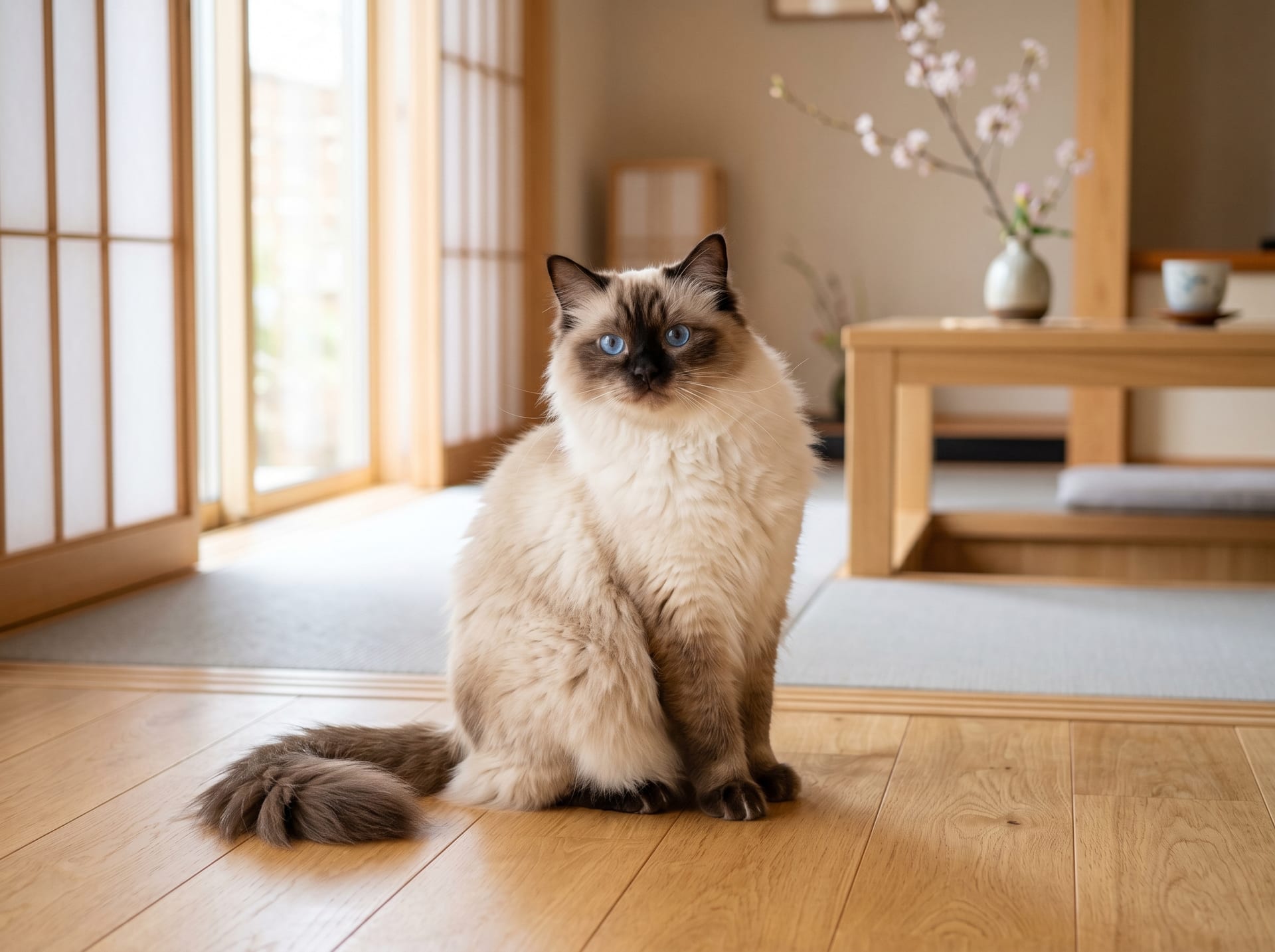
Ragdoll — Large cat combining calmness with affection
Body/Appearance: Ragdolls are large long-haired cats, reaching 7–10kg as adults. Clear blue eyes and silk-like long hair are distinctive, with diverse color variations including colorpoint and mitted. Slow growth taking 3–4 years to reach full maturity is also characteristic.
Personality: True to the name "rag doll," they go limp and calm when held. They're affectionate and follow their owners around like dogs, and are relatively friendly with visitors. They have soft voices and communicate requirements gently, making them suitable for quiet environments. Low aggression and good compatibility with multi-cat households and families with children.
Care and Health Risks: Long coat requires brushing 2–3 times weekly. Daily care is ideal during shedding season. Health-wise, hypertrophic cardiomyopathy (HCM) is a known risk; purchasing from breeders conducting genetic testing (HCM gene MYBPC3 mutation) is strongly recommended. Regular heart ultrasound exams are helpful for long-term health management.
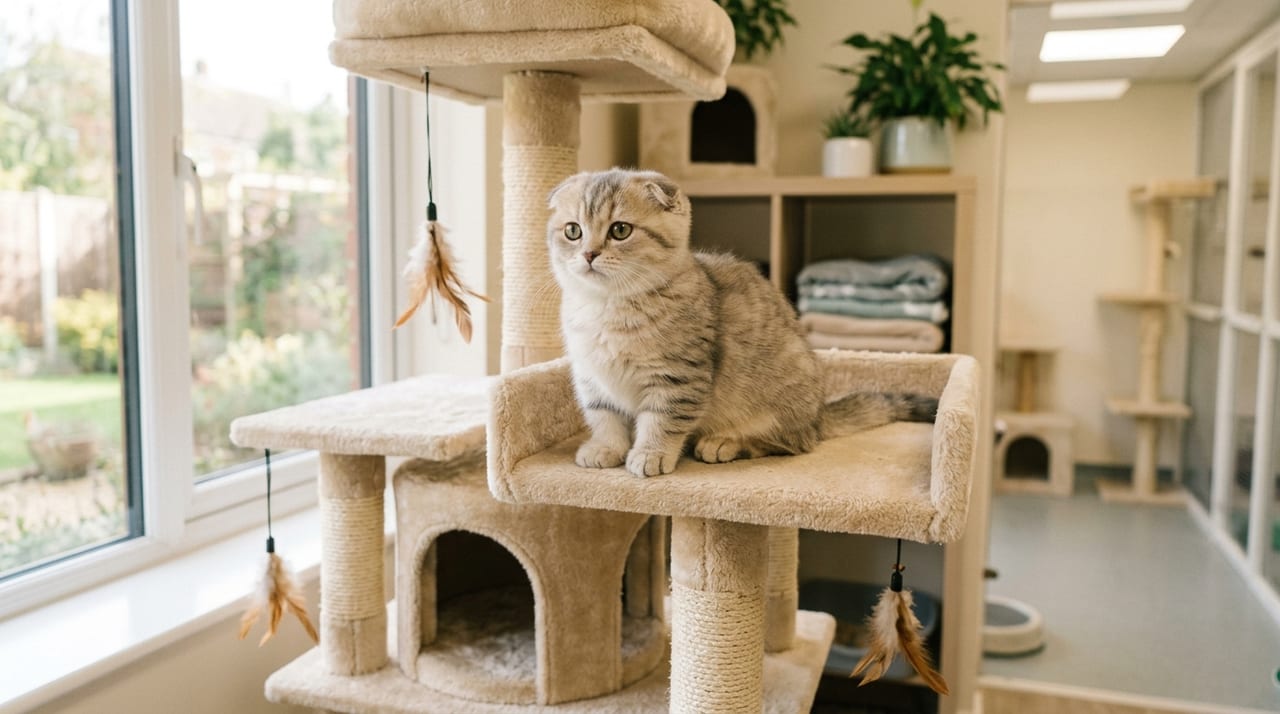
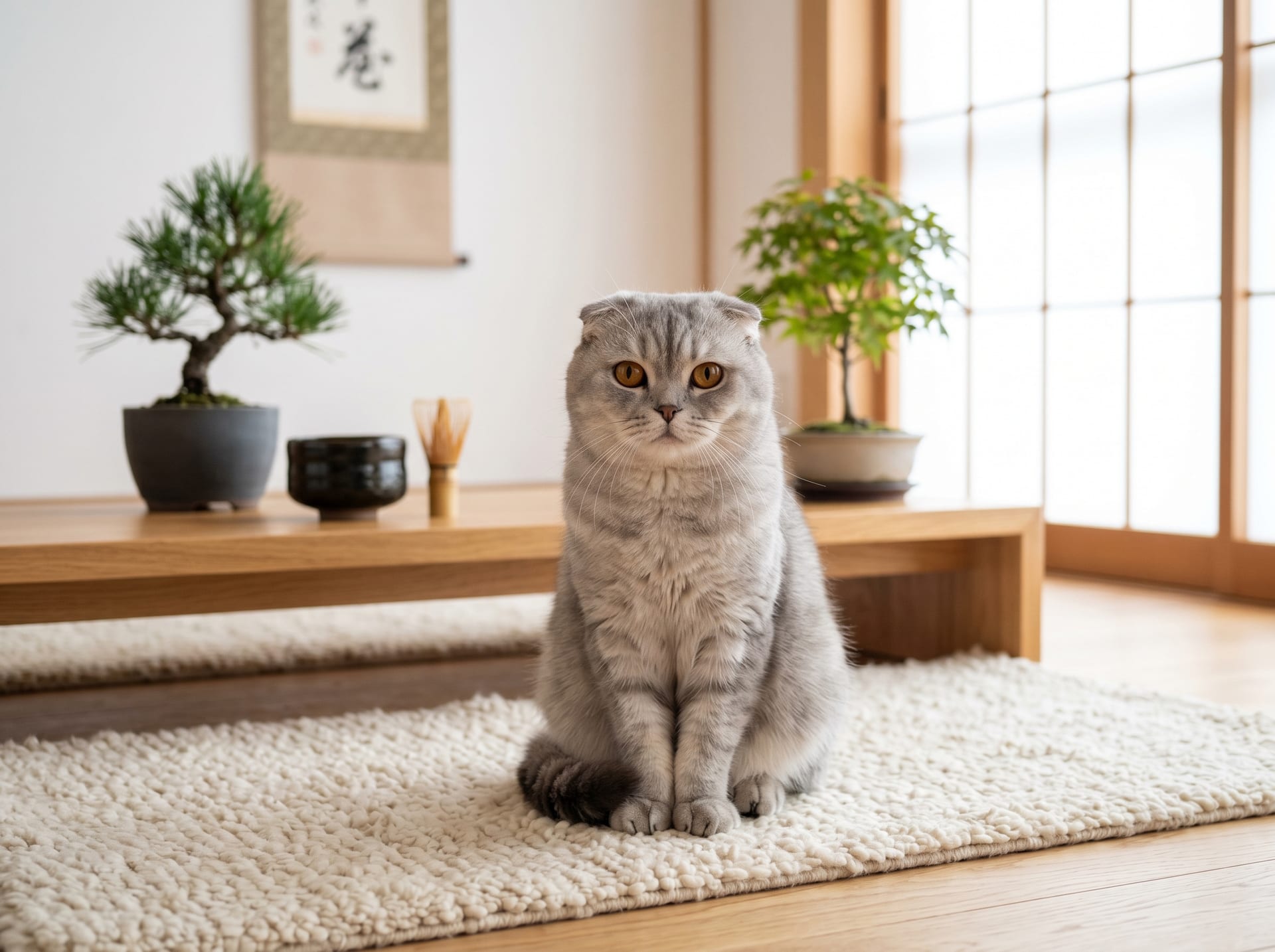
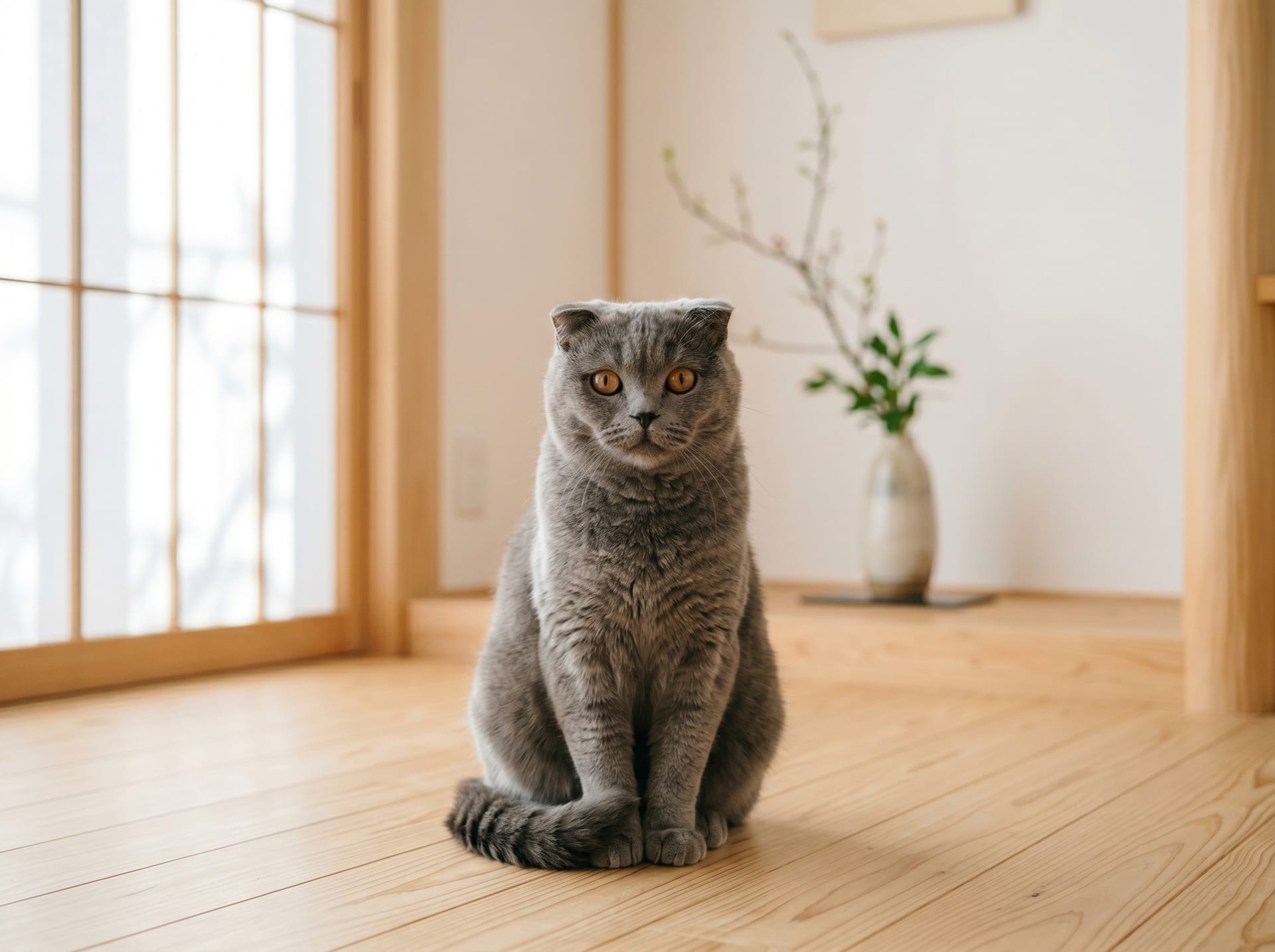
Scottish Fold — Adorable appearance, health concerns beneath
Appearance: Folded ears, round face, and large round eyes create distinctive charm. Shares genetic background with straight-eared Scottish Straights, but the "folded ear" expression is the major distinguishing feature.
Personality: Tend to be affectionate and clingy, preferring quiet, calm environments. They don't vocalize much and have calm, independent demeanor while constantly being aware of their owner's presence. Relatively good environmental adaptability and suited to indoor living.
Critical Health Issue — Must understand beforehand: Scottish Folds carry genetic risk of osteochondrodysplasia (OCD). The Fd gene causing folded ears (TRPV4 gene mutation, not FGF5) can affect cartilage throughout the body, causing chronic pain and deformities in tail, paws, and joints. Symptoms aren't visible externally, and discovery is often delayed by cats' tendency to hide pain.
Since the 2020s, ethical discussion has increased in Japan, and many conscientious breeders avoid folded-to-folded breeding. Consider the Scottish Straight (straight-eared) option. Regular orthopedic checkups are essential for long-term health.
Norwegian Forest Cat — Independence and deep affection coexist
Appearance: Large long-haired cat naturally selected through harsh Nordic climate. Characterized by water-resistant outer coat and dense insulated undercoat in double-layer structure. Sturdy build and large fluffy tail possess commanding presence.
Personality: Strongly independent, valuing "sharing space" rather than "clinging affection." Often dislikes excessive physical contact, yet shows deep affection for owners, sometimes greeting them upon arrival. Active with high athleticism, enjoying climbing and jumping to high places. Playful yet capable of solo play, suited to single-person households.
Care and Environment Setup: Double-layered long coat sheds heavily during shedding season (spring/fall), requiring 3–4 times weekly brushing. Given preference for high places, tall cat towers or wall shelves are recommended. Providing environment to meet exercise needs leads to emotional stability.
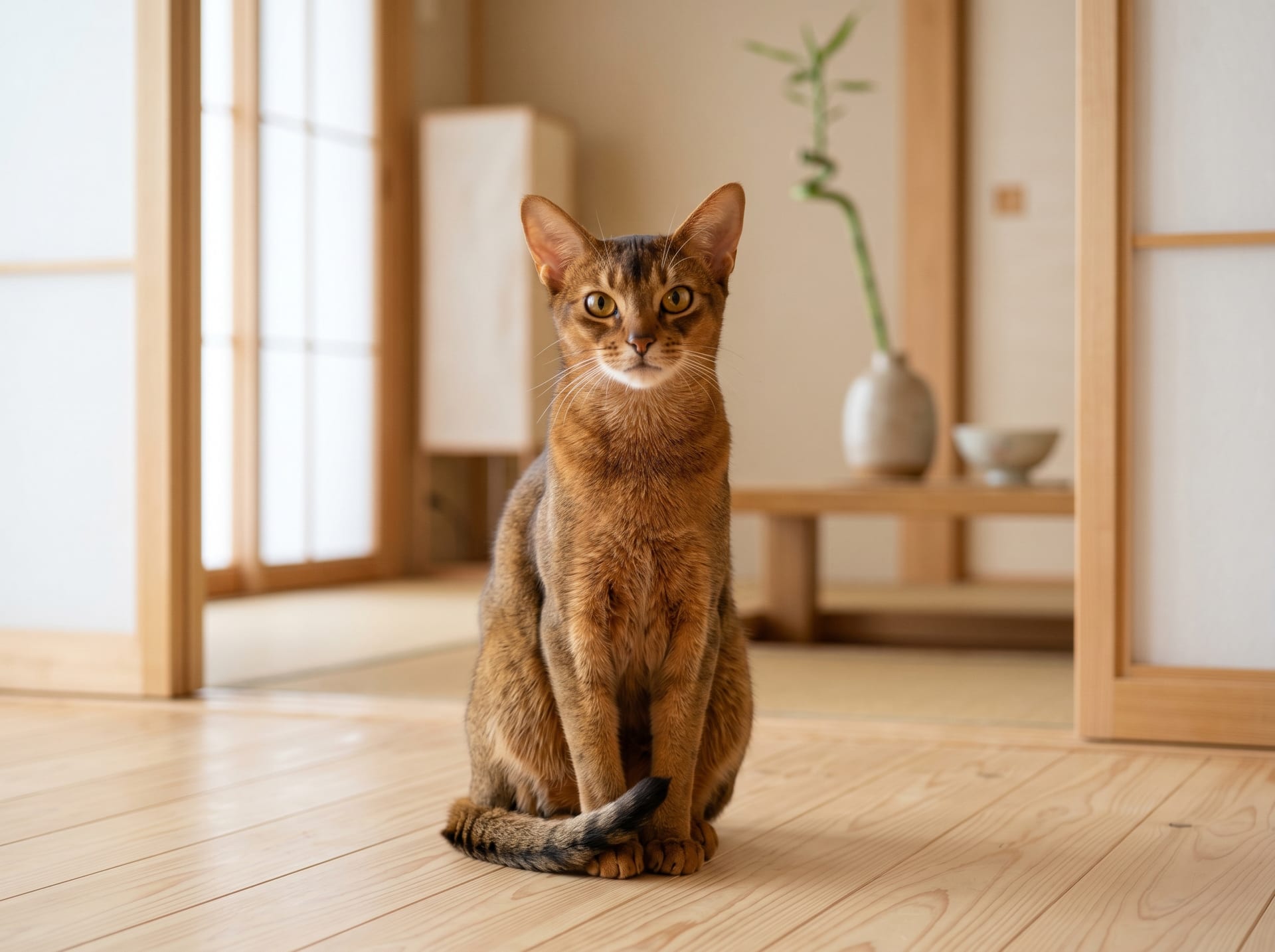
Abyssinian — "Eternal rascal" full of curiosity and energy
Appearance: Slim, graceful athlete-like build and agouti (banded hair with gradient from root to tip) short coat are characteristic. Sleek frame reminiscent of wild lions and large almond-shaped eyes make strong impression.
Personality: Said to be the most active and curious cat breed, exploring every corner of the home with extremely quick reaction to new things. Dislike being alone, constantly interested in owner's activities, often "helping" with chores. Social with high intelligence, capable of learning tricks.
Care and Notes: Short coat requires grooming about weekly. However, insufficient mental stimulation easily leads to stress, making interactive toys and puzzle feeders essential daily. For environments with long absences, consider two-cat households for mutual stimulation. Health-wise, kidney amyloidosis risk is known, requiring regular blood and urine testing.
Final checklist for breed selection
| Breed | Affection | Activity | Care | Beginner-friendly |
|---|
| Ragdoll | ★★★★★ | ★★☆ | ★★★ | ◎ |
| Scottish Fold | ★★★★☆ | ★★★ | ★★☆ | △ (Health management essential) |
| Norwegian | ★★★☆☆ | ★★★★ | ★★★★ | ○ |
| Abyssinian | ★★★★☆ | ★★★★★ | ★★☆ | △ (Exercise environment essential) |
Breed tendencies are merely "typical individual characteristics." Individual differences always exist, so whenever possible, it is strongly recommended to meet parent and kitten cats at breeders' facilities and confirm personality. Health certificates, genetic test result disclosure, and post-purchase support availability are important criteria for choosing trustworthy breeders. Cat companionship spans 10–20 years of long relationship. Prioritizing "ease of living together" over "appearance," find your ideal partner.