Scottish Fold Care Guide | Ear Management & Diet
A guide to caring for Scottish Fold cats, known for their folded ears. Learn about ear mite prevention and regular ear cleaning, considerations for osteochondrodysplasia (bone lumps), joint-friendly exercise and diet management, and important points when selecting a breeder.

Key Takeaways
A guide to caring for Scottish Fold cats, known for their folded ears. Learn about ear mite prevention and regular ear cleaning, considerations for osteochondrodysplasia (bone lumps), joint-friendly exercise and diet management, and important points when selecting a breeder.
Related Species
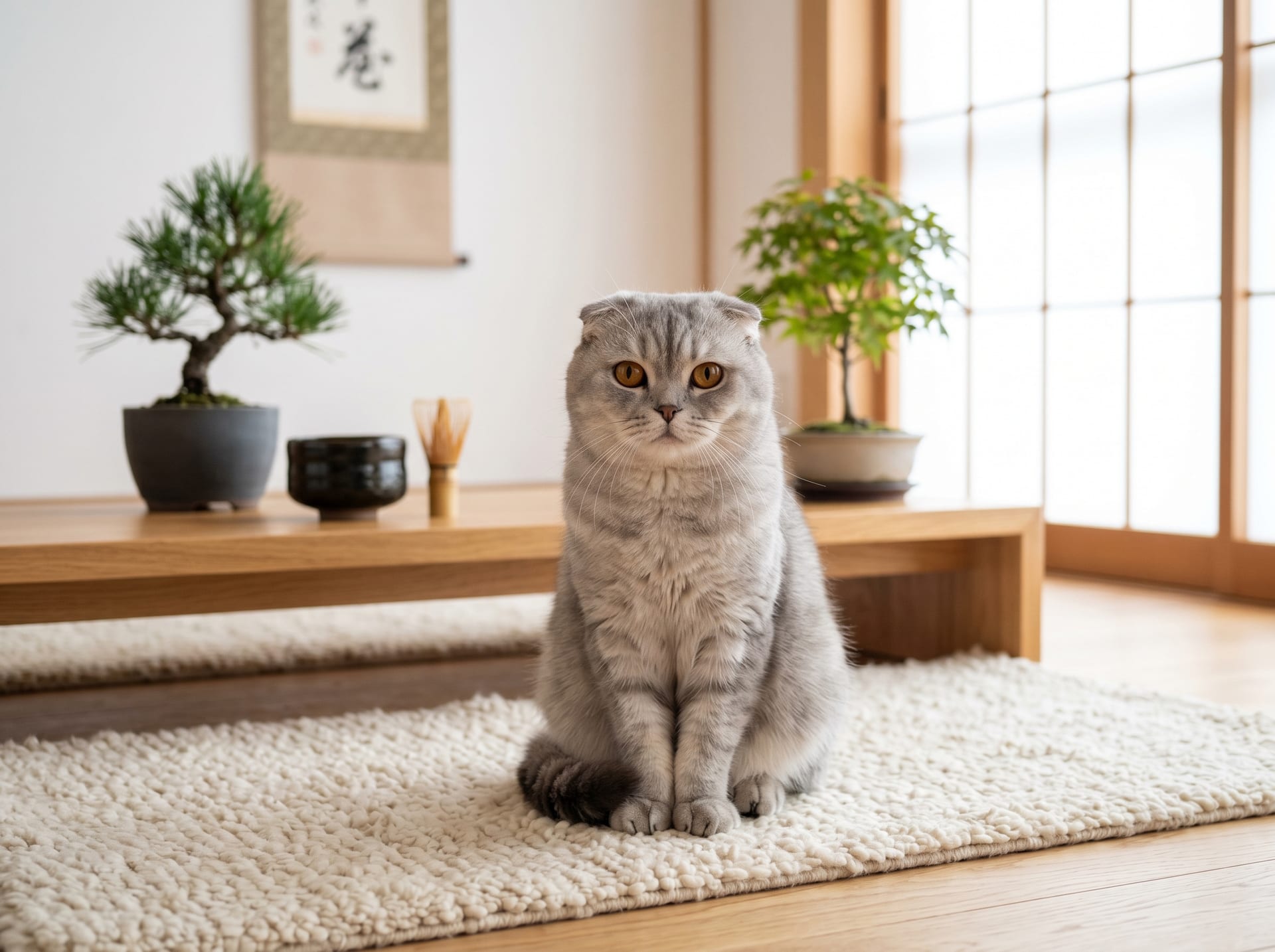
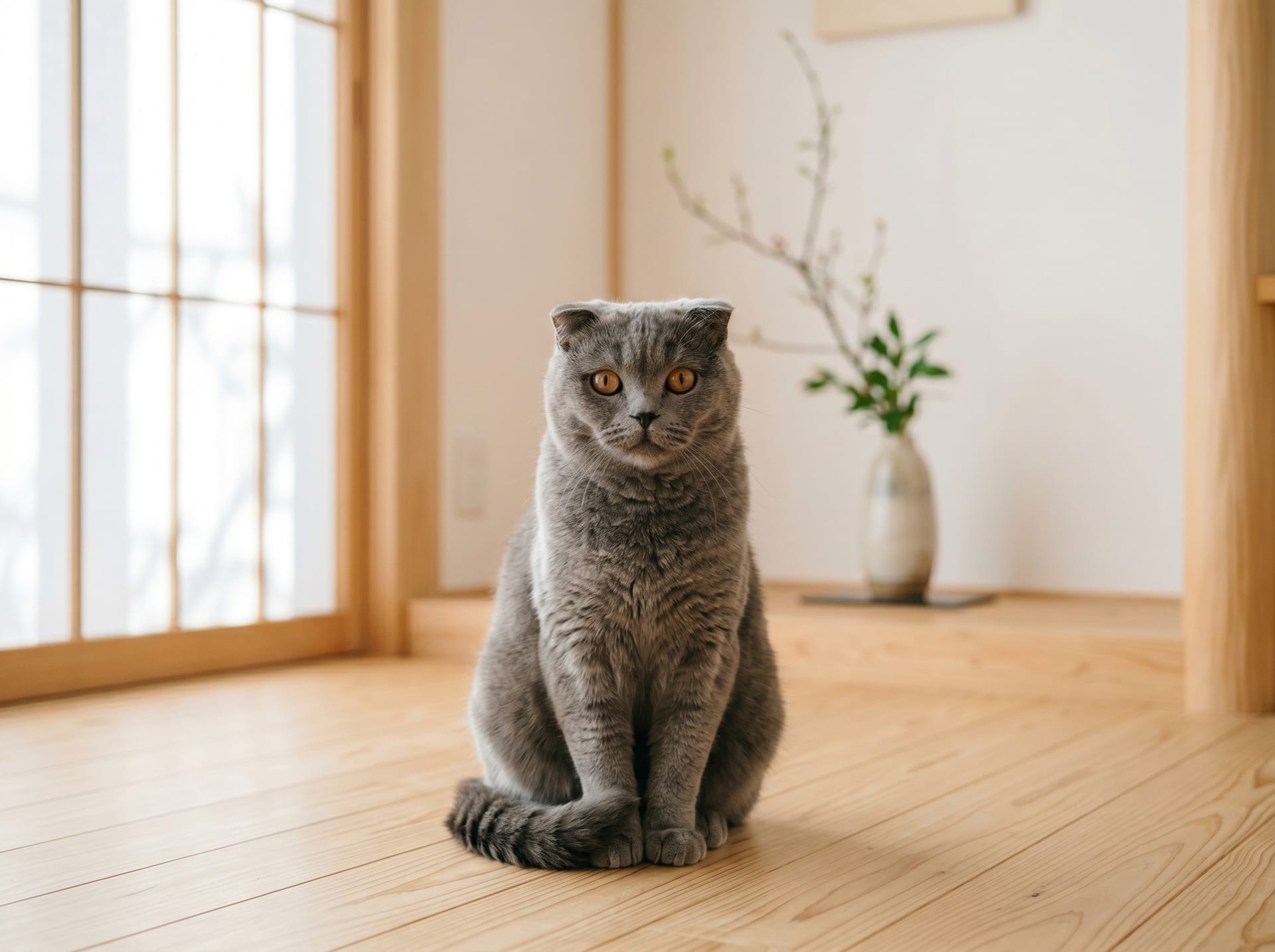
What Kind of Cat Is the Scottish Fold? Basic Characteristics and Temperament
The Scottish Fold is a cat breed originating from Scotland, characterized by distinctly folded ears and large, round eyes. It originated from a natural mutation discovered on a Scottish farm in 1961, and has gained worldwide popularity due to its charming appearance. It is one of the most popular cat breeds in Japan as well.
Basic Information
- Weight: 3–6 kg (males tend to be slightly larger)
- Lifespan: 12–15 years
- Coat: Both short-haired and long-haired varieties exist. A wide range of color variations are available
- Temperament: Gentle and affectionate. They vocalize infrequently and are quiet
- Activity Level: Moderate. They prefer leisurely time to vigorous exercise
Their temperament is exceptionally gentle, and most are very affectionate with their owners and family. They have relatively weak jealousy and territorial instincts, making them well-suited to multi-cat households and living with other animals. However, they are prone to health issues related to the folded ear gene, so it is crucial to bring one home with proper knowledge.
Proper Folded Ear Care
Due to their structure, the Scottish Fold's ears have reduced internal air circulation because the cartilage is folded. This makes them prone to moisture and dirt accumulation, and neglect can easily lead to ear problems.
Ear Cleaning Basics
- Frequency: Approximately 2–4 times per month. Clean more often if visible dirt appears
- Supplies: Pet-specific ear cleanser (ear cleaner) and cotton or gauze
- Cleaning Area: Only the visible area from the ear opening. Do not insert anything deep into the ear
- Cotton Swabs Prohibited: They can push debris deeper or damage the eardrum
It is sufficient to dampen cotton with a small amount of cleanser and gently wipe the area around the ear opening. Scrubbing hard can damage the skin, so wipe gently and softly.
Signs of Ear Trouble
If you notice any of the following symptoms, visit an animal hospital promptly:
- Ear Mites (Ear Mange): Excessive dark or brown granular ear wax, vigorous head shaking, frequent ear scratching
- Otitis Externa: Red ear canal, foul odor, yellow or dark discharge
- Otitis Media/Interna: Head tilt (torticollis), inability to walk straight, vomiting
Understanding Osteochondrodysplasia
The Scottish Fold's folded ears are caused by a genetic mutation affecting cartilage formation. This mutation can affect not only the ear cartilage but also bones and cartilage throughout the body, and is known to cause "osteochondrodysplasia," in which bone lumps form on the limbs and tail.
Easy-to-Miss Early Symptoms
- Slightly dragging feet, awkward gait
- Resisting tail touches, tail movement is limited
- Avoiding jumps to high places
- Frequent "beaver sitting" (sitting with hind legs extended forward)
These changes progress gradually, so owners often notice them late. It is ideal to have the bone condition checked during regular veterinary exams.
Treatment and Management
Osteochondrodysplasia is difficult to cure completely, so the main treatment goal is to slow symptom progression.
- Mild: Slow progression through environmental improvements and weight management
- Moderate: Control pain with pain relievers and anti-inflammatory medications
- Severe: Surgery may be necessary in some cases
When pain is severe, cats may show decreased appetite or increased aggression. Develop the habit of observing your cat's subtle changes daily.
Creating a Living Environment That Reduces Joint Stress
Considering the risk of osteochondrodysplasia, it is important to make efforts to reduce joint stress in daily life.
Housing Environment Tips
- Cat Tower: Avoid very tall towers and choose one with small steps. Low-profile towers or horizontal catwalks are also good options
- Litter Box: Use a box with a low rim that is easy to step over. Avoid deep boxes
- Ramps: Place ramps or step stools for easy access to elevated areas like sofas and beds
- Flooring: Hardwood floors are hard on joints, so use anti-slip mats or rugs
- Bedding: Memory foam beds that support the joints are preferable
These considerations are also effective preventive measures for young cats without osteochondrodysplasia.
Protecting Health Through Diet and Weight Management
Scottish Folds tend to gain weight easily, and obesity directly increases joint stress. Diet management is crucial for extending a healthy lifespan.
Feeding Basics
- Adult Cat Caloric Needs: Approximately 60–80 kcal/kg/day (adjust based on activity level and age)
- Feeding Frequency: Divide meals into 2–3 times daily to prevent overeating
- Body Condition Scoring (BCS): The ideal is to feel the ribs slightly when touching the sides. Be alert if the ribs are visibly prominent or cannot be felt at all
Joint-Supportive Ingredients
- Glucosamine and Chondroitin: Components that serve as building blocks for cartilage. Joint care foods containing these are commercially available
- Omega-3 Fatty Acids (EPA & DHA): Have anti-inflammatory properties and are said to help relieve arthritis
- Low-Calorie, High-Protein: Ideal for maintaining muscle while keeping weight appropriate
When changing food, avoid abrupt transitions. Instead, gradually mix in the new food over 1–2 weeks to prevent digestive upset.
BreederDirect's Safety and Reliability Systems
The most important thing when bringing home a Scottish Fold is choosing a breeder who prioritizes health. Since breeding two folded-eared cats significantly increases the risk of osteochondrodysplasia, responsible breeders always breed folded-eared cats with straight-eared cats (Scottish Straight).
On BreederDirect, you can preview breeder profiles, breeding environments, and breeding practices in detail, allowing you to understand "what conditions the cat was raised in" before inquiring.
Key Points to Confirm with a Breeder
- Are they breeding folded-eared cats with straight-eared cats?
- Do they conduct genetic testing or health screening for osteochondrodysplasia?
- What is their vaccination and deworming status?
- Are the kittens socialized (accustomed to people and environments)?
BreederDirect's strength is that you can directly verify the "health of parent cats" and "breeder philosophy"—things often hidden in pet shops. Welcome a long-term healthy companion from a trustworthy breeder.