Ocicat Care Guide | Wild-Spotted Beauty with Canine-Like Affectionate Temperament
Complete guide to Ocicat care. Learn about the personality, exercise needs, grooming, and nutrition of this short-haired spotted cat breed, born from Abyssinian, Siamese, and American Shorthair crosses. We cover genetic health risks including amyloidosis and hypertrophic cardiomyopathy (HCM), plus how to select a trustworthy breeder.
Key Takeaways
Complete guide to Ocicat care. Learn about the personality, exercise needs, grooming, and nutrition of this short-haired spotted cat breed, born from Abyssinian, Siamese, and American Shorthair crosses. We cover genetic health risks including amyloidosis and hypertrophic cardiomyopathy (HCM), plus how to select a trustworthy breeder.
Related Species
What is an Ocicat?
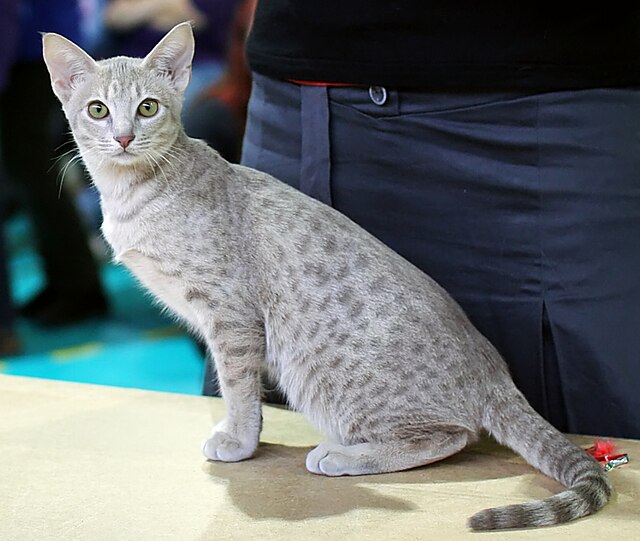
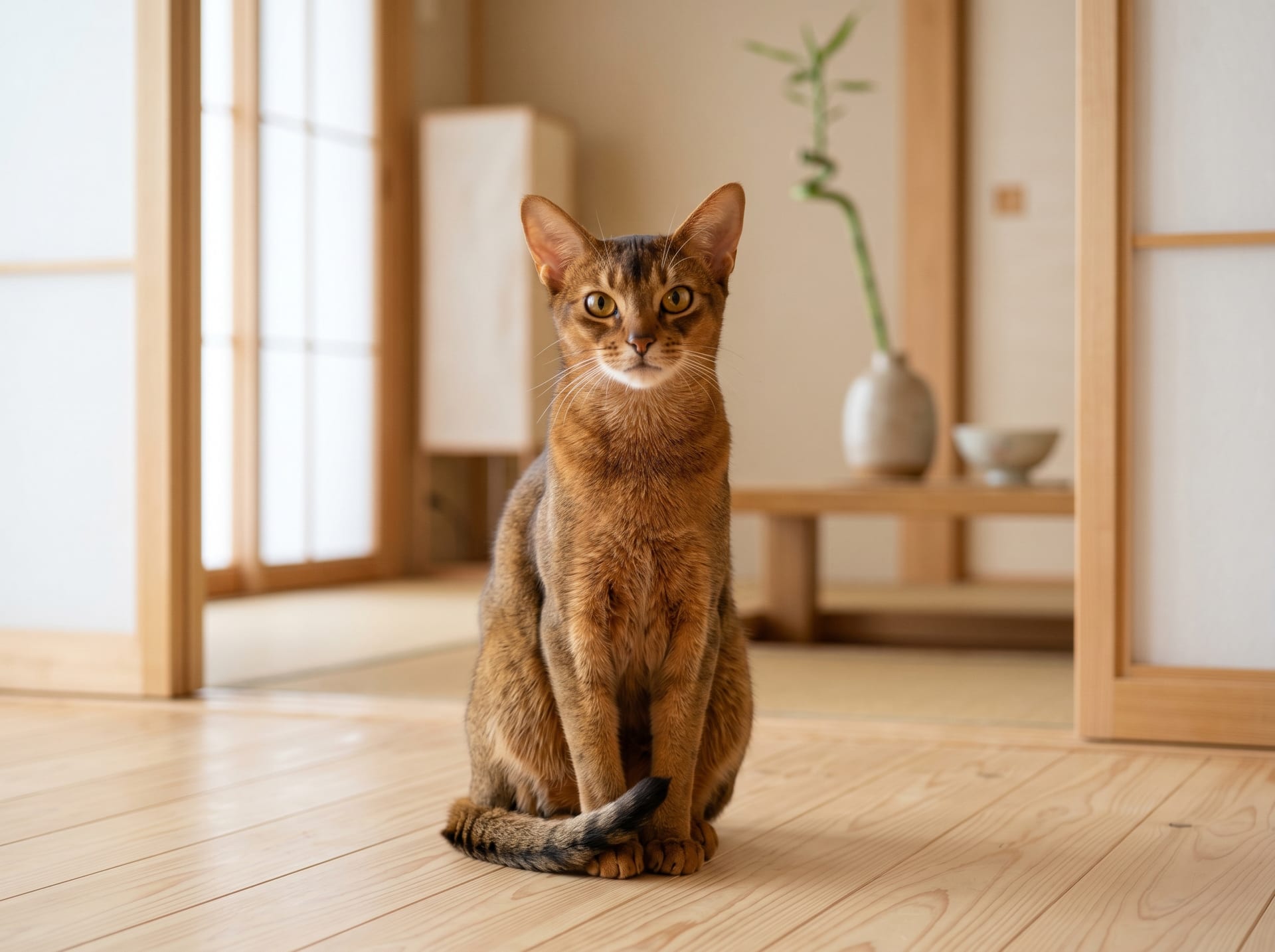
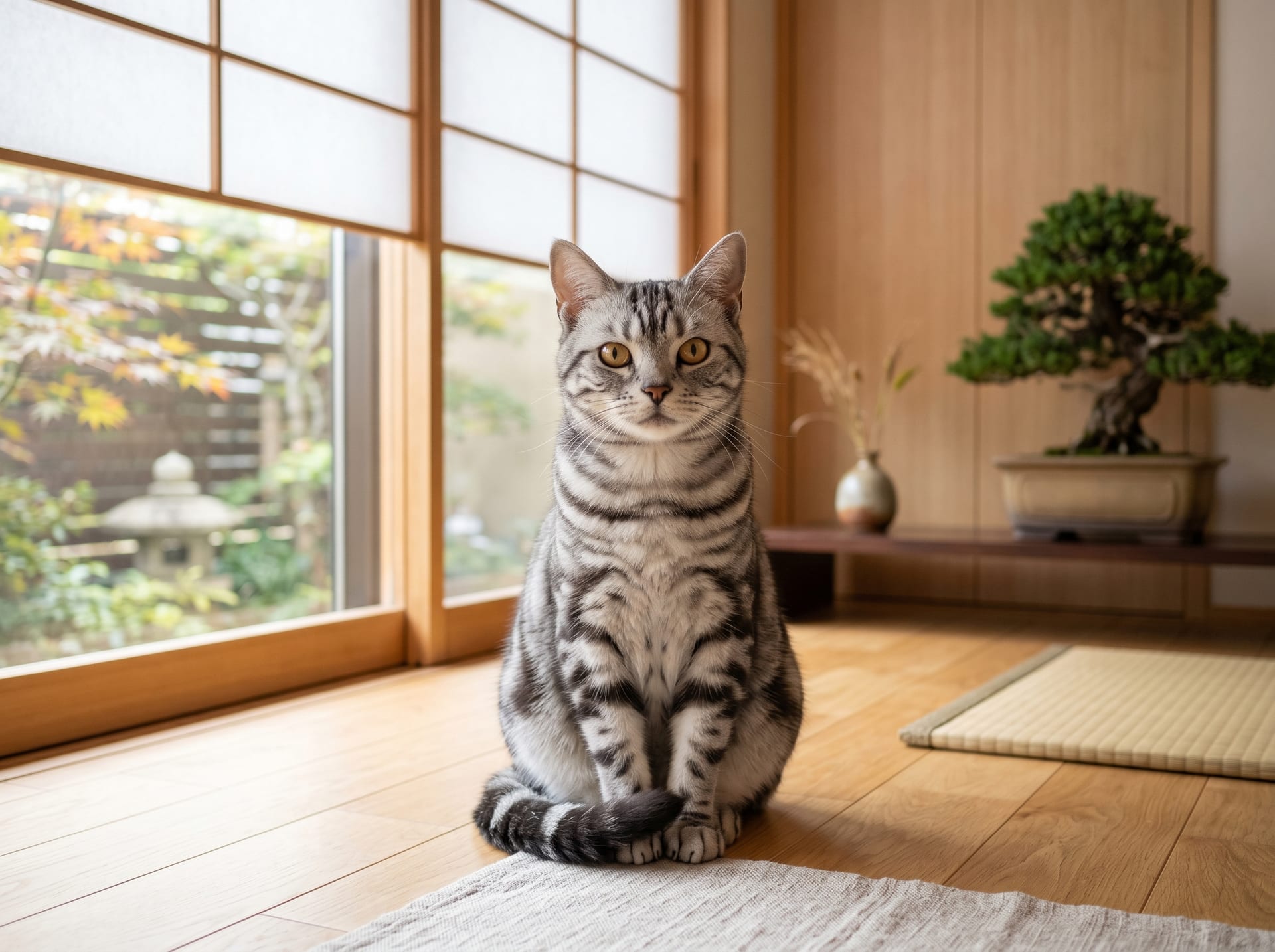
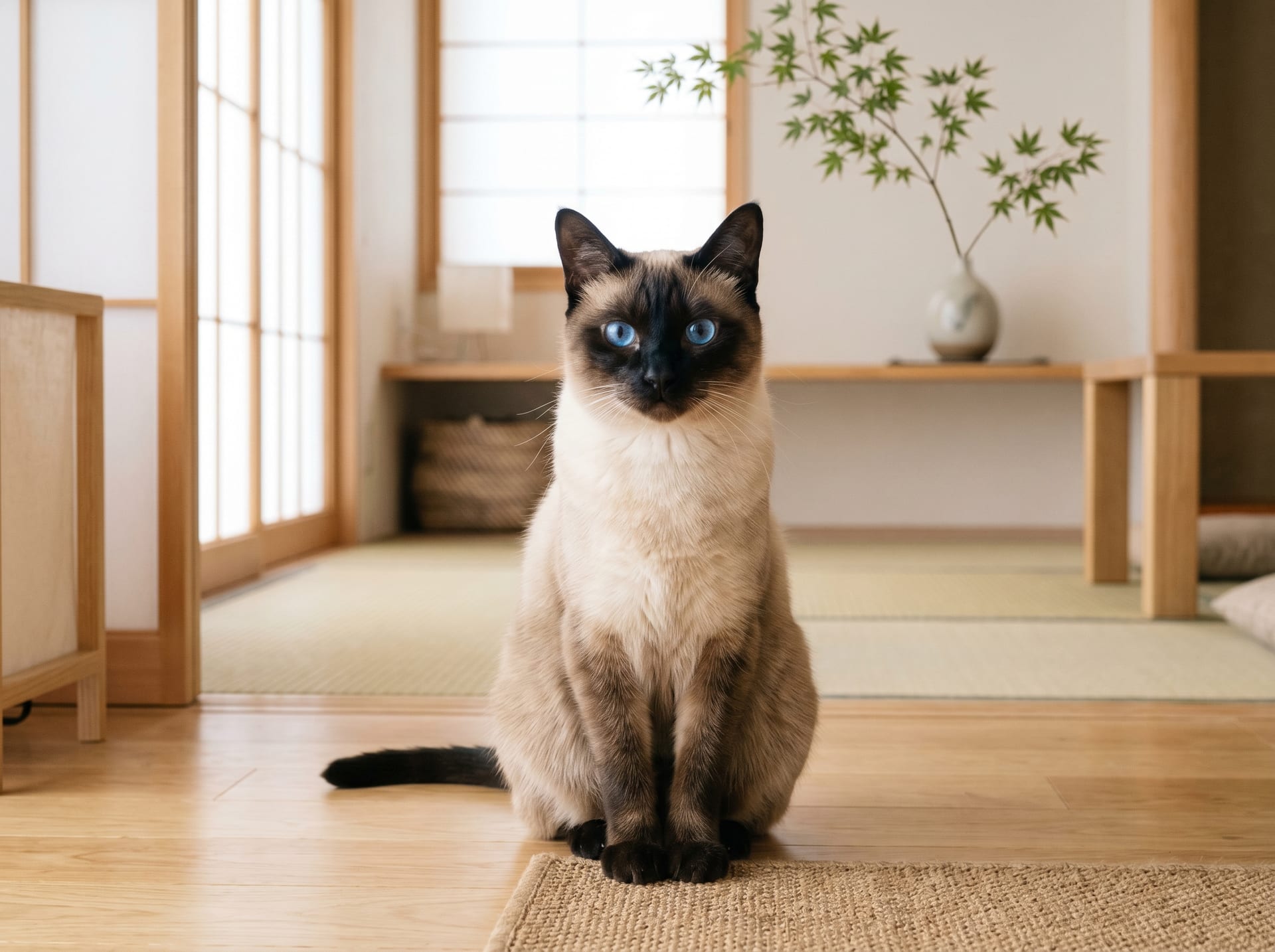
The Ocicat is a cat breed with distinctive spot patterns reminiscent of ocelots, yet fully domesticated for home living. Originating in America in 1964, it's a relatively new breed created by crossing Abyssinians, Siamese, and American Shorthairs. Combining wild appearance with warm sociability, it has become increasingly popular worldwide as a "wild cat you can keep at home."
Basic Specifications
| Item | Details |
|---|---|
| Weight | 3.5–6.5 kg (females slightly smaller) |
| Body Type | Medium to large, muscular with sturdy frame |
| Lifespan | 12–15 years |
| Coat | Short, glossy, fine-textured |
| Colors | 12 colors (tawny, chocolate, cinnamon, blue, lavender, etc.) |
| Pattern | Large spots scattered across entire body (thumbnail-shaped) |
Temperament and Characteristics
Active and Intelligent Companion
Ocicats are highly intelligent and love communicating through play. They exhibit dog-like traits—responding to their names when called and learning fetch games—with many interactive behaviors.
Key Personality Traits
- Friendly and affectionate, readily approaching unfamiliar people
- Playful and intelligent, requiring regular stimulation through toys and puzzle toys
- Possess dog-like qualities, easily learning harness training and tricks
- Independent yet prone to separation anxiety, making them well-suited to multi-cat or multi-pet households
- Relatively quiet, not prone to excessive vocalization
Compatibility with Multiple Pets
Well-suited to living with other cats and dogs; with proper introduction, they coexist without issue. They tend to thrive better in environments with animal companions rather than as only pets.
Living Environment and Supplies
Exercise Space
Ocicats are highly active and love high places. Provide a vertical environment with cat trees, elevated shelves, and ceiling-mounted catwalks to encourage climbing and exploration.
| Supply | Recommendation |
|---|---|
| Cat Tree | Multi-level, at least 180 cm tall |
| Scratching Posts | Multiple types (vertical and horizontal) |
| Hiding Spots | Capsule-style houses or shelf hideaways |
| Enrichment Toys | Puzzle feeders, balls, feather wands |
Indoor Safety Measures
Highly curious with a wide range of movement, Ocicats may learn to open cabinets and drawers. Use locked storage and carefully secure toxic substances and unsuitable foods.
Daily Care
Grooming
As a short-haired breed, grooming is relatively low-maintenance. Weekly to bi-weekly brushing maintains coat shine. Increase frequency during shedding seasons (spring and fall) to manage loose fur.
Nutrition Management
Due to high activity levels, choose complete nutrition formulas appropriate for age and weight.
| Life Stage | Key Points |
|---|---|
| Kitten (up to 12 months) | High-protein, high-calorie kitten formula |
| Adult (1–10 years) | Quality protein-based adult food |
| Senior (10+ years) | Easy-to-digest senior formula, consider joint-support ingredients |
Maintaining a lean physique is essential for health. Obesity increases risk of joint disease and diabetes, so monitor weight regularly and keep your Ocicat within the ideal range of 3.5–6.5 kg.
Dental Care and Regular Checkups
Ocicats are prone to periodontal disease. Establish daily to three-times-weekly tooth brushing, and consider annual to bi-annual professional scaling at your veterinary clinic.
Common Health Issues
As Ocicats carry Abyssinian bloodlines, they may inherit genetic health risks common to that breed.
| Condition | Details |
|---|---|
| Kidney Disease (Amyloidosis) | Abyssinian-derived genetic risk. Regular kidney function testing recommended |
| Periodontal Disease | Easily becomes chronic if oral care is neglected |
| Hypertrophic Cardiomyopathy (HCM) | Early detection possible via cardiac ultrasound. Annual screening recommended |
| Obesity | Common in food-motivated individuals; weight management essential |
Questions for Breeders: Verify that the kitten's parents have been tested for amyloidosis and HCM genetic screening.
Choosing a Breeder
With limited Ocicat breeders in Japan, early research is highly recommended.
Signs of a Reputable Breeder
- Provides comprehensive health certificates and vaccination records
- Allows kittens 8–12 weeks for proper socialization
- Allows you to meet parent cats and demonstrates clean living conditions
- Conducts genetic testing (amyloidosis and HCM screening)
Though Ocicats command premium prices as a rare domestic breed, choosing breeders who invest in sound breeding practices ultimately saves on veterinary costs long-term.
Conclusion
The Ocicat is a unique breed combining wild elegance with affectionate, home-loving temperament. Being highly active and playful, they require ample playtime and a multi-level living environment for happiness. With regular health screenings to monitor kidney and heart health, and selection of a reputable breeder, you can enjoy a fulfilling 10–15 years together.