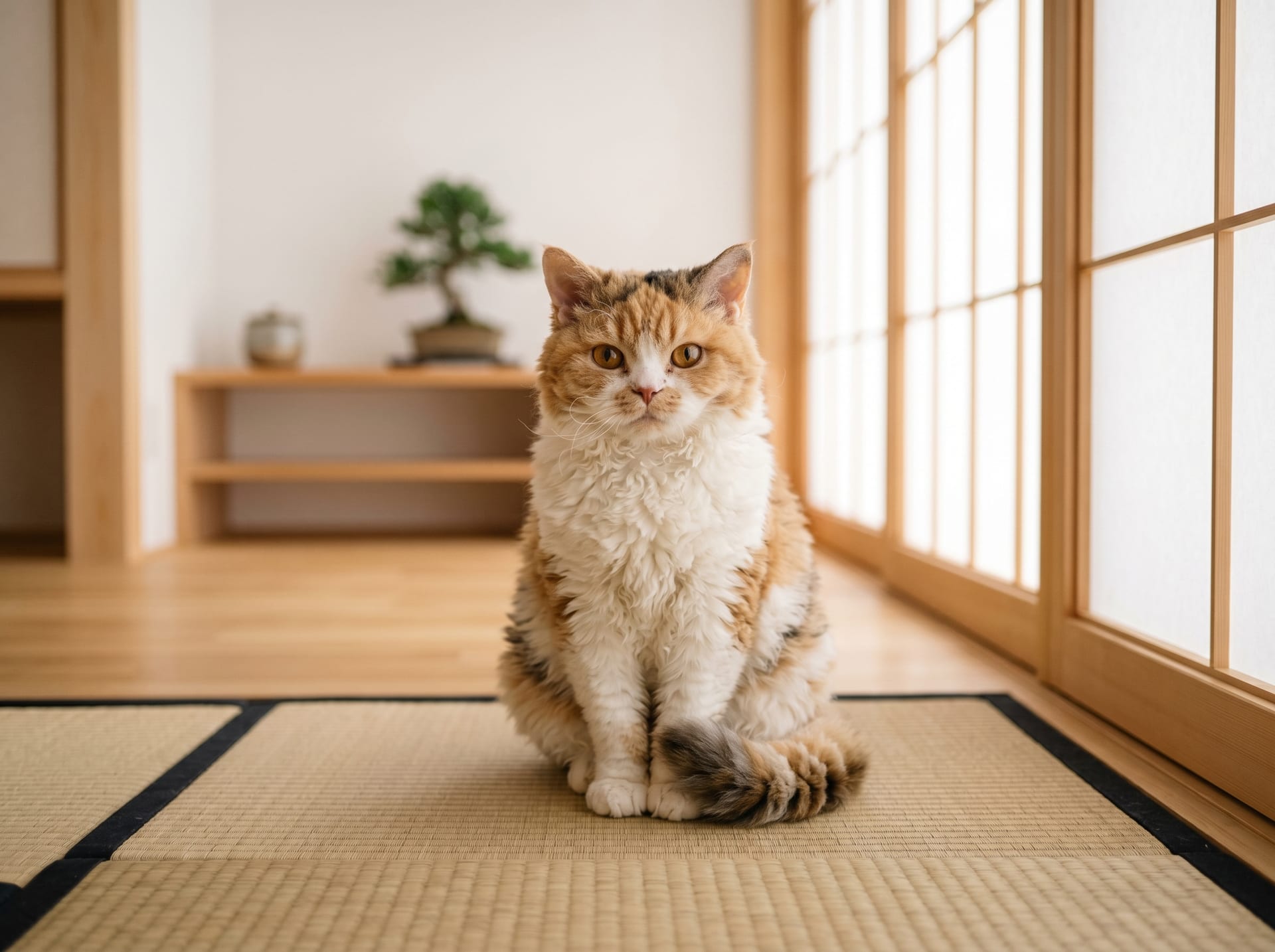
Selkirk Rex
Plush teddy bear-like curly coat. Unlike other Rex breeds, has a sturdy round body. Calm and patient.
View Selkirk Rex encyclopedia →- Price Range
- ¥70,000〜¥238,000
0% commission on your first sales!Register by September 30, 2026 and your first 2 sales are commission-free!
Breeder Wanted!
List on BreederDirect and sell directly to customers nationwide!
4 Trust Pillars We Guarantee at Br-Choku
For all kitten listings, Breeder clearly disclose the following information. To ensure safe and transparent direct sales, Br-Choku requires these legally mandated items.
- MicrochipRequired
- Vaccinated
- Health Checked
- Pedigree Certified
* Microchip implants are now legally required for breeding businesses selling dogs and cats under the Animal Protection Law (effective June 2022).
Secure transaction guarantee
Dogs & cats onlyEvery BreederDirect transaction is covered by our transaction guarantee. If you cannot receive your pet, you will be fully refunded. A health guarantee also covers you after handover.
Learn about transaction safety →Browse all 74 breeds
Verified breeders wanted for Cats
Breeders are signing up now ahead of launch. Subscribe to be notified when new listings go live.
Getting alerts is free with a member account. When new listings match your saved search, we'll notify you by email and in-app.
Browse other categories
Verified breeders (preview)
Selkirk Rex key facts
- Care level
- Beginner-friendly
- Lifespan
- 12-15 years
- Size
- Weight 3-5kg
- Diet
- Complete nutrition cat food. Portion control to prevent obesity.
- Temperament
- Calm and patient. Affectionate but not clingy; nice balanced personality.
- Exercise
- Enjoys moderate play. Calm but likes playing with toys.
- Coat Care
- Curly coat prone to matting. Brush 2-3 times weekly.
- Origin
- United States
- Notes
- Risk of PKD. Watch for HCM.
About Selkirk Rex
The Selkirk Rex traces its origins to a single curly-coated kitten born at a Montana shelter in 1987. Developed through careful crossing with breeds such as the Persian and British Shorthair, it is distinct from other Rex breeds in that its curl results from a natural dominant mutation rather than a recessive one. The breed has a notably sturdy, rounded physique, with full cheeks and large round eyes that give it an unmistakably plush appearance. Both shorthaired and longhaired varieties exist, and each cat's curl pattern is uniquely its own. In temperament, the Selkirk Rex is calm, patient, and affectionate—comfortable in multi-pet households and family settings. Its easygoing nature makes it a manageable choice for first-time cat owners. With its teddy-bear looks and warm personality, the Selkirk Rex brings a distinctive, comforting presence to any home.
7 things to know before welcoming a Selkirk Rex
1Grooming the Curly Coat
The curly coat is prone to tangling, so brushing two to three times a week is recommended. Use your fingers or a wide-tooth comb and work gently to avoid stretching the curls. Long-haired Selkirks require extra attention to prevent matting.
2Sturdy Build and Exercise
Selkirk Rex cats are considerably more muscular than other Rex breeds, with adults often weighing between 4 and 6 kg. They prefer calm play over intense activity, but daily interactive sessions are still important to prevent weight gain. A cat tree and engaging toys help keep them active.
3Gentle, Social Temperament
Selkirk Rex cats are remarkably easygoing and patient, making them well-suited to households with children or other animals. They enjoy companionship and are affectionate without being demanding. Their calm disposition makes them a good fit for quieter home environments.
4Genetic Health Considerations
Due to crossbreeding with Persians and British Shorthairs, Selkirk Rex cats can be predisposed to polycystic kidney disease (PKD) and hypertrophic cardiomyopathy (HCM). When purchasing from a breeder, ask whether genetic screening has been performed. Regular veterinary checkups are strongly advised.
5Coat Changes in Kittenhood
Selkirk Rex kittens are born with curls, but the coat may temporarily loosen or appear almost straight around six months of age. This is a normal part of development, and the characteristic curls usually return as the cat matures. Coat texture varies significantly between individuals.
6Expected Ownership Costs
As a pedigree breed, Selkirk Rex kittens typically range from around ¥150,000 to ¥350,000. They are relatively rare in Japan, so finding a reputable breeder may take time. Budget for ongoing costs such as food, veterinary care, and grooming supplies as well.
7Training and Communication
Selkirk Rex cats are intelligent and curious, making litter training and carrier habituation relatively straightforward. Their gentle nature responds better to positive reinforcement than scolding. Regular interaction through talking and gentle handling helps build a strong bond with this breed.
Frequently asked questions about Selkirk Rex
- Q.Do Selkirk Rex cats shed a lot?
- A.Shedding varies by individual, but the curly coat tends to trap loose hair rather than letting it scatter. Regular brushing is still needed to remove tangles and prevent mats from forming.
- Q.Is the Selkirk Rex suitable for allergy sufferers?
- A.The Selkirk Rex is not considered hypoallergenic and produces the Fel d 1 protein that commonly triggers cat allergies. Those with sensitivities are advised to spend time with the breed in person before committing to ownership.
- Q.Can they live with other cats or dogs?
- A.Thanks to their gentle and sociable nature, Selkirk Rex cats generally adapt well to living with other cats or calm dogs. As with any animals, a gradual introduction period is always recommended.
- Q.Which is more popular, shorthaired or longhaired?
- A.Shorthaired Selkirks are more commonly available in Japan, though longhaired individuals are gaining popularity for their especially plush appearance. Both varieties share the same curly coat trait, but the longhaired type requires more frequent grooming.
- Q.Are the curls permanent? Is the trait hereditary?
- A.The curls can change during kittenhood but typically stabilize in adulthood. The Selkirk Rex curl gene is dominant, meaning that even when crossed with a straight-haired cat, approximately 50% of kittens will inherit the curly coat.
Useful tools for Selkirk Rex care
Learn more about Selkirk Rex in the encyclopedia
View Selkirk Rex encyclopedia entry →
Care difficulty, lifespan, size and diet — all basics covered.
More in this category
Can't find the one you're looking for?
Post your wishes for free and breeders with matching animals will contact you with introductions.