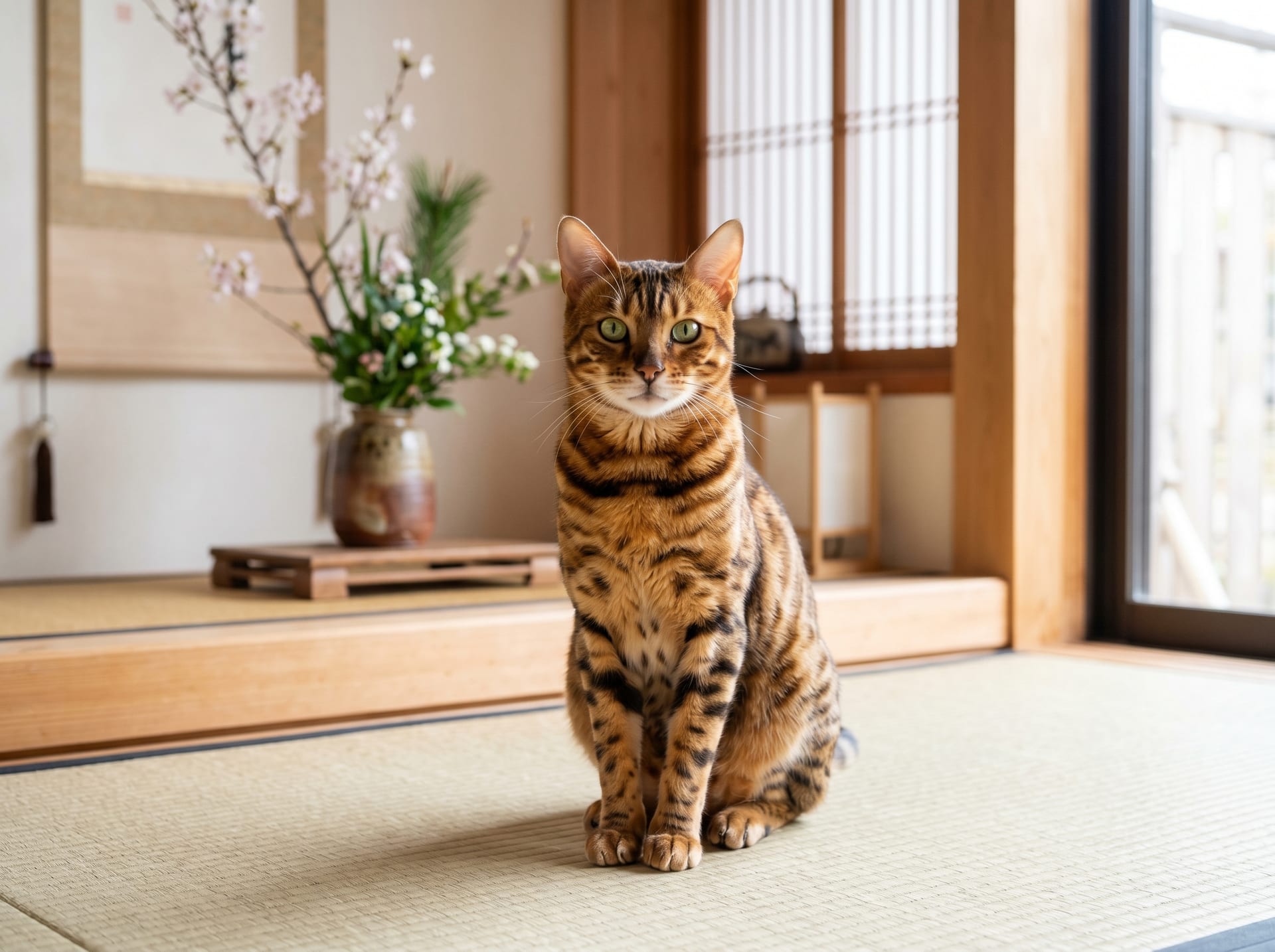
Bengal
Wild-looking spotted or marbled breed with high energy and intelligence. Requires plenty of stimulation.
View Bengal encyclopedia →- Price Range
- ¥70,000〜¥238,000
0% commission on your first sales!Register by September 30, 2026 and your first 2 sales are commission-free!
Breeder Wanted!
List on BreederDirect and sell directly to customers nationwide!
4 Trust Pillars We Guarantee at Br-Choku
For all kitten listings, Breeder clearly disclose the following information. To ensure safe and transparent direct sales, Br-Choku requires these legally mandated items.
- MicrochipRequired
- Vaccinated
- Health Checked
- Pedigree Certified
* Microchip implants are now legally required for breeding businesses selling dogs and cats under the Animal Protection Law (effective June 2022).
Secure transaction guarantee
Dogs & cats onlyEvery BreederDirect transaction is covered by our transaction guarantee. If you cannot receive your pet, you will be fully refunded. A health guarantee also covers you after handover.
Learn about transaction safety →Browse all 74 breeds
Verified breeders wanted for Cats
Breeders are signing up now ahead of launch. Subscribe to be notified when new listings go live.
Getting alerts is free with a member account. When new listings match your saved search, we'll notify you by email and in-app.
Browse other categories
Verified breeders (preview)
Bengal key facts
- Care level
- Intermediate
- Lifespan
- 12-16 years
- Size
- Weight 3.5-7kg
- Diet
- High-protein, low-carb cat food. Combination of wet and dry food recommended.
- Temperament
- Active, curious, and highly intelligent. Can become destructive if bored.
- Exercise
- High daily exercise and play needs. Cat trees and agility play are effective.
- Coat Care
- Short, dense coat; relatively easy to maintain. Weekly brushing sufficient.
- Origin
- United States (hybrid of Asian Leopard Cat)
- Notes
- Prone to stress without adequate exercise and enrichment. Spacious environment and toys essential.
About Bengal
The Bengal is a relatively modern breed originating in the 1960s–70s, when American geneticist Jean Mill crossed domestic cats with the Asian Leopard Cat. Its name derives from the leopard cat's scientific name, Felis bengalensis. The breed's most striking feature is its wild-looking spotted or marbled coat, with some individuals displaying a shimmering quality known as "glitter." Bengals have a muscular, athletic build and exceptional agility. In temperament, they are curious, affectionate, and enjoy interactive play with their owners, while also maintaining a degree of independence. Their combination of high intelligence and energy makes them a rewarding companion for engaged owners, though they are best suited to households that can provide ample time, space, and stimulation.
7 things to know before welcoming a Bengal
1High Exercise Needs
Bengals are among the most active domestic cat breeds, constantly running, climbing, and leaping throughout the day. Without adequate cat trees and daily interactive play sessions, they may redirect their energy into destructive behavior. Aim for at least two play sessions of 15–20 minutes each day.
2Many Bengals Love Water
Many Bengals are fascinated by water and may dip their paws into bowls or chase running faucets. Providing a circulating water fountain can satisfy this curiosity while encouraging hydration. Be sure to keep bathroom doors closed to prevent accidental falls into tubs or toilets.
3Vocal and Communicative
Bengals are expressive and vocal, often meowing loudly when bored or seeking attention. This can be a consideration in apartments or shared housing due to noise. Meeting their physical and mental stimulation needs consistently is the most effective way to reduce excessive vocalization.
4Loves to Climb High
Bengals instinctively seek out high vantage points and may claim the tops of refrigerators or shelves as their territory. Tall cat trees and wall-mounted catwalks give them a safe outlet for this climbing drive. Clear unstable items from high shelves to prevent accidents before bringing a Bengal home.
5Watch for Genetic Health Issues
Bengals have a known predisposition to genetic conditions such as hypertrophic cardiomyopathy (HCM) and progressive retinal atrophy (PRA-b). When purchasing from a breeder, ask for genetic test results for the parent cats. Annual veterinary checkups including cardiac auscultation and eye exams are recommended.
6Dislikes Long Periods Alone
Bengals are social cats that can develop behavioral problems when left alone for extended periods. In households where owners are away during the day, consider a feline companion or enrichment toys to keep them stimulated. Using a pet camera to monitor their behavior remotely is also a helpful practice.
7Estimated Ownership Costs
Bengal kittens typically range from approximately 150,000 to 400,000 yen depending on lineage and quality. Monthly ongoing costs for food, litter, and routine veterinary care generally fall between 10,000 and 20,000 yen. Given the breed's predisposition to certain genetic conditions, enrolling in pet insurance is worth considering.
Frequently asked questions about Bengal
- Q.Are Bengals suitable for first-time cat owners?
- A.Bengals are generally considered better suited to owners with prior cat experience due to their high activity levels and strong need for mental stimulation. First-time owners can successfully care for a Bengal if they are well-prepared and can commit the necessary time and environment.
- Q.Can Bengals be kept by someone living alone?
- A.Bengals can be kept by those living alone, but long hours of absence can lead to boredom and stress. Keeping a second cat as a companion or committing to dedicated playtime after returning home can help meet their social and stimulation needs.
- Q.Is it possible to keep a Bengal in an apartment?
- A.Keeping a Bengal in an apartment is possible with appropriate preparation. Providing vertical spaces such as cat trees and shelves is important to accommodate their active nature indoors. Soundproofing considerations and awareness of noise for neighbors should also be factored in beforehand.
- Q.Is coat maintenance difficult for Bengals?
- A.Bengals have a short, sleek coat that sheds relatively little compared to many other breeds. Weekly brushing once or twice is usually sufficient to keep their coat in good condition. Shedding may increase slightly during seasonal coat changes.
- Q.What is the average lifespan of a Bengal cat?
- A.The average lifespan of a Bengal cat is generally estimated at 12 to 16 years. A balanced diet, regular veterinary checkups, and a low-stress environment contribute to longevity. Periodic cardiac and eye examinations are also recommended given the breed's known genetic health risks.
Useful tools for Bengal care
Learn more about Bengal in the encyclopedia
View Bengal encyclopedia entry →
Care difficulty, lifespan, size and diet — all basics covered.
Bengal related articles
Complete Guide to Raising Bengal Cats | Understanding Their Wild Beauty and Active Personality
Thorough explanation of Bengal cat care. Covering high activity levels, high-protein diet, HCM genetic disease prevention, and enrichment.
Cat Breed Personality & Ease of Care Comparison Guide 2026 Edition | Beginner-Friendly Recommended Ranking
Compare personality, activity level, and care difficulty of popular breeds like American Shorthair, Scottish Fold, Ragdoll, and Bengal by lifestyle. A beginner's guide to breed selection.
Cat Breed-Specific Health Risks and Genetic Disease Guide | From Scottish Fold to Maine Coon
A veterinary perspective on genetic diseases and health risks common to popular cat breeds including Scottish Fold, Maine Coon, Persian, and Bengal. Essential breed-specific medical knowledge to understand before bringing a cat into your home.
More in this category
Can't find the one you're looking for?
Post your wishes for free and breeders with matching animals will contact you with introductions.