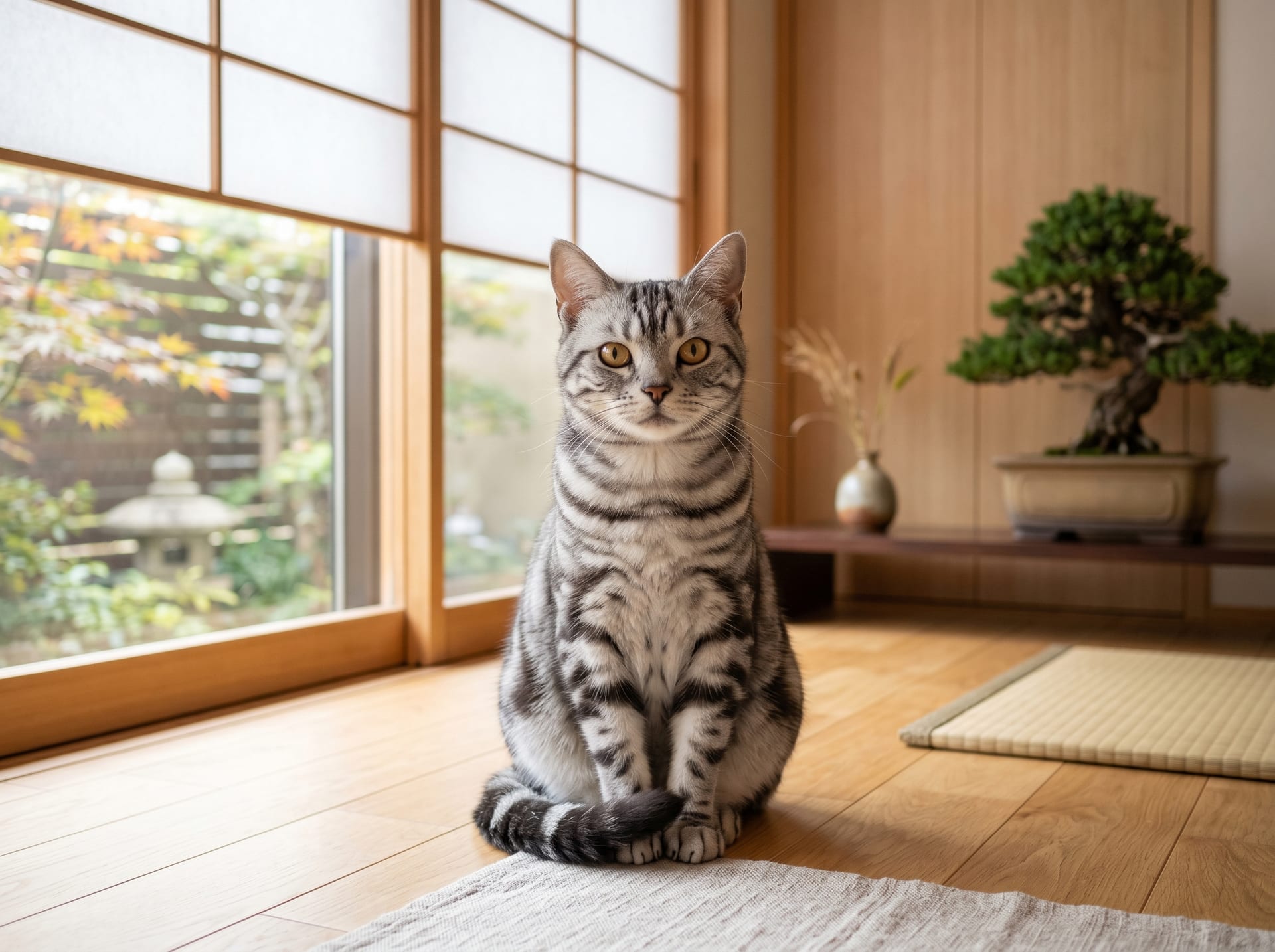
Robust, balanced breed with a gentle temperament. Silver tabby is iconic. Popular family cat for generations.
View American Shorthair encyclopedia →First 3 sales - 0% commission!Register as a breeder by July 31, 2026 and your first 3 sales are commission-free!
Breeder Wanted!
List on BreederDirect and sell directly to customers nationwide!
For all kitten listings, Breeder clearly disclose the following information. To ensure safe and transparent direct sales, Br-Choku requires these legally mandated items.
* Microchip implants are now legally required for breeding businesses selling dogs and cats under the Animal Protection Law (effective June 2022).
Every br-choku transaction is covered by our transaction guarantee. If you cannot receive your pet, you will be fully refunded. A health guarantee also covers you after handover.
Price
Region
Attributes
Breeders are signing up now ahead of launch. Subscribe to be notified when new listings go live.
Getting alerts is free with a member account. When new listings match your saved search, we'll notify you by email and in-app.
Are you raising cats?
Register as a breeder and connect with buyers directly.
The American Shorthair's origins trace back to the 17th century, when cats arrived in North America aboard ships like the Mayflower. Surviving the hardships of frontier life shaped the breed into a hardy, adaptable animal through natural selection over generations. Formal breeding programs in the 20th century refined its physique and established the wide variety of coat patterns we recognize today. Physically, the breed is medium to large in size, with a well-muscled body, rounded face, and a short, dense coat — the silver tabby being the most iconic. Temperamentally, American Shorthairs are calm and moderately sociable, appreciating human company without being overly demanding. They tend to be quiet cats, which makes them well-suited to apartment living and a wide range of household environments.
1Over 80 Coat Colors
American Shorthairs are recognized in over 80 color and pattern combinations. While the silver tabby is the most iconic, brown tabby, solid, and bicolor varieties are equally popular. Researching your preferred look beforehand makes communication with breeders much smoother.
2Prone to Weight Gain
Many American Shorthairs have hearty appetites and can easily become overweight if fed freely. Once fully grown, measuring daily portions and keeping treats to under 10% of total calories is advisable. Building a habit of regular weigh-ins helps catch changes early.
3Watch for Heart Issues
American Shorthairs are among the breeds with a known risk for hypertrophic cardiomyopathy (HCM). Regular veterinary check-ups including cardiac auscultation, and echocardiography when recommended, are important. Before purchasing, ask your breeder about the cardiac screening history of the parent cats.
4Moderate Exercise Needed
Though not hyperactive, the American Shorthair benefits from 15–20 minutes of interactive play each day to maintain its muscular build. Simple toys like feather wands or balls work well. Without enough activity, boredom and weight gain can become issues, so consistent play sessions matter.
5Independent by Nature
American Shorthairs tend to show affection on their own terms rather than constantly seeking attention. They handle time alone reasonably well, making them a good match for single-person households. Respecting their pace and avoiding forced interactions helps them feel secure and reduces stress.
View American Shorthair encyclopedia entry →
Care difficulty, lifespan, size and diet — all basics covered.
Ocicat Care Guide | Wild-Spotted Beauty with Canine-Like Affectionate Temperament
Complete guide to Ocicat care. Learn about the personality, exercise needs, grooming, and nutrition of this short-haired spotted cat breed, born from Abyssinian, Siamese, and American Shorthair crosses. We cover genetic health risks including amyloidosis and hypertrophic cardiomyopathy (HCM), plus how to select a trustworthy breeder.
American Shorthair Care Guide | Hardy, Easy-to-Keep Popular Cat Breed
A detailed guide to raising American Shorthair cats. From personality and characteristics to necessary diet, exercise, and health management, we explain the reasons why they are easy to keep and caution about hereditary diseases (cardiomyopathy) in a way that is easy to understand even for first-time cat owners.
Cat Breed Personality & Ease of Care Comparison Guide 2026 Edition | Beginner-Friendly Recommended Ranking
Compare personality, activity level, and care difficulty of popular breeds like American Shorthair, Scottish Fold, Ragdoll, and Bengal by lifestyle. A beginner's guide to breed selection.
5 Recommended Cat Breeds for First-Time Cat Owners | Carefully Selected Easy-to-Care-for Breeds
5 Cat Breeds for Beginners. Explains characteristics of easy-to-care-for breeds including Scottish Fold, American Shorthair, and Ragdoll.
6Brush 1–2 Times Weekly
The short, dense coat is relatively low-maintenance, but shedding increases during spring and autumn molting seasons. Brushing once or twice a week removes loose hair and reduces the risk of hairball ingestion. Getting kittens accustomed to grooming early makes the routine much easier as they mature.
7Know the Upfront Costs
Purchase prices from reputable breeders typically range from around 150,000 to 400,000 yen, varying by pedigree and coat color. Additional startup costs include a carrier, litter setup, initial vaccinations, and spay/neuter surgery. Estimating the full budget before bringing a kitten home helps avoid surprises.