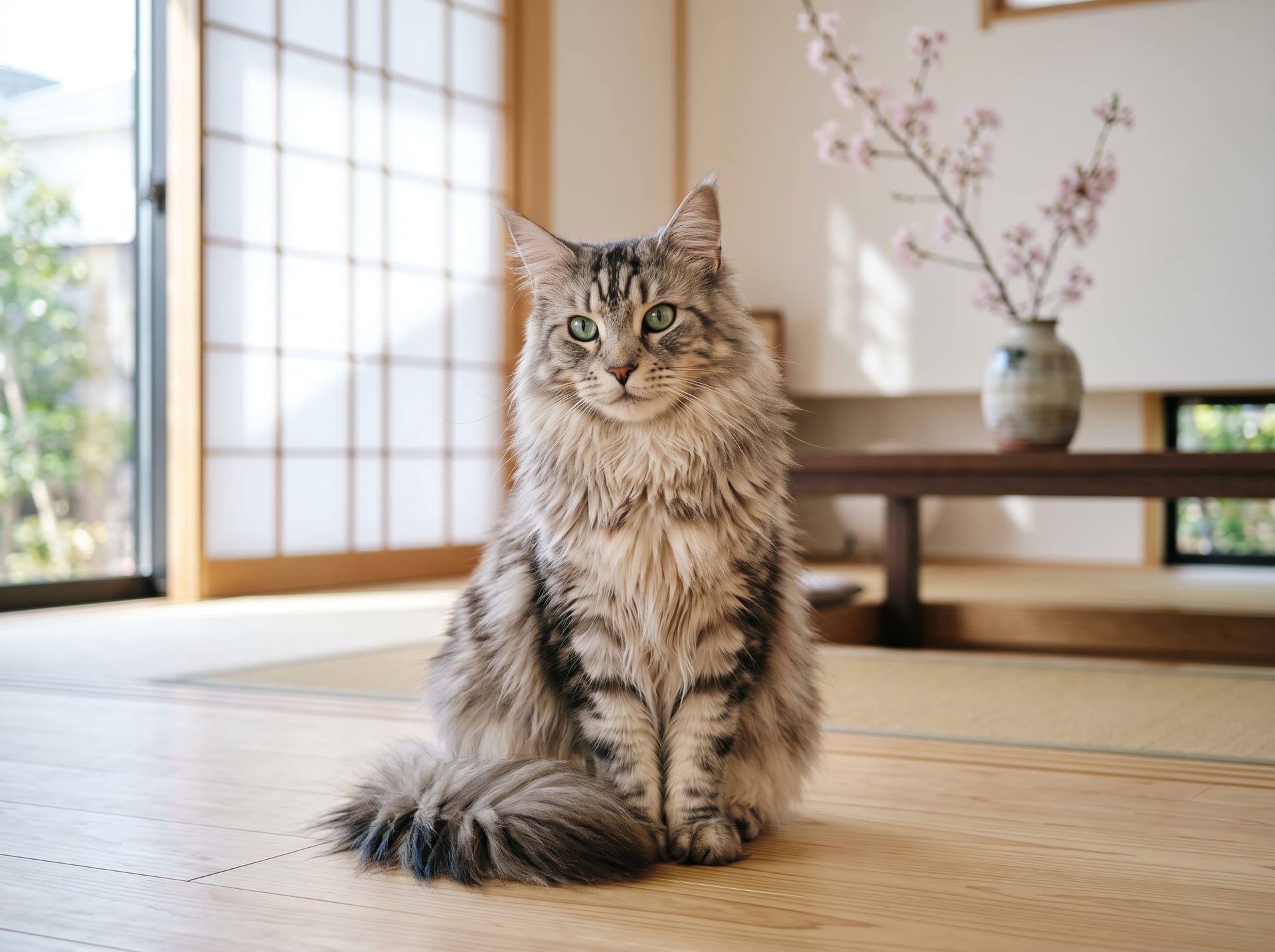
Maine Coon
Large semi-longhaired breed with a bushy tail and tufted ears. Dog-like personality; intelligent and playful.
View Maine Coon encyclopedia →0% commission on your first sales!Register by September 30, 2026 and your first 2 sales are commission-free!
Breeder Wanted!
List on BreederDirect and sell directly to customers nationwide!
4 Trust Pillars We Guarantee at Br-Choku
For all kitten listings, Breeder clearly disclose the following information. To ensure safe and transparent direct sales, Br-Choku requires these legally mandated items.
- MicrochipRequired
- Vaccinated
- Health Checked
- Pedigree Certified
* Microchip implants are now legally required for breeding businesses selling dogs and cats under the Animal Protection Law (effective June 2022).
Secure transaction guarantee
Dogs & cats onlyEvery BreederDirect transaction is covered by our transaction guarantee. If you cannot receive your pet, you will be fully refunded. A health guarantee also covers you after handover.
Learn about transaction safety →Browse all 88 breeds
Verified breeders wanted for Cats
Breeders are signing up now ahead of launch. Subscribe to be notified when new listings go live.
Getting alerts is free with a member account. When new listings match your saved search, we'll notify you by email and in-app.
Browse other categories
Verified breeders (preview)
Maine Coon key facts
- Care level
- Beginner-friendly
- Lifespan
- 12-15 years
- Size
- Weight 4-9kg (males can be larger)
- Diet
- Large-breed or high-protein complete food. Adequate hydration is important.
- Temperament
- Social with dog-like loyalty. Gets along with children and other pets.
- Exercise
- Active and playful. Enjoys interactive toys and climbing to high places.
- Coat Care
- Semi-long double coat. Brush 2-3 times per week to prevent matting.
- Origin
- United States (Maine)
- Notes
- Risk of HCM and hip dysplasia. Regular vet screening important.
About Maine Coon
The Maine Coon originated in the state of Maine, USA, where it served as a working farm cat during the pioneer era. Its dense, three-layered coat and large, tufted paws are thought to have developed as adaptations to the harsh northeastern winters, and they remain among the breed's most defining features today. Adult males can weigh 5–8 kg, with body length exceeding 40 cm. The breed's voluminous, squirrel-like tail and distinctive lynx-tipped ears are especially prized by enthusiasts. Personality-wise, Maine Coons are curious and affectionate yet retain a certain independence; their habit of responding to their name and their fondness for water are key reasons they earn the nickname "the dog of the cat world." Daily care requires consistent brushing due to the semi-long coat, and regular cardiac screening is advisable given the breed's elevated HCM risk. These routines naturally invite daily interaction, which is precisely what makes the Maine Coon such a deeply rewarding companion.
Featured breeders for Maine Coon
See all Maine Coon breeders (1) →7 things to know before welcoming a Maine Coon
1Slow to Reach Full Size
Maine Coons are slow developers and may take 3–5 years to fully mature. Adult males often reach 6–9 kg and females 4–6 kg, so plan ahead for oversized litter boxes, bowls, and beds. Proper nutrition during the growth phase is especially important.
2Coat Needs Regular Brushing
The semi-long coat tangles easily and benefits from brushing 2–3 times a week. Pay extra attention to the armpits and neck area where mats tend to form. During shedding seasons in spring and autumn, increasing brushing frequency helps manage loose fur.
3Needs Space to Move
Their large, active build calls for vertical space such as tall cat trees and shelves. Cramped environments can cause stress, so a spacious living area is ideal. Daily interactive play sessions with wand toys or puzzle feeders help keep them mentally stimulated.
4Many Enjoy Playing with Water
Many Maine Coons are fascinated by water and may splash in their water bowl or bat at running taps. A circulating water fountain often encourages better hydration. Placing a waterproof mat under the water station makes cleanup easier.
5Watch for Heart Disease Risk
Maine Coons have a reported genetic predisposition to hypertrophic cardiomyopathy (HCM). Regular cardiac screenings, including echocardiograms, are worth discussing with your vet. Choosing kittens from parents that have been HCM-tested may help reduce risk.
6Social and Dislikes Being Alone
Maine Coons thrive on companionship and can become stressed with prolonged solitude. They tend to do well in multi-pet households or homes where someone is often present. Providing puzzle toys and environmental enrichment can help during periods when they are left alone.
7Higher Lifetime Costs
As a large breed, Maine Coons consume more food, use more litter, and may incur higher veterinary costs than average-sized cats. Kitten prices from breeders typically range from around 150,000 to 400,000 yen. Enrolling in pet insurance early is worth considering given the breed's known health risks.
Frequently asked questions about Maine Coon
- Q.Can I keep a Maine Coon in a rental apartment?
- A.A Maine Coon can live in a pet-friendly rental, but as a large breed, vocalizations and running sounds carry easily, so soundproofing considerations matter. Providing ample cat trees and scratching posts helps reduce stress and protects the property.
- Q.How much grooming does the long coat require?
- A.Aim for 2–3 brushing sessions per week, daily during spring and autumn shedding seasons. Their coat is less prone to matting than some fully long-haired breeds, but the flanks and belly need extra attention to prevent tangles.
- Q.Do Maine Coons get along with children and other pets?
- A.Their sociable nature makes them generally adaptable to children, dogs, and other cats. That said, introductions should always be gradual and calm, and children should be taught how to handle cats gently beforehand.
- Q.What is the average lifespan of a Maine Coon?
- A.Maine Coons typically live around 12–15 years. Early detection of HCM through regular cardiac check-ups and maintaining a healthy weight are among the most important factors contributing to a long life.
- Q.What is the approximate monthly cost of owning a Maine Coon?
- A.Expect to spend roughly ¥10,000–¥15,000 per month on food, litter, and consumables — about 10–20% more than a smaller cat. Adding pet insurance (around ¥3,000–¥5,000/month) brings the total to approximately ¥15,000–¥20,000, which is a comfortable planning benchmark.
Useful tools for Maine Coon care
Learn more about Maine Coon in the encyclopedia
View Maine Coon encyclopedia entry →
Care difficulty, lifespan, size and diet — all basics covered.
Maine Coon related articles
Complete Guide to Raising Maine Coons | Large Cat Coat Care, Diet Management, and Common Health Issues
A comprehensive beginner's guide to raising Maine Coons. Learn about the feeding requirements of the world's largest cat breed, coat brushing techniques, prevention of hypertrophic cardiomyopathy (HCM), joint care, and how to set up an ideal indoor environment.
Cat Breed-Specific Health Risks and Genetic Disease Guide | From Scottish Fold to Maine Coon
A veterinary perspective on genetic diseases and health risks common to popular cat breeds including Scottish Fold, Maine Coon, Persian, and Bengal. Essential breed-specific medical knowledge to understand before bringing a cat into your home.
More in this category
Can't find the one you're looking for?
Post your wishes for free and breeders with matching animals will contact you with introductions.