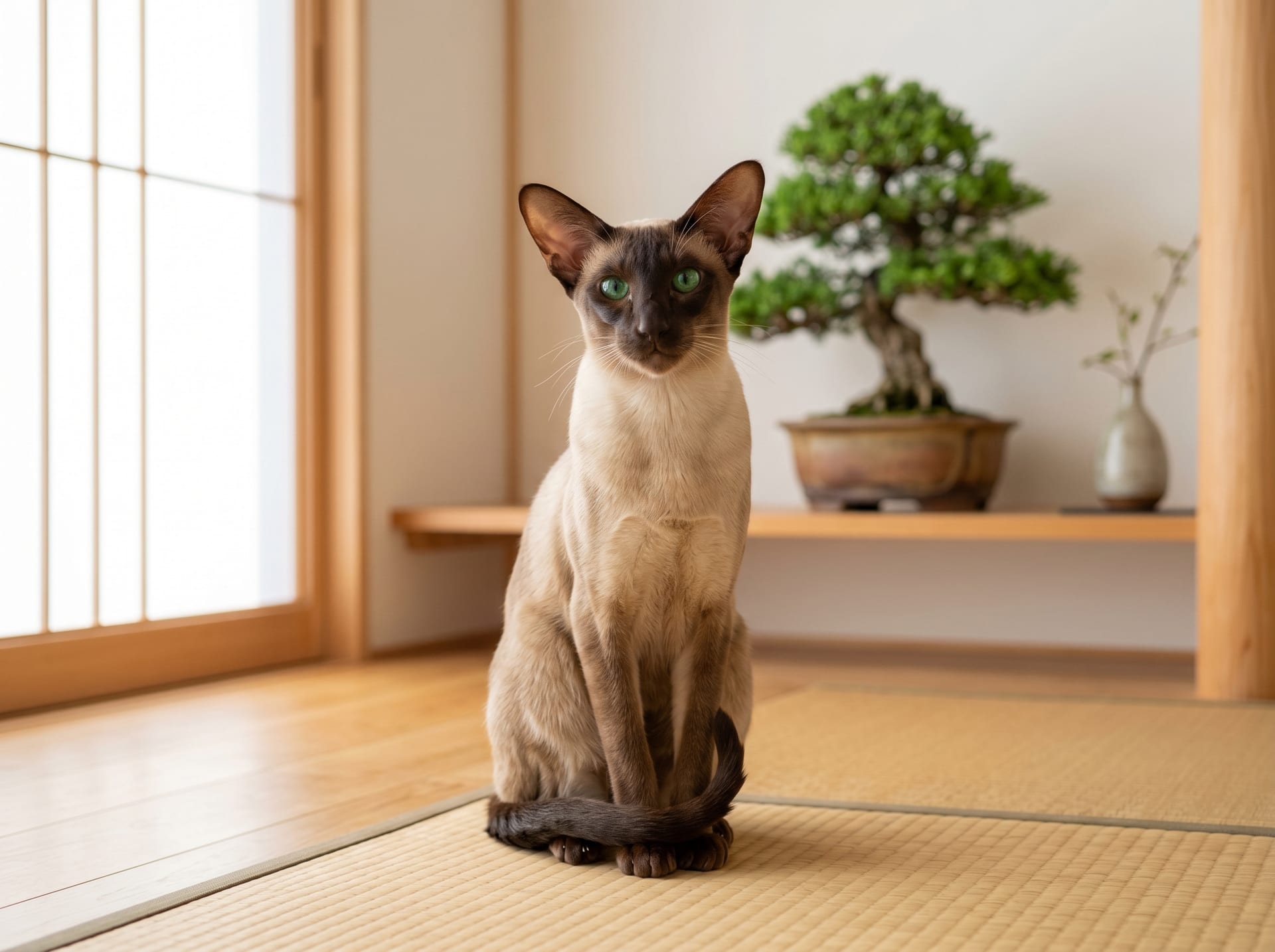
Oriental Shorthair
Siamese body type with 300+ color/pattern combinations. Vocal and social like Siamese. Slim and elegant.
View Oriental Shorthair encyclopedia →- Price Range
- ¥70,000〜¥238,000
0% commission on your first sales!Register by September 30, 2026 and your first 2 sales are commission-free!
Breeder Wanted!
List on BreederDirect and sell directly to customers nationwide!
4 Trust Pillars We Guarantee at Br-Choku
For all kitten listings, Breeder clearly disclose the following information. To ensure safe and transparent direct sales, Br-Choku requires these legally mandated items.
- MicrochipRequired
- Vaccinated
- Health Checked
- Pedigree Certified
* Microchip implants are now legally required for breeding businesses selling dogs and cats under the Animal Protection Law (effective June 2022).
Secure transaction guarantee
Dogs & cats onlyEvery BreederDirect transaction is covered by our transaction guarantee. If you cannot receive your pet, you will be fully refunded. A health guarantee also covers you after handover.
Learn about transaction safety →Browse all 74 breeds
Verified breeders wanted for Cats
Breeders are signing up now ahead of launch. Subscribe to be notified when new listings go live.
Getting alerts is free with a member account. When new listings match your saved search, we'll notify you by email and in-app.
Browse other categories
Verified breeders (preview)
Oriental Shorthair key facts
- Care level
- Intermediate
- Lifespan
- 12-15 years
- Size
- Weight 3-5kg
- Diet
- High-protein complete nutrition cat food.
- Temperament
- Extremely social and vocal. Bonds strongly; dislikes being alone.
- Exercise
- Very active. Loves climbing; needs plenty of play time.
- Coat Care
- Short coat; easy care. Weekly brushing sufficient.
- Origin
- Thailand / United Kingdom
- Notes
- Prone to separation anxiety. Watch for cardiomyopathy and amyloidosis.
About Oriental Shorthair
The Oriental Shorthair emerged in Britain during the 1950s and 60s as breeders sought to expand the Siamese gene pool by introducing a wide spectrum of coat colors and patterns. Today, over 300 combinations — from solid and bicolor to tabby and shaded — are recognized, earning the breed the nickname "a living art collection." In appearance, it closely mirrors the Siamese: a wedge-shaped head, large upright ears, almond-shaped eyes, and a long, slender body and limbs. Eye color varies with coat, most commonly green, while white individuals may show blue or odd eyes. In temperament, the Oriental Shorthair is curious, energetic, and deeply devoted to its owner. Highly intelligent and eager to engage, they respond well to interactive toys and can even learn basic commands through patient training. They tend to thrive in lively households with other pets or children, where their social nature finds full expression.
7 things to know before welcoming a Oriental Shorthair
1Very Vocal by Nature
Oriental Shorthairs inherit the Siamese's loud, distinctive voice and will vocalize frequently to express their needs and feelings. In apartments or thin-walled homes, noise may be a consideration for neighbors. Ignoring them consistently can cause stress, so regular interaction is essential.
2Dislikes Being Left Alone
Highly social and people-oriented, Oriental Shorthairs struggle with long periods of solitude. Households where owners are away frequently should consider adopting a second cat or providing ample environmental enrichment. They truly flourish when given plenty of daily interaction and attention.
3High Energy and Playful
With a muscular, agile build, they love jumping to high places and quick, dynamic play. Cat trees, puzzle toys, and daily interactive play sessions are highly recommended. Insufficient exercise can lead to stress and behavioral issues in this active breed.
4Low-Maintenance Coat
The short, fine coat requires minimal grooming — a light brush once or twice a week, along with regular nail trimming and ear cleaning, is sufficient. Some individuals may have oilier skin than average, in which case occasional bathing can help keep the coat clean.
5Sensitive to Cold
With little body fat and a slender frame, Oriental Shorthairs are susceptible to cold temperatures. Keeping the home around 20°C (68°F) in winter and providing warm sleeping spots is important. Kittens and senior cats are especially vulnerable to chills.
6Watch for Dental Issues
Like other Siamese-type breeds, Oriental Shorthairs have an elevated tendency toward periodontal disease. Starting dental care — using a cat toothbrush and pet-safe toothpaste — from kittenhood helps build the habit. Annual veterinary oral exams are also recommended.
7Gets Along with Others Well
Their social nature makes them well-suited to multi-pet households when introduced gradually and thoughtfully. They often form strong bonds with equally energetic companions, whether cats or dogs. A slow, staged introduction process helps minimize tension and builds positive relationships.
Frequently asked questions about Oriental Shorthair
- Q.I've heard they are very vocal — how loud and frequent is it really?
- A.While it varies by individual, they tend to vocalize frequently and loudly — at mealtimes, during play, or when seeking attention — in the classic Siamese style. In apartments, this can be noticeable, so it's worth factoring in before adopting.
- Q.There are so many coat colors and patterns — what actually differs between them?
- A.Coat color and pattern differences are purely aesthetic and have little to no effect on personality or health. One exception: white individuals carry a slightly elevated risk of congenital deafness, so it's worth asking the breeder about hearing screening.
- Q.Can I keep one if I live alone? Will they be okay home alone during work hours?
- A.Solo ownership is possible, but extended periods alone can cause stress or separation anxiety in this social breed. If you work full-time, consider adopting a companion cat or investing in enrichment toys and climbing structures to keep them engaged.
- Q.Are there specific health conditions I should watch for in this breed?
- A.Periodontal disease, common to Siamese-type breeds, is the most notable concern, along with rare cases of dilated cardiomyopathy (DCM). Regular dental care at home and annual or biannual vet checkups support early detection and overall health.
- Q.What is the difference between a Siamese and an Oriental Shorthair?
- A.The body structure and temperament are nearly identical, but the key difference lies in coat and eye color. Siamese are limited to pointed patterns and blue eyes, while Oriental Shorthairs come in over 300 color and pattern combinations, most commonly with green eyes.
Useful tools for Oriental Shorthair care
Learn more about Oriental Shorthair in the encyclopedia
View Oriental Shorthair encyclopedia entry →
Care difficulty, lifespan, size and diet — all basics covered.
More in this category
Can't find the one you're looking for?
Post your wishes for free and breeders with matching animals will contact you with introductions.