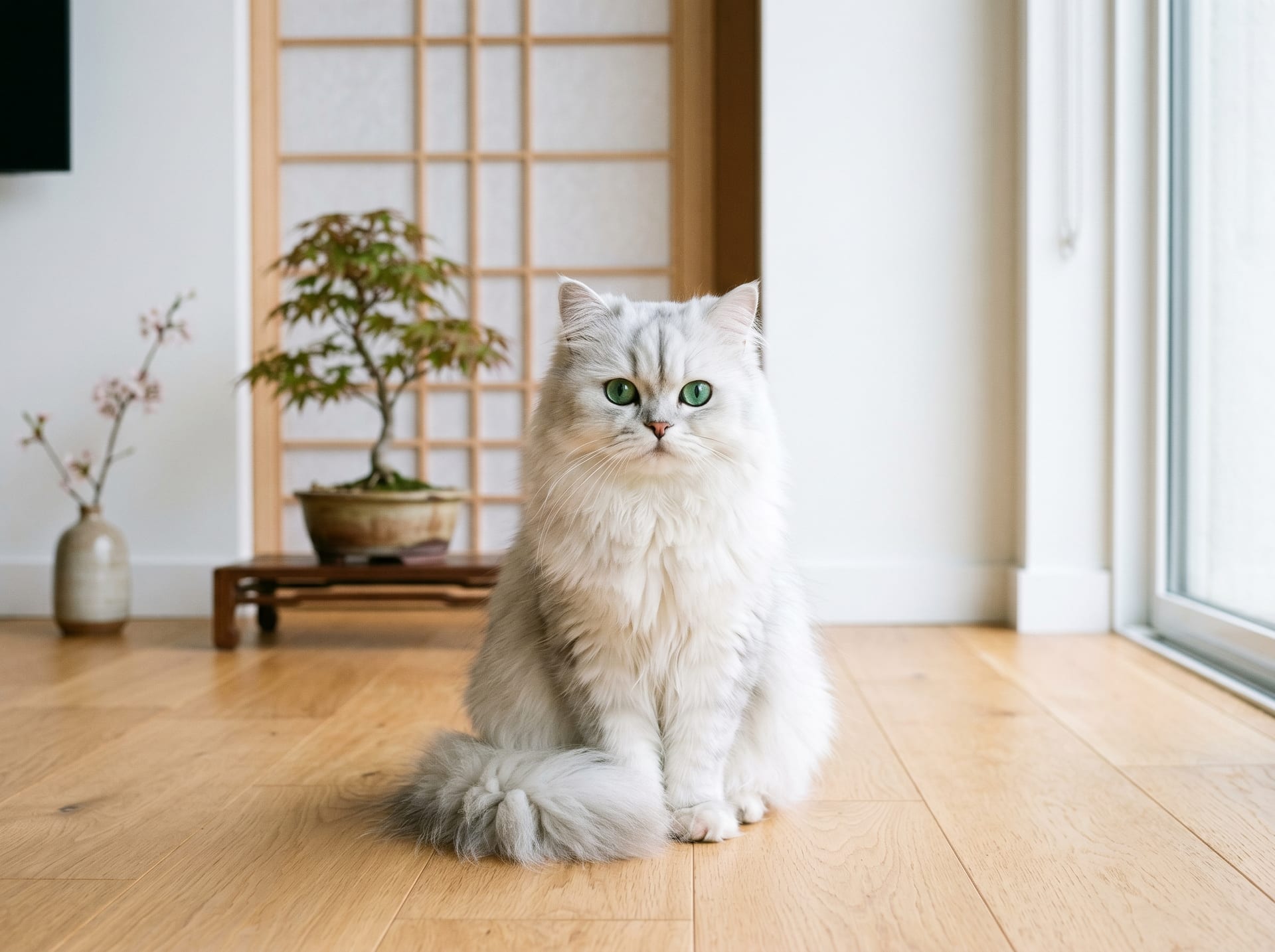
Chinchilla Persian
Rarest Persian variant with silky silver-tipped white fur and striking emerald-green eyes.
View Chinchilla Persian encyclopedia →- Price Range
- ¥70,000〜¥238,000
0% commission on your first sales!Register by September 30, 2026 and your first 2 sales are commission-free!
Breeder Wanted!
List on BreederDirect and sell directly to customers nationwide!
4 Trust Pillars We Guarantee at Br-Choku
For all kitten listings, Breeder clearly disclose the following information. To ensure safe and transparent direct sales, Br-Choku requires these legally mandated items.
- MicrochipRequired
- Vaccinated
- Health Checked
- Pedigree Certified
* Microchip implants are now legally required for breeding businesses selling dogs and cats under the Animal Protection Law (effective June 2022).
Secure transaction guarantee
Dogs & cats onlyEvery BreederDirect transaction is covered by our transaction guarantee. If you cannot receive your pet, you will be fully refunded. A health guarantee also covers you after handover.
Learn about transaction safety →Browse all 74 breeds
Verified breeders wanted for Cats
Breeders are signing up now ahead of launch. Subscribe to be notified when new listings go live.
Getting alerts is free with a member account. When new listings match your saved search, we'll notify you by email and in-app.
Browse other categories
Verified breeders (preview)
Chinchilla Persian key facts
- Care level
- Intermediate
- Lifespan
- 12-17 years
- Size
- Weight 3-5kg
- Diet
- Long-hair formula with hairball control, twice daily
- Temperament
- Calm, elegant, friendly
- Activity
- Indoor, low to moderate activity
- Coat Care
- Daily brushing required, regular bathing
- Origin
- United Kingdom
About Chinchilla Persian
The Chinchilla Persian was developed in late 19th-century Britain through selective breeding of Persian cats with silver-tipped coats. The name comes from the South American rodent "chinchilla," whose fur resembles the breed's signature "tipping" — a coat where only the outermost tips of the fur shimmer in silver. The ideal eye color is a deep emerald green, dramatically outlined by dark rims that give the face an almost mystical expression. The nose is short and slightly upturned, and the body follows the cobby Persian type with a sturdy, compact frame. In temperament, the Chinchilla Persian is gentle, quiet, and moderately independent, making it particularly well-suited to single-person households or calm family environments. Daily coat maintenance and tear stain management do require consistent effort. For those willing to invest in proper care, the breed rewards its owners with exceptional beauty and a serene, companionable presence.
7 things to know before welcoming a Chinchilla Persian
1Daily Brushing Is a Must
The Chinchilla Persian's long, dense coat is prone to matting if left ungroomed. Building a daily brushing routine of 10–15 minutes helps prevent skin issues and hairball problems. Having a quality slicker brush and metal comb on hand is highly recommended.
2Tear Stain Care Is Essential
Due to their flat facial structure, Chinchilla Persians are prone to excessive tearing, which can cause reddish-brown staining around the eyes. Gently wiping the eye area daily with a damp gauze pad or pet-safe wipe helps keep staining under control. Neglecting this care can lead to skin irritation, so consistency is key.
3Calm and Quiet Temperament
Chinchilla Persians are exceptionally quiet and calm, with soft, infrequent vocalizations. They prefer gentle companionship over active play, making them well-suited for apartment living. However, they are sensitive to strangers and environmental changes, so a stable, quiet home is ideal.
4Watch for Respiratory Health
As a brachycephalic breed, the Chinchilla Persian has narrow nasal passages that can cause snoring and, in some cases, breathing difficulties. Avoid hot, humid environments and strenuous activity; air conditioning is essential in summer. Consult a veterinarian promptly if you notice any concerning respiratory symptoms.
5Be Cautious with Other Pets
While gentle, Chinchilla Persians can be sensitive and easily stressed by energetic dogs or boisterous cats. When introducing a new animal companion, allow a gradual adjustment period with careful, staged introductions. They tend to get along better with similarly calm pets.
6Understand Costs Before Committing
Chinchilla Persians typically cost between 150,000 and 400,000 yen, with prices rising for rare colorings or prestigious bloodlines. Ongoing costs include grooming tools, professional trimming, and tear stain care products. Budgeting for annual veterinary checkups and vaccinations in advance is strongly advised.
7Coat Needs Climate Control
The Chinchilla Persian's thick coat is vulnerable to Japan's hot, humid summers, raising the risk of skin inflammation from trapped moisture. Maintaining a room temperature of 22–26°C and humidity around 50–60% is ideal. During shedding seasons in spring and autumn, increase brushing frequency and monitor coat condition closely.
Frequently asked questions about Chinchilla Persian
- Q.How much grooming does a Chinchilla Persian need?
- A.Daily brushing is the baseline, with professional grooming recommended once or twice a month. Their long, dense coat mats easily without consistent maintenance.
- Q.Can Chinchilla Persians live with children or other pets?
- A.They can coexist well with calm children, but may become stressed around noisy environments or highly active pets. Introductions should always be gradual and carefully managed.
- Q.What health risks are common in Chinchilla Persians?
- A.Known risks include brachycephalic obstructive airway syndrome (BOAS), tear duct stenosis causing eye staining, and polycystic kidney disease (PKD). It is important to confirm whether the breeder conducts PKD genetic testing before purchasing.
- Q.What is the average lifespan of a Chinchilla Persian?
- A.With proper care, the average lifespan is approximately 12 to 15 years. Regular veterinary checkups, dental hygiene, and a balanced diet are key factors in supporting a long, healthy life.
- Q.Can a Chinchilla Persian thrive in a single-person household?
- A.Yes, their quiet nature and moderate activity level make them very well-suited for single-person living. However, daily grooming and quality bonding time must be consistently maintained regardless of schedule.
Useful tools for Chinchilla Persian care
Learn more about Chinchilla Persian in the encyclopedia
View Chinchilla Persian encyclopedia entry →
Care difficulty, lifespan, size and diet — all basics covered.
More in this category
Can't find the one you're looking for?
Post your wishes for free and breeders with matching animals will contact you with introductions.