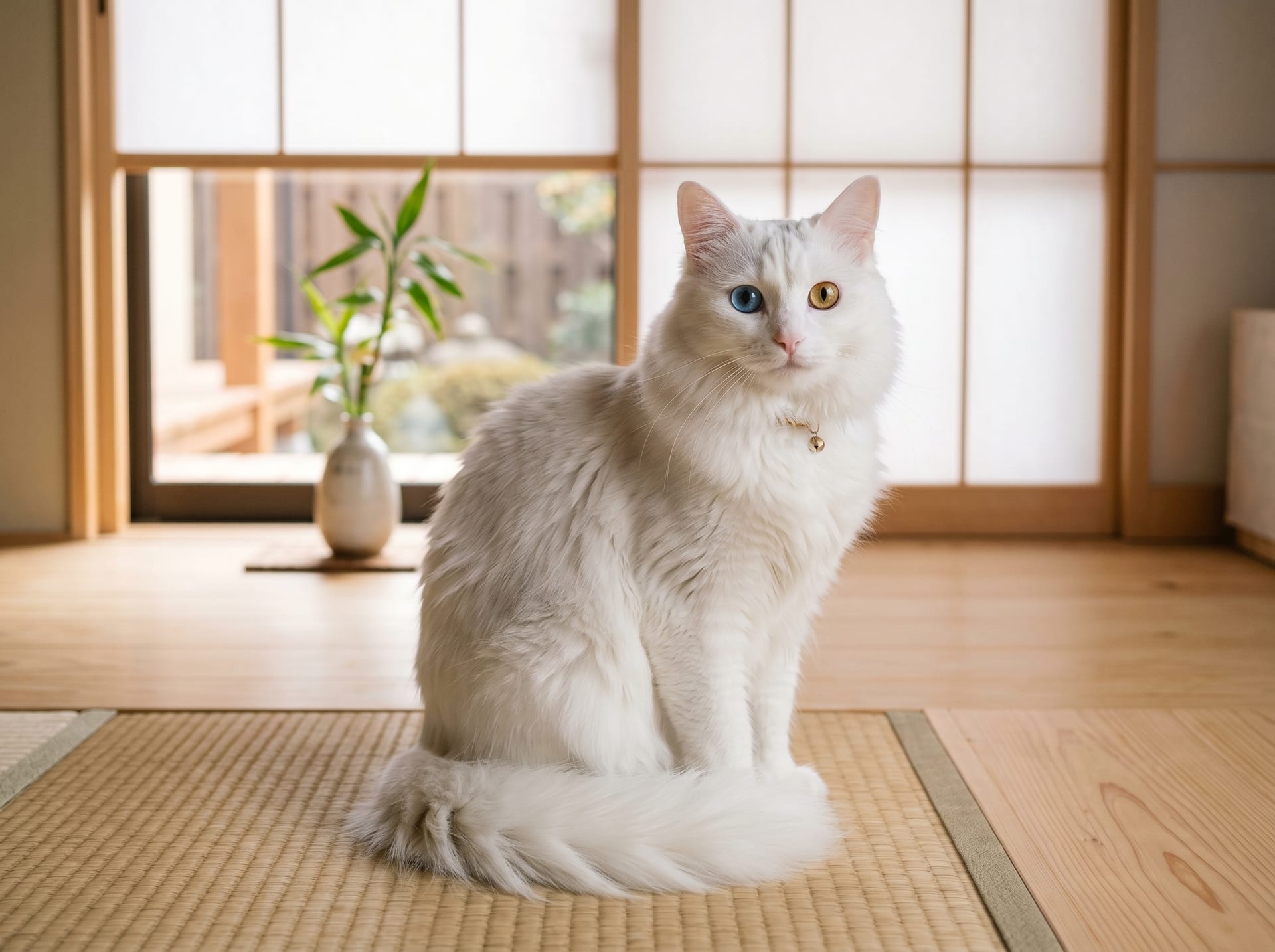
Turkish Angora
Elegant Turkish longhair. White coat with blue, gold, or odd eyes. Very intelligent and active; some enjoy water.
View Turkish Angora encyclopedia →0% commission on your first sales!Register by September 30, 2026 and your first 2 sales are commission-free!
Breeder Wanted!
List on BreederDirect and sell directly to customers nationwide!
4 Trust Pillars We Guarantee at Br-Choku
For all kitten listings, Breeder clearly disclose the following information. To ensure safe and transparent direct sales, Br-Choku requires these legally mandated items.
- MicrochipRequired
- Vaccinated
- Health Checked
- Pedigree Certified
* Microchip implants are now legally required for breeding businesses selling dogs and cats under the Animal Protection Law (effective June 2022).
Secure transaction guarantee
Dogs & cats onlyEvery BreederDirect transaction is covered by our transaction guarantee. If you cannot receive your pet, you will be fully refunded. A health guarantee also covers you after handover.
Learn about transaction safety →Browse all 74 breeds
Verified breeders wanted for Cats
Breeders are signing up now ahead of launch. Subscribe to be notified when new listings go live.
Getting alerts is free with a member account. When new listings match your saved search, we'll notify you by email and in-app.
Browse other categories
Verified breeders (preview)
Turkish Angora key facts
- Care level
- Intermediate
- Lifespan
- 12-18 years
- Size
- Weight 2.5-5kg
- Diet
- High-quality complete nutrition cat food.
- Temperament
- Highly intelligent and active. Curious and playful. Enjoys family interaction.
- Exercise
- Very active. Cat trees and interactive toys needed.
- Coat Care
- Silky long coat with little undercoat; relatively easy care. Brush twice weekly.
- Origin
- Turkey
- Notes
- White cats risk deafness (esp. blue-eyed). Watch for HCM.
About Turkish Angora
The Turkish Angora traces its origins to the Ankara region of Turkey and stands as one of the oldest known longhaired cat breeds in the world. Historical records show that these elegant cats were presented to the French royal court in the 17th century, where they became objects of fascination across Europe. As crossbreeding with Persians threatened the pure lineage, the Ankara Zoo launched a dedicated breeding conservation program that eventually restored the breed to its current recognized form. The breed's most distinctive physical trait is its single-layer, silky long coat—most famously seen in white—paired with eyes that range from blue and green to amber. Odd-eyed individuals, with one eye of each color, are relatively common and add to the breed's mystique. In personality, Turkish Angoras are lively, highly intelligent, and deeply social, relishing interactive play and close involvement in household life. Many individuals show a notable curiosity about water, a trait unusual among cats. For anyone seeking an expressive, people-oriented companion with a touch of aristocratic history, the Turkish Angora offers a genuinely rewarding relationship.
7 things to know before welcoming a Turkish Angora
1Grooming 2–3 Times a Week
Turkish Angoras have a single-layer coat that is less prone to matting than many other longhaired breeds. Even so, brushing two to three times a week helps prevent tangles and keeps the fur looking its best. During shedding seasons, increasing the frequency will help manage loose hair around your home.
2High Energy, Hates Boredom
Turkish Angoras are energetic cats that need daily play and mental stimulation. Providing a cat tree, puzzle feeders, and interactive toys will help keep them engaged. Without enough outlets for their energy, they may become destructive or develop unwanted behaviors.
3Many Individuals Like Water
Turkish Angoras are unusual among cats in that many individuals show genuine interest in water—playing with dripping faucets or splashing in shallow dishes. You may find them following you into the bathroom or investigating sinks. A pet water fountain can be a good match for cats that prefer moving water.
4Social and Dislikes Solitude
These cats form strong bonds with their people and do not do well with long periods of isolation. If you are away from home for extended hours, consider adopting a companion cat or enriching the environment with stimulating toys and climbing structures. Turkish Angoras are known for shadowing their owners throughout the house.
5Aware of Hereditary Deafness Risk
White Turkish Angoras with blue eyes have a known elevated risk of congenital deafness, a condition linked to the same gene that produces white coat and blue irises. Cats with two blue eyes are at higher risk for unilateral or bilateral hearing loss. Before acquiring a kitten, ask the breeder whether BAER (brainstem auditory evoked response) testing has been performed.
6High-Protein Diet, Watch Weight
To support their lean, muscular physique, Turkish Angoras do best on a high-protein, low-carbohydrate diet. Despite their active nature, they can gain weight if overfed, so following portion guidelines is important. Regular weigh-ins and annual or biannual veterinary check-ups help you catch any changes early.
7Understand Upfront and Monthly Costs
As a relatively rare breed, Turkish Angora kittens from reputable breeders typically range from roughly 150,000 to 300,000 yen in Japan. Monthly ongoing costs—including food, litter, and a veterinary savings fund—generally run between 10,000 and 20,000 yen. Budget additionally for grooming tools, a sturdy cat tree, and other setup essentials.
Frequently asked questions about Turkish Angora
- Q.Is the Turkish Angora a good choice for first-time cat owners?
- A.Basic care is straightforward, but the breed's high energy and sociable nature mean they need regular playtime and interaction. They tend to thrive in homes where someone is present for much of the day, or where they have a feline companion.
- Q.How much time does grooming a Turkish Angora take?
- A.Because their single-layer coat is less prone to matting, most owners find that brushing two to three times a week for about five to ten minutes per session is sufficient. During shedding seasons, more frequent brushing helps keep loose fur under control.
- Q.Is it true that white blue-eyed individuals can be deaf?
- A.Yes, there is a well-documented genetic link between white coat, blue eyes, and congenital deafness in cats, including Turkish Angoras. The risk is higher when both eyes are blue. Reputable breeders typically screen kittens using BAER testing before placement.
- Q.Do Turkish Angoras get along with other pets and children?
- A.Their social temperament generally allows them to form positive relationships with other cats and dog-friendly dogs when introduced gradually. They can be wonderful playmates for children, though it is important to teach young ones how to handle cats gently and respectfully.
- Q.What is the average lifespan of a Turkish Angora?
- A.With proper care and regular veterinary attention, Turkish Angoras commonly live between 12 and 18 years. Being aware of breed-specific health considerations and scheduling routine check-ups are key factors in supporting a long and healthy life.
Useful tools for Turkish Angora care
Learn more about Turkish Angora in the encyclopedia
View Turkish Angora encyclopedia entry →
Care difficulty, lifespan, size and diet — all basics covered.
Turkish Angora related articles
See more Turkish Angora articles →More in this category
Can't find the one you're looking for?
Post your wishes for free and breeders with matching animals will contact you with introductions.