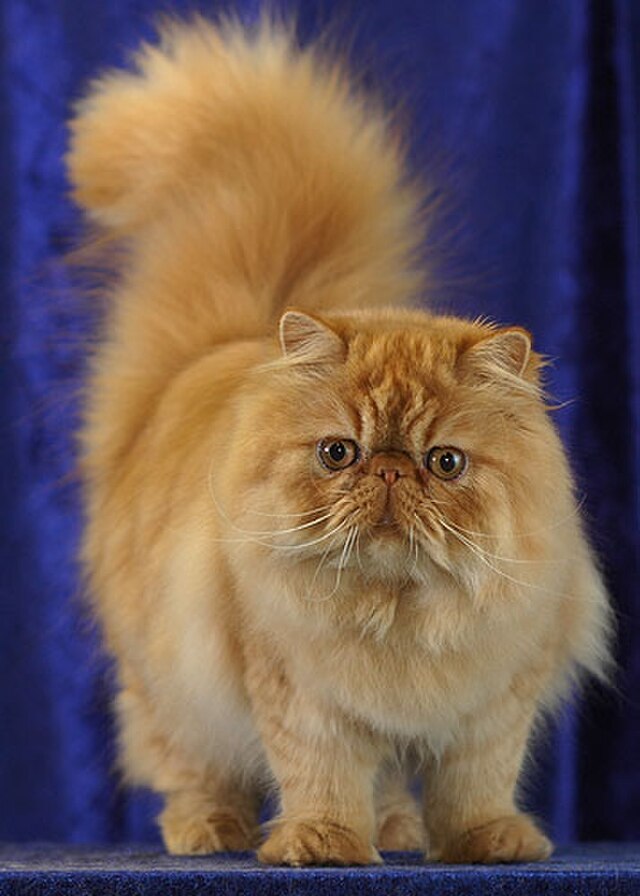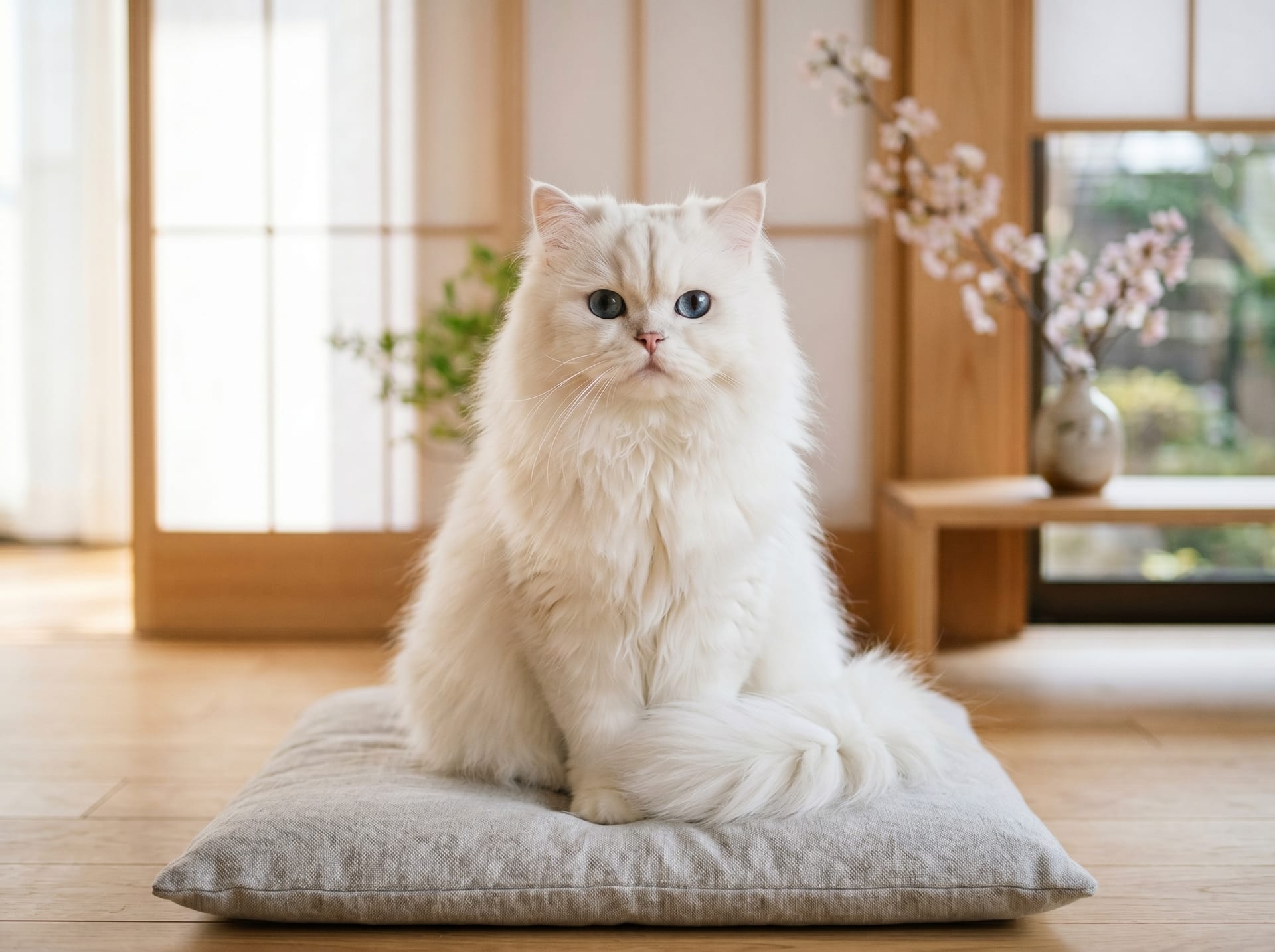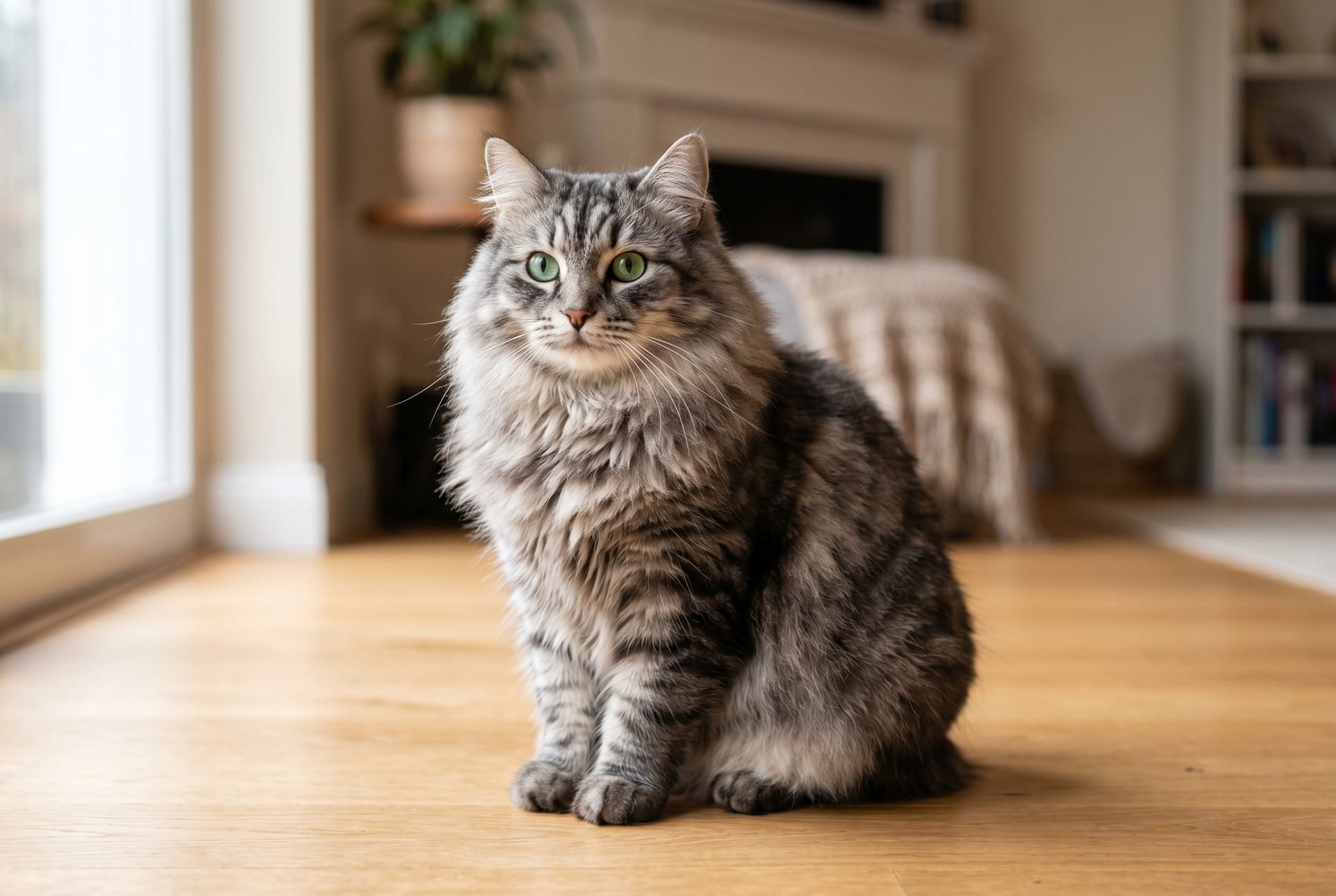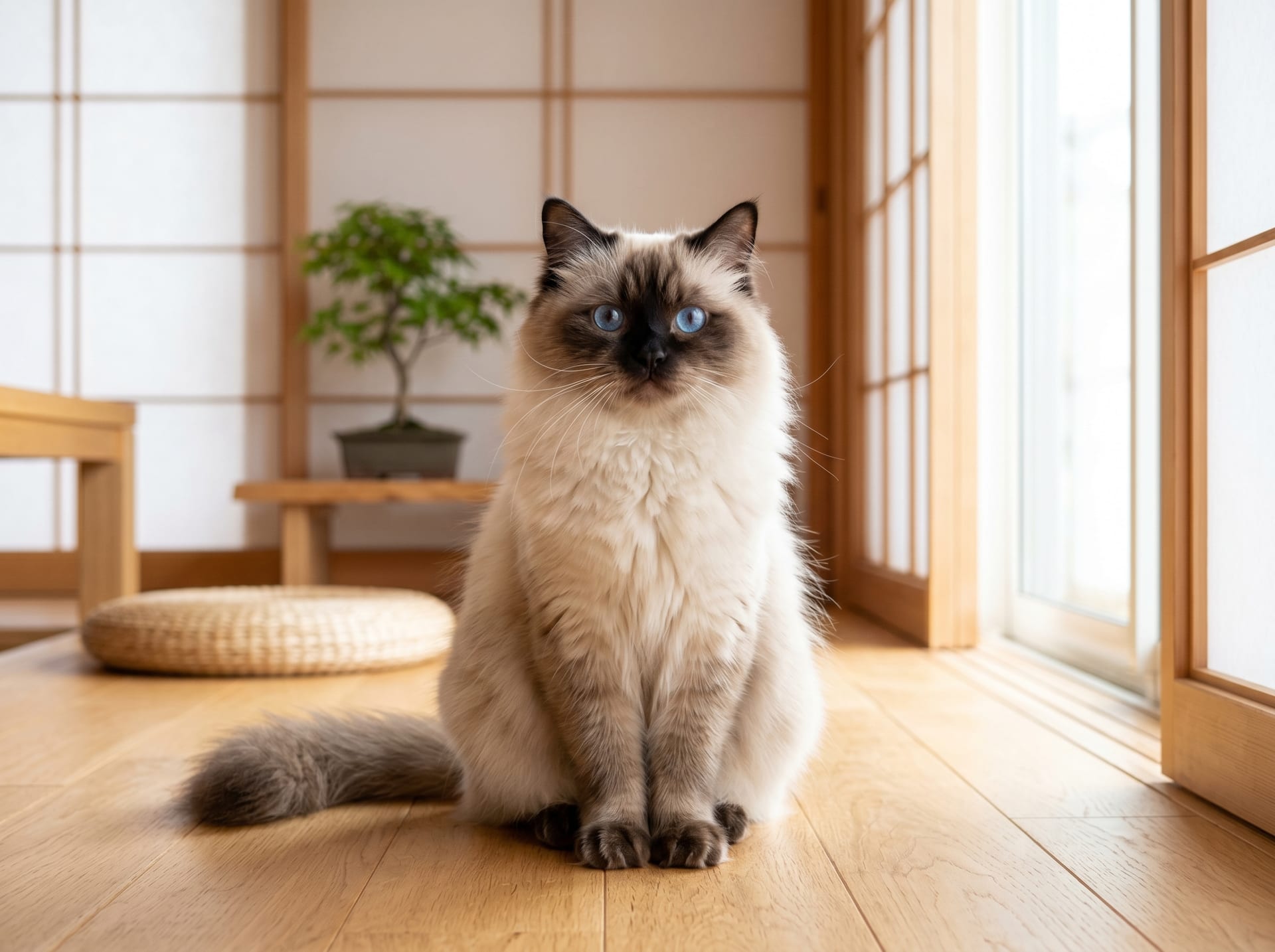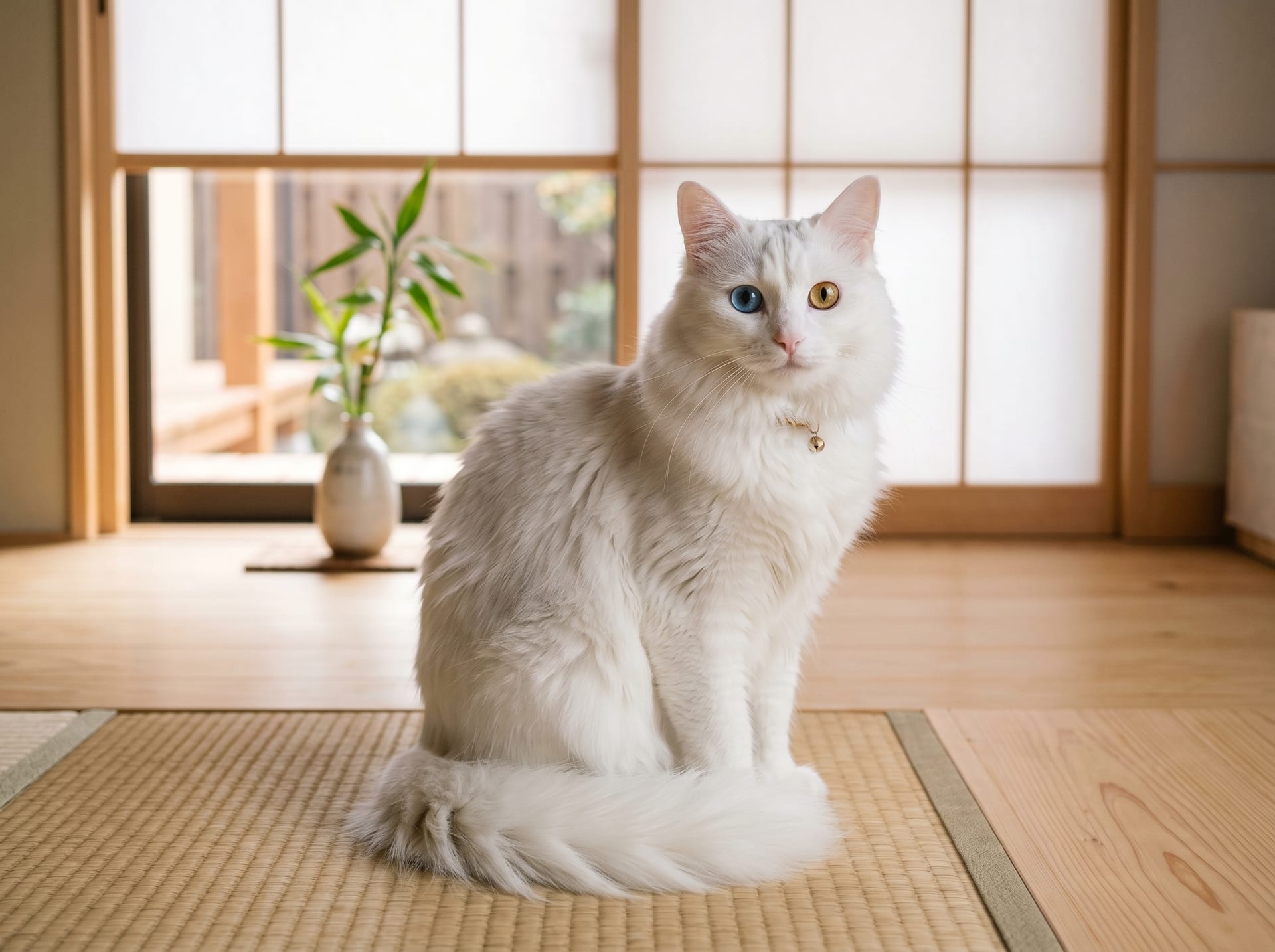
AI-generated image
Turkish Angora
IntermediateElegant Turkish longhair. White coat with blue, gold, or odd eyes. Very intelligent and active; some enjoy water.
Difficulty
Intermediate
Temperature
18〜28℃
Lifespan
12-18 years
Size
Weight 2.5-5kg
Diet
High-quality complete nutrition cat food.
About
The Turkish Angora is a breed of domestic cat. Turkish Angoras are one of the ancient, natural breeds of cat, having originated in central Anatolia. The breed has been documented as early as the 17th century. Outside the United States, the breed is usually referred to as simply the Angora or Ankara cat. These cats have slender and elegant bodies.
Source: Wikipedia (CC BY-SA 4.0)
Lifespan of the Turkish Angora
The Turkish Angora lives 12-18 years.
Size of the Turkish Angora
The Turkish Angora grows to Weight 2.5-5kg.
Basic Info
Origin
Turkey
Lifespan
12-18 years
Size
Weight 2.5-5kg
Temperature
18〜28℃
Diet
High-quality complete nutrition cat food.
Care Guide
References & Sources
Edited & verified by: BreederDirect editorial team
The taxonomic, regulatory, and husbandry data on this page are compiled and verified against the authoritative primary sources below.
Primary sources
Taxonomy & Authority
Accepted name: Linnaeus, 1758
Synonyms: Felis silvestris catus
Authority databases: GBIF · GBIF: Felis catus · TICA breed profiles · CFA breed profiles
Nomenclature follows global taxonomic authority databases.
Turkish Angora Listings
Loading latest listingsFind listings for this species