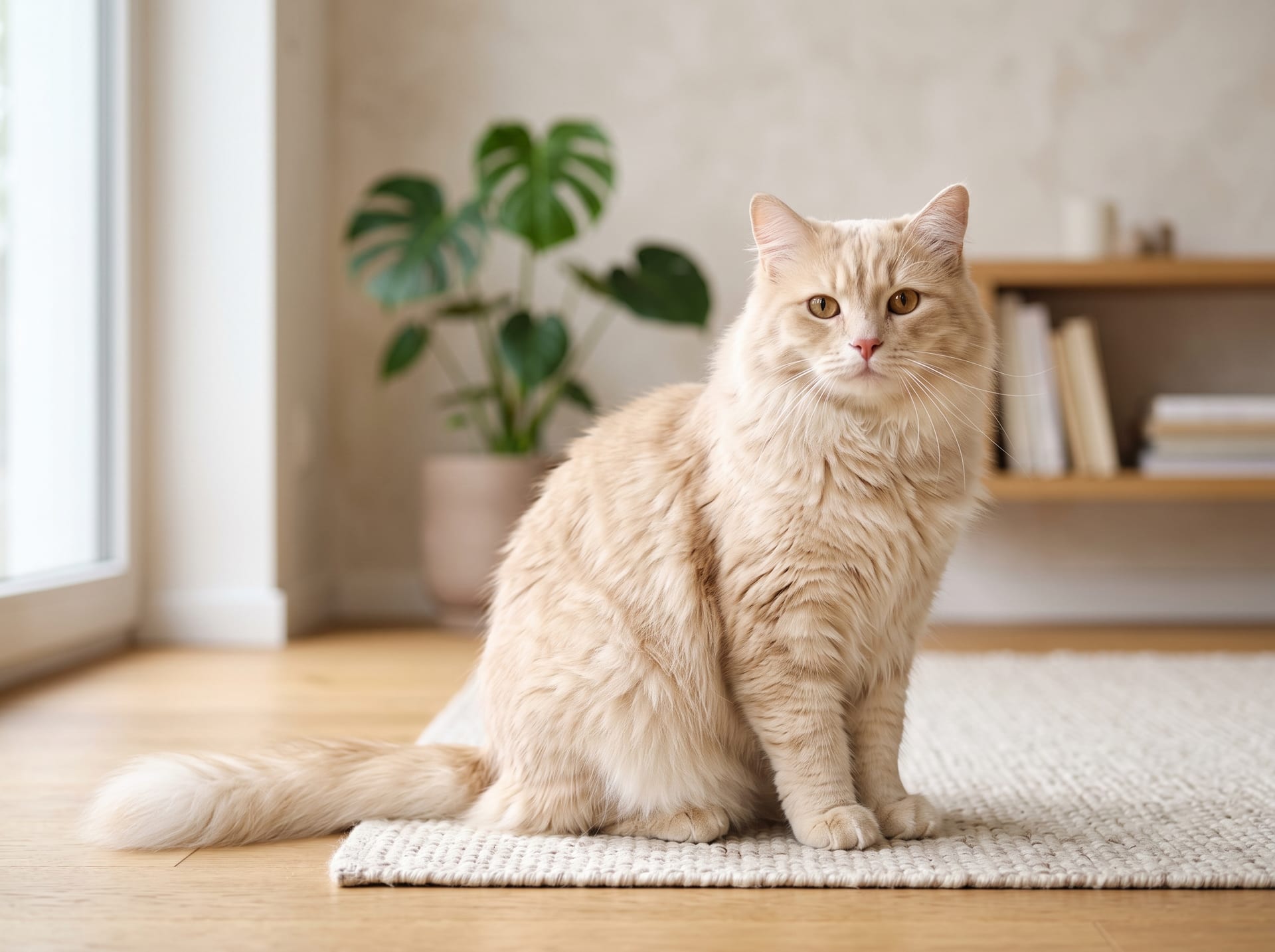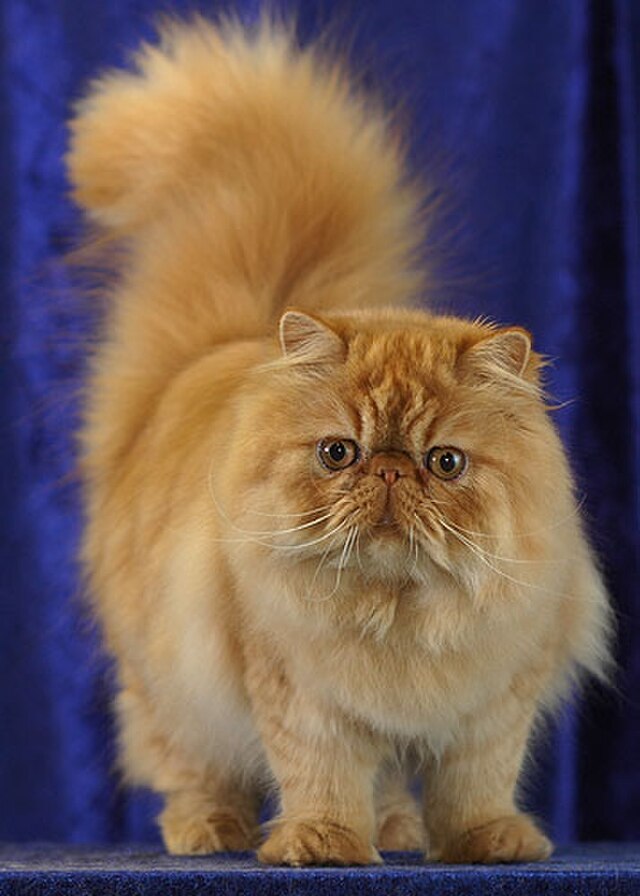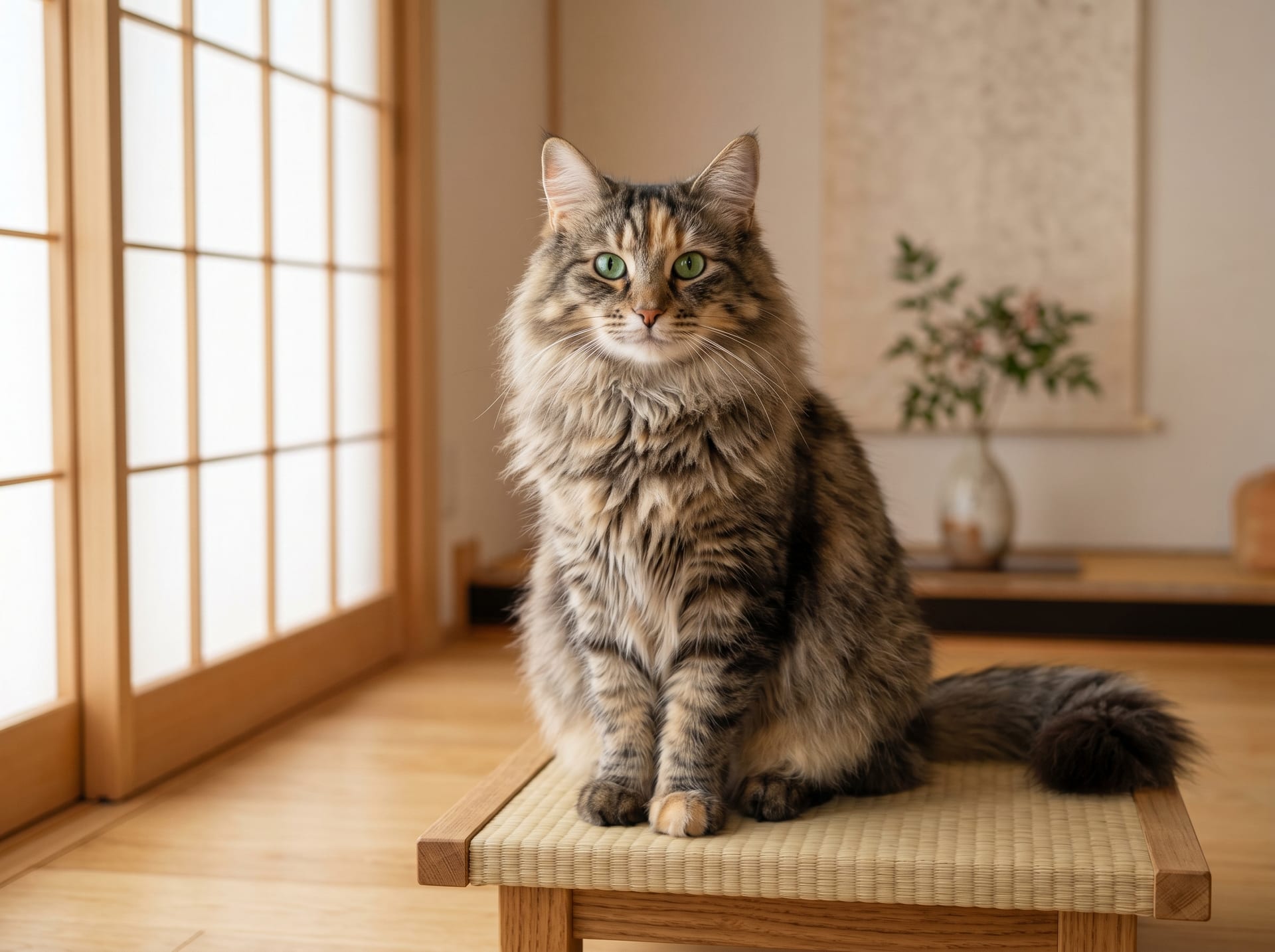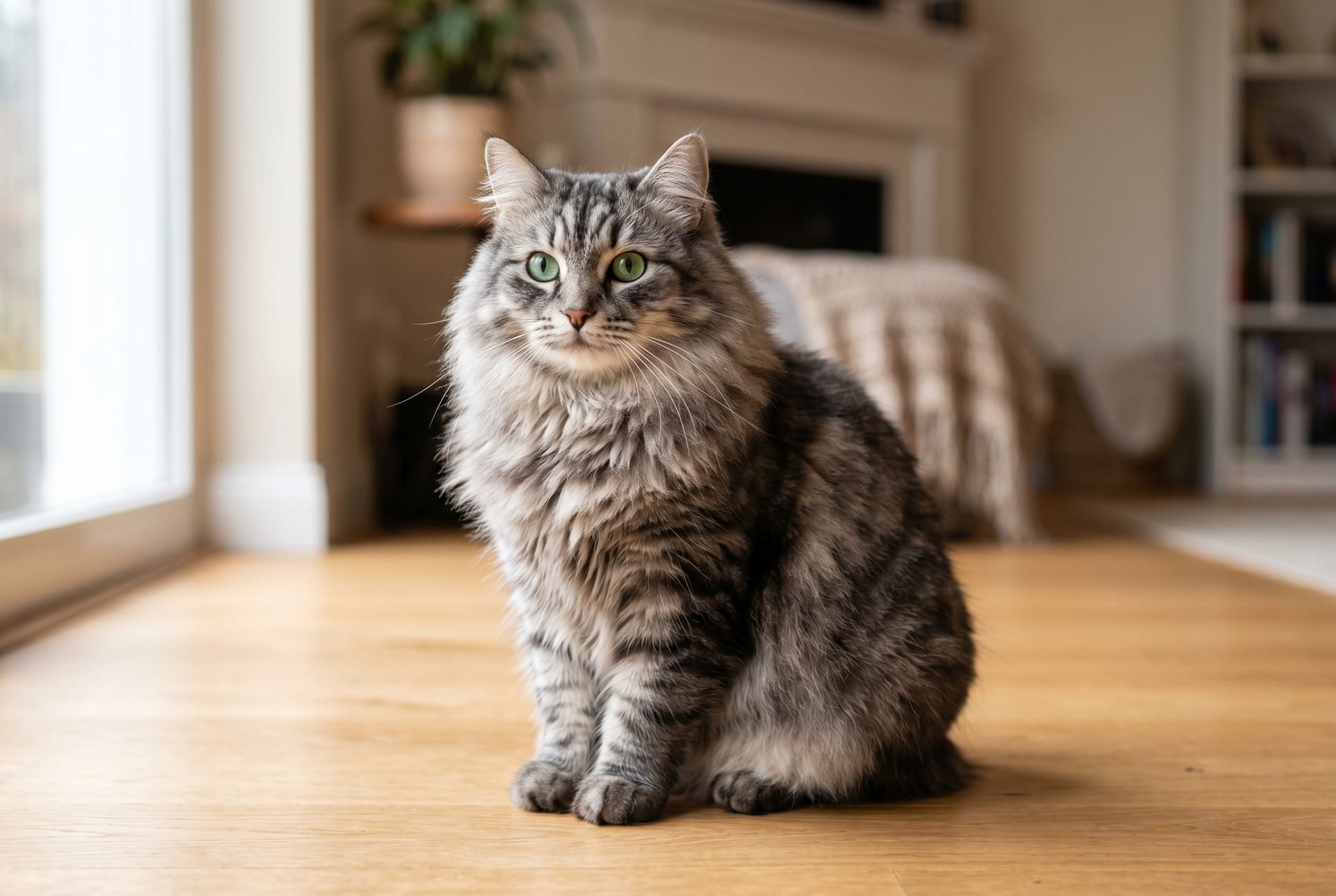
AI-generated image
Cymric
IntermediateLong-haired Manx. Tailless or with extremely short tail. Round body with double coat and gentle temperament.
Difficulty
Intermediate
Temperature
18〜28℃
Lifespan
8-14 years
Size
Weight 3.5-5.5kg
Diet
Cat food (complete nutrition)
About
The Cymric is the longhaired variety of the Manx cat, developed primarily in Canada and the United States during the 1960s and 1970s from longhaired kittens occasionally appearing in Manx litters. Like the Manx, it is characterized by its taillessness or greatly reduced tail length, caused by the same dominant genetic mutation. The Cymric has a cobby, rounded body with hind legs longer than the front, giving it a characteristic rabbit-like hop. Its dense, semi-long double coat distinguishes it from the shorthaired Manx. In temperament, the Cymric is gentle, loyal, and playful. Health concerns include Manx syndrome and spinal issues related to the tailless gene.
Basic Info
Origin
Canada and United States
Lifespan
8-14 years
Size
Weight 3.5-5.5kg
Temperature
18〜28℃
Diet
Cat food (complete nutrition)
Care Guide
Temperament
Gentle and affectionate. Forms strong bonds with owner
Exercise
Moderate. Enjoys play but also values relaxation time
Coat Care
Long double coat. Requires brushing 2-3 times per week
References & Sources
Taxonomy & Authority
Accepted name: Linnaeus, 1758
Synonyms: Felis silvestris catus
Authority databases: GBIF · GBIF: Felis catus · TICA 猫種紹介
Nomenclature follows global taxonomic authority databases.
Cymric Listings
Loading latest listingsFind listings for this species