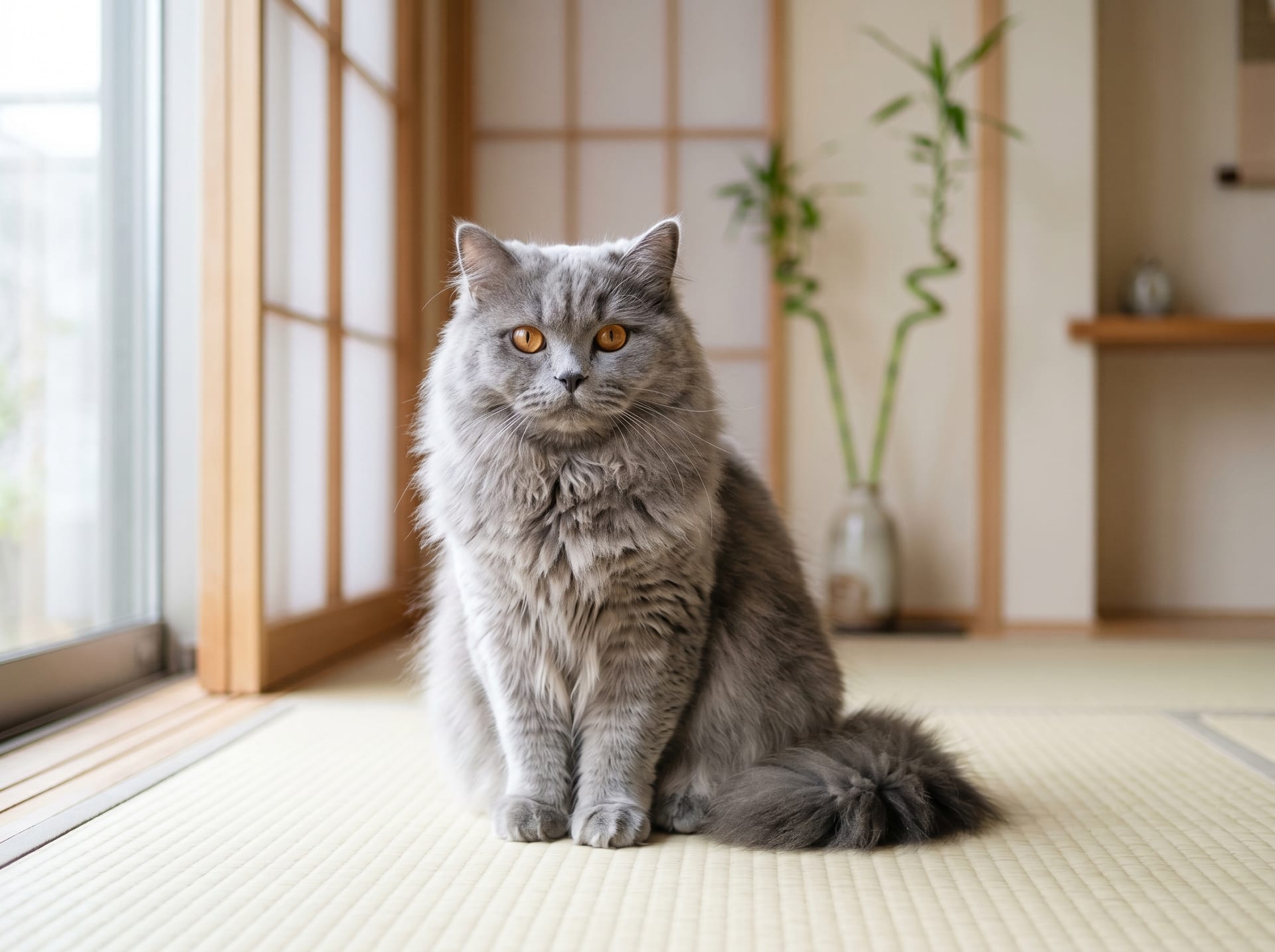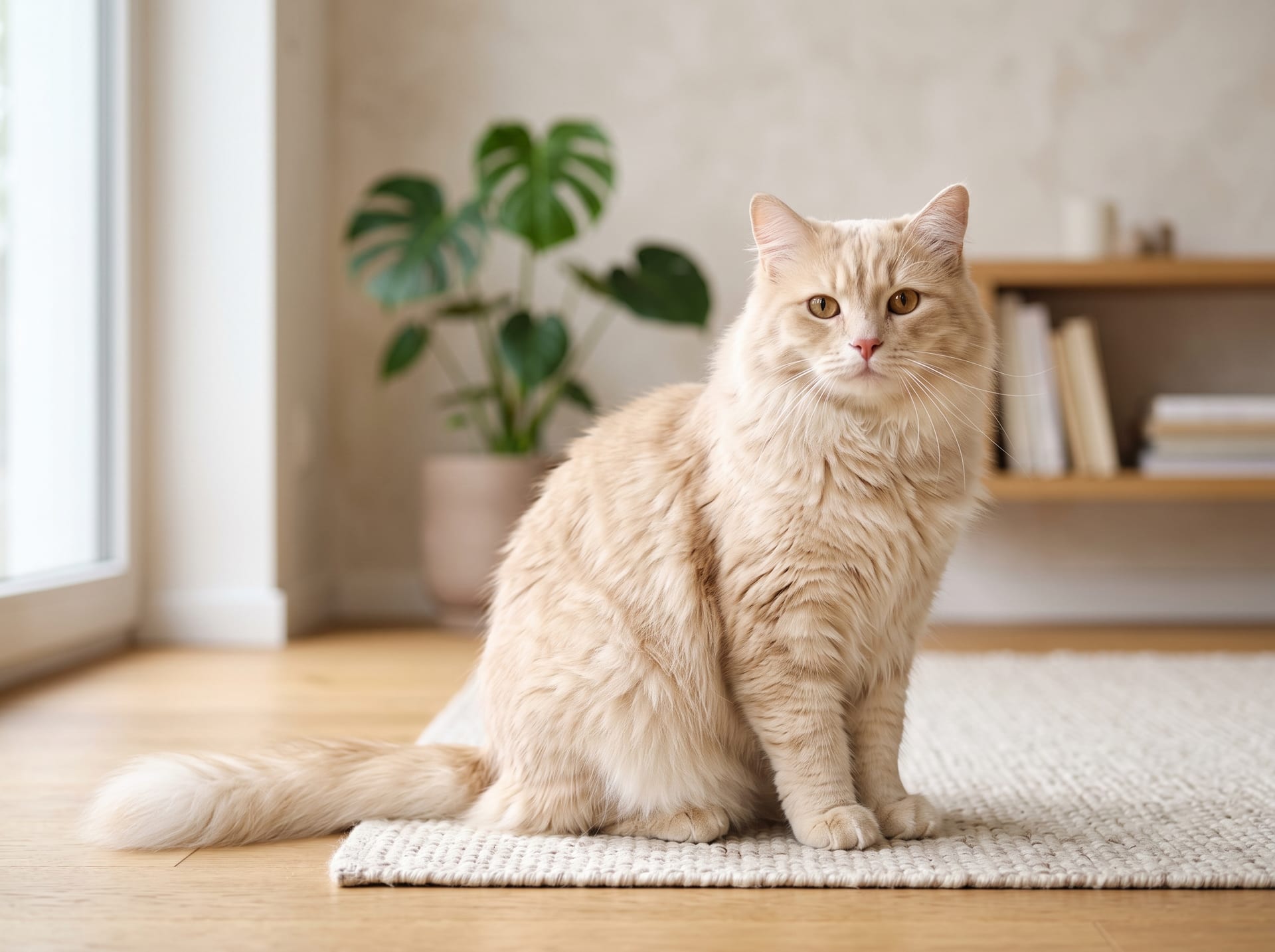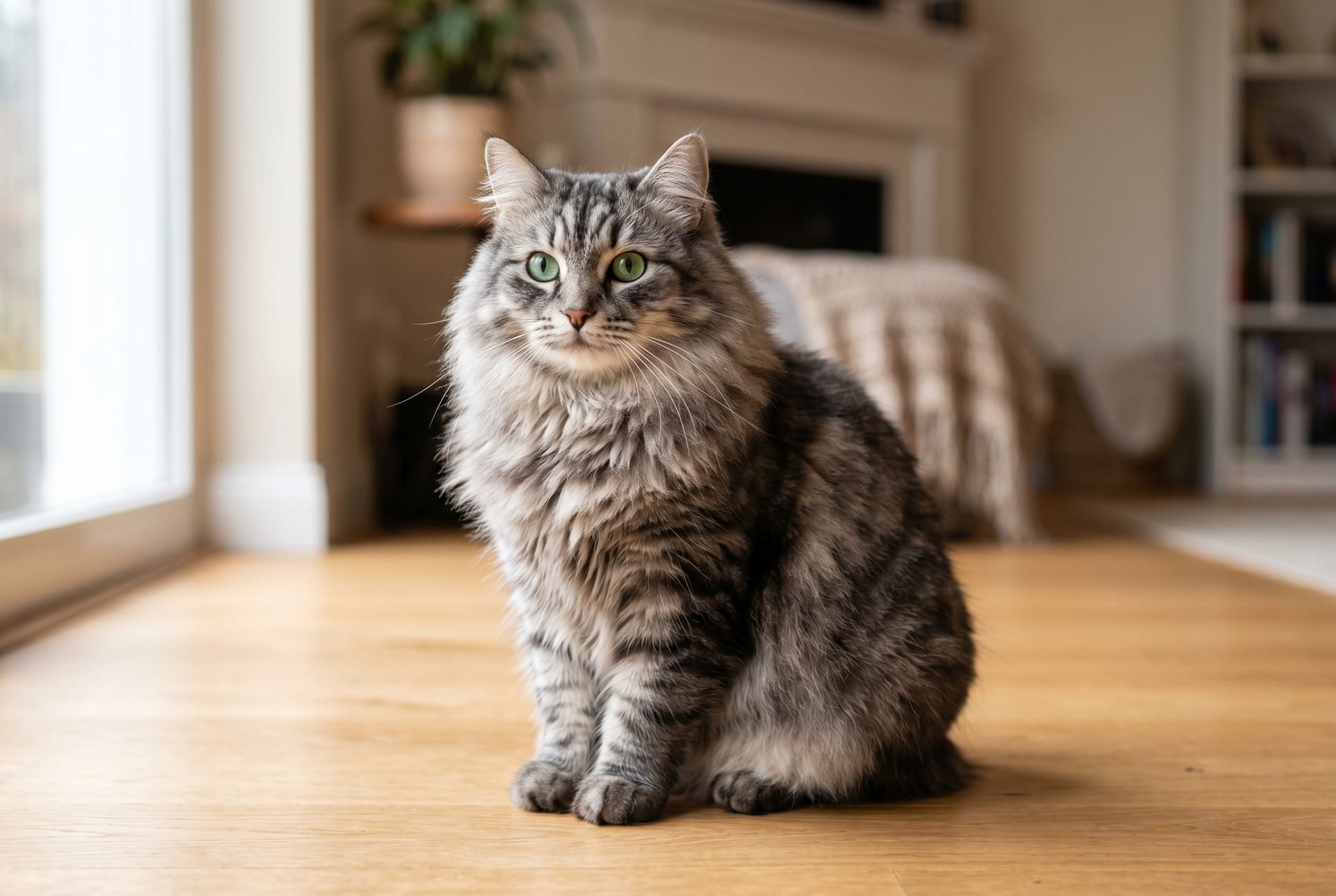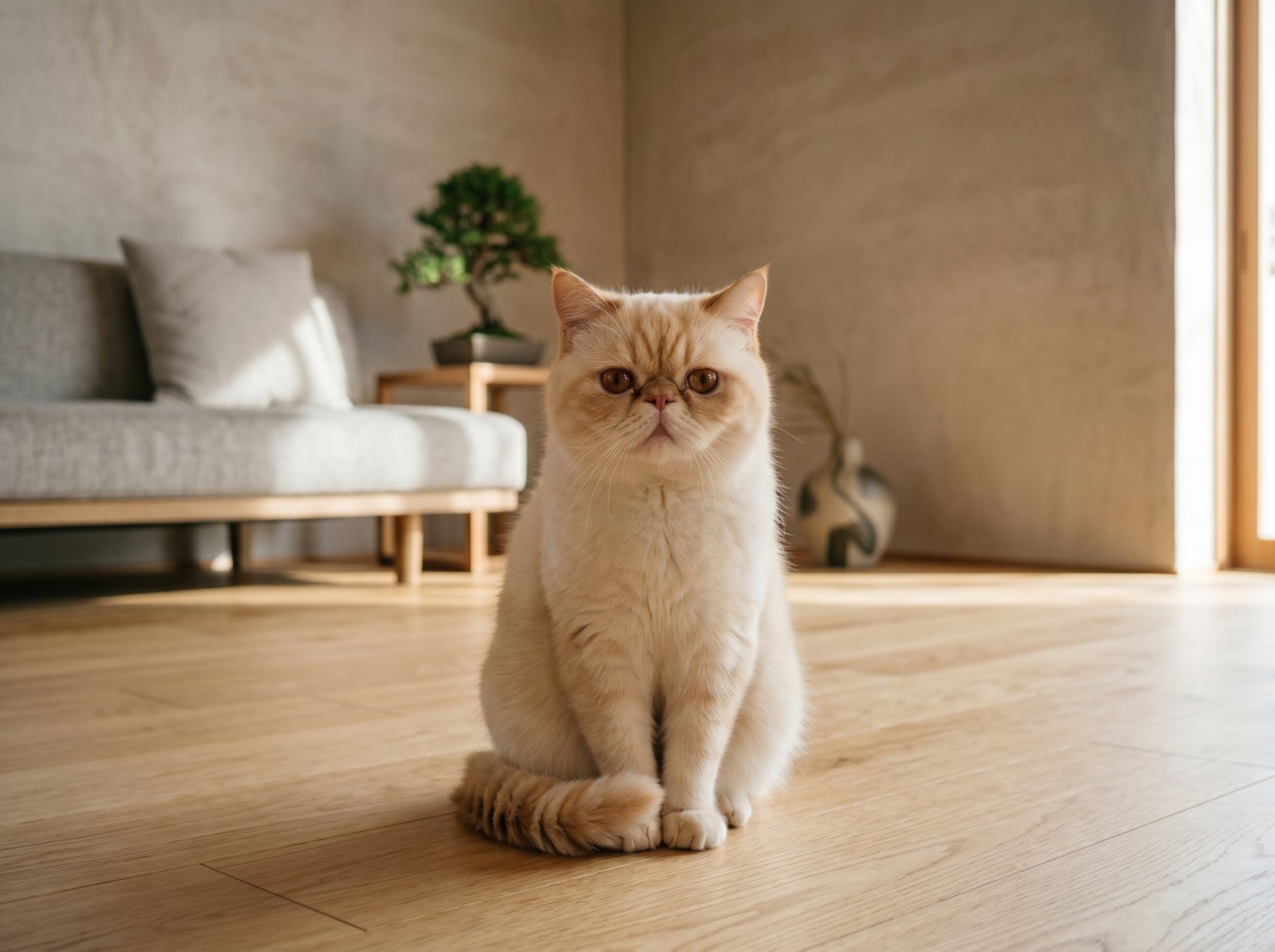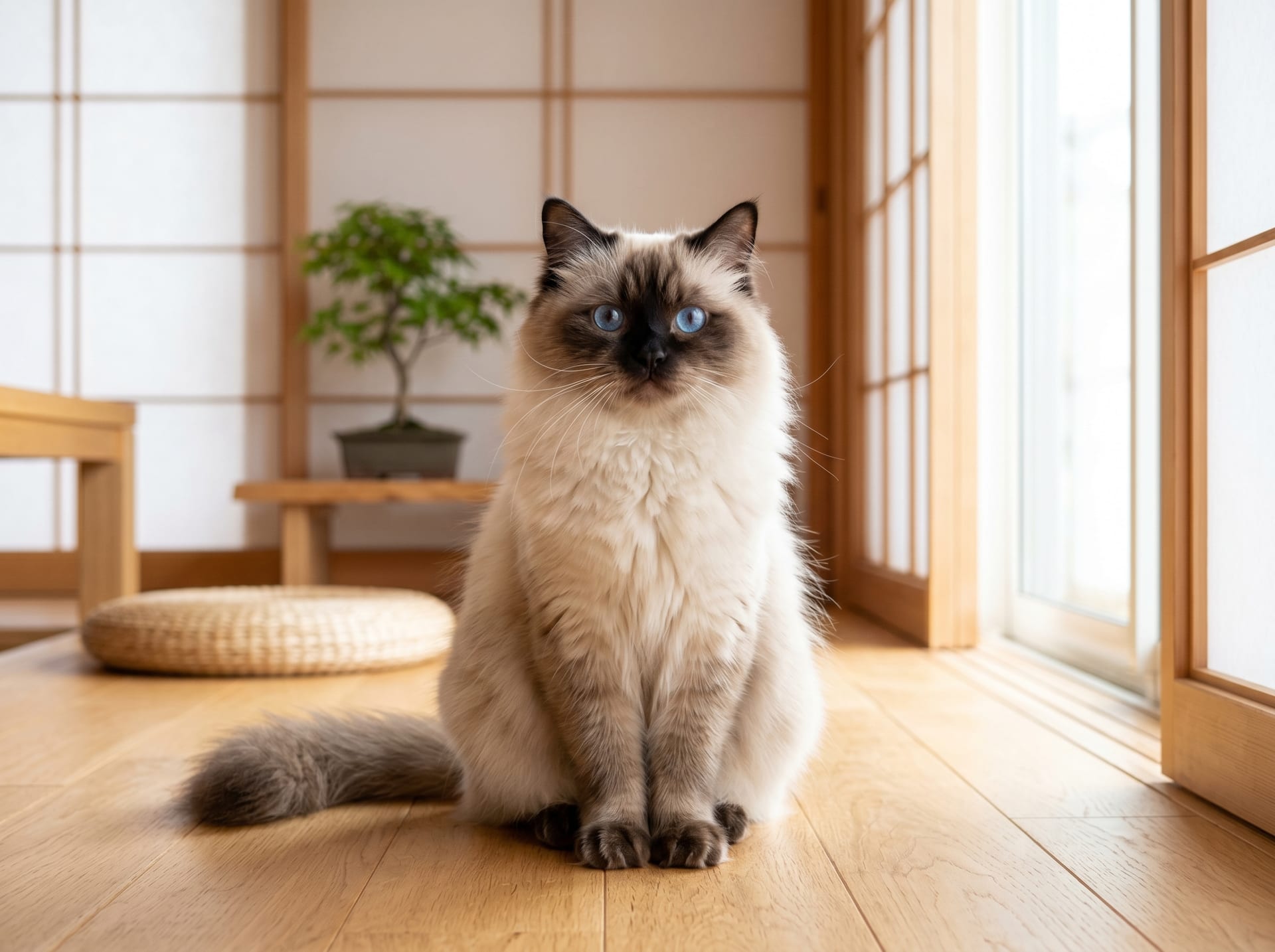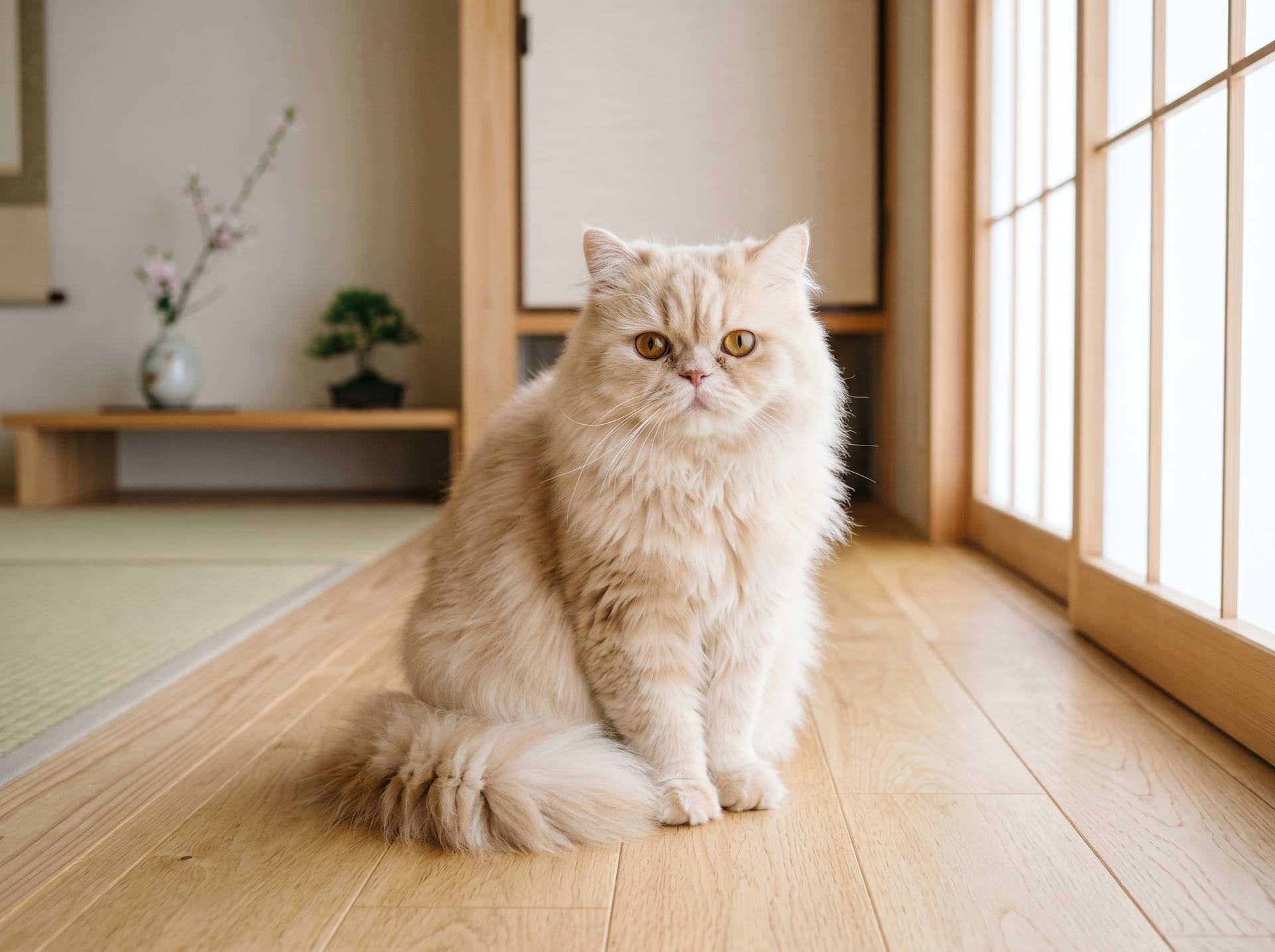
AI-generated image
Exotic Longhair
IntermediateLonghaired Exotic. Flat face with rich long coat, gentle personality similar to Persian.
Difficulty
Intermediate
Temperature
18〜28℃
Lifespan
12-15 years
Size
3-6kg
Diet
Dry food, hairball care formula
About
The Exotic Longhair is a longhaired variant of the Exotic Shorthair, produced when two Exotic Shorthairs or an Exotic Shorthair and a Persian are crossed and the longhair gene is expressed. It closely resembles the Persian in appearance — with a cobby body, flat face, and long flowing coat — but typically inherits the Exotic's somewhat livelier temperament. Like the Persian and Exotic Shorthair, the Exotic Longhair is a brachycephalic breed prone to tear duct problems, breathing difficulties, and polycystic kidney disease (PKD), and requires daily grooming to maintain coat health.
Source: Wikipedia (CC BY-SA 4.0)
Lifespan of the Exotic Longhair
The Exotic Longhair lives 12-15 years.
Size of the Exotic Longhair
The Exotic Longhair grows to 3-6kg.
Basic Info
Origin
United States
Lifespan
12-15 years
Size
3-6kg
Temperature
18〜28℃
Diet
Dry food, hairball care formula
References & Sources
Edited & verified by: BreederDirect editorial team
The taxonomic, regulatory, and husbandry data on this page are compiled and verified against the authoritative primary sources below.
Primary sources
Taxonomy & Authority
Accepted name: Linnaeus, 1758
Synonyms: Felis silvestris catus
Authority databases: GBIF · GBIF: Felis catus · CFA breed profiles
Nomenclature follows global taxonomic authority databases.
Exotic Longhair Listings
Loading latest listingsFind listings for this species