Import Regulations Guide for Exotic Animals | CITES, Wildlife Protection Act, and Quarantine Fundamentals
This article explains the regulations you need to know when purchasing and importing exotic animals from overseas. It covers CITES Appendix classifications, Japan's Wildlife Protection Act, quarantine procedures, and the risks of violations in detail from the basics.
Key Takeaways
This article explains the regulations you need to know when purchasing and importing exotic animals from overseas. It covers CITES Appendix classifications, Japan's Wildlife Protection Act, quarantine procedures, and the risks of violations in detail from the basics.
Related Species

"I Didn't Know" Is Not an Excuse in Biology Regulations
When purchasing exotic animals or rare plants, it is not uncommon to unknowingly become involved in illegal trading. Even if the situation is "it was being sold normally in a shop" or "I simply received it from an individual at a low price," trading regulated organisms without appropriate certification can be a legal violation.
In recent years, the proliferation of SNS and peer-to-peer trading platforms has led to an increase in cases where rare organisms are traded through unofficial channels. Even without malicious intent, "I didn't know" is not an excuse, and in some cases, imprisonment or substantial fines can be imposed. Understanding basic regulations before purchase is a duty as a hobbyist and is essential to protect yourself.
The Washington Treaty (CITES)
Regulatory Classifications by Three Appendices
The Washington Treaty (CITES: Convention on International Trade in Endangered Species of Wild Fauna and Flora) is an international treaty that regulates international trade in endangered wild animals and plants. It came into force in 1975, and Japan became a signatory nation in 1980. Depending on the intensity of regulation, target organisms are classified into three levels of appendices.
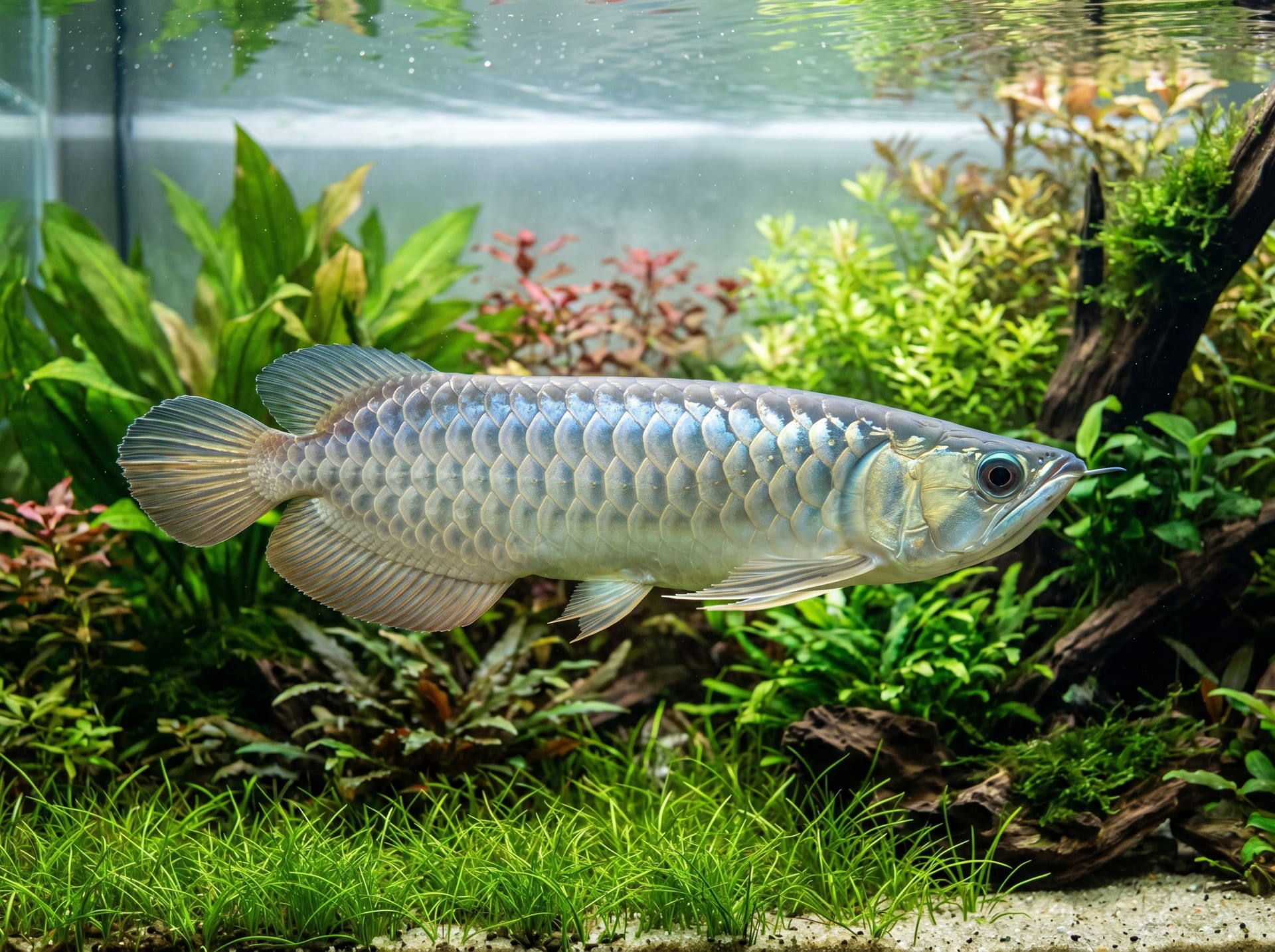
Appendix I (Strictest Regulations) This covers species for which international commercial trade is principally prohibited. It includes giant pandas, Amur tigers, Asian elephants, Asian arowana, sea turtles, and others. For non-commercial trade for academic research or conservation purposes, permits issued by government agencies of both the exporting and importing countries are required.
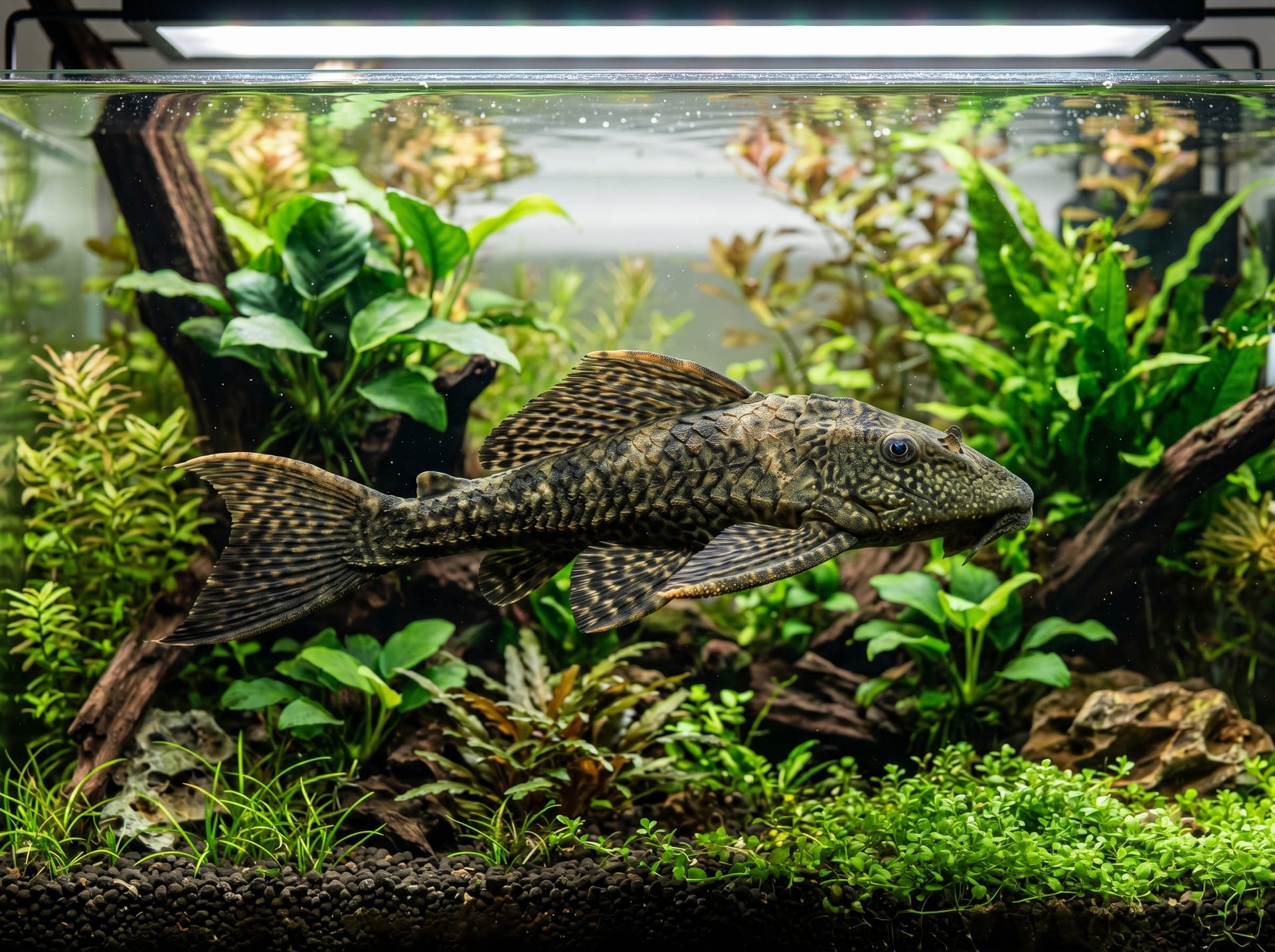
Appendix II (Permits Required for Trade) This covers species that are not currently endangered but could face increased extinction risk in the future if trade were to be unlimited. Most tropical fish (such as discus and plecos), reptiles like chameleons, boas, and pythons, and most cacti and orchids are classified here. Commercial trade is permitted if a permit issued by the management authority of the exporting country is obtained.
Appendix III (Regulated by Some Countries) These are species registered by specific countries in the treaty to protect their own wild fauna and flora. When importing from these countries, certificates of origin and similar documents are required.
In Combination with Japanese Domestic Laws
In Japan, in addition to compliance with the Washington Treaty, multiple domestic laws apply in combination.
- Wildlife Protection Act: Protection of domestic and international rare wild animals and plants. For the sale and transfer of international rare wild animals and plants, issuance of a "registration certificate" (individual specimen registration) is mandatory.
- Animal Welfare and Management Act: Proper care and sales regulations for mammals, birds, and reptiles. The scope of businesses requiring registration as Class I animal dealers is clearly defined.
- Invasive Species Act: Importation, breeding, sale, and release of specified invasive species are principally prohibited. In recent years, the scope of regulated species has expanded to include red-eared sliders and signal crayfish.
How to Read Species Certificates and Import Permits
To legally import and sell organisms listed in Appendices I and II, CITES permits (export and import permits) are required. When circulated within Japan, they are attached to specimens as "species certificates." The presence or absence of documents is the most important evidence in determining legality.
Main Points to Verify
- Issuing Authority: Within Japan, issued by the Ministry of the Environment or relevant prefectural agencies. If issued abroad, confirm the name of the management authority of the relevant country.
- Individual Identification Information: Microchip numbers (PIT tags), ring numbers, band numbers, etc. It is necessary to verify that the documents match the specimen.
- Source Code: W indicates wild-caught, C or CB indicates captive-bred specimens, F indicates specimens bred in captivity, etc. Captive-bred specimens carry lower legal risk and adapt more smoothly to captive environments.
- Expiration Date: CITES permits typically have a validity period of 6 months, and expired documents are invalid.
Practical Knowledge for Quarantine and Import
When importing live animals into Japan, quarantine is required in parallel with customs procedures. Animals are managed by the Animal Quarantine Service under the Ministry of Agriculture, Forestry and Fisheries, while plants are managed by the Plant Protection Station.
For birds, highly pathogenic avian influenza and Newcastle disease are subject to inspection; for mammals, rabies and foot-and-mouth disease are checked. Prior application is required for import, and a quarantine and inspection period is set after arrival. It is also essential to obtain a health certificate from the government authority of the exporting country.
Caution Also Applies to Personal Imports and Souvenirs
Bringing specimens purchased at local markets during overseas travel into Japan is also subject to regulation. Even if turtles or insects were sold locally, if they are species listed in the CITES Appendix, bringing them in without declaration to customs is considered smuggling. If discovered, specimens will be confiscated and the person involved can face criminal penalties. Please remember this.
Pre-Purchase Checklist to Confirm
Researching in advance whether the organism you are considering purchasing is subject to regulation is the first step. You can verify this accurately by searching using the scientific name (Latin name) on the Ministry of the Environment's "Wildlife Protection Act" page or the Customs CITES information page.
- Investigate Regulatory Classification: Confirm CITES Appendix designation and Wildlife Protection Act specification using scientific names.
- Request Species Certification: For species listed in Appendices I and II, presenting a species certificate is the seller's obligation. Do not do business with sellers who refuse.
- Prioritize Captive-Bred Specimens: Captive-bred (CB) specimens are lower risk than wild-caught (WC) individuals and are often more accustomed to humans.
- Verify Price Reasonableness: Specimens significantly cheaper than market rates may be smuggled or illegally distributed. Do not be tempted by low prices.
- Confirm Seller Registration: You can check with prefectural authorities by registration number whether the seller is registered as a Class I animal dealer or sales business.
Safe and Secure Purchases on BreederDirect
BreederDirect verifies seller identity and is designed with emphasis on transparency regarding specimen species and transaction information. You can freely ask breeders directly questions such as "Do you have a species certificate for this specimen?" and "Is this a captive-bred specimen?"
Knowledge about regulations not only protects you but also directly contributes to wildlife conservation. Because we live in an era where "I didn't know" is not an excuse, please enjoy safe and legal specimen purchases on BreederDirect based on correct knowledge.