Complete Guide to Caring for Exotic Shorthairs | Characteristics of the "Short-haired Persian" and Tips for Raising Them
A guide to caring for Exotic Shorthairs. While they have the same flat face as Persian cats but with short hair that's easy to maintain, this article covers tear staining management, how to bring out their calm nature, and detailed prevention of common health issues.

Key Takeaways
A guide to caring for Exotic Shorthairs. While they have the same flat face as Persian cats but with short hair that's easy to maintain, this article covers tear staining management, how to bring out their calm nature, and detailed prevention of common health issues.
Related Species
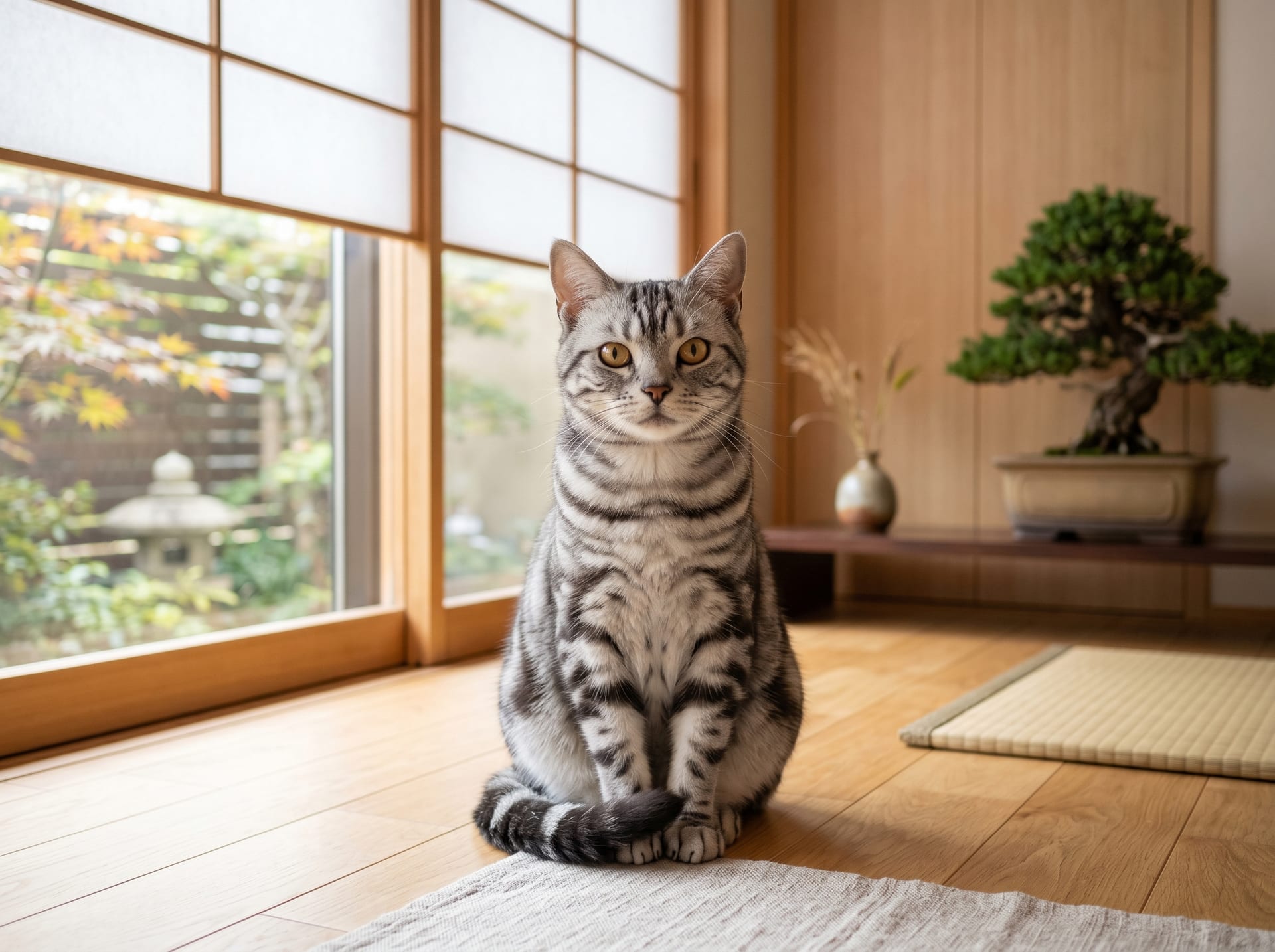
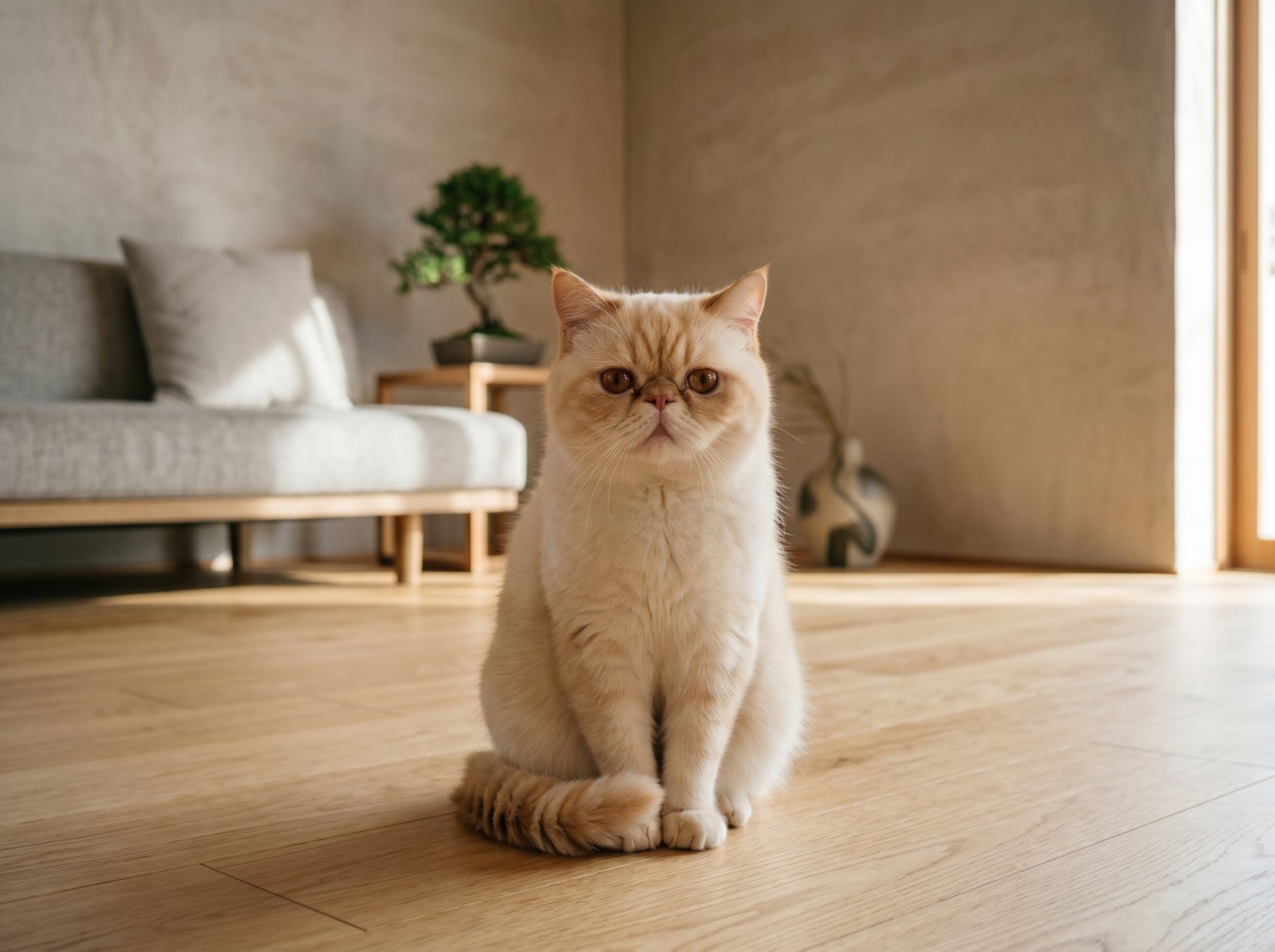
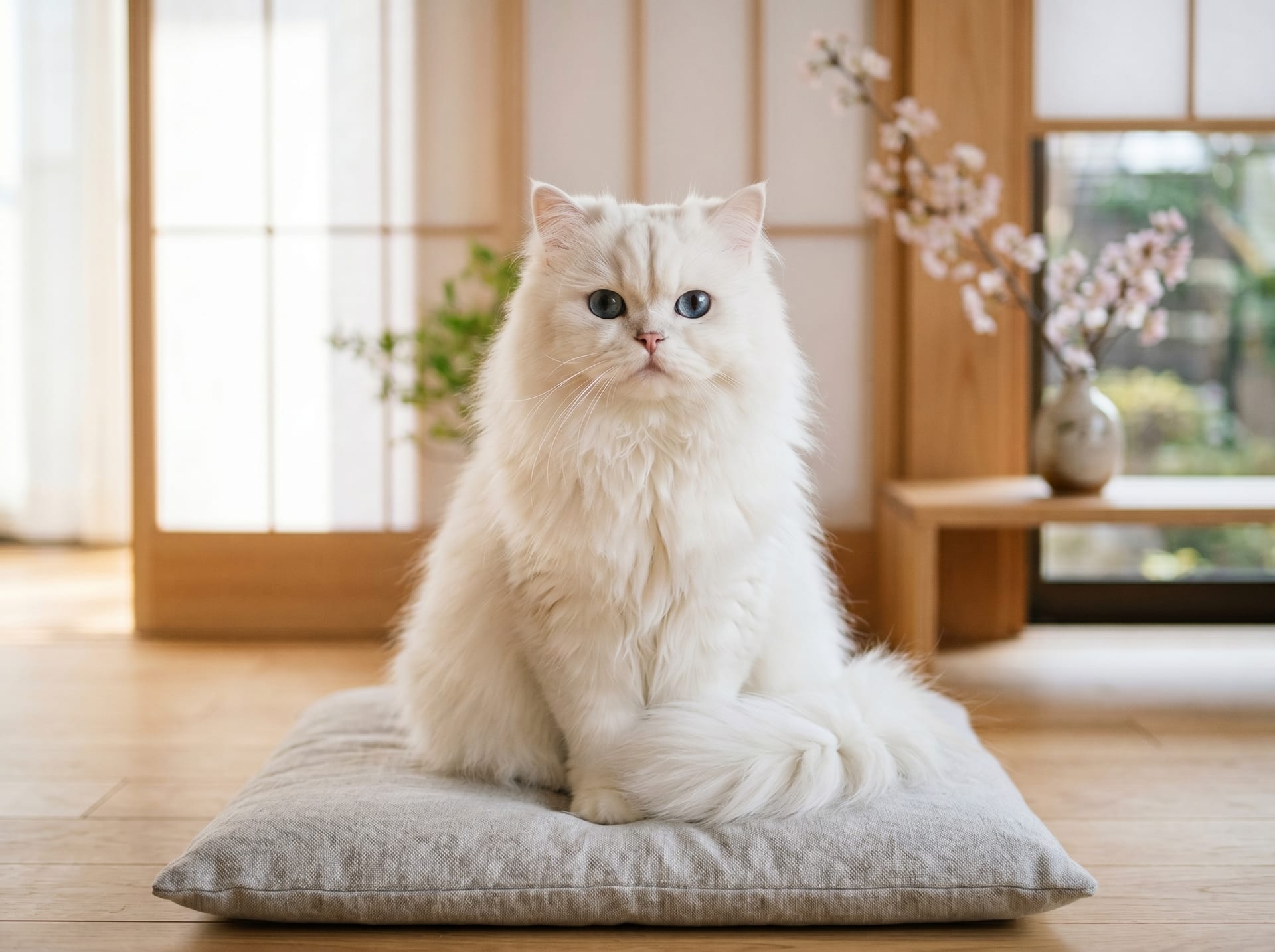
What Kind of Cat is an Exotic Shorthair?
The Exotic Shorthair (commonly called "Exotic") is a cat breed created in America in the 1950s by crossing Persian cats with American Shorthairs. While inheriting the charming flat face and calm temperament of Persian cats, they have been selectively bred for shorter coats, making them a "low-maintenance version of the Persian" that has gained worldwide popularity.
Body and Appearance Characteristics:
- Weight: Males 4–7 kg, females 3–5 kg
- Build: Cobby type (thick, robust skeleton)
- Face: Extremely flat "pansy face," similar to Persians
- Coat: Short double coat (shorter than Persian, but denser and slightly longer than American Shorthair)
Personality Characteristics:
- Calm and easygoing; they don't tend to vocalize loudly
- Loyal and affectionate toward their owners while maintaining a degree of independence
- Often described as "teddy bear-like cats"
- They coexist relatively well with other cats and dogs
- Their calm nature makes them suitable for families with children or elderly members
Differences from Persians: Coat Care Comparison
The greatest advantage of Exotic Shorthairs is that their coat requires significantly less maintenance compared to Persian cats.
| Item | Persian Cat | Exotic Shorthair |
|---|---|---|
| Brushing Frequency | Daily required (10–20 min) | 2–3 times per week (5–10 min) |
| Matting Risk | Very high | Low |
| Bathing Frequency | Once per 1–2 months | Once per 2–3 months |
| Professional Grooming | Regularly required (summer cut) | As needed |
However, because they have a double coat, shedding increases during molting seasons (spring and fall). During these periods, brush daily.
Tear Staining Care (Same Precautions as Persians Required)
Exotic Shorthairs have the same flat facial structure as Persians, making them prone to tear staining due to pressure on the tear ducts.
Daily Care Steps
- Gently wipe the corner of the eye with cotton soaked in lukewarm water or pet eye cleanser
- Wipe gently in one direction from the eye corner toward the nose (do not rub vigorously)
- Regularly trim hair around the face to prevent it from irritating the eyes
When Tear Staining Becomes Chronic
- Often caused by allergies (food or environmental)
- Switching to single-protein food without grains or additives may help in some cases
- If lacrimal duct obstruction is suspected, consult with a veterinary ophthalmologist
Respiratory Care (Brachycephalic Breed Considerations)
Like Persians, Exotic Shorthairs are brachycephalic breeds that require respiratory care.
Summer Heat Stress Prevention
- Maintain room temperature at 25–27°C; air conditioning is essential
- Avoid windows with direct sunlight and hot car interiors at all costs
- Install a water fountain to encourage hydration
Watch for Snoring and Mouth Breathing
Exotics also tend to have nasal congestion and snoring during sleep is common. However, veterinary care is needed if you observe the following signs:
- Constantly breathing with their mouth open
- Appearing to struggle for breath while eating
- Notably slow recovery after exercise
Diet and Weight Management
While Exotic Shorthairs tend to be slightly more active than Persians, they are still a calm breed that requires attention to obesity prevention.
Recommended Food Selection
- Pellets shaped for easy eating despite their flat faces (round or triangular pellets)
- High protein, low carbohydrate (35% or more protein)
- Contains omega fatty acids for skin and coat health
Encouraging Water Intake
Many flat-faced cats find it difficult to drink water, so try these strategies:
- Install a water fountain
- Incorporate wet food into part of their diet
- Place water bowls in multiple locations
Common Hereditary Conditions
Exotic Shorthairs share genetic risk factors with Persian cats.
Polycystic Kidney Disease (PKD)
Exotic Shorthairs are highly prone to PKD (Polycystic Kidney Disease). Always verify that both parents have tested negative for the PKD gene when selecting a breeder.
Hypertrophic Cardiomyopathy (HCM)
A hereditary heart condition. Annual or bi-annual cardiac ultrasound screening is recommended.
Ophthalmic Conditions
Entropion (inward-turning eyelids) and other eye conditions specific to flat-faced breeds are seen. Seek ophthalmology care if you notice squinting or excessive tearing.
Tips for Choosing a Breeder
When acquiring an Exotic Shorthair, selecting a trustworthy breeder is the foundation for a long-term relationship.
Points to Verify:
- Certificates verifying PKD gene testing (both parents negative)
- Whether HCM screening has been performed
- Membership in breeding registries (TICA, CFA, JCF, etc.)
- Whether kittens have undergone adequate socialization (8–12+ weeks)
- Verification of husbandry hygiene and parent cat health
Summary
The Exotic Shorthair is an ideal cat breed for many feline enthusiasts, combining the calm temperament and adorable flat face of Persians with relatively easy coat maintenance. With daily tear staining care, summer heat stress prevention, and preparedness for hereditary conditions like PKD, they can be cherished family members for many years, providing companionship that is both calm and endearing throughout the year.