Complete Guide to Raising Savannah Cats | Characteristics of Serval Hybrids, Legal Regulations, and Required Space
A detailed explanation of how to raise Savannah Cats. From their wild nature and space requirements to feeding management, legal regulations, and the differences between generations (F1–F5), we've compiled key points you should know before raising one.
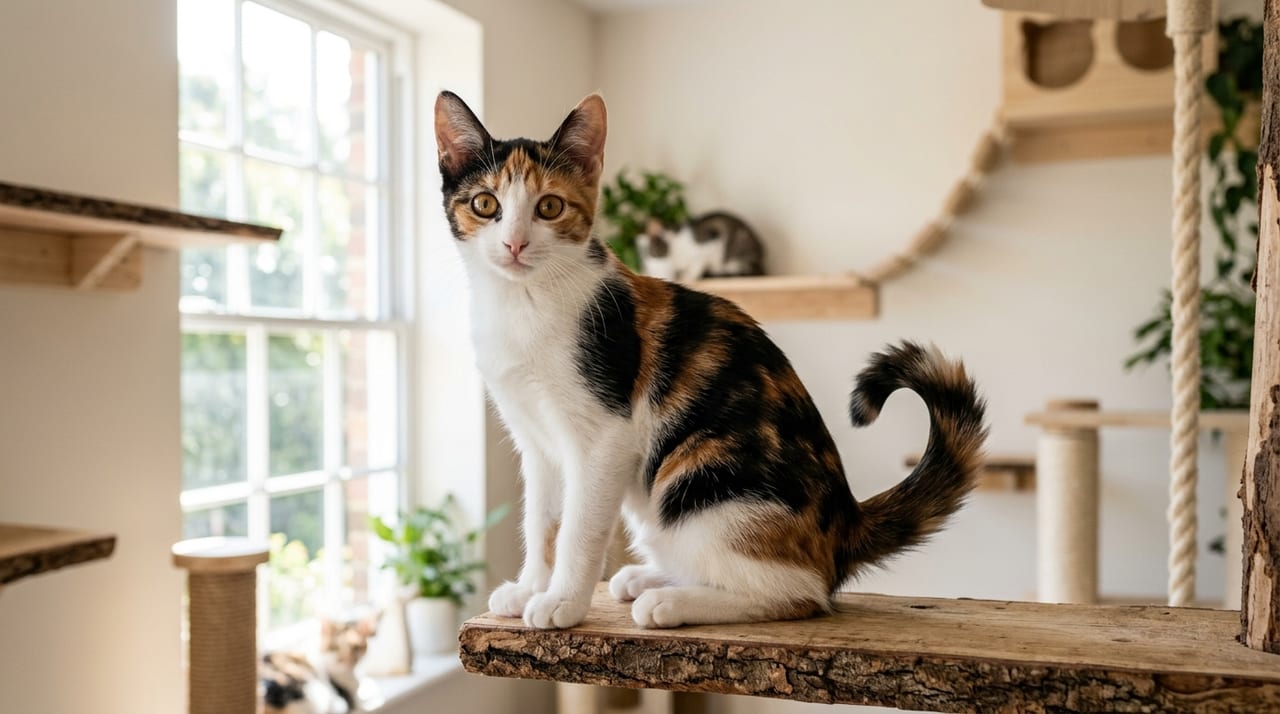
Key Takeaways
A detailed explanation of how to raise Savannah Cats. From their wild nature and space requirements to feeding management, legal regulations, and the differences between generations (F1–F5), we've compiled key points you should know before raising one.
Related Species
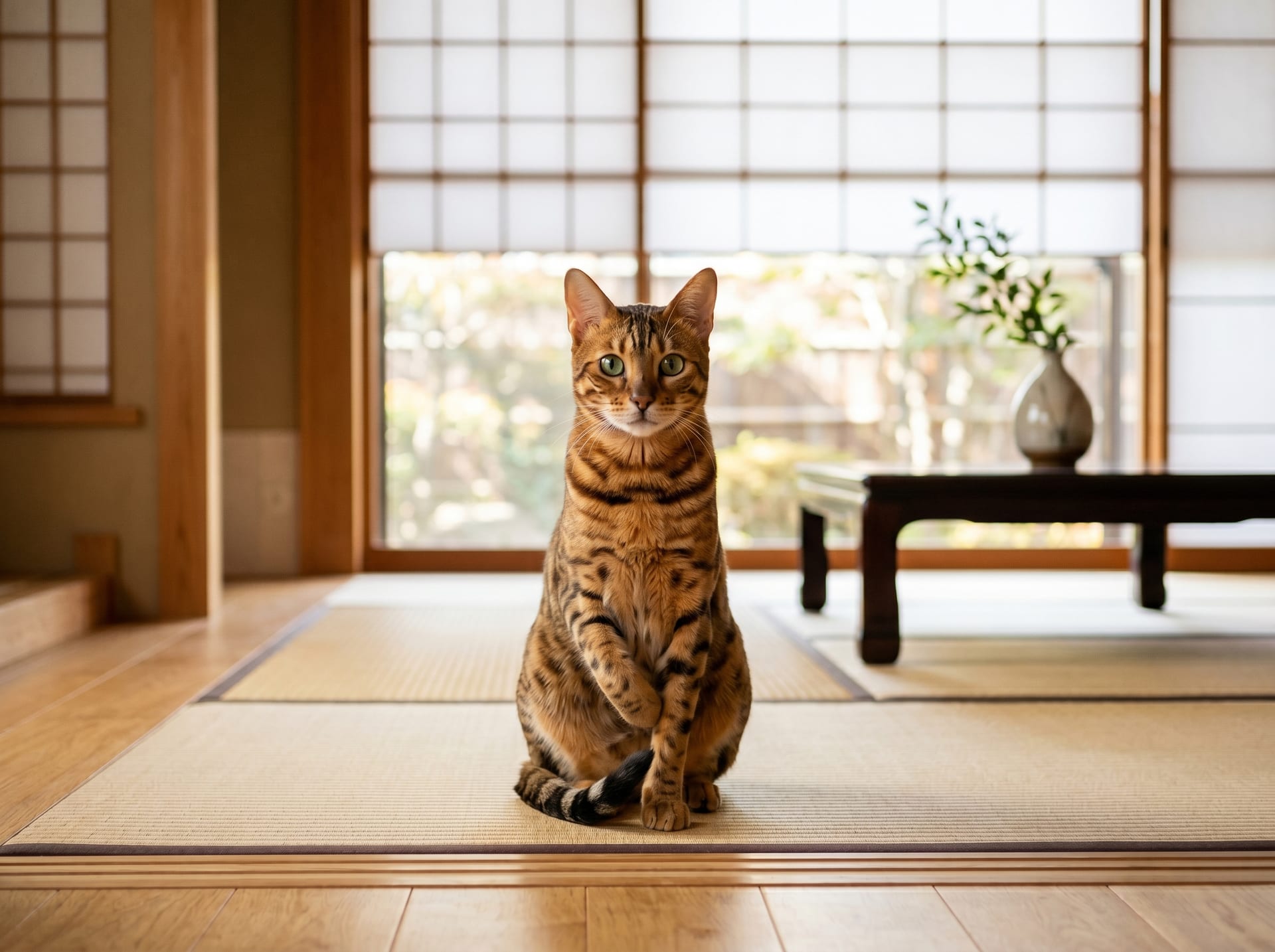
The Savannah Cat is a breed created by crossing the African serval, a wild cat native to the African savanna, Serval (Leptailurus serval), with domestic cats. With their large ears, spotted patterns, long legs, and distinctive body shape, they retain a strong wild appearance and have become increasingly popular worldwide as "wild cats you can keep at home." However, due to their wild nature and legal restrictions, raising one requires thorough preparation and knowledge.
Basic Information
| Item | Details |
|---|---|
| Country of Origin | United States (developed in the 1980s) |
| Serval Bloodline | F1 (50%) to F5 and beyond (approximately 6%) |
| Weight | 5–11 kg (varies by generation) |
| Body Length (head to rump) | 50–60 cm (1.5–2 times larger than domestic cats) |
| Lifespan | 12–20 years |
| Difficulty Level | Advanced (★★★★☆) |
Differences by Generation (F Generations)
Savannah Cats are classified as F1 to F7 and beyond based on their distance from the serval. The smaller the number, the more serval blood they carry, and the more wild their nature.
| Generation | Serval Bloodline Ratio | Build | Temperament | Acquisition Difficulty |
|---|---|---|---|---|
| F1 | Approx. 50% | Large (8–11 kg) | Extremely wild | Extremely rare |
| F2 | Approx. 25% | Large (7–9 kg) | Wild | Rare |
| F3 | Approx. 12% | Medium to large (6–8 kg) | Somewhat wild | Somewhat rare |
| F4–F5 | Approx. 6–3% | Medium (5–7 kg) | Manageable | Relatively available |
| F6 and beyond | 3% or less | Nearly domestic cat size | Similar to domestic cats | Available |
In Japan, Savannah Cats kept as pets are primarily F4–F6 generations. F1 and F2 have extremely wild temperaments and are intended for breeders with specific experience.
Legal Regulations
CITES (Convention on International Trade in Endangered Species)
- Serval (parent species) is listed on CITES Appendix II. Commercial imports require export permits from the source country.
- F1 Savannah Cats may face restrictions on import.
Japanese Law
- Serval itself: Not designated under the Invasive Alien Species Act, but some municipalities may require notification of ownership.
- F1–F3 Savannah Cats: Some municipalities have established breeding bans or permit systems. Always check with your local municipality.
- F4 and beyond: Generally can be kept as ordinary cats, but confirmation is still recommended.
Raising Environment
Space Requirements
Savannah Cats are far more active than typical domestic cats and require considerable space.
| Recommendation | Details |
|---|---|
| Minimum floor area | 40 m² or more (equivalent to a 2-bedroom apartment) |
| Ceiling height | 2.4 m or higher (to accommodate high jumps) |
| Ideal setup | Dedicated indoor cat runway, cat towers, and/or outdoor enclosures |
Safety Measures
- Escape prevention: Install barriers or escape-prevention fencing on windows and doors (be mindful of their high jumping ability).
- Cat towers: Install multiple large towers 2–3 m in height.
- Protection for walls and furniture: Install numerous scratching posts, or furniture will suffer catastrophic damage.
Feeding Management
Savannah Cats have high metabolism and require high-quality protein.
Main Diet
| Food Type | Details |
|---|---|
| High-protein, low-carbohydrate dry food | Premium food with 40% or higher protein content |
| Wet food | Meat-based options such as chicken, fish, or turkey |
| Raw food (BARF diet) | Effective for F1–F3 generations. Raw chicken, rabbit meat, organs |
Important Notes
- Dry food with high grain or corn content may not suit their digestive system.
- Taurine deficiency increases the risk of hypertrophic cardiomyopathy, so supplement with taurine-specific supplements or cat food.
- Provide clean water at all times (they tend to prefer flowing water from fountains).
Temperament and Behavioral Characteristics
Positive Traits
- Dog-like sociability: Many enjoy walks and water play.
- High intelligence: Training with commands is possible.
- Leash walking: They adapt well to harness walks.
- Family bonding: They show deep attachment to specific people.
Notable Characteristics to Consider
- High energy levels: They spend hours running around daily. Lack of exercise leads to destructive behavior.
- Territorial instinct: They can become aggressive toward other pets, especially small animals and dogs.
- Strong independence: Some individuals (especially F1–F2) may resist handling.
- Nocturnal tendencies: They tend to run around at night. It may be best to keep them in a separate room from your bedroom.
Socialization and Training
Importance of Early Socialization
Socialization during the kitten phase (2–7 weeks of age) determines the cat's lifelong temperament.
- Choose individuals who have already been well-socialized by the breeder.
- Expose them early to various people, sounds, and environments.
- Clicker training: Savannah Cats are highly intelligent and learn quickly.
Training Applications
- You can teach commands such as "sit" and "high five."
- Begin harness-walking training in early kittenhood.
- Provide intellectual stimulation with food puzzles daily.
Health Management
Common Health Issues
| Condition | Characteristics |
|---|---|
| Hypertrophic cardiomyopathy (HCM) | A genetic risk for Savannah Cats. Annual heart ultrasounds are recommended. |
| Digestive issues | More common with grain-heavy diets. If diarrhea or vomiting occurs frequently, reconsider their diet. |
| Bone fractures | Risk from falls from high places, especially in young kittens. |
| Infections | Regular vaccinations (three-in-one, rabies, etc.) should be given. |
Regular Health Checkups
- Veterinary visits 1–2 times per year.
- Comprehensive checks including blood work, urinalysis, and heart ultrasound.
- Regular parasite treatment (flea, tick, and roundworm prevention).
Raising Savannah Cats as a Breeder
Required Permits
- Registration for animal handling business (for sales and breeding).
- For F1–F3, notification or permits from prefectural authorities may be required.
Breeding Specifics
- F1 males are infertile (males become fertile from F4 onward).
- Most F2 males are also infertile. Breeding males begin appearing in the F3 generation.
- Breeding requires ensuring genetic diversity and proper generational management.
Checklist Before Purchase
Key points to confirm when purchasing from a trustworthy breeder:
- Generation certificate (proof of F generation)
- CITES certificate (for F1–F3)
- Health certificate (virus and parasite testing completed)
- Socialization history (documentation of environmental exposure)
- After-sales support (can they provide advice on raising the cat?)
Summary
The Savannah Cat is a special breed valued for its wild beauty and dog-like sociability. However, due to their wild heritage, they require more space than ordinary cats, greater outlets for their energy, and legal verification. In particular, F1–F3 generations are intended for experienced breeders; if this is your first Savannah Cat, we recommend starting with an F4–F5 generation. BreederDirect occasionally lists breeder information for Savannah Cats with certificates. Please welcome your new companion from a trustworthy breeder.