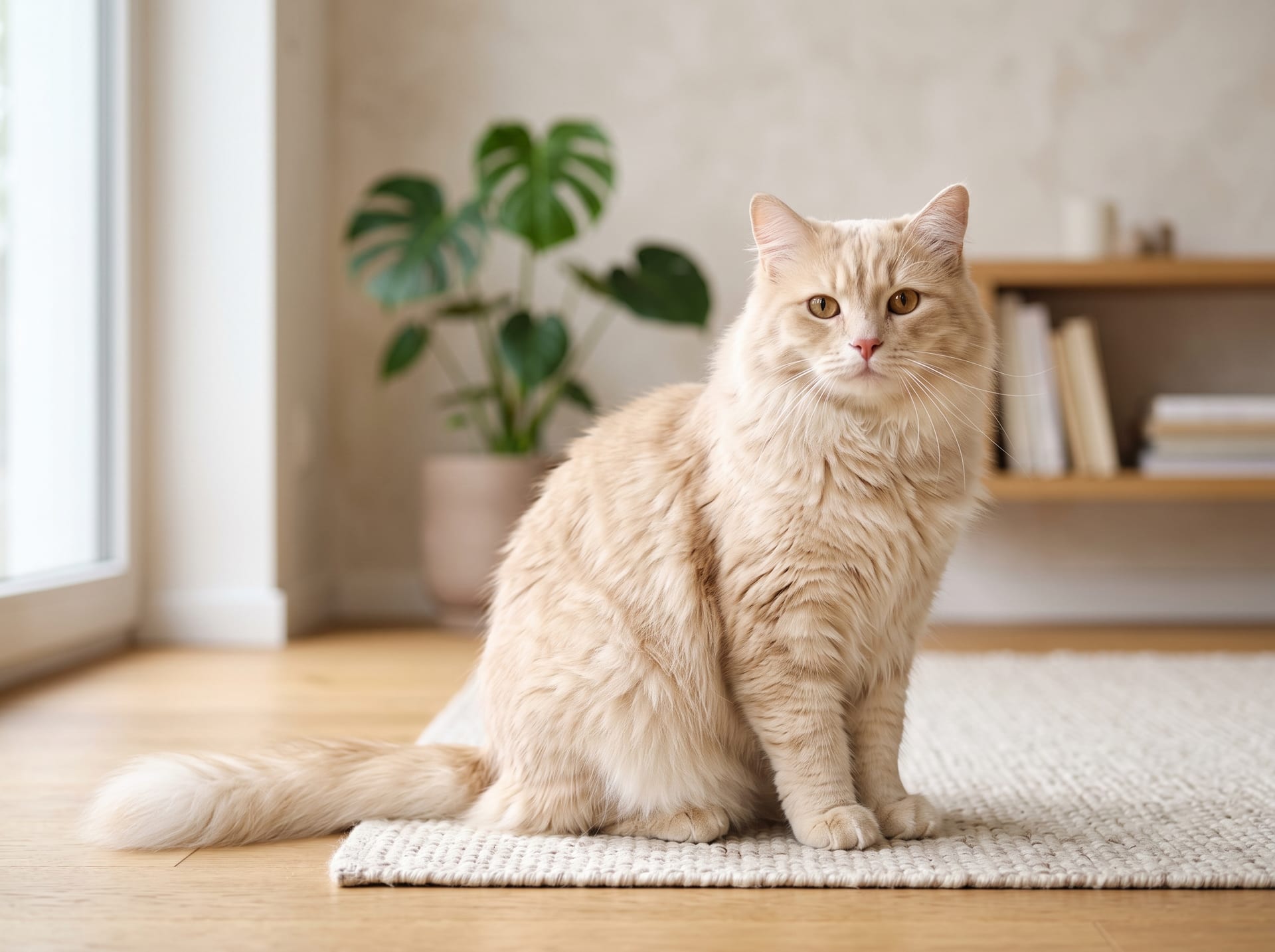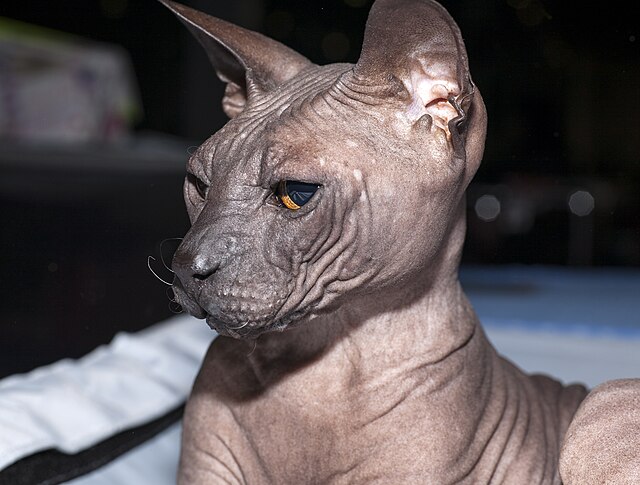
AI-generated image
Savannah
AdvancedLarge hybrid of African Serval and domestic cat. Dog-like loyalty with wild appearance. Needs experienced owner.
Difficulty
Advanced
Temperature
18〜28℃
Lifespan
12-20 years
Size
Weight 3.5-11kg (varies by generation)
Diet
High-protein cat food. Raw diet may be considered.
About
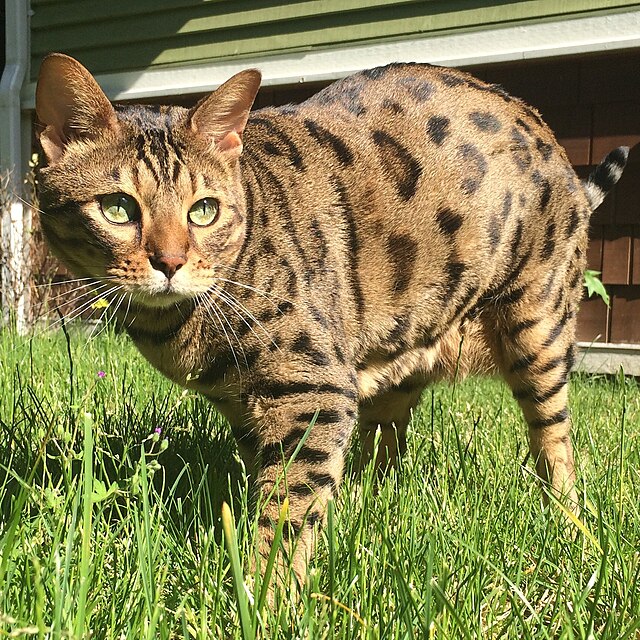
The Savannah is a hybrid cat breed developed by crossing domestic cats with the African serval (Leptailurus serval), a medium-sized wild cat native to sub-Saharan Africa. The first known Savannah was produced in 1986 by American breeder Judy Frank, and the breed was further developed by Patrick Kelly and Joyce Sroufe. Savannahs are large, long-legged cats with prominent ears and a spotted coat pattern inherited from their serval ancestry. The degree of serval influence decreases across successive generations (F1 through F5+). Savannahs are highly active, curious, and dog-like, often learning to walk on a leash and enjoying water. The breed is subject to legal restrictions in many jurisdictions.
Source: Wikipedia (CC BY-SA 4.0)
Lifespan of the Savannah
The Savannah lives 12-20 years.
Size of the Savannah
The Savannah grows to Weight 3.5-11kg (varies by generation).
Basic Info
Origin
United States
Lifespan
12-20 years
Size
Weight 3.5-11kg (varies by generation)
Temperature
18〜28℃
Diet
Care Specifications
Semi-aggressiveSolitaryBreeding: Hard
Sources: TICA Savannah Breed
Captive Breeding
Live-bearing
- Gestation
- 63〜67 days
- Litter size
- 2〜4
- Weaning
- 6〜8 wk
- Sexual maturity
- 6〜10 mo
Breeding season: Year-round (estrus more frequent during longer daylight)
Breeding notes
Queens reach sexual maturity at around six months and cycle repeatedly; early spaying is recommended unless breeding is planned. First-time queens tend to have smaller litters.
Breeding requires planning, proper husbandry, and responsibility. These figures are general guidelines.
Sources: International Cat Care - Cat pregnancy / MSD Vet Manual - Breeding & Reproduction of Cats / Savannah Cat Association - F1/F2/F3 explained
References & Sources
Edited & verified by: BreederDirect editorial team
The taxonomic, regulatory, and husbandry data on this page are compiled and verified against the authoritative primary sources below.
Taxonomy & Authority
Accepted name: Linnaeus, 1758
Synonyms: Felis silvestris catus
Authority databases: GBIF · GBIF: Felis catus · TICA breed profiles
Nomenclature follows global taxonomic authority databases.
Regulations & Conservation Status
Serval (Leptailurus serval, CITES Appendix II) and domestic cat hybrid. Early generations (F1–F4) have strong wild ancestry with restrictions on import, captive breeding, and sale; general commercial circulation is minimal. Those available as pets are primarily F5 and beyond.
Sources: CITES Checklist (Leptailurus serval Appendix II)
Regulations may change. Always verify the latest information with the relevant authorities.
Savannah Listings
Loading latest listingsFind listings for this species