Complete Guide to Keeping Savannah Monitors | Introduction to Large Lizard Husbandry | ブリちょく
Reptiles| ✍️ BreederDirect Editorial
Complete Guide to Keeping Savannah Monitors | Introduction to Large Lizard Husbandry
A beginner's guide to caring for Savannah Monitors (Varanus exanthematicus). This guide covers enclosure sizing, basking temperatures, diet management centered on insects and rodents, handling techniques, common diseases, and health care in detail.
Key Takeaways
A beginner's guide to caring for Savannah Monitors (Varanus exanthematicus). This guide covers enclosure sizing, basking temperatures, diet management centered on insects and rodents, handling techniques, common diseases, and health care in detail.
What Kind of Lizard Is the Savannah Monitor?
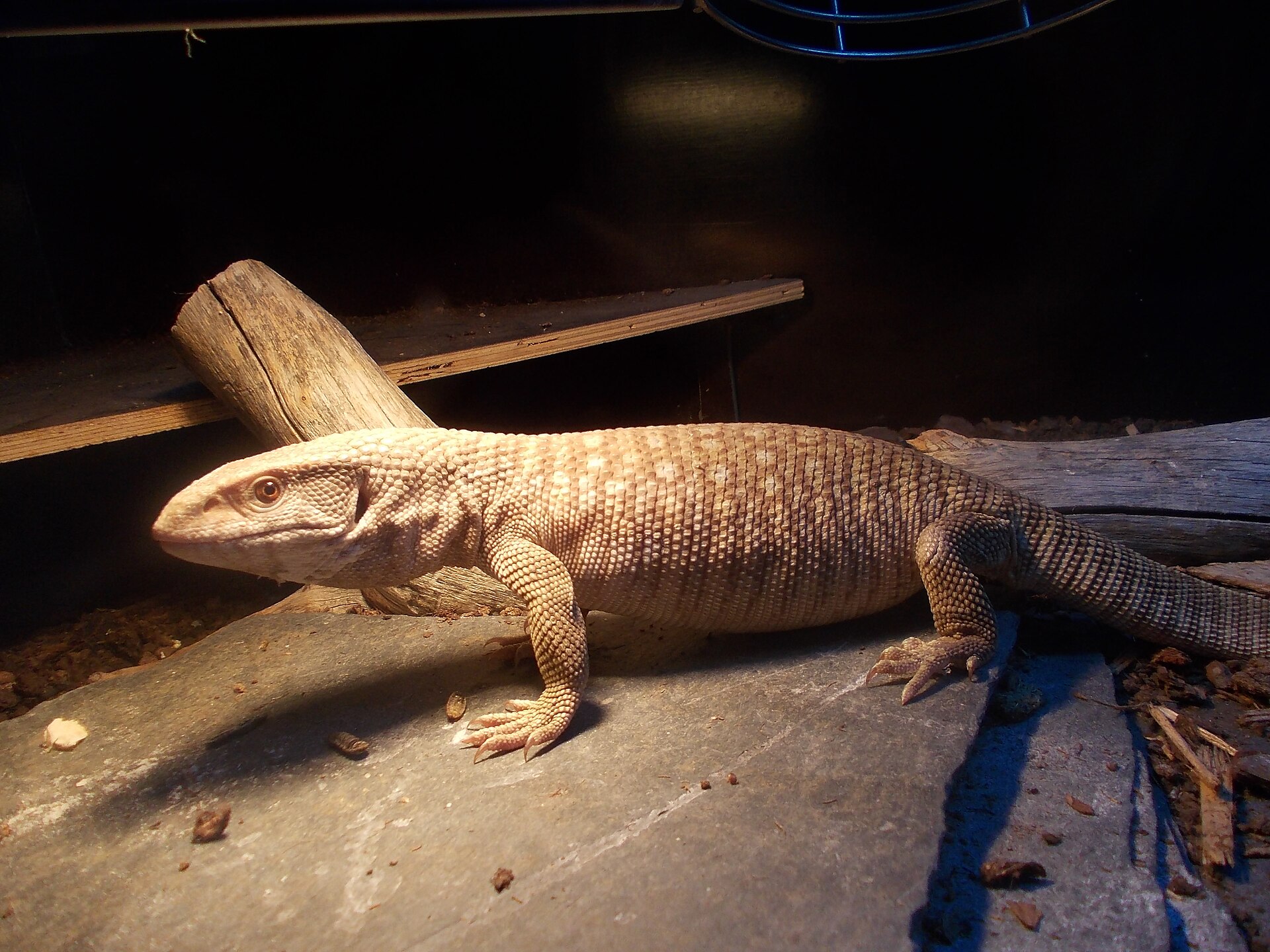
The Savannah Monitor (Varanus exanthematicus) is a large monitor lizard native to the savanna regions of West Africa. Adult specimens reach total lengths of 100–130 cm and commonly weigh 3–6 kg. While they require significantly more space and care than Bearded Dragons or Leopard Geckos, they are comparatively docile and intelligent among monitor lizards, and they readily become accustomed to their keepers—earning them enduring popularity among reptile enthusiasts.
✍️
BreederDirect Editorial
The BreederDirect editorial team specializes in care information for animals, covering veterinary care and breeding to deliver beginner-friendly guides.
Find Reptiles on BreederDirect
Buy directly from verified breeders
Browse Related Listings
Find Reptiles listings related to this article on BreederDirect. Buy directly from verified breeders.
Their coloration ranges from gray to olive-brown, with yellowish spotted markings arranged along the back. With proper care, they live 10–15 years. In recent years, captive-bred (CB) Indonesian specimens have become available in Japan, offering lower parasite risk and more stable conditions. While wild-caught (WC) individuals are cheaper, they are not recommended for beginners.
Enclosure Design and Temperature/Humidity Management
Housing adult Savannah Monitors year-round requires an enclosure of at least 180 cm × 90 cm × 90 cm. Commercial reptile enclosures are often too small, so custom-built cages using OSB plywood or wooden frames with polycarbonate panels, or custom orders from specialized reptile manufacturers, are practical options. Juveniles start in 60 cm × 45 cm enclosures and are progressively upgraded as they grow.
Temperature Zone Guidelines
Area
Target Temperature
Basking Spot (Surface)
55–65°C
Hot Side (Ambient)
35–40°C
Cool Side
28–32°C
Nighttime (Overall)
24–28°C
Use 150–250 W incandescent bulbs or focused halogen spotlights for basking, combined with far-infrared ceramic heaters to create a stable temperature gradient. UVB lighting—Reptisun 10.0 or higher fluorescent tubes, or high-output (HO) types—is essential. Install it above the enclosure and maintain a 12-hour photoperiod.
Substrate depth is critical. Savannah Monitors are natural diggers; a substrate blend of cork bark, vermiculite, and topsoil laid 30–50 cm deep is recommended. Shallow substrate leads to stress, reduced appetite, and increased aggression. Maintain humidity at 30–40% on the basking side and 50–60% on the cool side, creating a distinct gradient.
Diet and Nutrition Management
In the wild, Savannah Monitors consume a wide variety of prey including beetles, centipedes, snails, bird eggs, and small mammals. In captivity, insects should form the dietary foundation for optimal health.
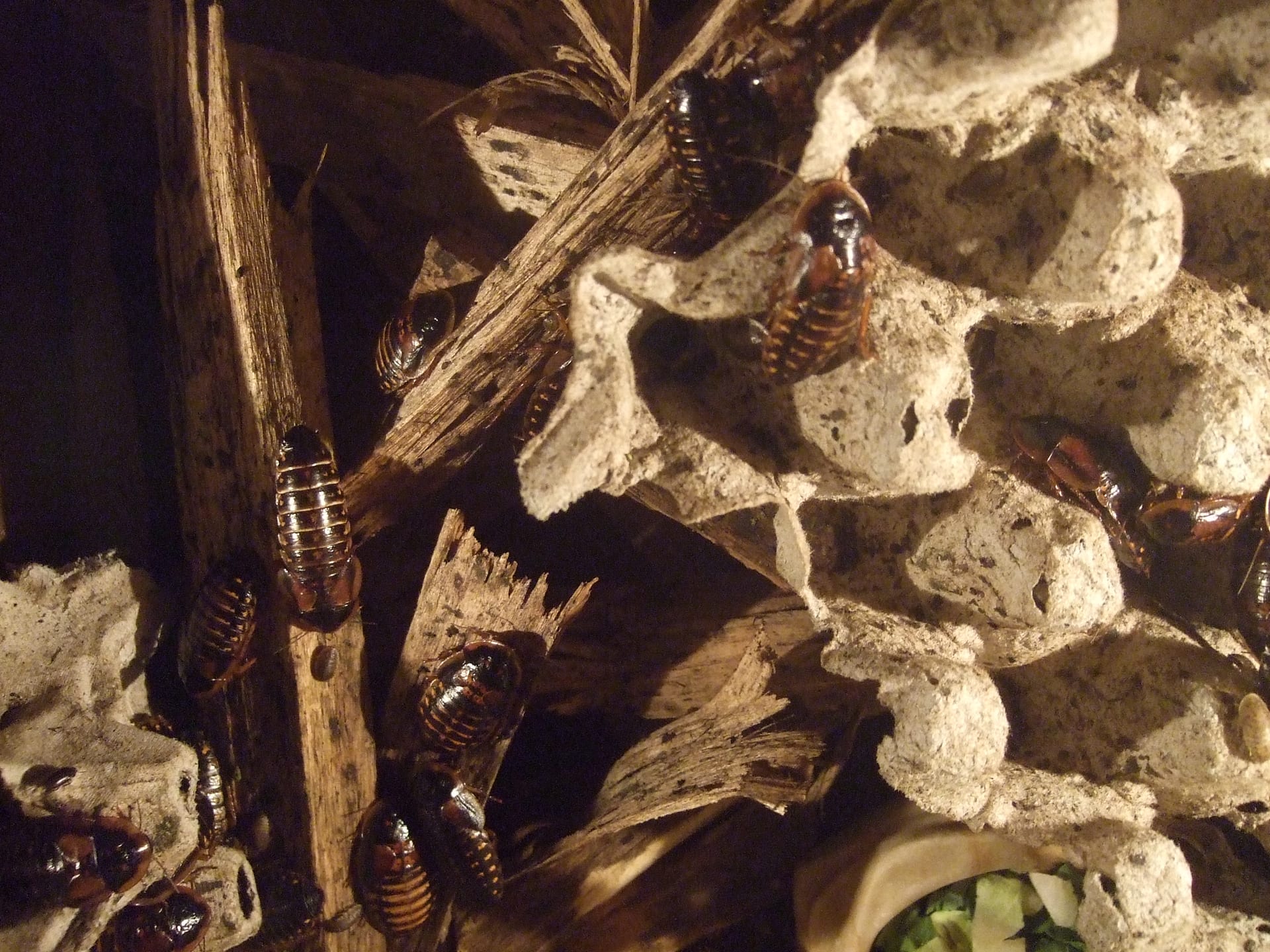
Juveniles (up to ~50 cm): Feed crickets, dubia roaches, and honey worms daily to every other day. Prey size should be no larger than half the head width.
Adults: Feed dubia roaches, superworms, and darkling beetle larvae as the primary diet, 2–3 times per week. Frozen mice and rats are high in fat and protein; limit them to 2–4 times monthly as supplements. Daily feeding leads to organ disease and obesity within years—one of the most common husbandry mistakes that drastically shortens lifespan.
Dust all feeder insects with calcium powder at every feeding, and add vitamin D3-supplemented products 1–2 times weekly. Always provide fresh water; a large, shallow water bowl allows full-body soaking, which aids shedding.
Handling and Taming
Juveniles are shy and quick to escape, but consistent interaction from 3–6 months of age develops tame, docile adults.
Step 1 (Weeks 1–2): Simply place your hand inside the enclosure without moving; let the lizard approach on its own.
Step 2 (Weeks 3–4): Support the belly firmly from below and lift gently. Practice short 15–20 minute handling sessions daily.
Step 3 (1–2 months in): Handle when the lizard is warm (about 30 minutes after basking) for a calmer experience.
Even adults may tail-whip or scratch; adult tail strikes are powerful. Safe handling methods include supporting from the hips or resting the animal on your lap while seated cross-legged. Forcing restraint is counterproductive—always watch for signs of distress.
Health Management and Common Diseases
Metabolic Bone Disease (MBD): Caused by chronic calcium or vitamin D3 deficiency, leading to bone deformity and fractures. Prevention involves adequate UVB exposure and calcium supplementation at every feeding.
Obesity and Fatty Liver: Excessive rodent feeding is the primary cause. Inability to feel the ribs indicates overweight. Review feeding frequency and diet composition.
Respiratory Infections: Poor temperature management (especially cold nights) and excessive humidity are common triggers. Signs include open-mouth breathing and repeated sneezing. Seek veterinary care from a reptile-experienced vet promptly.
Parasites: Wild-caught specimens often carry intestinal parasites; fecal exams and health checks are essential after purchase. Even CB animals should receive a post-purchase vet visit—this is fundamental to long-term success.
Summary: The Right Mindset for Keeping Savannah Monitors
While positioned as a beginner's large reptile, the "large" aspect carries significant cost and responsibility. Provide adequate enclosure space, precise temperature control, insect-focused diet, and regular veterinary care before bringing one home.
Conversely, with proper care, they become long-term (10+ years) companions and are among the few large reptiles capable of building genuine trust through handling. Those considering Savannah Monitors should perfect their enclosure and equipment setup before acquiring an individual.