Source: Wikimedia Commons
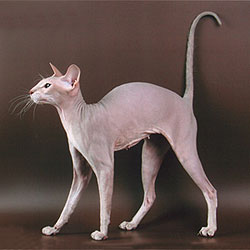
Donskoy
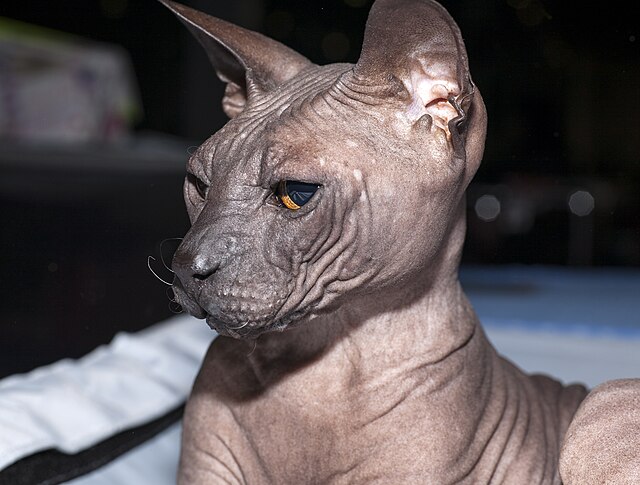
AdvancedRussian hairless breed from Rostov-on-Don. Dominant hairless gene differs from Sphynx. Muscular with warm, soft skin.
Difficulty
Advanced
Temperature
18〜28℃
Lifespan
12-15 years
Size
Weight 2.5-5kg
Diet
Cat food (complete nutrition)
About
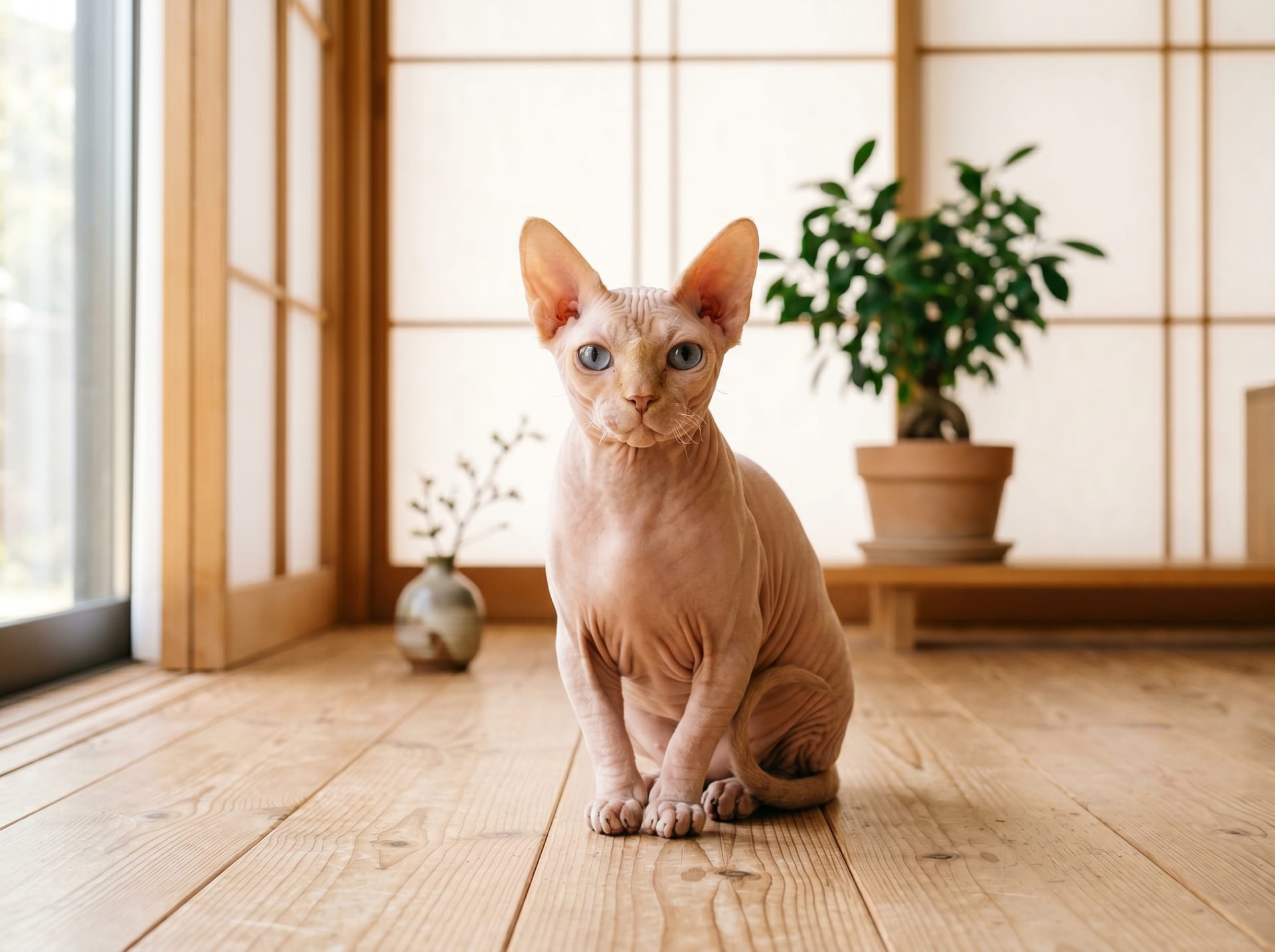
The Donskoy, also known as the Don Sphynx, is a hairless cat breed originating in Russia, discovered by Elena Kovaleva in Rostov-on-Don in 1987. Unlike the Canadian Sphynx, the Donskoy's hairlessness is caused by a dominant gene mutation, meaning hairless offspring can result from crossing a Donskoy with a coated cat. Donskoy cats have medium-sized, muscular bodies with wrinkled, warm skin. Their coat can range from completely hairless to a soft, brush-like fuzz, and some individuals grow a partial winter coat. They require regular bathing and warm environments. Donskoys are highly affectionate, social, and intelligent cats that dislike prolonged solitude.
Lifespan of the Donskoy
The Donskoy lives 12-15 years.
Size of the Donskoy
The Donskoy grows to Weight 2.5-5kg.
Basic Info
Origin
Russia
Lifespan
12-15 years
Size
Weight 2.5-5kg
Temperature
18〜28℃
Diet
Cat food (complete nutrition)
Care Guide
References & Sources
Edited & verified by: BreederDirect editorial team
The taxonomic, regulatory, and husbandry data on this page are compiled and verified against the authoritative primary sources below.
Primary sources
Taxonomy & Authority
Accepted name: Linnaeus, 1758
Synonyms: Felis silvestris catus
Authority databases: GBIF · GBIF: Felis catus · TICA breed profiles
Nomenclature follows global taxonomic authority databases.
Donskoy Listings
Loading latest listingsFind listings for this species