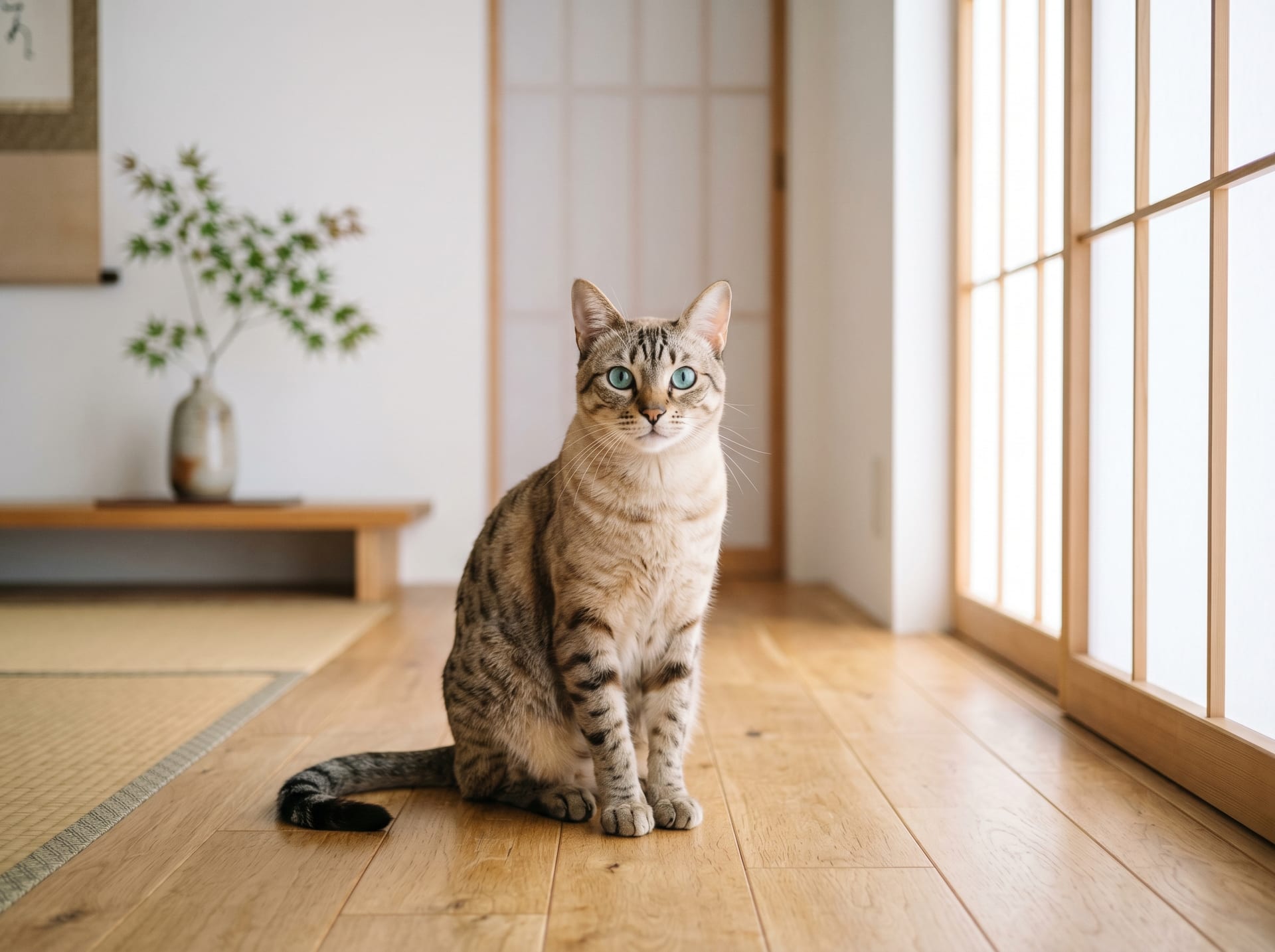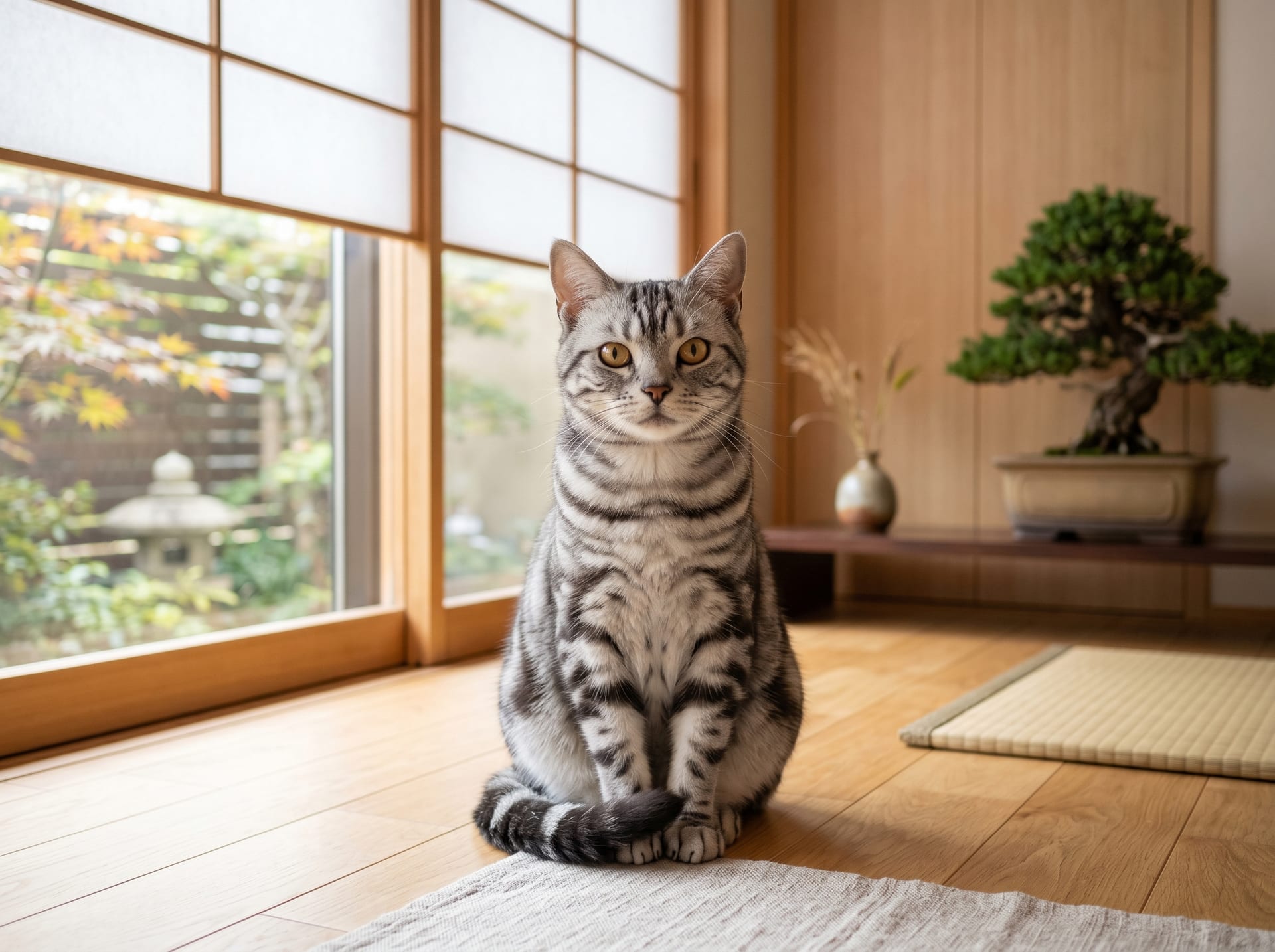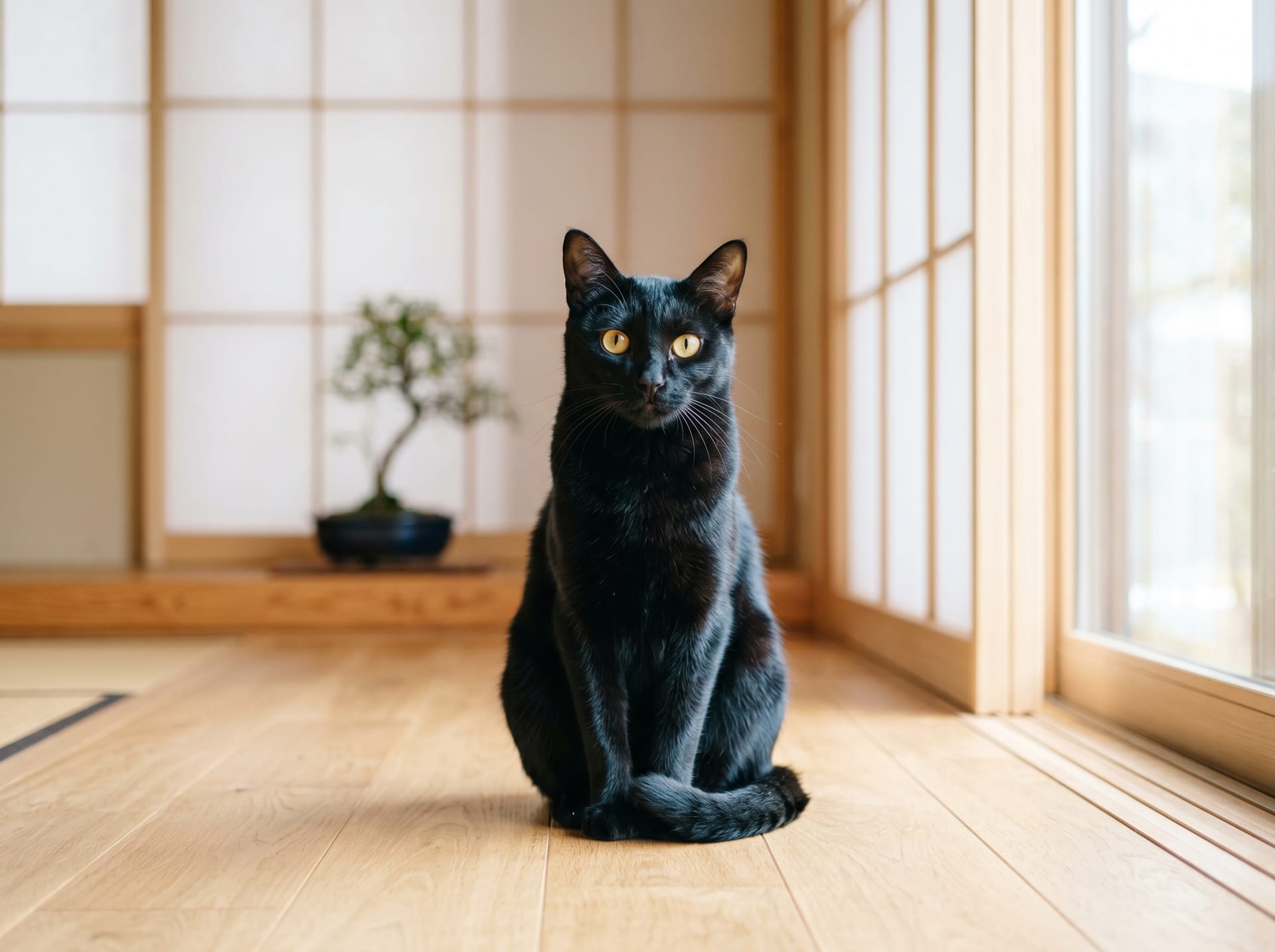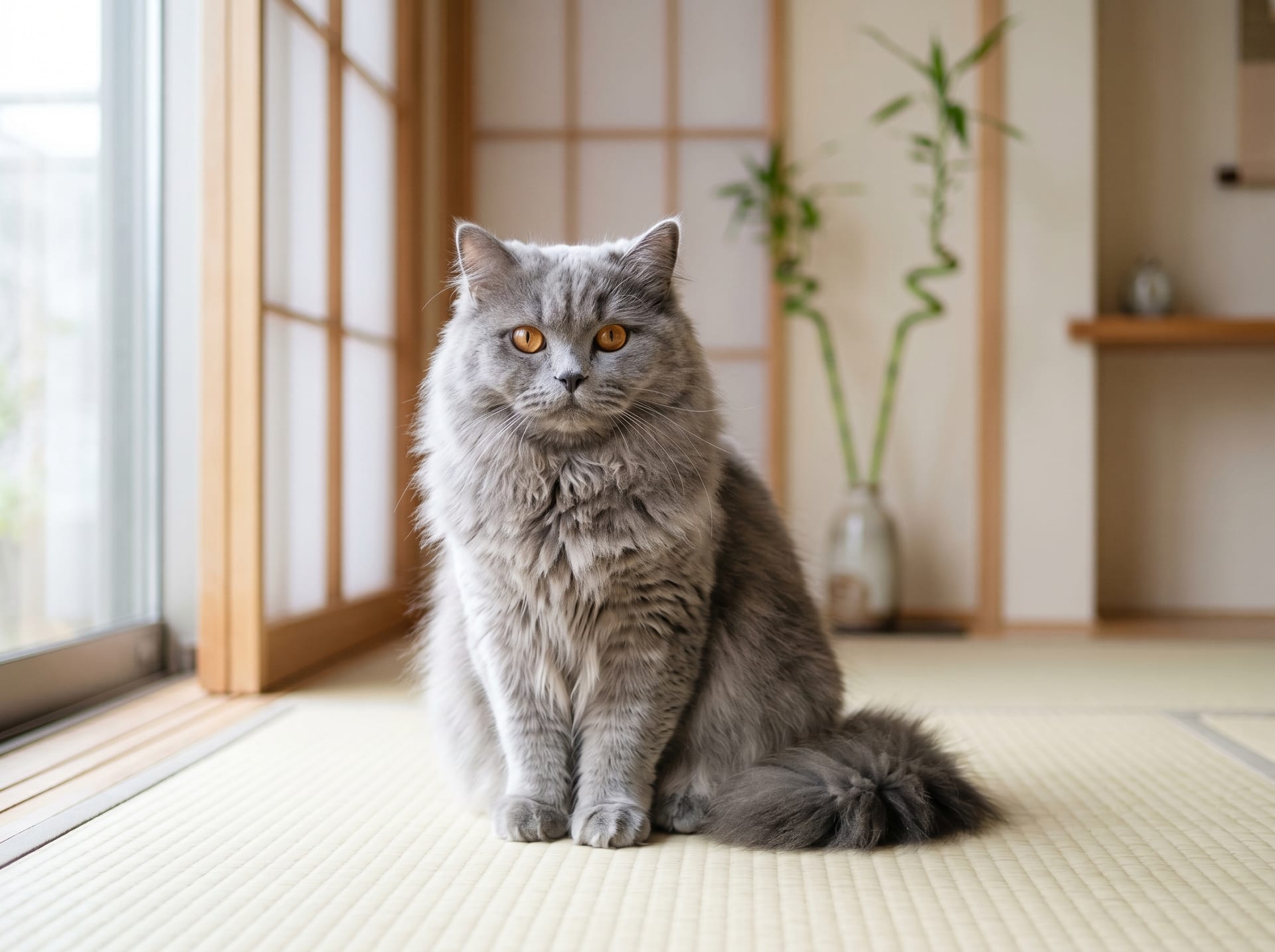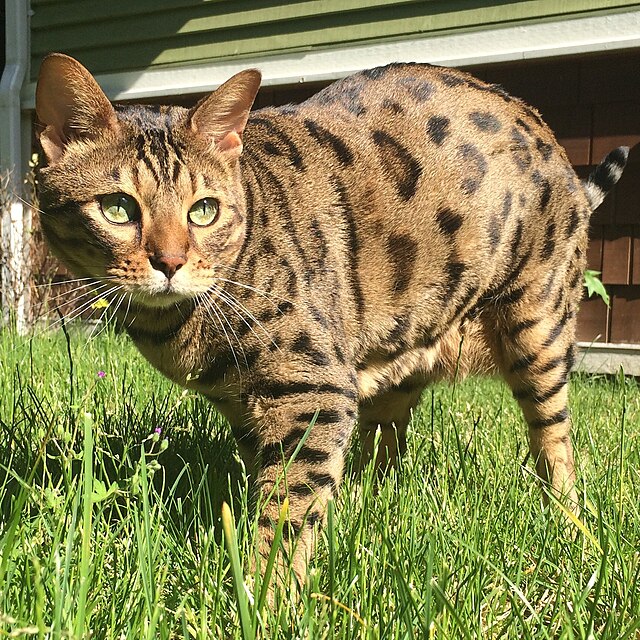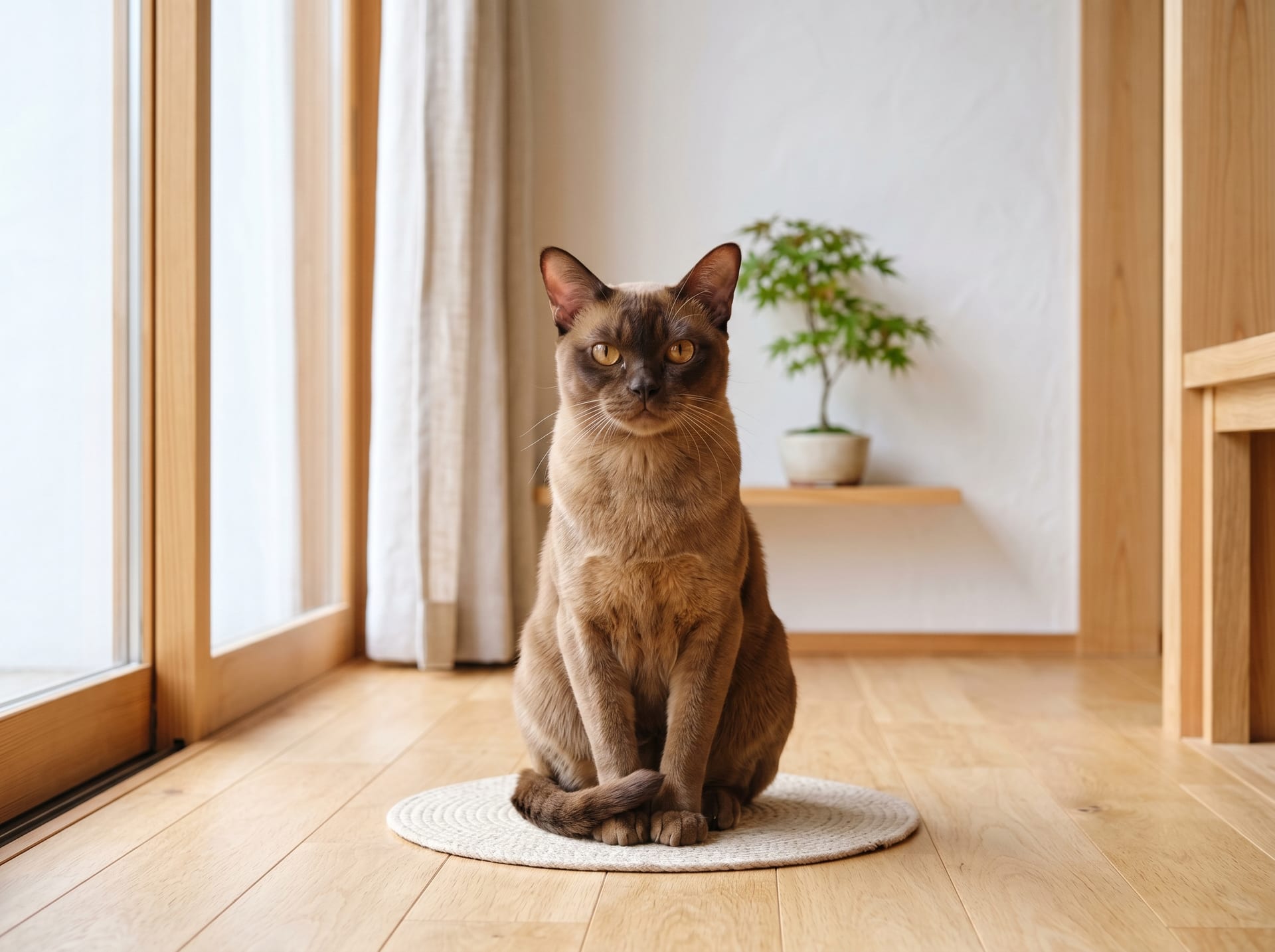
AI-generated image
American Burmese
BeginnerAmerican type of Burmese. Rounded body and large round eyes, affectionate and sociable.
Difficulty
Beginner
Temperature
18〜28℃
Lifespan
10-17 years
Size
3.5-5.5kg
Diet
Dry food, balanced diet
About
The American Burmese is the North American standard of the Burmese breed, developed separately from the British Burmese and distinguished by a rounder, more cobby body, broader head, and larger round eyes. Like all Burmese, it descends from Wong Mau, a cat brought from Burma to the United States in 1930. American Burmese are compact and heavy-boned cats with a satin-like short coat available in several colors, with sable (dark brown) being traditional. They are extremely affectionate, people-oriented cats often described as dog-like. Health concerns specific to the American type include a genetic predisposition to craniofacial defects. The breed CFA registers simply as "Burmese" is this American type, treated as a separate breed from the European Burmese.
Lifespan of the American Burmese
The American Burmese lives 10-17 years.
Size of the American Burmese
The American Burmese grows to 3.5-5.5kg.
Basic Info
Origin
United States
Lifespan
10-17 years
Size
3.5-5.5kg
Temperature
18〜28℃
Diet
Dry food, balanced diet
Care Guide
References & Sources
Edited & verified by: BreederDirect editorial team
The taxonomic, regulatory, and husbandry data on this page are compiled and verified against the authoritative primary sources below.
Primary sources
Taxonomy & Authority
Accepted name: Linnaeus, 1758
Synonyms: Felis silvestris catus
Authority databases: GBIF · GBIF: Felis catus · TICA breed profiles · CFA breed profiles
Nomenclature follows global taxonomic authority databases.
American Burmese Listings
Loading latest listingsFind listings for this species