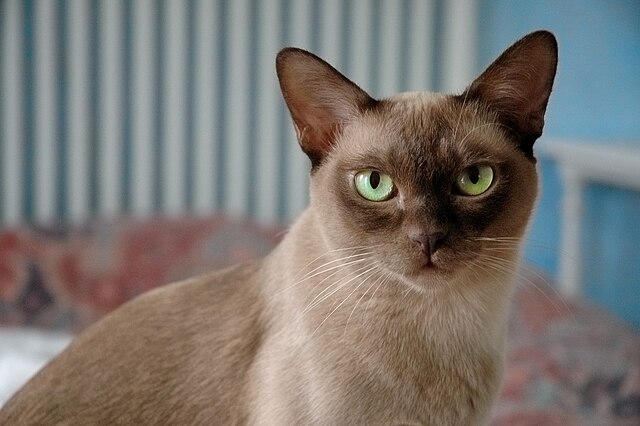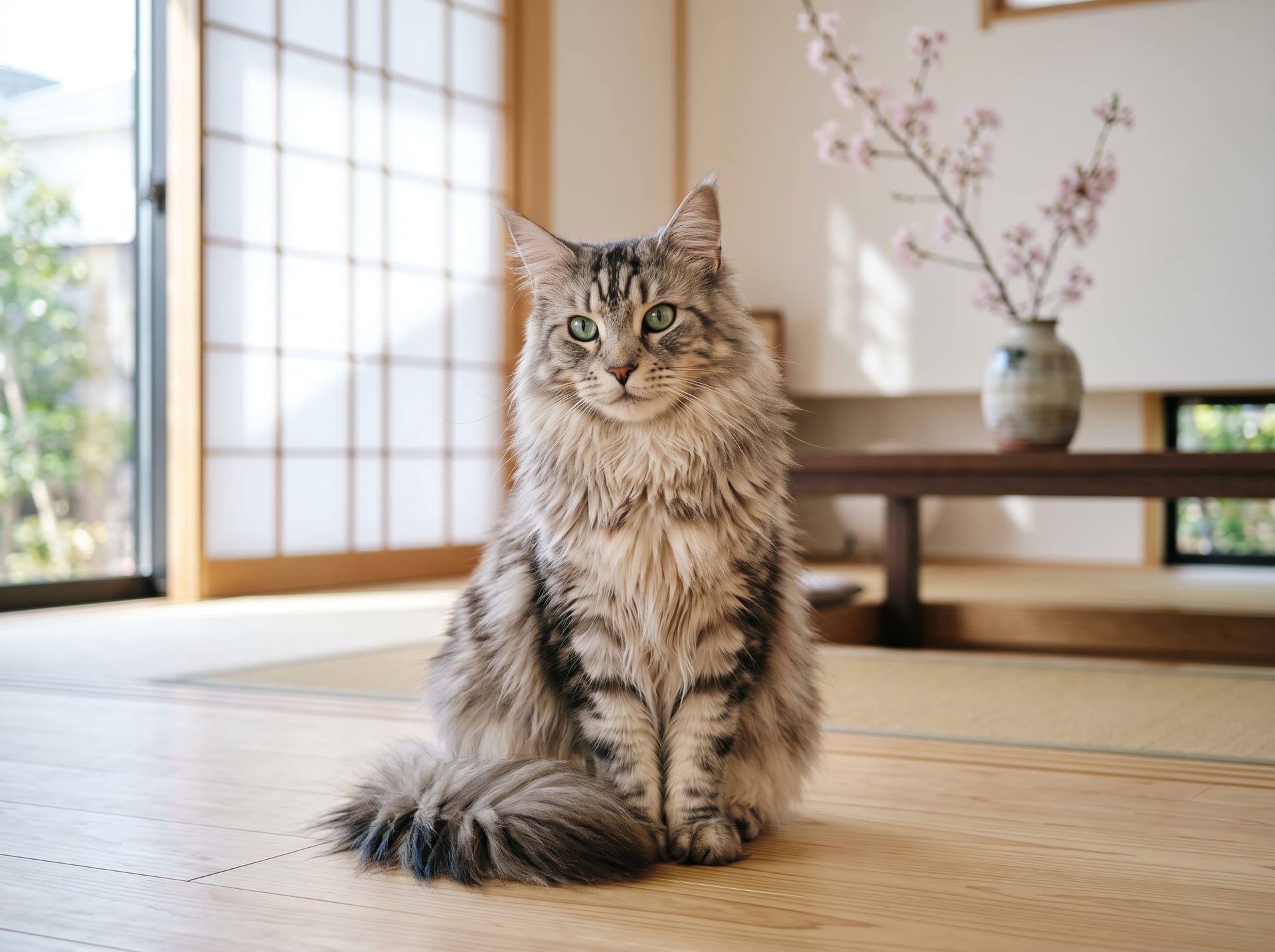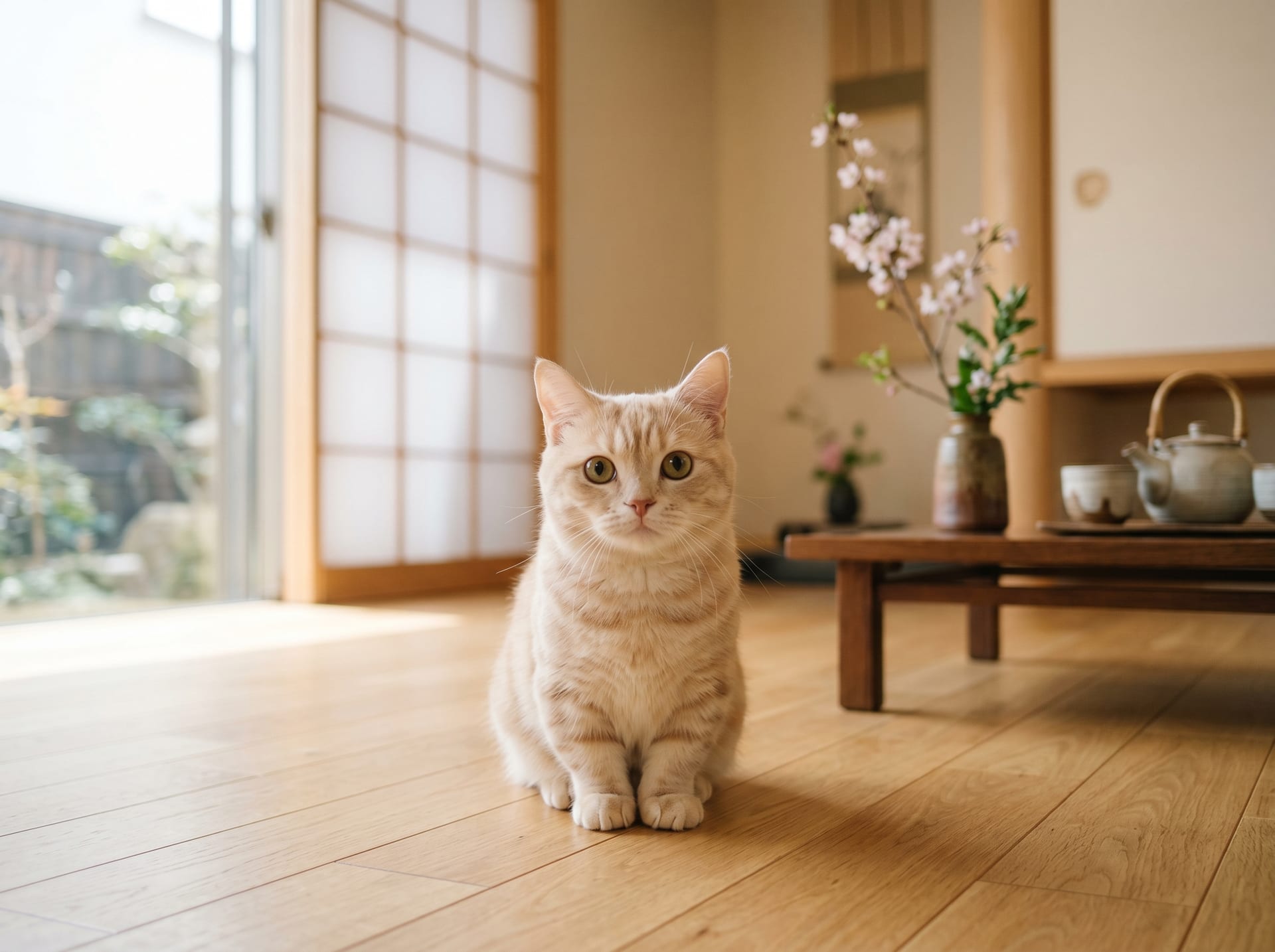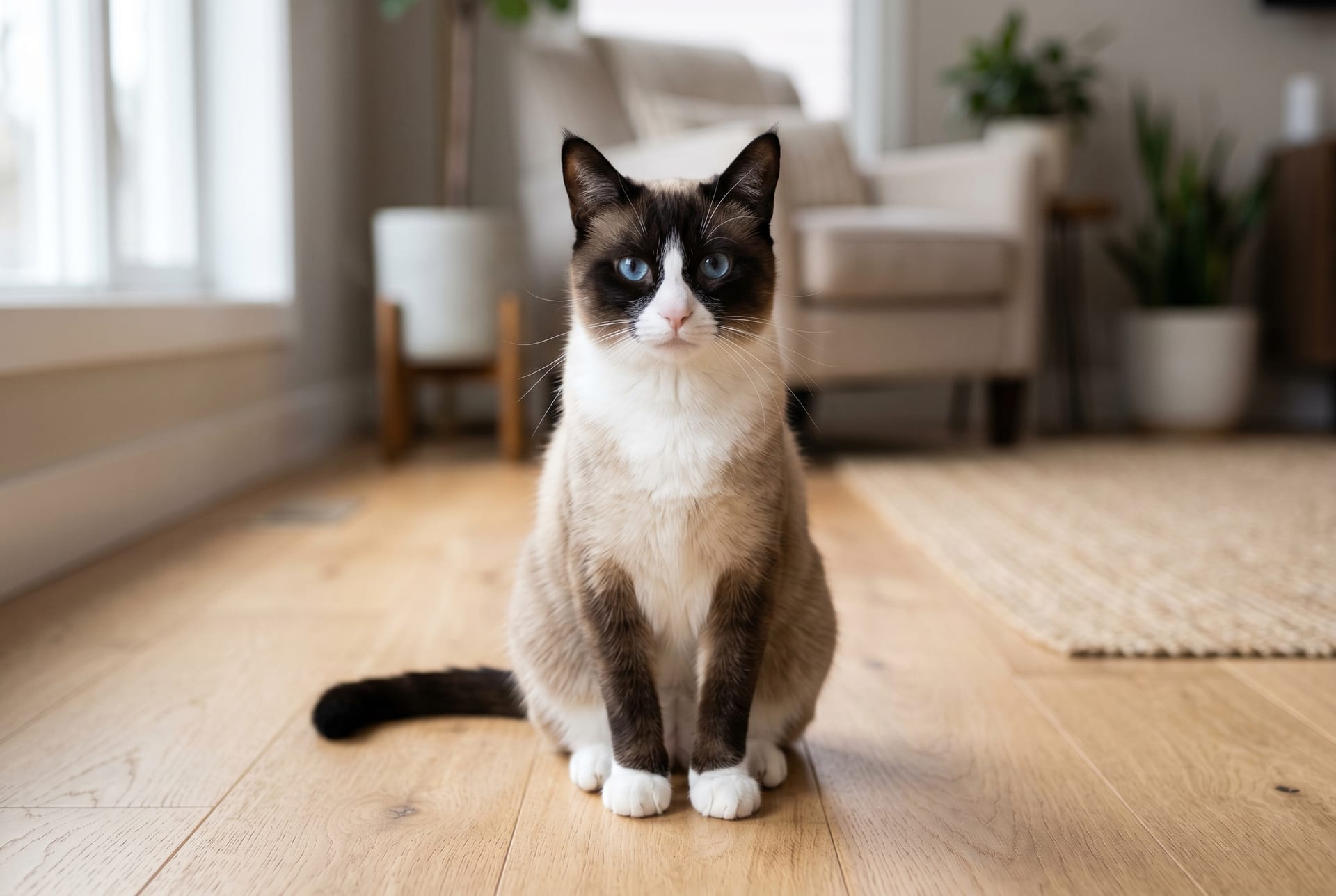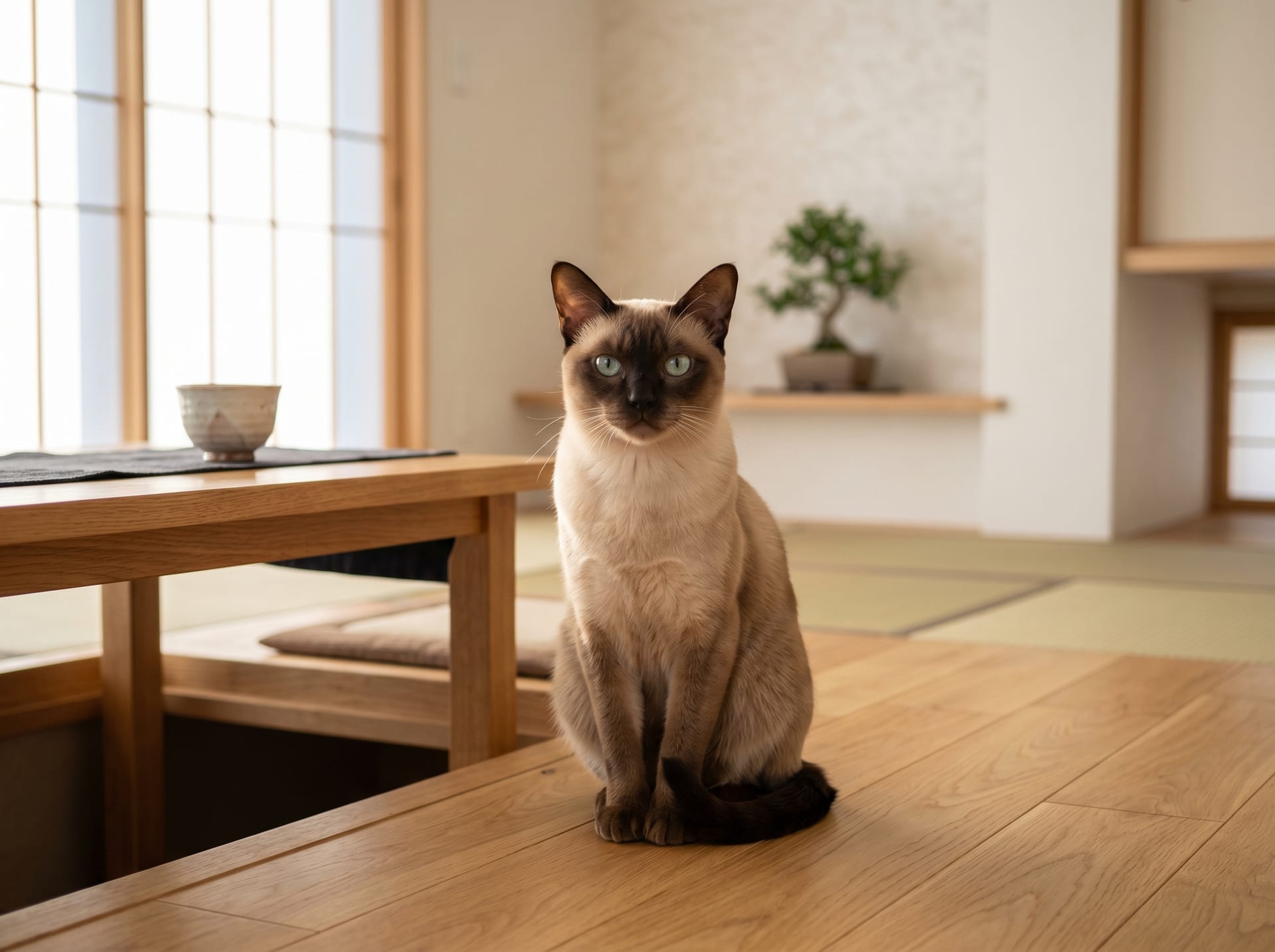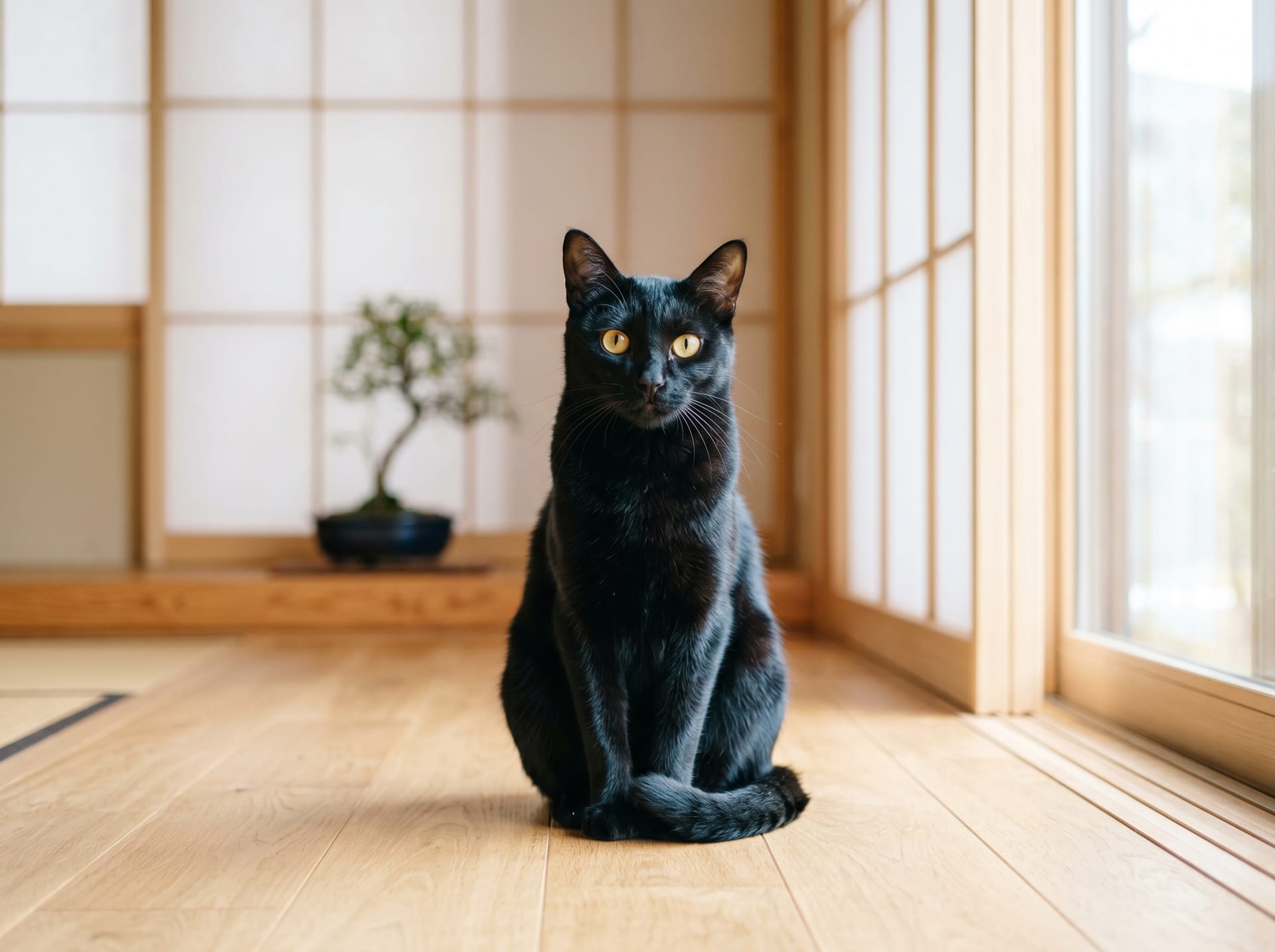
AI-generated image
Bombay
BeginnerJet black coat like a miniature panther with large copper eyes. Extremely social and people-loving.
Difficulty
Beginner
Temperature
18〜28℃
Lifespan
12-16 years
Size
Weight 3-5kg
Diet
Complete nutrition cat food. Portion control to prevent obesity.
About
The Bombay is a breed of domestic cat developed in the United States in the 1950s by Kentucky breeder Nikki Horner, who crossed sable Burmese with black American Shorthairs to create a cat resembling a miniature black panther. The breed is named after Bombay (now Mumbai), India, where black leopards are found. Bombays have a jet-black coat, large copper to gold eyes, and a compact, muscular Burmese-like body. They are exceptionally social and affectionate, often described as dog-like in their devotion to their owners, following them throughout the house and seeking constant companionship.
Lifespan of the Bombay
The Bombay lives 12-16 years.
Size of the Bombay
The Bombay grows to Weight 3-5kg.
Basic Info
Origin
United States
Lifespan
12-16 years
Size
Weight 3-5kg
Temperature
18〜28℃
Diet
Complete nutrition cat food. Portion control to prevent obesity.
Care Guide
References & Sources
Edited & verified by: BreederDirect editorial team
The taxonomic, regulatory, and husbandry data on this page are compiled and verified against the authoritative primary sources below.
Primary sources
Taxonomy & Authority
Accepted name: Linnaeus, 1758
Synonyms: Felis silvestris catus
Authority databases: GBIF · GBIF: Felis catus · TICA breed profiles · CFA breed profiles
Nomenclature follows global taxonomic authority databases.
Bombay Listings
Loading latest listingsFind listings for this species