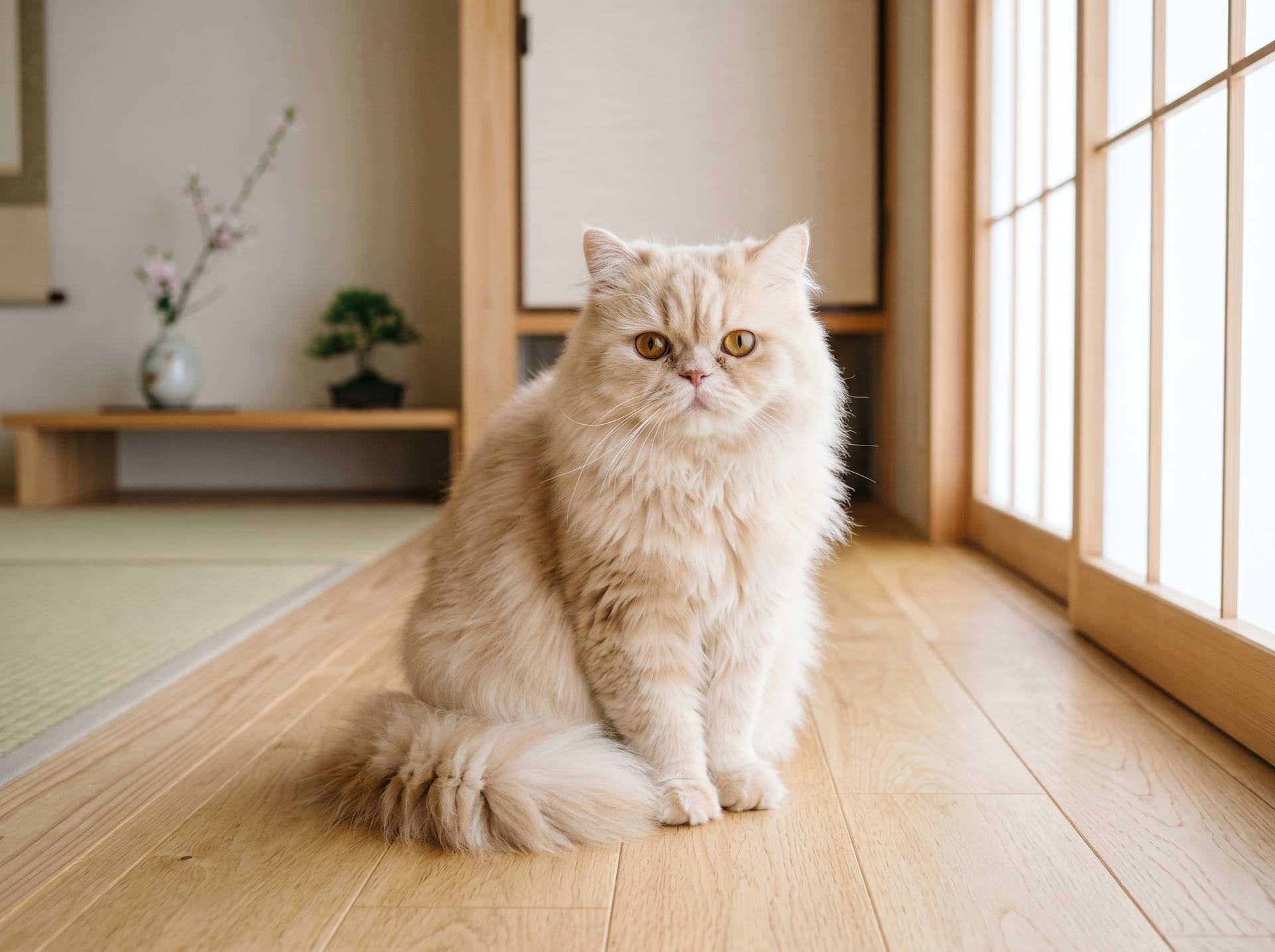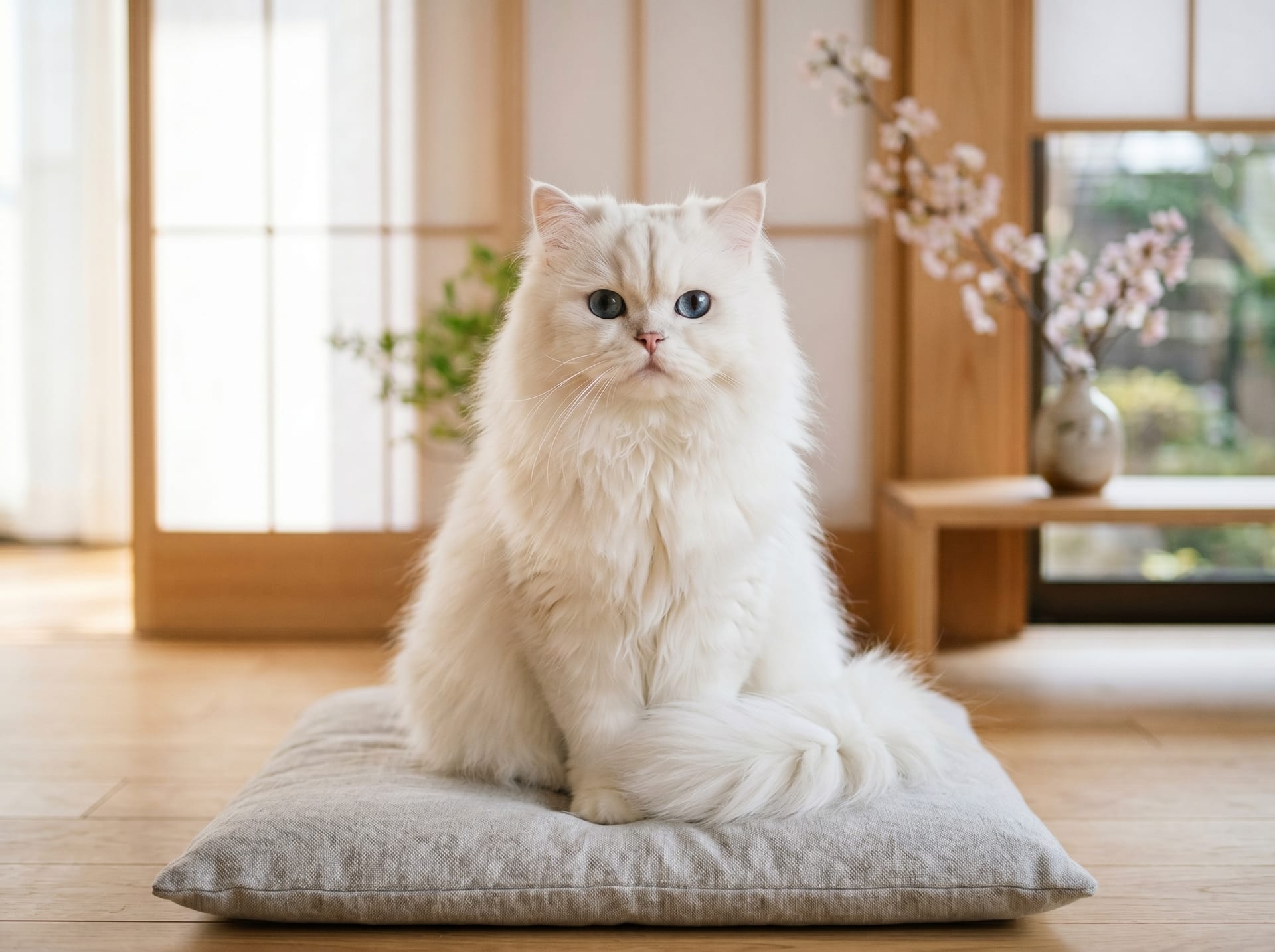
AI-generated image
Persian
IntermediateElegant breed with luxurious long coat and flat face. Calm and gentle; best suited for quiet indoor environments.
Difficulty
Intermediate
Temperature
18〜28℃
Lifespan
12-17 years
Size
Weight 3.5-7kg
Diet
Complete nutrition cat food. Flat dishes recommended to accommodate flat face.
About
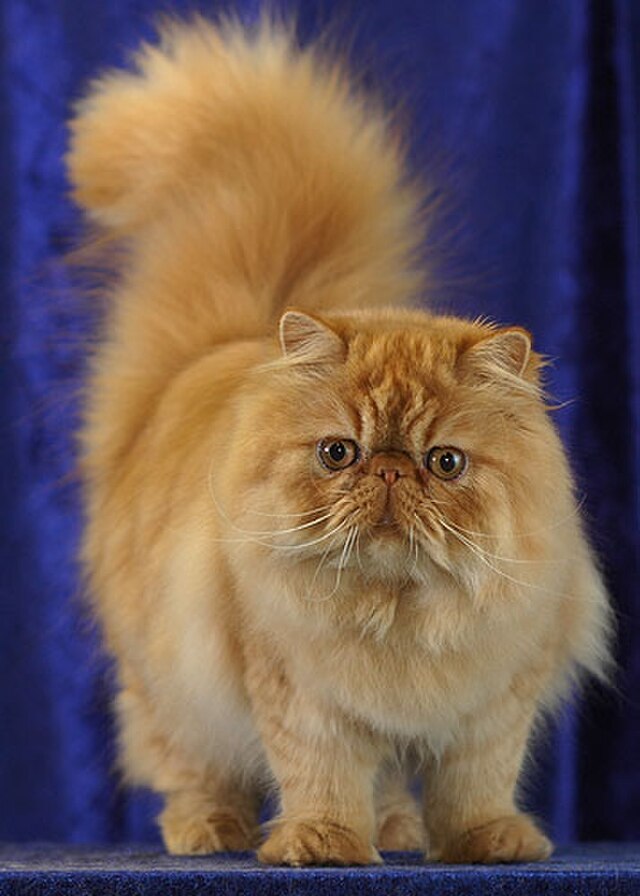
The Persian cat is one of the oldest and most recognized cat breeds, with origins traced to longhaired cats brought from Persia (modern-day Iran) to Europe in the 17th century. Selective breeding in Britain during the 19th century produced the flat-faced appearance associated with modern Persians. They are medium to large cats with a cobby, round body and an extremely long, dense coat requiring daily grooming. Persians are calm, gentle, and affectionate cats that prefer quiet indoor environments. As a brachycephalic breed, they are prone to respiratory issues, tear duct problems, and polycystic kidney disease (PKD).
Lifespan of the Persian
The Persian lives 12-17 years.
Size of the Persian
The Persian grows to Weight 3.5-7kg.
Basic Info
Origin
Iran (Persia)
Lifespan
12-17 years
Size
Weight 3.5-7kg
Temperature
18〜28℃
Diet
Complete nutrition cat food. Flat dishes recommended to accommodate flat face.
Care Guide
References & Sources
Edited & verified by: BreederDirect editorial team
The taxonomic, regulatory, and husbandry data on this page are compiled and verified against the authoritative primary sources below.
Primary sources
Taxonomy & Authority
Accepted name: Linnaeus, 1758
Synonyms: Felis silvestris catus
Authority databases: GBIF · GBIF: Felis catus · TICA breed profiles · CFA breed profiles
Nomenclature follows global taxonomic authority databases.
Persian Listings
Loading latest listingsFind listings for this species