Persian Cat Complete Care Guide | Daily Brushing, Tear Stain Management, and Feeding Tips
A comprehensive guide to raising Persian cats. Detailed coverage of daily brushing care for their long coat, managing tear stains and respiratory considerations from their flat faces, understanding their calm and gentle temperament, and common hereditary health issues.
Key Takeaways
A comprehensive guide to raising Persian cats. Detailed coverage of daily brushing care for their long coat, managing tear stains and respiratory considerations from their flat faces, understanding their calm and gentle temperament, and common hereditary health issues.
Persian Cat Characteristics and History
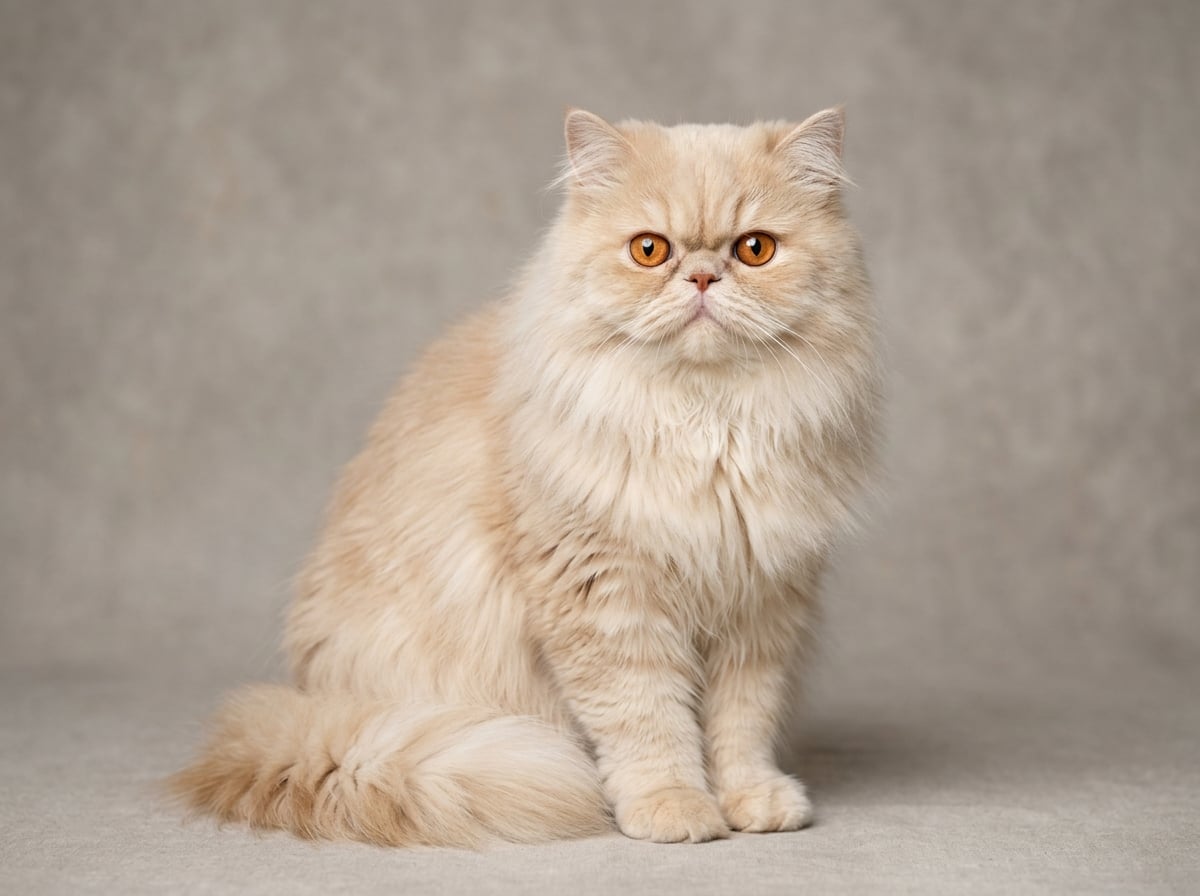
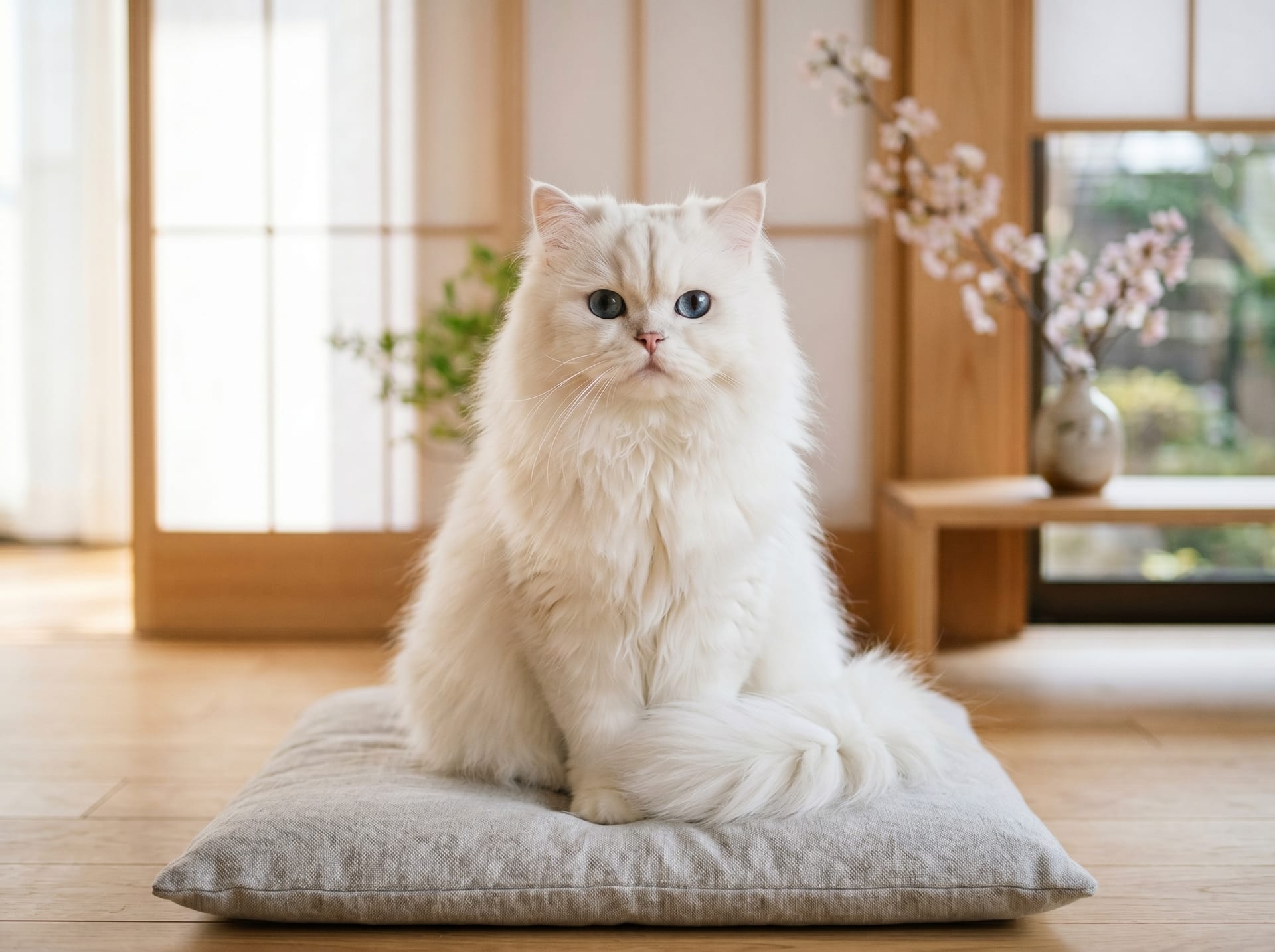
Persian cats are considered one of the world's oldest purebred cat breeds, having been brought from Iran to Europe around the 17th century, where their elegant appearance made them beloved by the nobility. Today, they are known as a popular purebred breed throughout the world.
✍️
BreederDirect Editorial
The BreederDirect editorial team specializes in care information for animals, covering veterinary care and breeding to deliver beginner-friendly guides.
Find Cats on BreederDirect
Buy directly from verified breeders
Browse Related Listings
Find Cats listings related to this article on BreederDirect. Buy directly from verified breeders.
Build: Cobby body type (thick-boned, sturdy build)
Face: Predominantly flat-faced "pansy face" (exotic type) with an extremely low, flat nose
Coat: Extremely long fur as soft as silk with a double coat
Temperament Characteristics:
Calm and laid-back, suited to a quiet indoor lifestyle
Deeply affectionate to their owners but independent, a sweet-natured homebody with their own pace
Sensitive to loud noises and environmental changes; frequent moves or visitors can cause stress
Can adapt relatively well to living with other cats or dogs (though proper introduction is important)
Coat Care Basics (Daily Brushing Required)
The long, dense coat that is the defining characteristic of Persian cats will quickly become matted without daily brushing.
Brushing Frequency and Steps
Required frequency: 10–20 minutes daily
Slicker brush (metal pins): Brush the entire body along the direction of hair growth before mats form
Comb (coarse to fine): Run through to the hair roots to check for any mats
Areas requiring special attention: Armpits, inner thighs, behind ears, and belly (prone to matting)
Spray (coat conditioner spray): Use a conditioner spray to gently work through any mats
If mats form:
Never forcefully pull, as this can injure the skin. Gently work through the mat using a mat-removing spray, or consult a veterinarian or groomer.
Regular Grooming
Many Persian cat owners opt for professional "summer cuts" (lion cuts) every 3–4 months, especially to prevent coat moisture buildup in summer. This improves hygiene and makes coat maintenance significantly easier.
Bathing Frequency
Long-coated breeds accumulate dirt easily, so bathing approximately once every 1–2 months is recommended. It's important to acclimate them to bathing from kittenhood.
Managing Tear Stains (Tearing/Epiphora)
The low, flat nose of Persian cats has a structure where the tear ducts are compressed, making normal tear drainage difficult. This causes reddish-brown "tear stains" to form easily at the inner corners of the eyes.
Daily Tear Stain Care Steps
Use cotton moistened with lukewarm water or saline solution to gently wipe away staining at the inner corner of the eye
Pet eye cleanser: Using a specialized tear stain remover makes it easier to remove discolored stains
Trim facial hair: Regularly trim hair around the face to keep it from touching the eyes
If Chronic Tear Staining is Severe
May be caused by food allergies (switching to grain-free food has improved cases)
If tear duct obstruction is suspected, consult a veterinary ophthalmologist
Congenital structural issues (extremely low nasal bridge) may require surgical intervention in some cases
Respiratory Considerations
Due to their flat-faced (brachycephalic) structure, Persian cats are prone to snoring, mouth breathing, and shortness of breath after activity.
Summer Heat Stroke Risk
Brachycephalic breeds have difficulty regulating body temperature and are at high risk for heat stroke. Keep indoor temperature at 25–28°C or below and maintain strict air conditioning management. Exposure to direct sunlight is absolutely prohibited.
BAS (Brachycephalic Airway Syndrome)
In severe cases, surgical intervention (nostril enlargement or soft palate removal) may be necessary. If your cat shows signs such as constantly breathing with mouth open, coughing while eating, or slow recovery after activity, consult a veterinarian.
Diet and Nutrition Management
Persian cats require dietary adjustments suited to their flat-faced structure.
Food Shape
Choose kibble shapes like round or triangular that are easy for a flat mouth to eat
Combining wet food also increases water intake
Essential Nutrients
High protein (30–40%): necessary for muscle maintenance
Omega-3 and omega-6 fatty acids for skin and coat health: utilize fish oil supplements or salmon-based foods
Urinary stone prevention: use wet food and flowing water bowls to encourage water intake
Watch for Obesity
Due to their calm temperament, many Persian cats are not very active and are prone to obesity. Prevent overeating by using automatic feeders or spacing out meals throughout the day.
Hereditary Health Conditions
Persian cats are at high risk for certain hereditary conditions. When selecting a breeder, it's important to verify whether genetic testing has been performed.
Polycystic Kidney Disease (PKD)
The most common hereditary condition in Persian cats. Cysts (fluid-filled sacs) develop in the kidneys and progress to chronic kidney disease. It's important to select cats that test negative for the PKD1 gene mutation.
Hypertrophic Cardiomyopathy (HCM)
A hereditary condition where heart muscle becomes abnormally thickened. Regular cardiac ultrasound screening is recommended.
Ocular Diseases (Cataracts and Progressive Retinal Atrophy)
As these cats have a genetic predisposition to eye disease, regular ophthalmologic examinations are necessary.
Summary
Persian cats are a cherished breed known for their calm temperament and elegant appearance, but they require considerable daily care and attention, including coat maintenance, tear stain management, and respiratory considerations. The key to living long and happily with a Persian cat is to enjoy daily brushing as quality bonding time while maintaining proper health care.