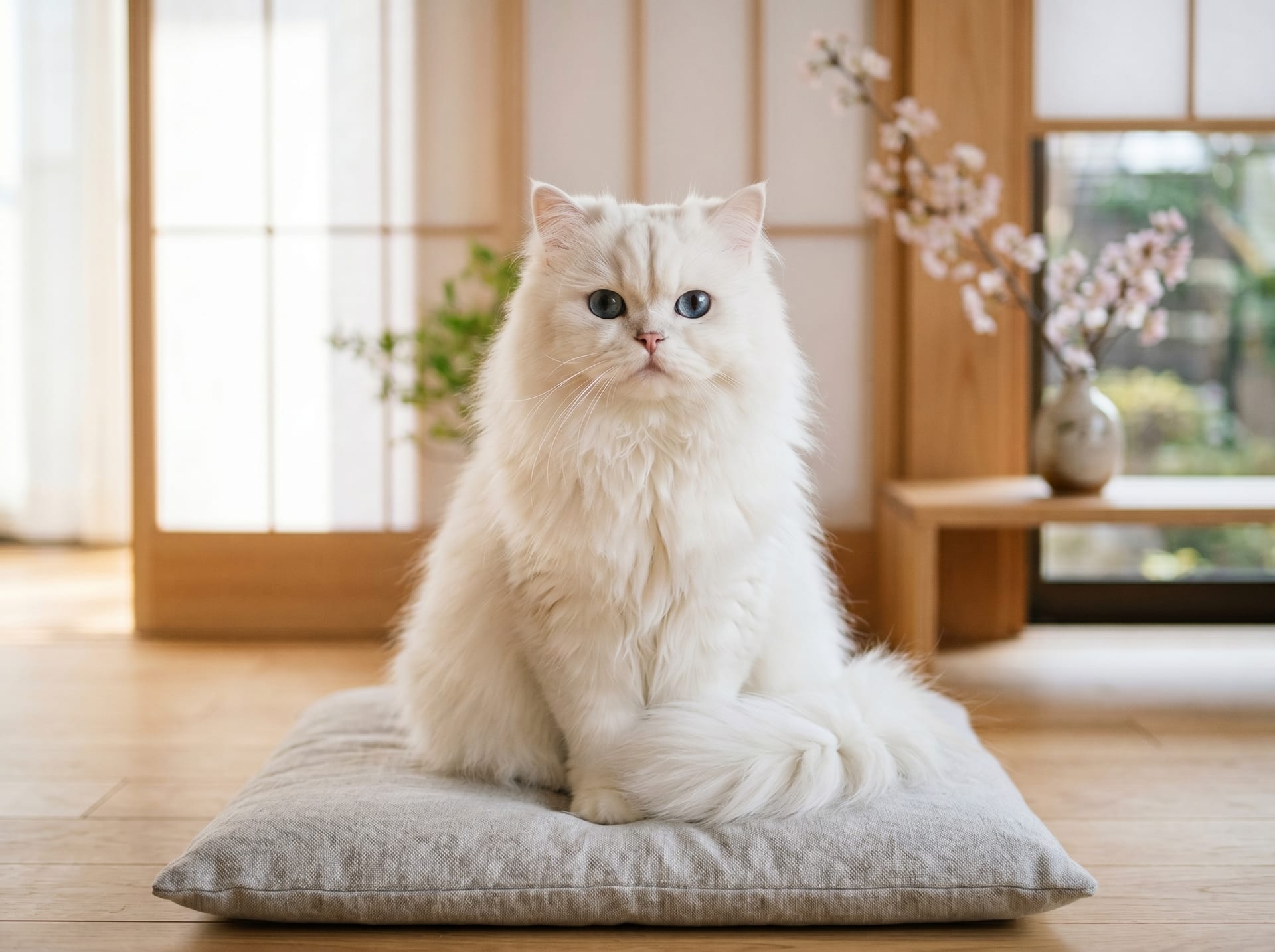
Persian
Elegant breed with luxurious long coat and flat face. Calm and gentle; best suited for quiet indoor environments.
View Persian encyclopedia →- Price Range
- ¥70,000〜¥238,000
0% commission on your first sales!Register by September 30, 2026 and your first 2 sales are commission-free!
Breeder Wanted!
List on BreederDirect and sell directly to customers nationwide!
4 Trust Pillars We Guarantee at Br-Choku
For all kitten listings, Breeder clearly disclose the following information. To ensure safe and transparent direct sales, Br-Choku requires these legally mandated items.
- MicrochipRequired
- Vaccinated
- Health Checked
- Pedigree Certified
* Microchip implants are now legally required for breeding businesses selling dogs and cats under the Animal Protection Law (effective June 2022).
Secure transaction guarantee
Dogs & cats onlyEvery BreederDirect transaction is covered by our transaction guarantee. If you cannot receive your pet, you will be fully refunded. A health guarantee also covers you after handover.
Learn about transaction safety →Browse all 74 breeds
Verified breeders wanted for Cats
Breeders are signing up now ahead of launch. Subscribe to be notified when new listings go live.
Getting alerts is free with a member account. When new listings match your saved search, we'll notify you by email and in-app.
Browse other categories
Verified breeders (preview)
Persian key facts
- Care level
- Intermediate
- Lifespan
- 12-17 years
- Size
- Weight 3.5-7kg
- Diet
- Complete nutrition cat food. Flat dishes recommended to accommodate flat face.
- Temperament
- Calm and placid. Affectionate but prefers quiet surroundings.
- Exercise
- Low activity level. Light indoor play sufficient, but some stimulation needed.
- Coat Care
- Long dense coat requires daily brushing. Regular bathing also recommended.
- Origin
- Iran (Persia)
- Notes
- Brachycephalic breed prone to breathing issues and tear staining. Daily facial cleaning required.
About Persian
The Persian is one of the oldest and most recognized cat breeds, believed to have originated in the region of ancient Persia (modern-day Iran) and introduced to Europe in the 17th century, where it became a favorite of nobility and aristocracy. Its most defining features are a luxuriously long, silky coat available in a wide range of colors, and a distinctively round, flat face with large expressive eyes and a small nose. The body is solidly built in a cobby style, and movements are naturally unhurried. In terms of personality, Persians are gentle and composed, rarely vocal, and prefer calm surroundings where they can quietly accompany their owners. They adapt well to apartment living and relaxed households. While their coat demands consistent daily care, many owners find that grooming sessions become a cherished bonding ritual — one of the unique rewards of life with a Persian.
Featured breeders for Persian
See all Persian breeders (1) →7 things to know before welcoming a Persian
1Daily Brushing Is Essential
A Persian's long coat is highly prone to matting and requires daily brushing to stay healthy. Skipping grooming can lead to skin irritation and hairball issues, so be prepared to build a consistent routine before bringing one home. A quality slicker brush and wide-tooth comb are essential tools to have on hand.
2Regular Facial Cleaning Needed
Because of their flat facial structure, Persians tend to accumulate tears and eye discharge around the eyes. If left uncleaned, the skin can become irritated or sore, so gentle daily wiping is important. Pay attention to the facial folds as well to keep them clean and dry.
3Best in Calm Environments
Persians are sensitive cats that can easily feel stressed by noise, chaos, or sudden environmental changes. They tend to flourish in calm, predictable households rather than busy homes with young children or large dogs. When moving or rearranging the home, allow your Persian time to adjust at their own pace.
4Low Exercise Requirements
Persians are low-energy cats that prefer lounging over vigorous play, making them well-suited for smaller living spaces and apartment life. They do not require a large home to be happy, which makes them a practical choice for single-person households. That said, regular gentle play is still important to prevent obesity and keep them mentally engaged.
5Watch for Breathing and Eye Issues
Due to their flat faces, Persians may snore or breathe audibly, and they tend to be more sensitive to heat than other breeds. Polycystic kidney disease (PKD) is a hereditary condition more commonly seen in Persians, so it is worth asking breeders about health testing and scheduling regular veterinary check-ups. Careful temperature management in summer is especially important.
6Budget for Grooming Costs
Home brushing alone may not always be sufficient, and many Persian owners opt for professional grooming sessions on a regular basis. Costs vary by region and salon, but budgeting for roughly one to two visits per month is a reasonable starting point. Factor ongoing grooming expenses into your overall cost of ownership from the beginning.
7Gentle, Patient Training Works Best
Persians are intelligent but independent-minded, so forceful training methods often backfire with this breed. They tend to learn basic habits like litter box use relatively easily, but pushing them too quickly with new tasks can cause stress. The key is to build trust gradually through positive reinforcement, gentle praise, and patience.
Frequently asked questions about Persian
- Q.Does a Persian really need daily brushing?
- A.Daily brushing is strongly recommended for Persians, as their long coat tangles very easily. Skipping even one day can lead to mats, which, if left unaddressed, can cause skin irritation. On busy days, even a quick pass with a comb can make a significant difference.
- Q.Can Persians live with children or other pets?
- A.Persians generally get along with calm, gentle children due to their easygoing nature. However, they dislike rough handling or chaotic environments, so setting clear interaction rules is important. They can also coexist with other pets, particularly those with calm temperaments.
- Q.How do I check if a Persian has PKD?
- A.PKD is a hereditary condition associated with Persians and can be confirmed through DNA testing. Reputable breeders typically provide PKD test results for both parents, so always ask to see this documentation before committing. Choosing a kitten from PKD-negative tested parents significantly reduces the risk.
- Q.What environmental conditions should I watch for?
- A.As a brachycephalic breed, Persians are sensitive to heat and humidity, making air conditioning essential during summer. Aim to keep the room temperature below 25°C (77°F) and avoid direct sunlight. Persians also prefer stable, low-change environments, so extra care is needed during moves or major rearrangements.
- Q.Is the Persian a good choice for first-time cat owners?
- A.The Persian's gentle and quiet nature makes it a relatively suitable choice for first-time cat owners. However, the grooming demands and potential healthcare costs tend to be higher than with other breeds, so understanding these commitments in advance is important. For those who enjoy hands-on daily care, the Persian can be a wonderfully rewarding companion.
Useful tools for Persian care
Learn more about Persian in the encyclopedia
View Persian encyclopedia entry →
Care difficulty, lifespan, size and diet — all basics covered.
Persian related articles
Complete Guide to Caring for Exotic Shorthairs | Characteristics of the "Short-haired Persian" and Tips for Raising Them
A guide to caring for Exotic Shorthairs. While they have the same flat face as Persian cats but with short hair that's easy to maintain, this article covers tear staining management, how to bring out their calm nature, and detailed prevention of common health issues.
Persian Cat Complete Care Guide | Daily Brushing, Tear Stain Management, and Feeding Tips
A comprehensive guide to raising Persian cats. Detailed coverage of daily brushing care for their long coat, managing tear stains and respiratory considerations from their flat faces, understanding their calm and gentle temperament, and common hereditary health issues.
Cat Breed-Specific Health Risks and Genetic Disease Guide | From Scottish Fold to Maine Coon
An explanation from a veterinary perspective of genetic diseases and health risks common to popular cat breeds such as Scottish Fold, Maine Coon, Persian, and Bengal. This article summarizes breed-specific medical knowledge you should know before bringing a cat home.
More in this category
Can't find the one you're looking for?
Post your wishes for free and breeders with matching animals will contact you with introductions.