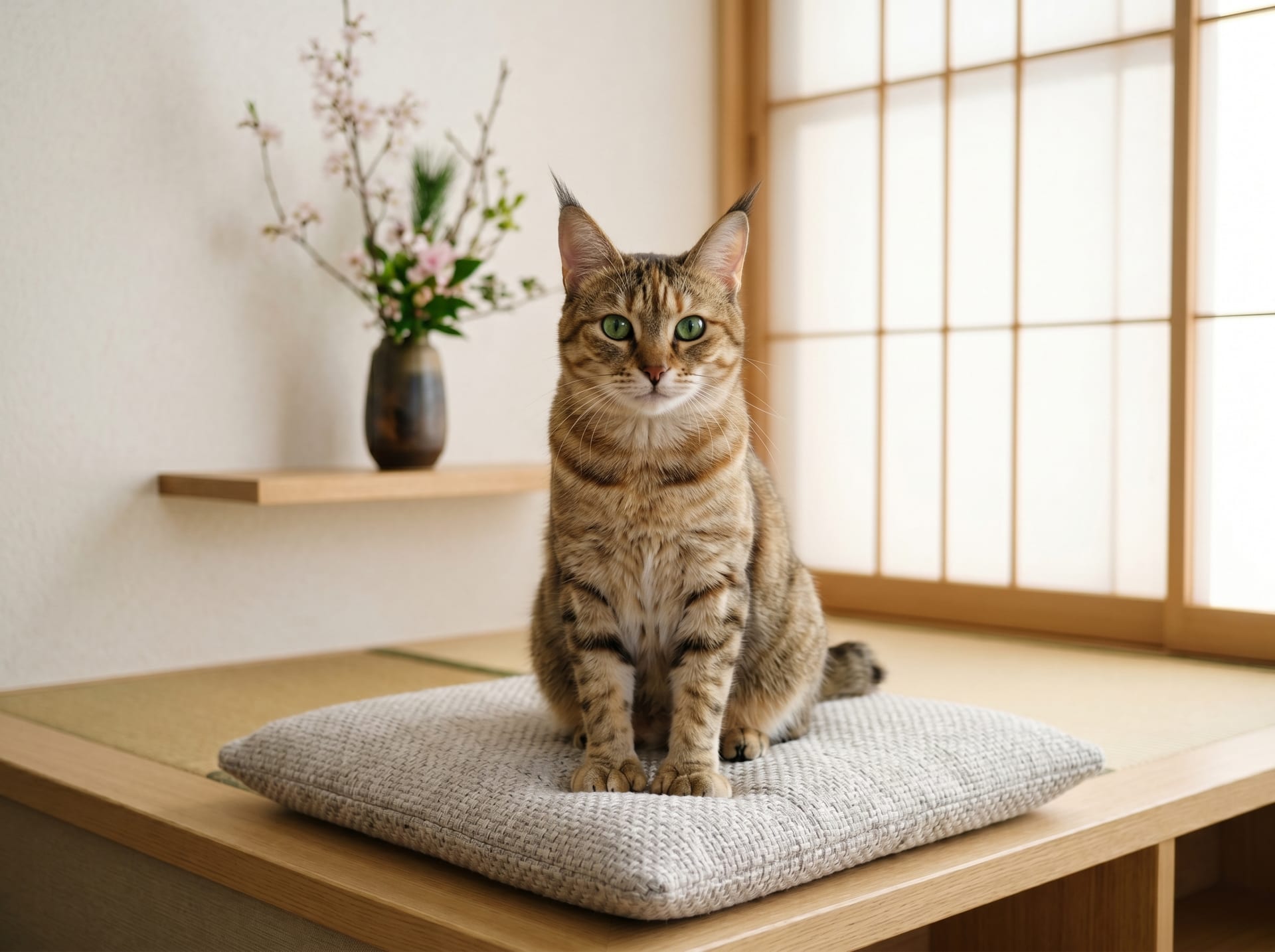
Pixie-bob
Large domestic cat resembling a Bobcat. Short tail and wild look, yet gentle with dog-like loyalty.
View Pixie-bob encyclopedia →0% commission on your first sales!Register by September 30, 2026 and your first 2 sales are commission-free!
Breeder Wanted!
List on BreederDirect and sell directly to customers nationwide!
4 Trust Pillars We Guarantee at Br-Choku
For all kitten listings, Breeder clearly disclose the following information. To ensure safe and transparent direct sales, Br-Choku requires these legally mandated items.
- MicrochipRequired
- Vaccinated
- Health Checked
- Pedigree Certified
* Microchip implants are now legally required for breeding businesses selling dogs and cats under the Animal Protection Law (effective June 2022).
Secure transaction guarantee
Dogs & cats onlyEvery BreederDirect transaction is covered by our transaction guarantee. If you cannot receive your pet, you will be fully refunded. A health guarantee also covers you after handover.
Learn about transaction safety →Browse all 74 breeds
Verified breeders wanted for Cats
Breeders are signing up now ahead of launch. Subscribe to be notified when new listings go live.
Getting alerts is free with a member account. When new listings match your saved search, we'll notify you by email and in-app.
Browse other categories
Verified breeders (preview)
Pixie-bob key facts
- Care level
- Intermediate
- Lifespan
- 13-16 years
- Size
- 4-8kg
- Diet
- Dry food, high protein recommended
- Temperament
- Gentle, loyal, devoted to owner
- Exercise
- Moderate to active play
- Coat Care
- Short to medium coat, brush twice weekly
- Origin
- United States
- Notes
- Some have polydactylism (breed trait)
About Pixie-bob
The Pixie-Bob is a relatively young breed originating in Washington State, USA in the 1980s. Its short tail, spotted coat, and tufted ears give it a striking resemblance to the wild bobcat — a likeness reflected in its name. Despite popular belief, no scientific evidence confirms actual bobcat ancestry; the breed was developed through selective breeding of naturally short-tailed domestic cats. Polydactyly, or extra toes, is a recognized and common trait within the breed standard. Though large in stature — males can exceed 5 kg — the Pixie-Bob is gentle and devoted, often described as dog-like for its loyalty and trainability. Many individuals can learn commands and walk on a leash. Pixie-Bobs bond with the entire family, coexist well with children and other animals, and tend to be quiet and low-key in daily life, making them a versatile companion for a variety of households.
7 things to know before welcoming a Pixie-bob
1Prepare for a Large Cat
Male Pixiebobs can reach 6–8 kg, making them a genuinely large breed. Invest in appropriately sized cat trees, beds, and furniture that can support their weight. Planning for their size from the start saves you from replacing undersized items later.
2Polydactyly Is Common
Many Pixiebobs are polydactyl, meaning they have six or seven toes per paw—a recognized trait of the breed. This rarely causes health problems, but the extra claws require more frequent trimming. Ask the breeder about the kitten's toe count and learn proper claw-care routines before bringing one home.
3Dog-Like Sociability
Pixiebobs are known to follow their owners from room to room and respond when called by name. However, their strong social nature means extended periods alone can cause stress. If you work long hours, consider a companion pet or enrichment toys to keep them mentally stimulated.
4Good Leash-Walk Candidates
Pixiebobs are among the cat breeds most receptive to leash training. Introducing a harness and outdoor sights gradually from kittenhood gives them safe access to outdoor enrichment. Start by letting them wear the harness indoors before progressing to short outdoor outings.
5Watch Weight and Joints
Their large frame means excess weight puts noticeable strain on joints over time. Measure meals carefully according to age and size, and weigh your cat regularly. Also consider cat tree heights—repeated high-impact jumps can stress joints, especially as they age.
6Coat Care Is Manageable
Pixiebobs have short to medium coats with a notably soft texture. Brushing once or twice a week is enough to manage shedding and prevent tangles, and frequent bathing is generally unnecessary. During spring and autumn shedding seasons, increase brushing frequency to keep loose fur under control.
7Understand the Full Costs
As a rare breed, Pixiebob kittens are typically priced in the range of 150,000–300,000 yen. Ongoing costs—food, veterinary care, and supplies—also tend to run higher for large cats than for smaller breeds. It is worth estimating the full lifetime cost (roughly 15 years) before committing to ownership.
Frequently asked questions about Pixie-bob
- Q.Does the Pixie-Bob really have bobcat ancestry?
- A.No scientific evidence currently supports actual bobcat hybridization. The breed's wild appearance and short tail were developed through selective breeding of domestic cats with naturally occurring mutations.
- Q.Can Pixie-Bobs be kept in an apartment?
- A.Yes, their quiet nature and low vocalization make them relatively well-suited to apartment living. That said, their large size means you should provide ample space for movement, along with scratching posts and a sturdy cat tree.
- Q.Does polydactyly cause health problems?
- A.Polydactyly itself is generally not a serious health concern. However, the extra claws require more frequent trimming, as neglected nails can curl and grow into the paw pads. Regular grooming is the key to managing this trait safely.
- Q.Do Pixie-Bobs get along with other cats or dogs?
- A.Pixie-Bobs are social by nature and tend to adapt well to other cats and calm dogs. A gradual introduction process — keeping animals separated at first and slowly increasing contact — helps them build positive relationships.
- Q.What is the average lifespan of a Pixie-Bob?
- A.Pixie-Bobs typically live between 13 and 16 years, which is relatively long for a large breed cat. A balanced diet, healthy weight management, and regular veterinary checkups contribute significantly to their longevity.
Useful tools for Pixie-bob care
Learn more about Pixie-bob in the encyclopedia
View Pixie-bob encyclopedia entry →
Care difficulty, lifespan, size and diet — all basics covered.
More in this category
Can't find the one you're looking for?
Post your wishes for free and breeders with matching animals will contact you with introductions.