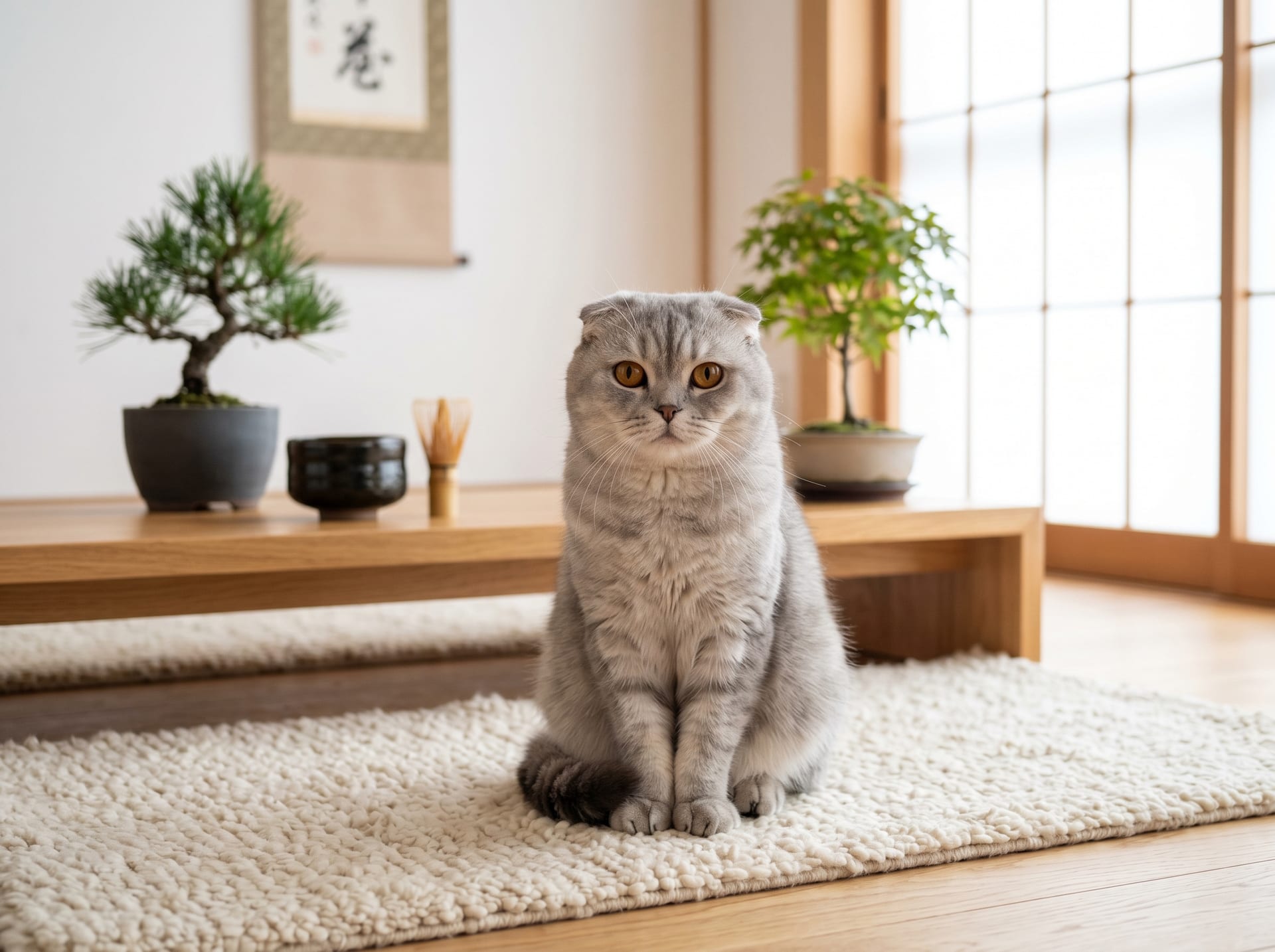
Scottish Fold
Distinctive folded ears and round face give an owl-like appearance. Gentle and well-suited for indoor living.
View Scottish Fold encyclopedia →- Price Range
- ¥70,000〜¥238,000
0% commission on your first sales!Register by September 30, 2026 and your first 2 sales are commission-free!
Breeder Wanted!
List on BreederDirect and sell directly to customers nationwide!
4 Trust Pillars We Guarantee at Br-Choku
(Confirmed across 6 listings)For all kitten listings, Breeder clearly disclose the following information. To ensure safe and transparent direct sales, Br-Choku requires these legally mandated items.
- MicrochipRequired
- Vaccinated
- Health Checked
- Pedigree Certified
* Microchip implants are now legally required for breeding businesses selling dogs and cats under the Animal Protection Law (effective June 2022).
Secure transaction guarantee
Dogs & cats onlyEvery BreederDirect transaction is covered by our transaction guarantee. If you cannot receive your pet, you will be fully refunded. A health guarantee also covers you after handover.
Learn about transaction safety →Browse all 74 breeds
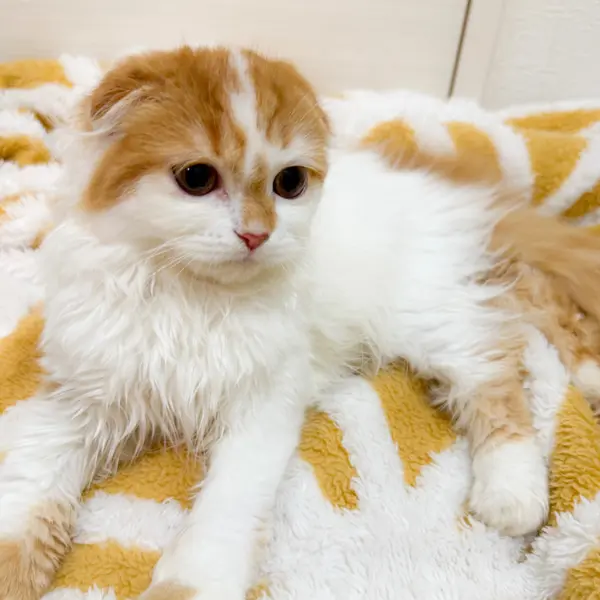
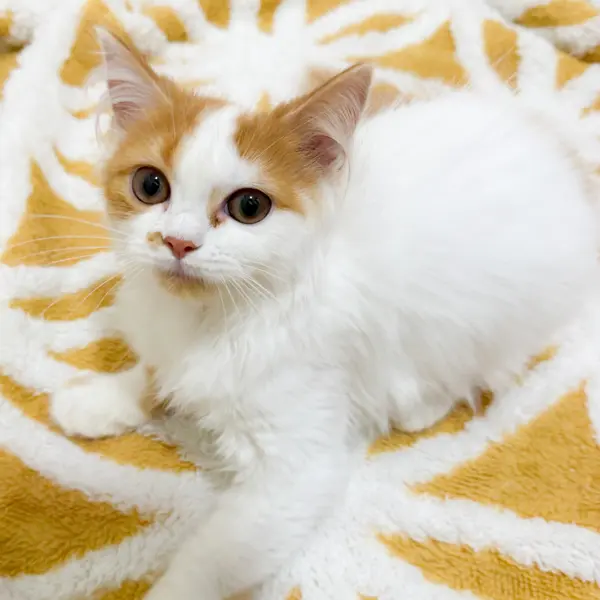
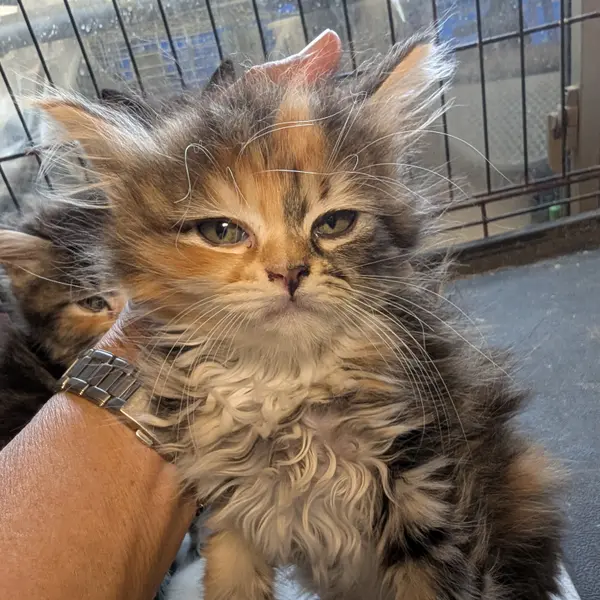
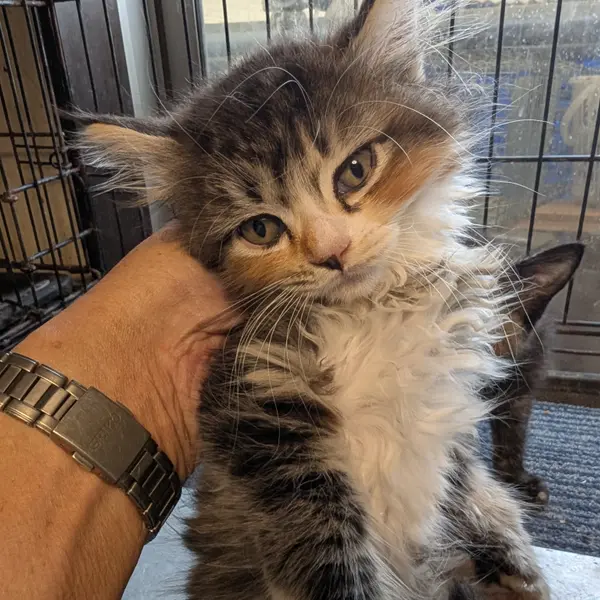
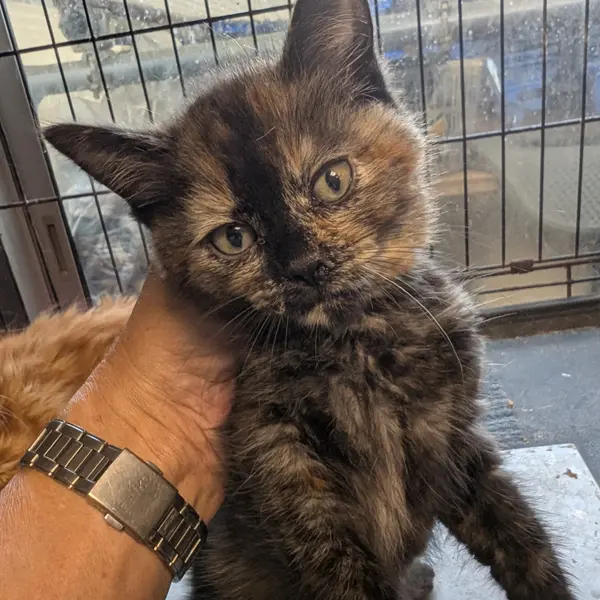
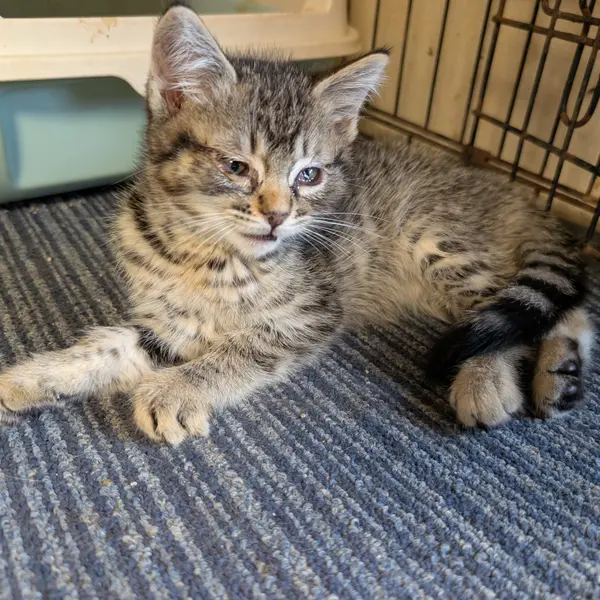
Scottish Fold key facts
- Care level
- Beginner-friendly
- Lifespan
- 11-15 years
- Size
- Weight 2.5-6kg
- Diet
- Complete nutrition cat food (dry or wet). Fresh water always available.
- Temperament
- Calm and gentle. Good with people and other pets. Affectionate.
- Exercise
- Indoor play sufficient. Provide cat trees and toys for stimulation.
- Coat Care
- Short to long coat varieties. Short-coat: weekly brushing; long-coat: 2-3 times per week.
- Origin
- United Kingdom (Scotland)
- Notes
- Risk of osteochondrodysplasia (genetic bone/joint disorder). Avoid fold-to-fold breeding.
About Scottish Fold
The Scottish Fold traces its origins to a white cat named Susie, discovered on a Scottish farm in 1961 with naturally folded ears. Her distinctive appearance attracted immediate interest, and through careful breeding programs in the United Kingdom and United States, the breed gained worldwide recognition. The breed is characterized by a rounded head, large circular eyes, a short nose, and small ears that fold forward and downward — a combination that often draws comparisons to owls or teddy bears. The body is compact and muscular, and the coat can be either short or long. In temperament, Scottish Folds are gentle and even-keeled, tending to spread affection equally among all family members. They prefer calm companionship over boisterous play and adapt naturally to indoor life. However, the gene responsible for the folded ears can also affect bone and cartilage development, making attentive health management an important part of caring for this breed.
Scottish Fold price range
Lowest
¥70,000
Average
¥133,333
Highest
¥180,000
Based on 6 current listings
Find Scottish Fold by prefecture
Featured breeders for Scottish Fold
 原田国保 Breeder愛知県4 Scottish Fold listings中野功一朗 Breeder愛知県2 Scottish Fold listings尾崎広美 Breeder埼玉県0 Scottish Fold listings
7 things to know before welcoming a Scottish Fold
1Not All Have Folded Ears
Scottish Fold kittens are born with straight ears, and it takes three to four weeks before it becomes clear whether they will fold. Even within the same litter, some kittens will retain straight ears and are known as Scottish Straights. Ear shape can affect pricing, so confirm this with the breeder in advance.
2Watch for Joint Issues
The genetic mutation responsible for the folded ears is linked to a condition called osteochondrodysplasia, which can affect joints and bones. If you notice any stiffness or difficulty moving the legs or tail, consult a veterinarian promptly. Breeding two folded-ear cats together is known to increase the severity of this condition, so sourcing from a responsible breeder matters.
3Gentle but Dislikes Solitude
Scottish Folds tend to be quiet and calm, rarely vocalizing loudly. However, they enjoy being near their owners and can become stressed when left alone for extended periods. In households where owners are away frequently, having a companion cat or ensuring quality interaction after returning home can make a significant difference.
4Low but Necessary Activity
Scottish Folds are moderately active and generally prefer relaxed play over vigorous activity. However, they are prone to weight gain, so incorporating daily interactive play with toys is important. Lower shelves and steps are preferable to tall cat towers, as they reduce stress on the joints and better suit the breed's physique.
5Moderate Grooming Needs
Short-haired Scottish Folds require brushing once or twice a week, while the long-haired variety (sometimes called Highland Fold) needs more frequent grooming to prevent matting. The folded ears have reduced airflow and tend to accumulate debris, so cleaning them about once a week is a good habit to establish.
6Expected Costs
Purchase prices from breeders typically range from roughly 100,000 to 300,000 yen depending on ear type and lineage. The first year involves additional costs for vaccinations, spaying or neutering, and supplies. Given the potential for joint-related health issues, pet insurance is worth considering to help manage unexpected veterinary expenses.
7Compatibility with Others
Thanks to their gentle temperament, Scottish Folds often coexist well with other cats and calm dogs. They can form strong bonds with children, though it is important to teach young children how to handle cats respectfully, as rough play can cause stress. The breed generally adapts well to changes in environment or family circumstances.
Frequently asked questions about Scottish Fold
- Q.Is a cat still a Scottish Fold if its ears are not folded?
- A.Yes, individuals with straight ears are called Scottish Straights and belong to the same breed group. They share the same lineage, body type, and temperament as folded-ear cats. The difference in ear shape is cosmetic and does not affect the cat's value as a companion or its breed characteristics.
- Q.Can Scottish Folds live with other cats or dogs?
- A.Their calm temperament generally makes them adaptable to living with other pets. That said, individual personalities vary, so introductions should be gradual and carefully managed. Consider the temperament of existing pets as well, and allow sufficient time for the animals to adjust to each other.
- Q.Do all Scottish Folds develop osteochondrodysplasia?
- A.All cats carrying the fold gene are considered to carry some risk of skeletal effects, though the severity varies between individuals. Regular veterinary monitoring is recommended to catch early signs such as changes in gait or signs of discomfort. Breeding two folded-ear cats together is widely considered to increase the risk of more severe skeletal issues.
- Q.What is the average lifespan of a Scottish Fold?
- A.The average lifespan is generally estimated at 12 to 15 years. Because bone and joint health can significantly affect quality of life in this breed, maintaining a healthy weight and scheduling regular veterinary checkups are key factors in supporting longevity. A well-managed environment gives these cats the best chance at a long, comfortable life.
- Q.Do short-haired and long-haired Scottish Folds differ in personality or care?
- A.Personality differences between coat lengths are minimal — both tend to be gentle and affectionate. In terms of grooming, long-haired Scottish Folds, sometimes called Highland Folds, require more frequent brushing than their short-haired counterparts. Brushing several times a week helps prevent matting and keeps the coat clean and healthy.
Useful tools for Scottish Fold care
Learn more about Scottish Fold in the encyclopedia
View Scottish Fold encyclopedia entry →
Care difficulty, lifespan, size and diet — all basics covered.
Scottish Fold related articles
Cat Joint Arthritis & Orthopedic Disease Guide | Pain Signs, Treatment & Living Environment Improvements
Over 80% of senior cats develop osteoarthritis (OA). This guide explains easy-to-miss behavioral changes, diagnostic methods, available pain medications (meloxicam, gabapentin, Solensia/frunevetmab), and practical environmental modifications. Also detailed: Scottish Fold osteochondrodysplasia (FOP).
Scottish Straight Care Guide | Characteristics and Management of a Healthy Cat Breed Without Folded Ears
Scottish Straight is a straight-eared cat born from the same breed as Scottish Fold. This guide provides a detailed explanation of the characteristics, temperament, care methods, and precautions when adopting from a breeder, all without the risk of osteochondrodysplasia.
Scottish Fold Osteochondrodysplasia and Ethical Breeding | Symptoms, Genetics, and Selection Guide
The gene mutation that creates Scottish Fold's folded ears carries the risk of triggering osteochondrodysplasia (OCD), causing chronic pain and bone deformation. This article explains the mechanism of the mutation gene, how to identify symptoms, ethical breeding methods for folded-ear × straight-ear crosses, and how to select individuals prioritizing health.
Introduction to Cat Breeding and Genetics: Coat Color Inheritance, Lethal Genes, and Inbreeding Risks
Essential cat genetics for breeders explained. This article covers a quick-reference chart for predicting kitten coat colors from parent colors, how calico and tortoiseshell cats are born (and why male calicos are exceptionally rare), the differences between dilute, white spotting, and dominant white, lethal genes in Manx and Scottish Fold breeds, calculating inbreeding coefficients, and breeding plans to avoid genetic disease.
Cat Breed Personality & Ease of Care Comparison Guide 2026 Edition | Beginner-Friendly Recommended Ranking
Compare personality, activity level, and care difficulty of popular breeds like American Shorthair, Scottish Fold, Ragdoll, and Bengal by lifestyle. A beginner's guide to breed selection.
Cat Breed Personality Guide | Scottish Fold, Norwegian Forest Cat, Ragdoll, Abyssinian Characteristics Comparison
Comparing personality, required care, and compatibility with multi-cat households for popular cat breeds. Introduces characteristics of affectionate Ragdolls, active Abyssinians, calm Norwegian Forest Cats, and health-prone Scottish Folds.
More in this category
Can't find the one you're looking for?
Post your wishes for free and breeders with matching animals will contact you with introductions.