Over 80% of senior cats develop osteoarthritis (OA). This guide explains easy-to-miss behavioral changes, diagnostic methods, available pain medications (meloxicam, gabapentin, Solensia/frunevetmab), and practical environmental modifications. Also detailed: Scottish Fold osteochondrodysplasia (FOP).
Key Takeaways
Over 80% of senior cats develop osteoarthritis (OA). This guide explains easy-to-miss behavioral changes, diagnostic methods, available pain medications (meloxicam, gabapentin, Solensia/frunevetmab), and practical environmental modifications. Also detailed: Scottish Fold osteochondrodysplasia (FOP).
Cat Arthritis Is Easily Overlooked
✍️
BreederDirect Editorial
The BreederDirect editorial team specializes in care information for animals, covering veterinary care and breeding to deliver beginner-friendly guides.
Find Cats on BreederDirect
Buy directly from verified breeders
Browse Related Listings
Find Cats listings related to this article on BreederDirect. Buy directly from verified breeders.
Feline osteoarthritis (OA) is far more common than most realize. Research shows that approximately 60–80% of cats over 6 years old, and over 90% of those 12 years and older, show some degree of joint changes. However, cats have a strong tendency to hide pain, manifesting symptoms only as subtle behavioral changes—"becoming quieter," "not jumping onto high places"—which owners often miss or attribute to normal aging.
Causes of Osteoarthritis
The main causes of feline arthritis include:
Cartilage wear from aging (most common)
Obesity: Extra weight multiplies joint stress
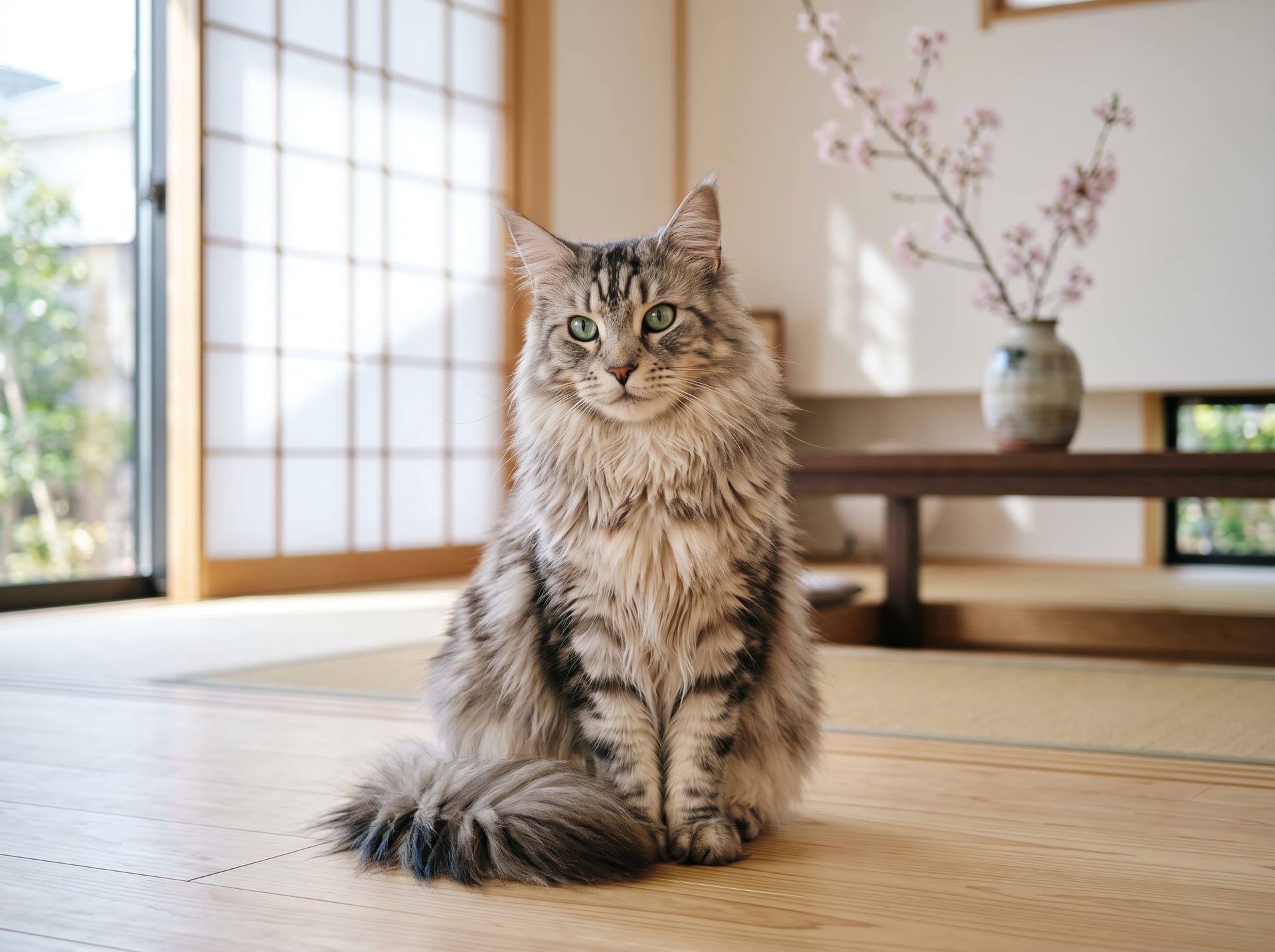
Genetic predisposition (certain breeds like Scottish Fold and Maine Coon)
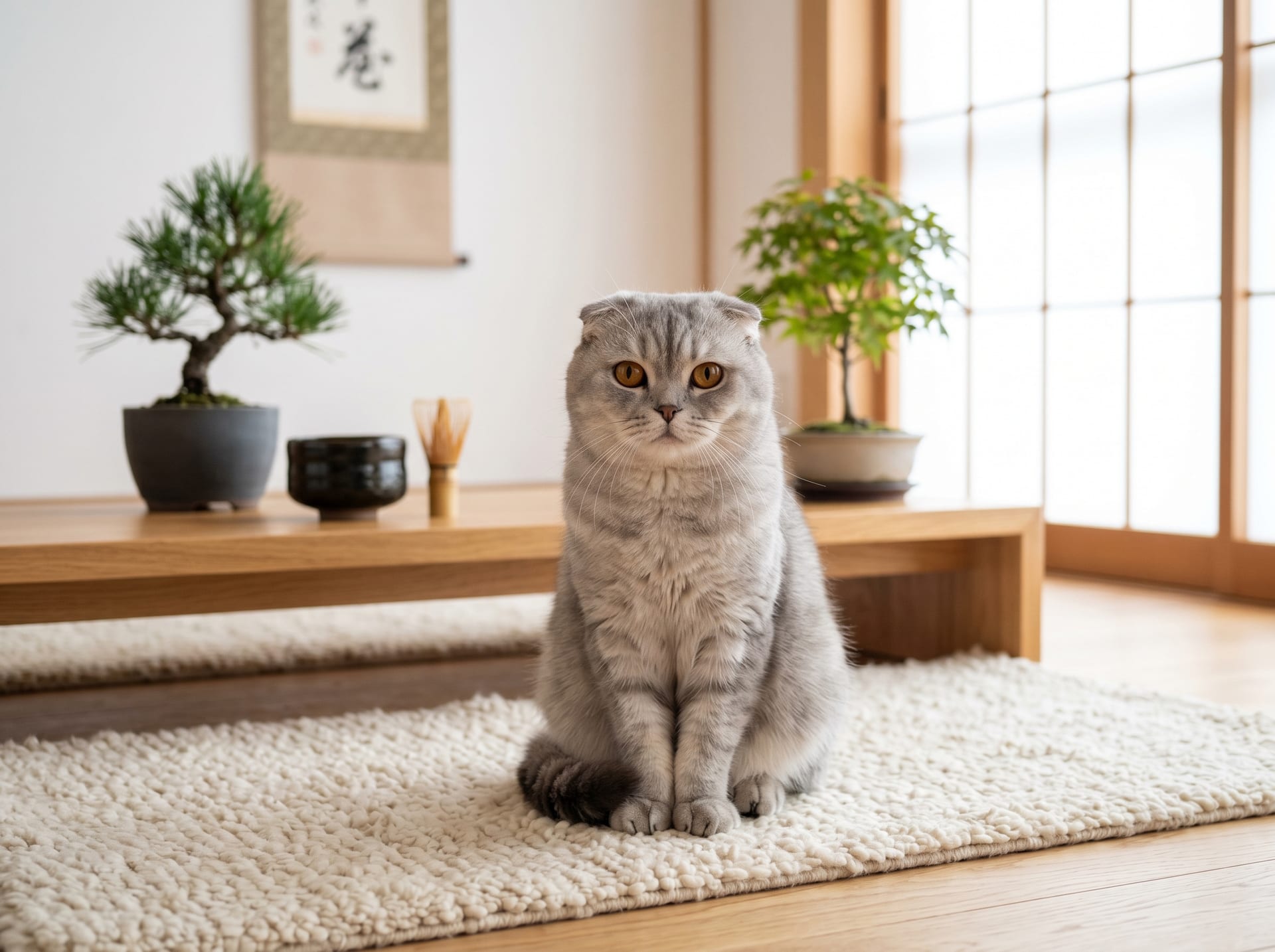
Particular attention must be paid to Scottish Folds, whose genetic mutation causing folded ears also causes bone and cartilage formation abnormalities (osteochondrodysplasia: FOP). Painful deformities occur in the limbs, tail, and spine, with even young individuals developing severe arthritis.
Signs of Cat Arthritis (Identifying Through Behavioral Changes)
Cats rarely vocalize pain; instead, they show it through behavioral changes.
Changes in Daily Activity
Stops accessing previously accessible high places (sofa, cat tree, windowsill)
Jumps lower in height, or lands awkwardly
Hesitates or moves slowly on stairs
Reduced grooming, especially hard-to-reach areas
Or conversely, excessive grooming of painful areas
Decreased play frequency
Changes in Temperament & Contact Tolerance
Becomes resistant to being picked up
Growls or scratches when touched (especially lower back, tail base, shoulders)
Becomes unexpectedly irritable
Reduced interaction with other cats or people
Changes in Living Habits
Difficulty accessing the litter box (needs a step)
Eliminates outside the litter box (inappropriate elimination)
Stops visiting food and water bowls regularly
Sleeping time increases dramatically
Diagnostic Methods
Physical Examination & Palpation
Check for joint swelling, heat, pain response during joint movement, and muscle atrophy.
Radiography (X-rays)
Reveals characteristic OA findings: narrowed joint space, bone spurs (osteophytes), and irregular joint surfaces. Note: early-stage OA may cause pain before X-ray changes appear.
Movement Evaluation & Gait Analysis
Visual gait observation and assessment of specific movements (jumping, turning) to evaluate functional impairment severity.
Treatment Options
1. Pain Management (Most Critical)
Feline pain medications differ from those used in dogs and humans; veterinary prescription is essential. Self-administering NSAIDs or human pain relievers (aspirin, ibuprofen, acetaminophen) risks fatal toxicity.
Primary Medications for Cats
Meloxicam (Metacam): Feline-specific NSAID requiring regular kidney function monitoring
Robenacoxib (Onsior): Feline-specific NSAID for chronic pain management
Buprenorphine: Opioid analgesic (for severe pain)
Gabapentin: Effective for neuropathic pain; minimal side effects and safe for long-term use
Converting the living environment to be joint-friendly can dramatically reduce your cat's pain.
Lower litter box edges: Cut the entrance of a larger box to reduce rim height
Raise food and water bowls to waist height: Reduces excessive neck bending
Create low-step access: Install ramps and steps to minimize jumping
Provide warm resting spots: Use low-temperature heating pads or thermostat-controlled electric blankets to warm joints
Add non-slip rugs: Prevents slipping on hardwood (reduces impact and pain)
Lower cat tree bottom level: Reduce spacing between levels for easier climbing
4. Physical & Complementary Therapy
Hydrotherapy (water therapy): Allows muscle movement without weight-bearing; increasingly adopted in Europe and North America
Laser therapy (low-level laser): Reduces inflammation and improves circulation; available at veterinary clinics
Acupuncture: Research supports pain relief benefits
Supplements (glucosamine, chondroitin, omega-3 fatty acids): Modest supporting benefits, though limited as monotherapy
Joint Disease in Scottish Folds (FOP)
Osteochondrodysplasia (FOP) in Scottish Folds is a breed-specific, serious genetic condition. The folded-ear gene (Fd) causes bone and cartilage abnormalities not only in homozygotes (Fd/Fd) but also in heterozygotes (Fd/fd).
Characteristic FOP signs:
Short, thick tail (cat resists bending it)
Hind limb stiffness and awkward gait
Reluctance to sit on the floor (displays a characteristic "Buddha-sitting" posture)
Symptoms appear even in young cats (2–3 years old)
Currently, FOP has no cure; treatment focuses on pain management and environmental modification. If you own a Scottish Fold, regular movement evaluation and proactive pain management in consultation with your veterinarian is essential.
Summary
Feline arthritis is often dismissed as "part of aging," but proper diagnosis and management can greatly improve your cat's quality of life. Staying alert to behavioral changes and consulting your veterinarian at the first sign of difference is key to early intervention. Environmental modifications are the most cost-effective measure you can implement today. Help your aging cat live comfortably and painlessly by making joint care part of their daily life.