Complete Guide to Feline Lower Urinary Tract Disease (FLUTD) | Symptoms, Treatment, and Prevention of Cystitis, Urinary Stones, and Urinary Obstruction
A comprehensive explanation of feline lower urinary tract disease (cystitis, uroliths, urethral obstruction), including symptoms, diagnostic methods, treatment options (medication, dietary therapy, ureteral stents), and recurrence prevention strategies.
Key Takeaways
A comprehensive explanation of feline lower urinary tract disease (cystitis, uroliths, urethral obstruction), including symptoms, diagnostic methods, treatment options (medication, dietary therapy, ureteral stents), and recurrence prevention strategies.
Related Species
Feline Lower Urinary Tract Disease (FLUTD) Explained
Feline Lower Urinary Tract Disease (FLUTD) is a collective term for multiple conditions affecting the bladder and urethra, including urolithiasis, feline idiopathic cystitis, bacterial cystitis, and urethral obstruction. It is particularly common in neutered and spayed indoor cats over middle age, and early intervention is crucial as severe cases can lead to life-threatening urethral obstruction.
Primary Causes and Symptoms of FLUTD
Feline Idiopathic Cystitis (FIC)
Accounting for 50-60% of all FLUTD cases, this is inflammation of the bladder with no identifiable cause. Urinalysis shows no abnormalities and bacteria are not detected, yet bladder inflammation is present.
Symptoms:
- Frequent urination (15+ times per day)
- Dysuria (difficulty urinating)
- Urinary discomfort (straining repeatedly in the litter box)
- Hematuria (blood in urine)
- Inappropriate elimination/accidents
Urolithiasis (Urinary Stones/Urinary Sand)
A condition where magnesium, calcium, and phosphorus crystallize to form stones. Struvite stones and calcium oxalate stones are the two main types.
Symptoms:
- Frequent urination
- Pain during urination (vocalizing/whimpering)
- Hematuria
- Decreased litter box success
Urethral Obstruction (Urinary Blockage)
A condition where stones or mucus plugs completely block the urethra. This is a medical emergency.
Symptoms (acute):
- Frequent visits to litter box with little to no urine output
- Loud vocalization/signs of pain
- Abdominal pain (hunched posture)
- Vomiting/loss of appetite
- Rapid or labored breathing/lethargy
If urinary blockage persists for more than 48 hours, uremia can lead to death. If these symptoms appear, seek emergency veterinary care immediately.
Diagnostic Methods
Urinalysis
- Urine pH: Struvite stones form in neutral to alkaline environments, while calcium oxalate stones form in acidic environments
- Presence of crystals: Confirmed by microscopic examination
- Bacteria and WBCs: Determines presence of bacterial infection
Imaging Studies
- Abdominal radiographs: Most stones (particularly struvite) are radiopaque and visible on X-ray
- Ultrasound: Evaluates stones as well as bladder wall thickness and degree of inflammation
Urethral Pressure Profile (When FIC is Suspected)
Measures bladder pressure to assist in FIC diagnosis.
Treatment Options
Treatment of Feline Idiopathic Cystitis (FIC)
1. Environmental Modification Since stress is a major factor:
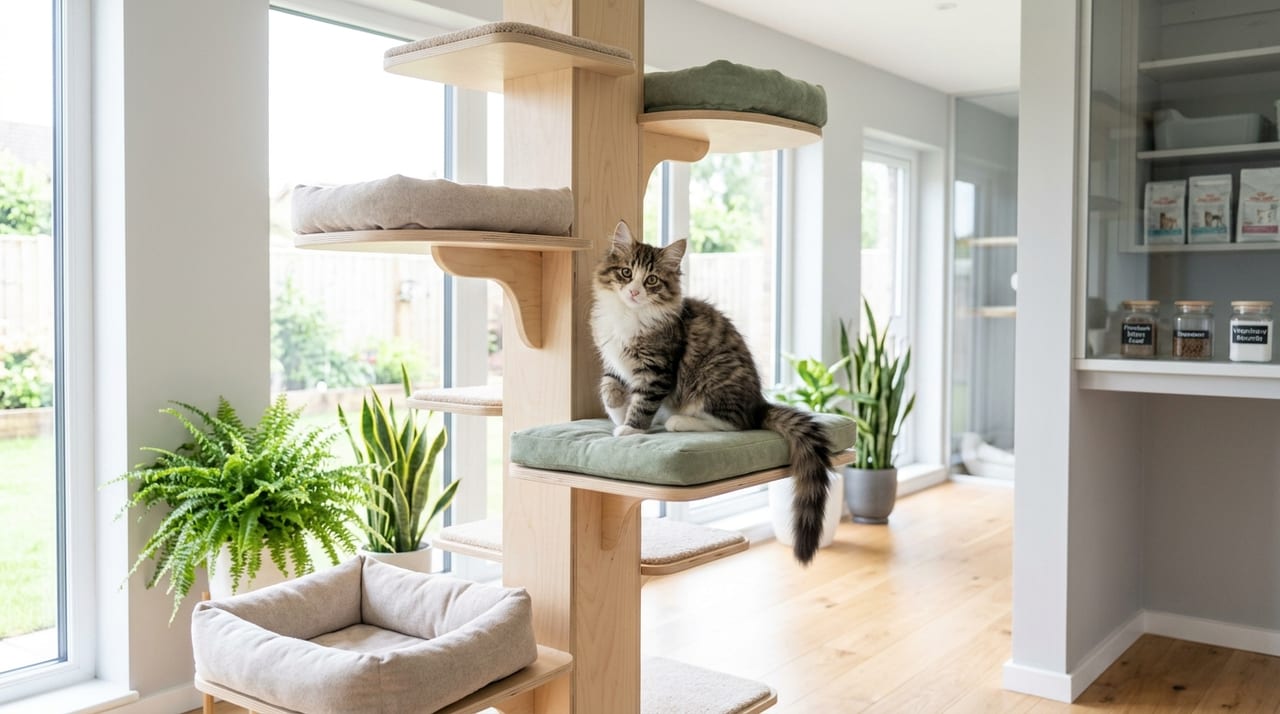
- Increase the number and placement of litter boxes (one per cat plus one)
- Place boxes away from living areas (avoid placement near feeding areas)
- Ensure adequate playtime and exposure to sunlight
2. Dietary Therapy
- Switch to low-magnesium food (therapeutic diets: Hills, Royal Canin)
- Increase water intake (use wet food, automatic water fountains, etc.)
3. Pharmacotherapy
- NSAIDs (non-steroidal anti-inflammatory drugs): Reduce pain and inflammation
- Alpha-blocking agents: Relax urethral muscles and facilitate urination
Treatment of Urolithiasis
Struvite Stones:
- Therapeutic diets (such as K/d, c/d) may dissolve existing stones (6-12 weeks)
- Antibiotics if urinary tract infection is present
Calcium Oxalate Stones:
- Therapeutic diets can prevent formation but cannot dissolve existing stones
- Surgical removal (cystotomy) is necessary
Urinary Sand/Mucus Plugs:
- Manual expression (the veterinarian applies external pressure to the bladder to promote urination)
- Catheterization (passing a catheter through the urethra)
Urethral Obstruction (Emergency Management)
Immediate Management:
- Catheterization and urine drainage
- Blood tests to assess renal function and potassium levels
- Intravenous fluid therapy to correct dehydration and electrolyte imbalances
Follow-up Care:
- Catheter maintenance for 3-5 days
- Antibiotic administration (infection prevention)
- Imaging to confirm stone location
- Surgical removal if necessary
Newer Treatment Options:
- Ureteral stent: Creates a bypass when stones are in the ureter
- SUB (Subcutaneous ureteral bypass): Surgically reroutes the ureter from the bladder to the skin (for severe cases)
Recurrence Prevention
FLUTD has high recurrence rates (especially FIC: 50-60%), requiring long-term management.
Dietary Management
- Continue low-magnesium diet (prevents struvite recurrence)
- Promote water intake with wet food and automatic water fountains
- Regular urinalysis (approximately twice per year)
Living Environment
- Litter box hygiene (daily cleaning)
- Stress reduction (playtime, interaction)
- Temperature and humidity control (cystitis often worsens during cold seasons)
Regular Monitoring
- Annual urinalysis and imaging
- Preventive screening for early stone detection, even without symptoms
Breed-Specific Considerations
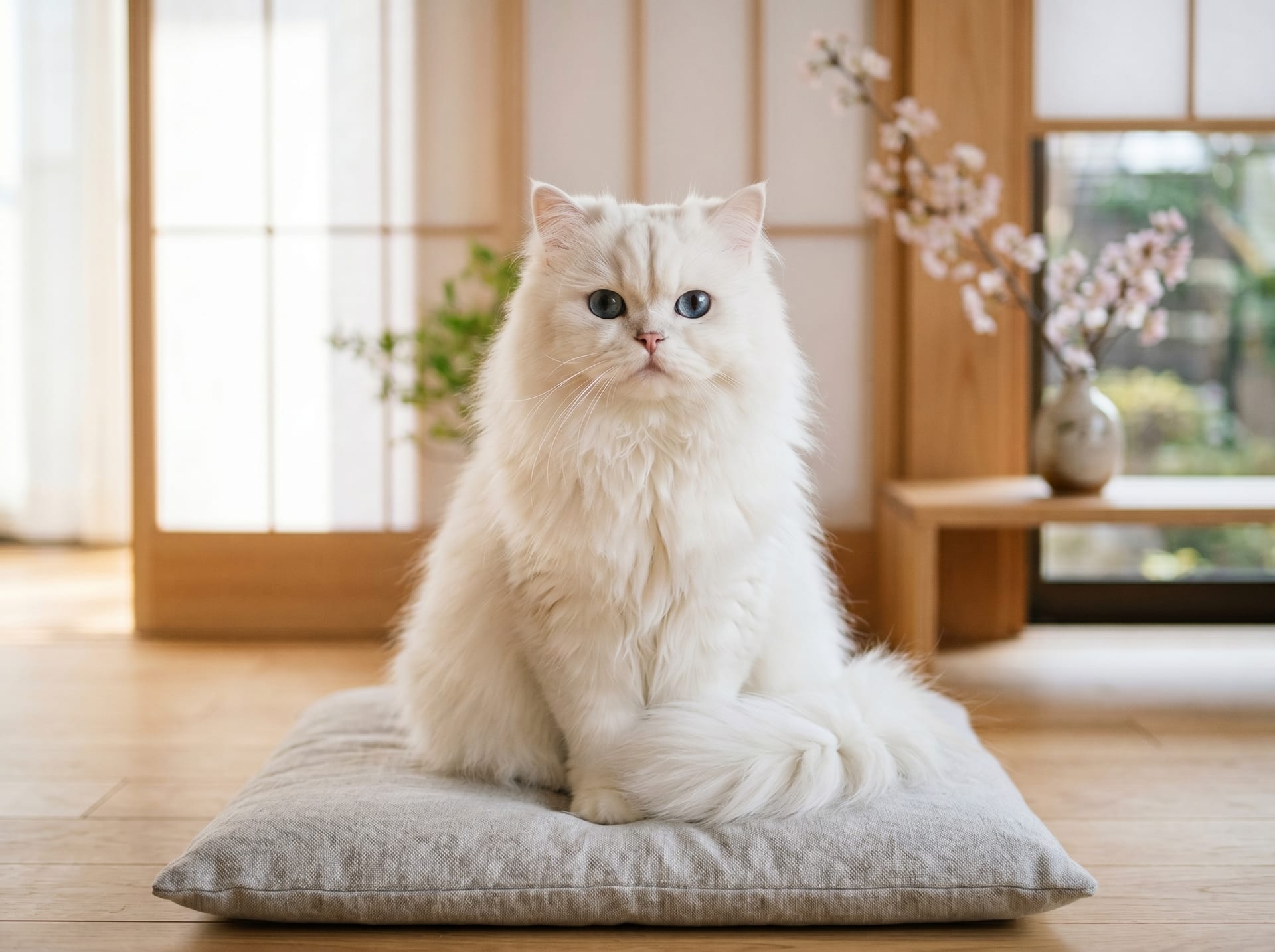
Persians and Himalayans: Tend to develop urinary stones more frequently. Early implementation of low-magnesium diet is recommended.
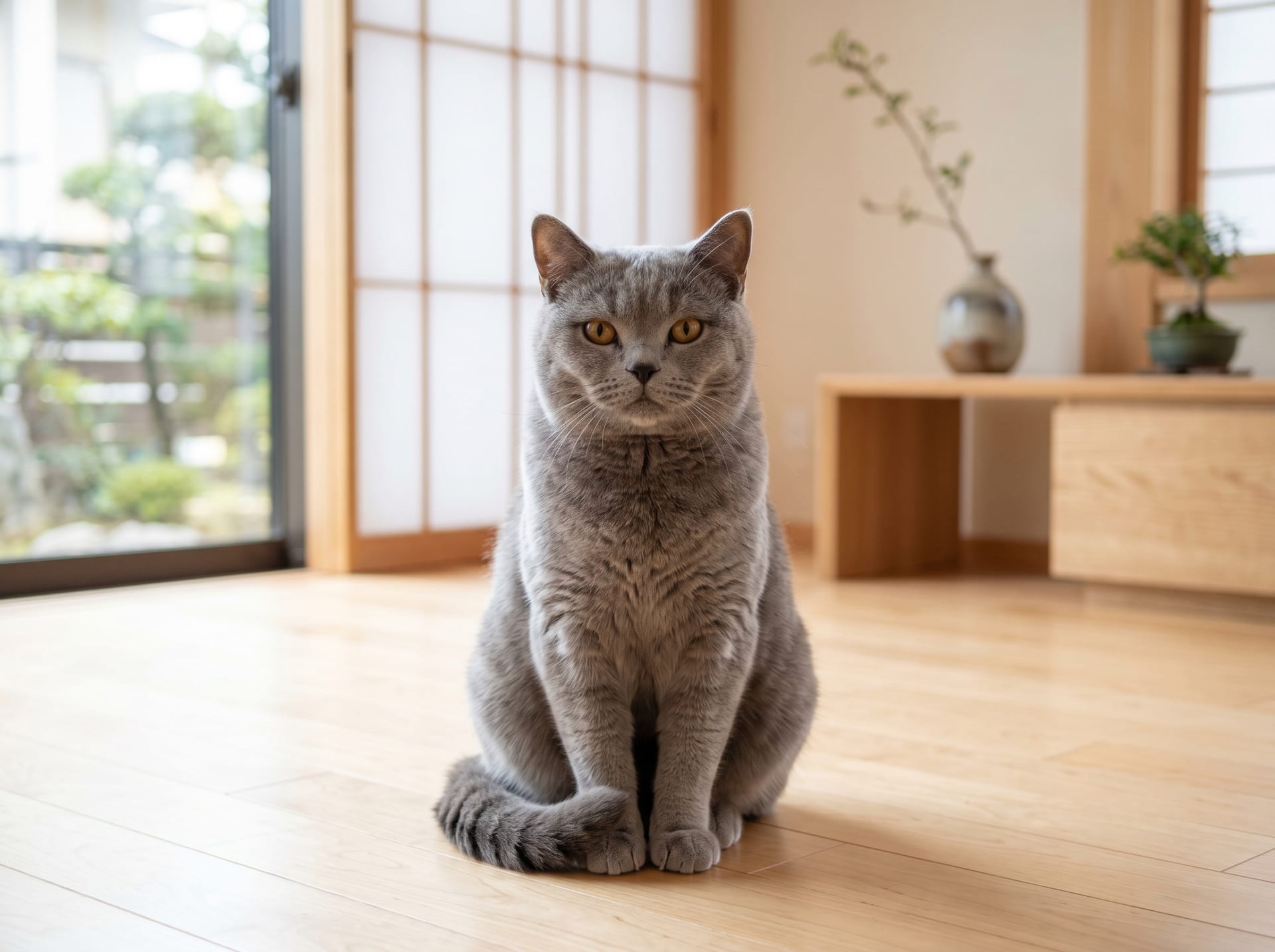
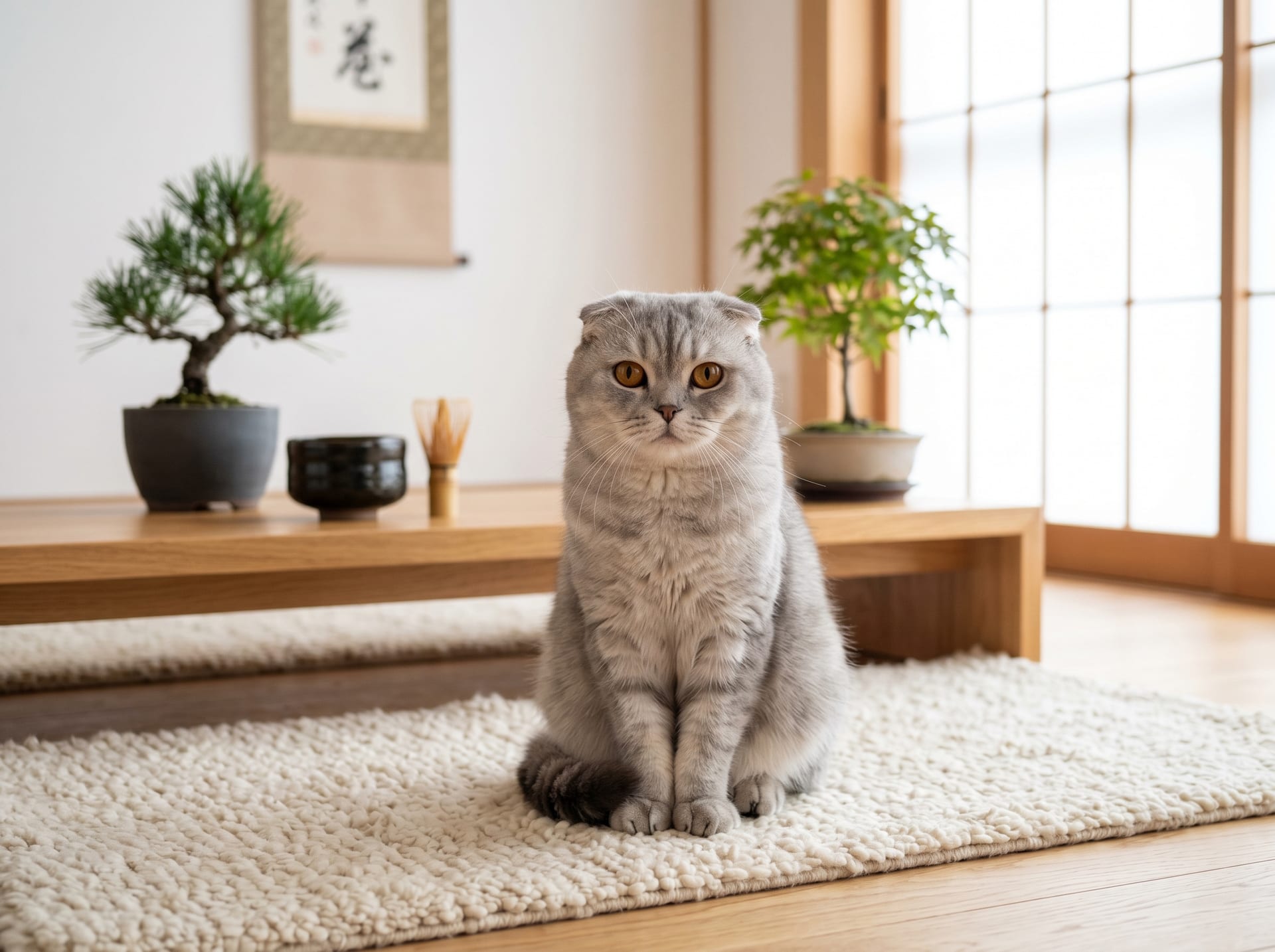
British Shorthairs and Scottish Folds: Higher risk of FIC has been reported; stress management should be prioritized.
Summary
Feline lower urinary tract disease is multifactorial, with identifying the cause and preventing recurrence being key to long-term management. Since urethral obstruction can be life-threatening, do not hesitate to consult a veterinarian if you notice frequent urination, difficulty urinating, or blood in the urine. A three-pronged approach of diet, environmental management, and regular monitoring can help extend your cat's healthy lifespan.