Complete Guide to Feline Hypertrophic Cardiomyopathy (HCM) | Symptoms, Diagnosis, Treatment, and Daily Care
A comprehensive guide to feline hypertrophic cardiomyopathy (HCM), the most common heart disease in cats, covering causes, symptoms, diagnosis (echocardiography), treatment (medication and thrombosis prevention), and daily management for breeders and cat owners.
Key Takeaways
A comprehensive guide to feline hypertrophic cardiomyopathy (HCM), the most common heart disease in cats, covering causes, symptoms, diagnosis (echocardiography), treatment (medication and thrombosis prevention), and daily management for breeders and cat owners.
Related Species



Hypertrophic Cardiomyopathy (HCM) is the most commonly diagnosed heart disease in cats. This condition occurs when the heart muscle becomes abnormally thickened, reducing the volume of the ventricles. As the disease progresses, it can lead to serious complications including heart failure, pulmonary edema, and arterial thromboembolism (ATE). This article provides a comprehensive explanation of HCM from its causes to the latest management approaches.
What is Hypertrophic Cardiomyopathy (HCM)?
The heart's primary function is to pump blood throughout the body. In HCM, the heart muscle—particularly the left ventricular wall—becomes thickened, narrowing the space within the ventricle. This prevents the heart from adequately receiving and ejecting blood.
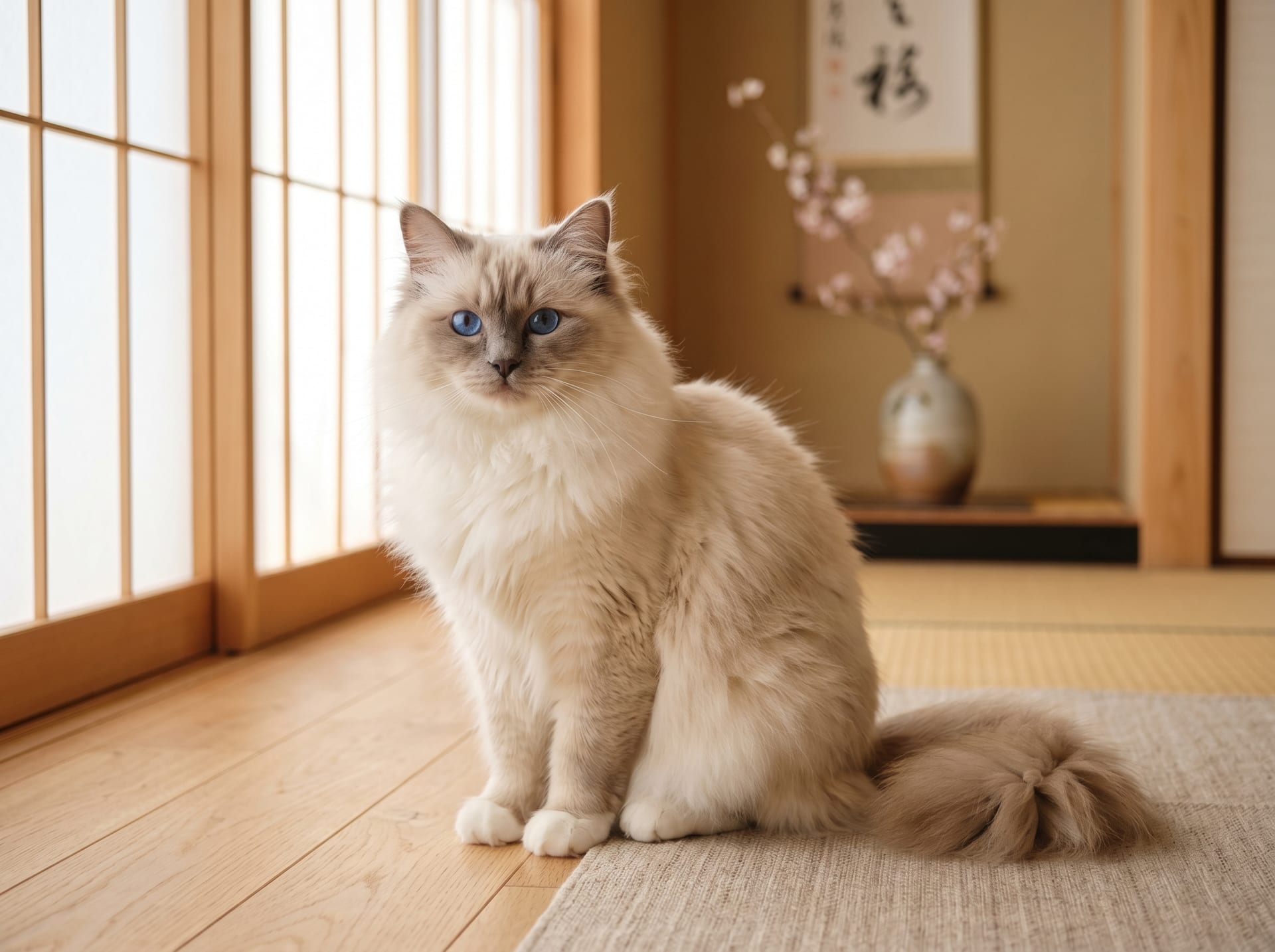
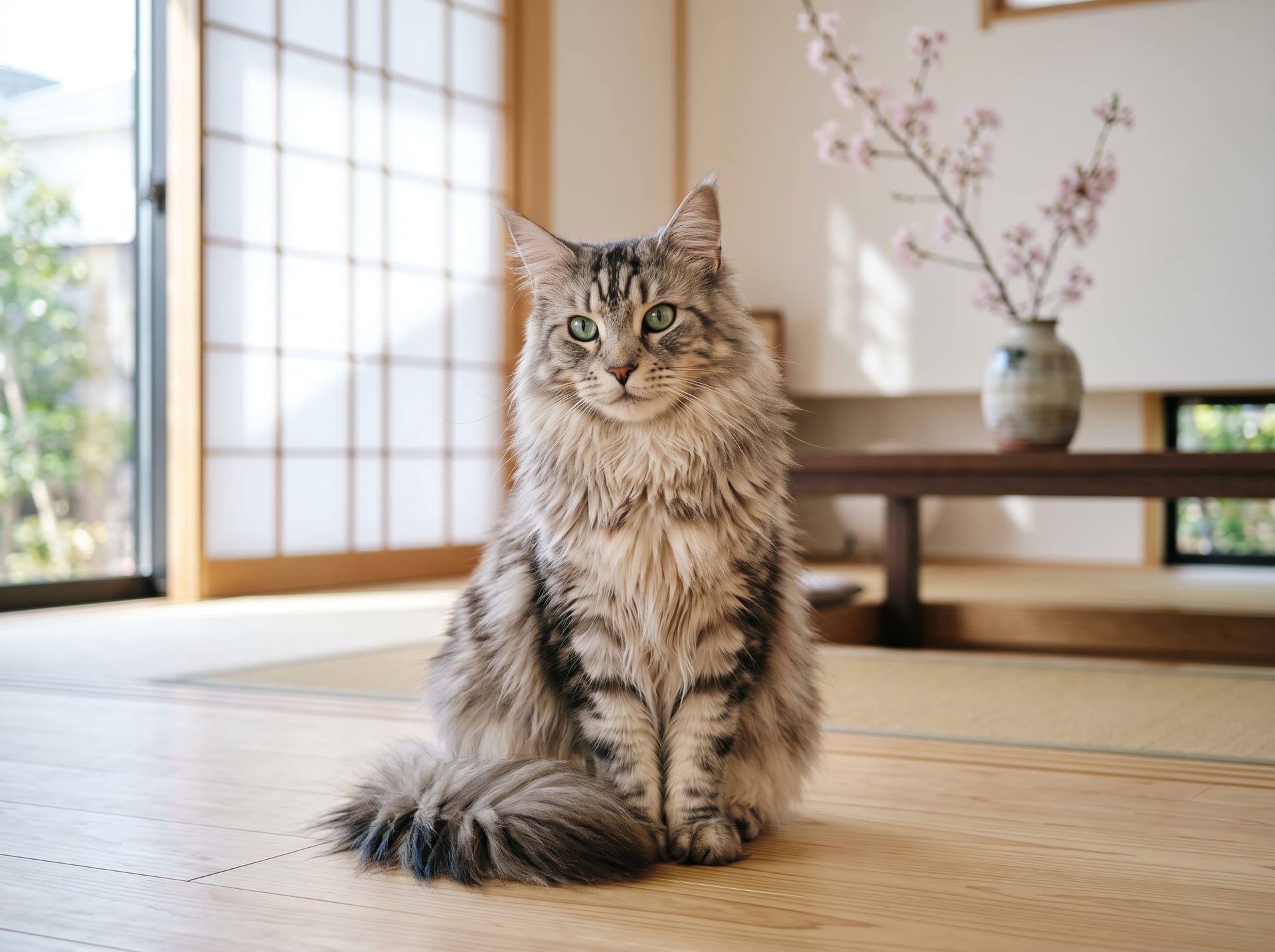
HCM is estimated to be present in approximately 15% of the cat population overall, though certain breeds have significantly higher prevalence rates. Maine Coons (in which the MYBPC3 gene mutation has been identified, with approximately 30% of adult cats testing positive) and Ragdolls (which carry different mutations) are known to have high genetic risk. Other breeds such as Burmese, British Shorthair, and Persian cats also show a higher tendency for developing the condition.
While onset can occur in young cats (ages 1–2 years), diagnosis more commonly occurs in middle-aged to senior cats (age 5–7 years and older). Male cats are known to develop more severe disease compared to females.
Symptoms and Clinical Signs
What makes HCM particularly concerning is that it often progresses asymptomatically for extended periods. Many cats live their daily lives without apparent symptoms until the disease is diagnosed.
Asymptomatic Stage: Heart murmurs or arrhythmias may be detected during auscultation, but the cat experiences no clinical symptoms. Most cases are discovered incidentally during routine veterinary examinations.
Congestive Heart Failure Stage: As the disease advances, fluid accumulates in the lungs (pulmonary edema) and chest cavity (pleural effusion). At this stage, the following symptoms may appear:
- Open-mouth breathing, shortness of breath, and labored respiration
- Loss of appetite and lethargy
- Abdominal distension
Arterial Thromboembolism (ATE): This is the most urgent complication of HCM. Blood clots formed within the heart can lodge in the aorta, causing hind limb paralysis, severe pain, coldness, and cyanosis. Also known as "saddle thrombosis," it typically presents as sudden hind limb paralysis and requires emergency treatment.
Diagnostic Methods
Echocardiography is essential for confirming HCM diagnosis.
Echocardiography: This is the most important diagnostic tool, providing non-invasive imaging assessment of the heart. It evaluates the thickness of the left ventricular wall and interventricular septum, the size of the left atrium, and blood flow patterns (via Doppler method). HCM is diagnosed when left ventricular wall thickness exceeds 6 mm in adult cats. Left atrial enlargement serves as an indicator of risk for ATE.
Physical Examination and Auscultation: Assessment for heart murmurs (present in 30–50% of all cats) and arrhythmias. However, HCM can exist without an audible murmur (silent HCM).
Thoracic Radiography: Useful for evaluating heart size and shape, as well as assessing for pulmonary edema.
Biomarkers (NT-proBNP): Blood testing measures cardiac muscle stress markers. This is useful for screening and assessing disease progression.
Genetic Testing: Known gene mutations (MYBPC3) can be tested in Maine Coons and Ragdolls. A positive result does not necessarily mean HCM will develop, but regular echocardiographic follow-up is recommended.
Treatment and Management
Currently, there is no cure for HCM. However, pharmacological therapy is used to slow disease progression, prevent complications, and maintain quality of life.
Atenolol (Beta-blocker): Reduces heart rate and lowers myocardial oxygen demand. Particularly used when left ventricular outflow tract obstruction (LVOTO) is present.
Diltiazem and Amlodipine (Calcium Channel Blockers): Promote myocardial relaxation and regulate heart rate.
Clopidogrel (Antiplatelet Agent): Used for ATE prevention and especially recommended for cats with left atrial enlargement. Aspirin may be used but carries toxicity risk in cats and requires low-dose strict management.
Furosemide (Diuretic): Used to manage pulmonary edema and pleural effusion. In severe cases of pleural effusion, thoracocentesis (fluid drainage) may be necessary.
Benazepril and Enalapril (ACE Inhibitors): Suppress neurohumoral factors and reduce cardiac workload. Used in advanced cases.
Daily Management and Quality of Life
When living with a cat diagnosed with HCM, pay attention to the following points:
Regular Echocardiographic Monitoring: Even in asymptomatic stages, echocardiography every 6–12 months is recommended to detect disease changes early.
Stress Minimization: Stress increases heart rate and worsens disease progression. Provide a quiet environment and careful management during moves or visits.
Dietary Management: Sodium-restricted diet may be recommended, though appetite loss requires balancing dietary restrictions with palatability. Since taurine deficiency is linked to dilated cardiomyopathy (DCM), choose high-quality food containing adequate taurine.
Know Emergency Signs: Open-mouth breathing, hind limb paralysis, and sudden lethargy are signs requiring emergency care. Identify your 24-hour emergency veterinary clinic and save its contact information in advance.
Screening in High-Risk Breeds: For breeds with high HCM risk such as Maine Coons and Ragdolls, regular echocardiographic screening is recommended starting at ages 1–2 years. Whether breeders conduct genetic and echocardiographic testing is an important indicator of responsible breeding practices.
While HCM is difficult to cure, early detection and proper management enable many cats to maintain a high quality of life for years. Continued regular examinations and prompt response to any changes are key to long-term wellbeing. On BreederDirect, you can find breeders who actively engage in genetic disease screening. We strongly recommend verifying the health screening status of parent cats before bringing a kitten home.