Complete Guide to Feline Urinary Diseases | Symptoms, Treatment, and Prevention of Uroliths, Cystitis, FLUTD, and Urinary Obstruction
Complete Guide to Feline Urinary Diseases。Feline Urinary Diseases—Understanding the Concept of FLUTD Cats drink less water compared to dogs.
Key Takeaways
Complete Guide to Feline Urinary Diseases。Feline Urinary Diseases—Understanding the Concept of FLUTD Cats drink less water compared to dogs.
Feline Urinary Diseases—Understanding the Concept of FLUTD
Cats drink less water compared to dogs. This natural behavior poses a significant risk to their urinary system. Cats are inherently prone to concentrated urine and the formation of crystals and stones in the bladder and urethra. Against this backdrop, feline urinary diseases are extremely common problems, requiring special attention throughout the lives of neutered male cats, particularly those in middle age or older.
The umbrella term "FLUTD (Feline Lower Urinary Tract Disease)" is used to describe feline urinary troubles. It is not a single disease name, but rather a collective term for a syndrome that includes cystitis, uroliths, and urethral obstruction. Even when symptoms are similar, the underlying causes vary greatly, requiring accurate diagnosis and appropriate management.
Types of Primary Diseases and Causes
Urolithiasis (Struvite and Calcium Oxalate Stones) The two most common types of uroliths in cats are struvite (magnesium ammonium phosphate) and calcium oxalate. Struvite stones are more common in younger cats and tend to form when urine pH becomes alkaline. These stones can often be dissolved through dietary therapy. Calcium oxalate stones, in contrast, are more common in middle-aged and older cats and cannot be dissolved through diet alone, sometimes requiring surgical intervention.
Idiopathic Cystitis (FIC) This condition occurs when the bladder becomes inflamed without bacterial infection, and is considered the most common form of FLUTD in cats. The exact cause is unclear, though stress and environmental changes are thought to be contributing factors. Triggers may include relocations, introduction of new pets, or changes to the litter box environment.
Urethral Obstruction (Urinary Blockage) This is a life-threatening emergency in which the urethra becomes completely blocked. Male cats are more susceptible to urethral obstruction than females due to their narrower and longer urethral anatomy. Prolonged obstruction increases strain on the kidneys and can become fatal within days.
Symptom Checklist to Avoid Missing Signs
If you observe any of the following behaviors or changes, they may indicate urinary trouble:
- Frequent urination—multiple trips to the litter box: Producing only small amounts or nothing at all, yet straining repeatedly
- Pain or vocalization during urination: Straining intensely but producing little to no urine
- Hematuria: Urine appears reddish or pink
- Inappropriate elimination: Sudden onset of urination outside the litter box
- Lethargy and reduced appetite: Appearing lethargic or showing no interest in food
- Abdominal sensitivity: Discomfort when the abdomen is touched—a sign of a distended, hardened bladder
Situations such as "multiple trips to the litter box with no urine output" or "crouching motionless" may indicate urethral obstruction. Seek veterinary attention within 24 hours. In such emergencies, decisions made within hours can literally mean the difference between life and death.
Veterinary Diagnosis and Treatment
Veterinary clinics employ a combination of physical examination and questioning, urinalysis (pH, specific gravity, presence of crystals and bacteria), blood work, and imaging (radiographs and ultrasound) to establish a diagnosis. Treatment approaches vary significantly depending on the stone type and presence of obstruction.
Dietary Therapy: Prescription diets play a central role in dissolving struvite stones and preventing recurrence. These therapeutic foods differ in composition from commercial pet food and should be used under veterinary guidance.
Medication: Antibiotics are prescribed for bacterial cystitis, while anti-inflammatory analgesics are used for pain and inflammation. For idiopathic cystitis, stress-reducing medications and environmental enrichment counseling may be provided.
Catheterization and Hospitalization: In cases of urethral obstruction, a urinary catheter is used to relieve the blockage, and intravenous fluids support kidney function recovery. Severe cases may require several days of hospitalization.
Surgical Intervention: Surgical removal of large stones or perineal urethrostomy (surgical creation of an opening between the urethra and the perineal skin) may be considered for recurrent severe cases in male cats.
Daily Prevention and Environmental Management
Prevention and recurrence prevention are especially important for urinary diseases. The following strategies can help reduce risk:
Increase Water Intake Diluting urine is the most effective preventive measure. Consider placing water bowls in multiple locations, incorporating wet food, using a flowing water fountain, or other approaches. Since cat preferences vary, experimenting with different options is recommended.
Appropriate Dietary Management Excessive intake of magnesium, phosphorus, and calcium are thought to contribute to stone formation. Base your feeding approach on providing the correct amount of complete and balanced nutrition, while maintaining a healthy weight through proper weight management.
Optimize the Litter Box Environment A clean litter box promotes urination. Sometimes simply reviewing the type of litter, litter depth, box location, and number of boxes (aim for one more box than the number of cats) can increase urination frequency.
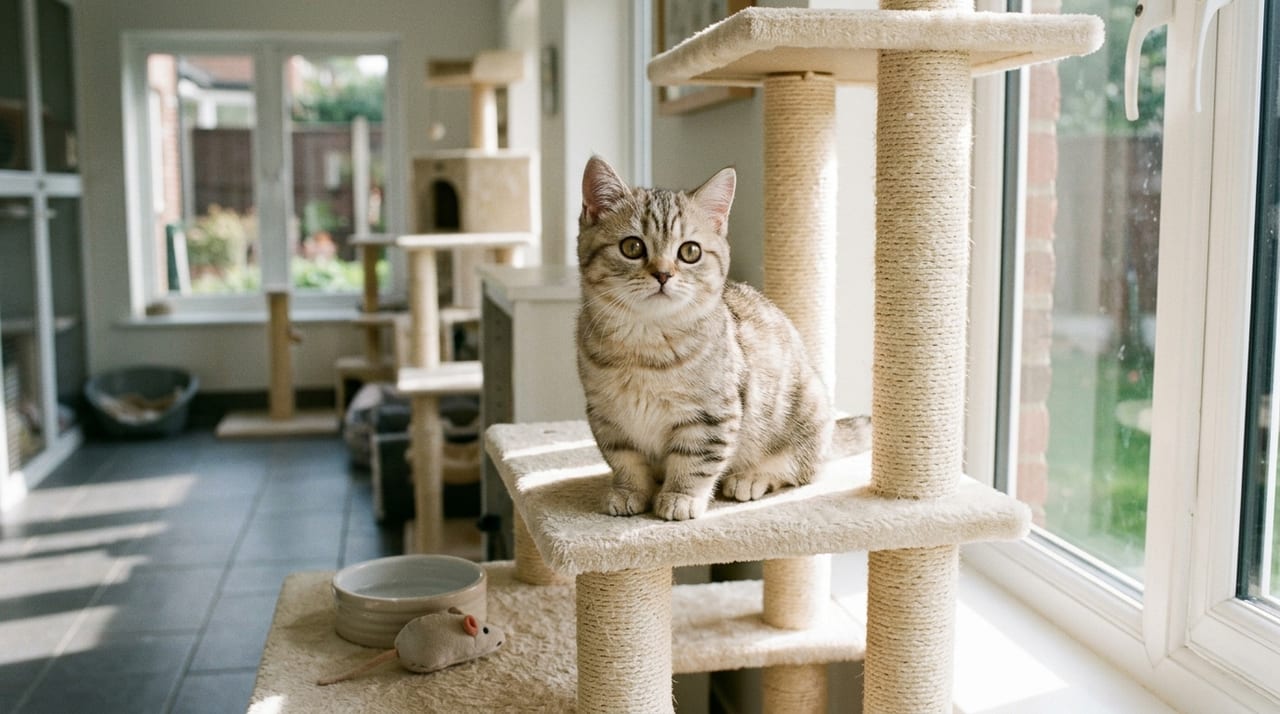
Reduce Stress Idiopathic cystitis is closely related to stress. Minimize environmental changes, and provide hiding spots, elevated perches, scratching posts, and other elements to create a safe space where your cat feels secure. In multi-cat households, pay attention to the relationships between cats.
Summary—Early Detection and Continuous Care Are Key
Feline urinary diseases tend to recur once they develop, often requiring long-term management. However, with consistent daily observation and appropriate preventive care, it is entirely possible to reduce symptom severity and extend intervals between recurrences.
Establishing a habit of checking your cat's urine volume, color, and frequency during daily litter box cleaning can lead to early detection of abnormalities. If you notice anything unusual, do not hesitate to consult your veterinarian. Because urinary diseases become increasingly difficult to treat the longer they go untreated, an early visit to your veterinarian is the best way to minimize your cat's suffering.