Scottish Straight Care Guide | Characteristics and Management of a Healthy Cat Breed Without Folded Ears
Scottish Straight is a straight-eared cat born from the same breed as Scottish Fold. This guide provides a detailed explanation of the characteristics, temperament, care methods, and precautions when adopting from a breeder, all without the risk of osteochondrodysplasia.
Key Takeaways
Scottish Straight is a straight-eared cat born from the same breed as Scottish Fold. This guide provides a detailed explanation of the characteristics, temperament, care methods, and precautions when adopting from a breeder, all without the risk of osteochondrodysplasia.
Related Species
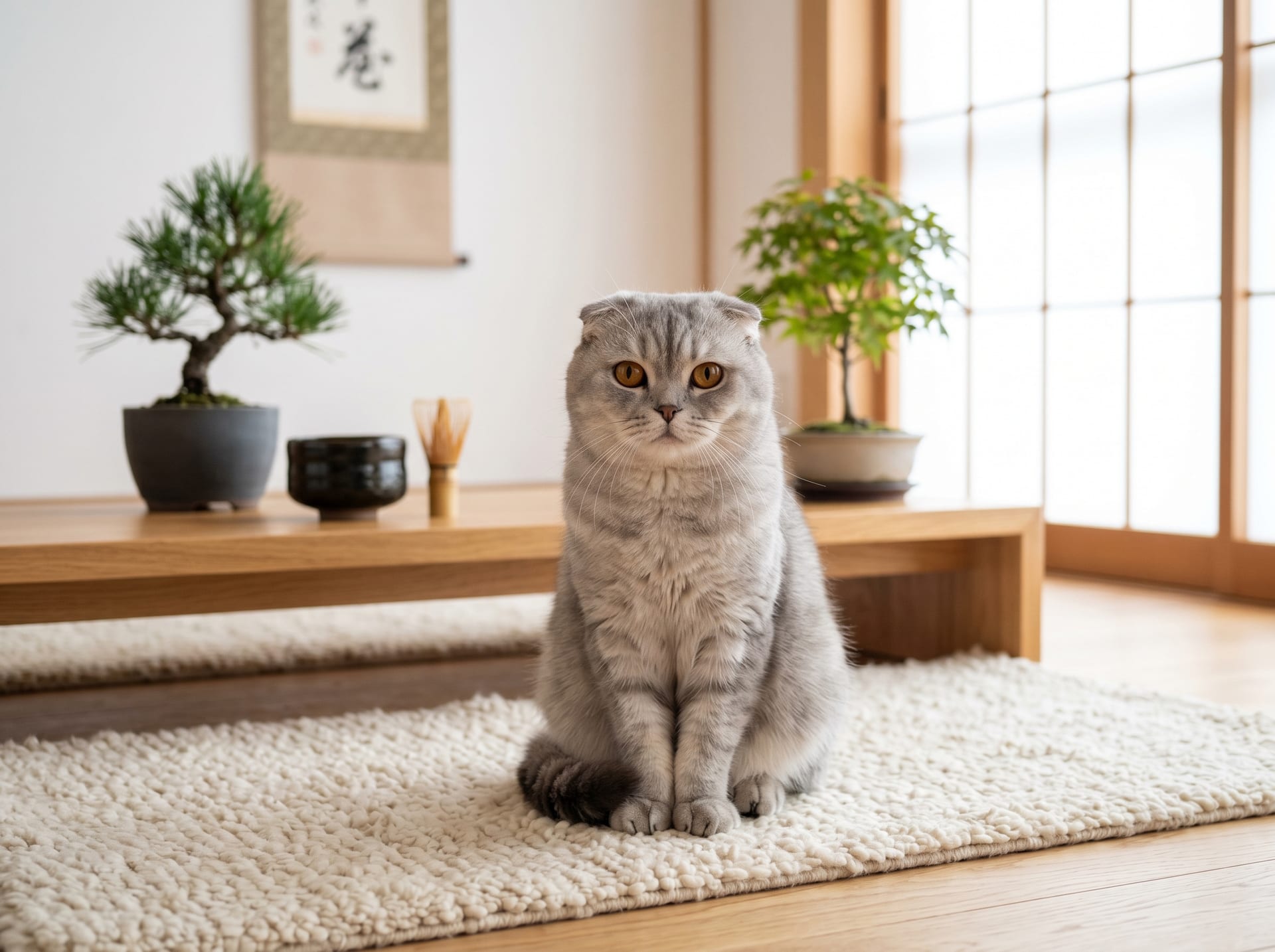
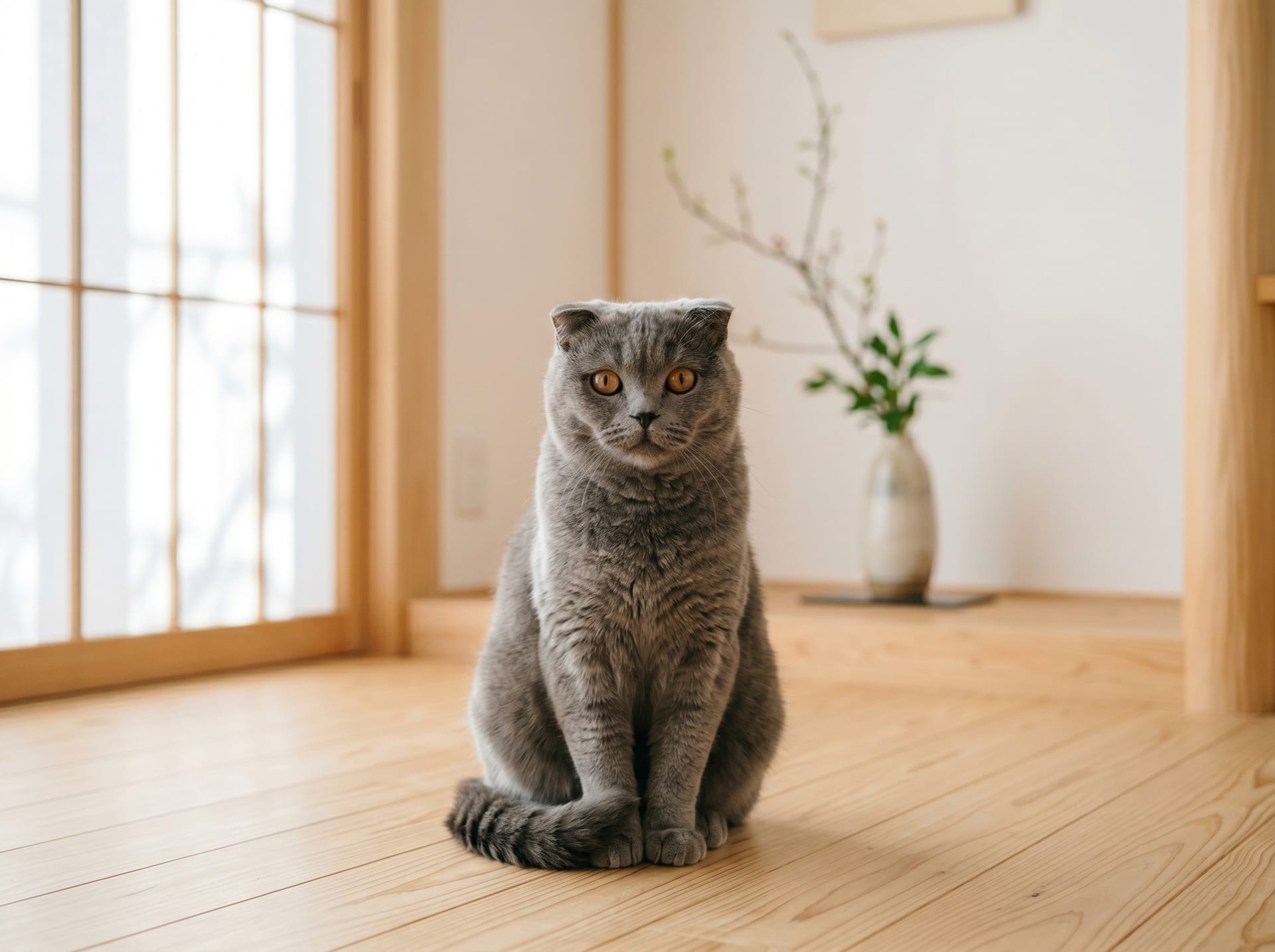
Scottish Straight is a straight-eared cat born under the same breeders as Scottish Fold, but without the folded-ear gene. While it has nearly the same body shape, coat, and temperament as Fold, it has no risk of osteochondrodysplasia (osteochondrodystrophy) and is attracting attention as a healthier cat breed.
What is Scottish Straight?
Scottish Fold originated from a cat with a folded-ear mutation discovered in Scotland in 1961. The Fd (folded) gene that produces folded ears is autosomal dominant, and modern veterinary medicine has clearly established that both homozygous (Fd/Fd) and heterozygous (Fd/fd) cases are prone to joint and cartilage abnormalities.
In contrast, Scottish Straight is a straight-eared individual with no folded-ear gene at all (fd/fd). Born from breeding pairs of Scottish Fold and Straight, it has nearly the same round face, short neck, and stocky body type in appearance, but genetically differs greatly in health risks.
Differences Between Folded and Straight Ears
| Feature | Scottish Fold | Scottish Straight |
|---|---|---|
| Ear Shape | Folded and bent forward | Straight, normal ears |
| Fd Gene | Present (Fd/fd or Fd/Fd) | Absent (fd/fd) |
| Joint Risk | High | Low (equivalent to normal cats) |
| Price Range | Slightly higher | Slightly lower |
Temperament and Characteristics
Like Fold, Scottish Straight is characterized by a gentle and laid-back temperament. They enjoy resting quietly on laps, are relatively friendly to strangers, and tend to get along well with dogs and other cats.
- Quiet vocalization: Relatively quiet, easy to keep even in apartments and other multi-unit housing
- High adaptability: Relatively resilient to environmental changes and comfortable spending time alone
- High intelligence: They enjoy playing with toys and puzzle feeders
- Good at being affectionate: Prefer to stay near their owners and sometimes display "dog-like" behavior of following them around
Setting Up Your Living Environment
Cage and Space
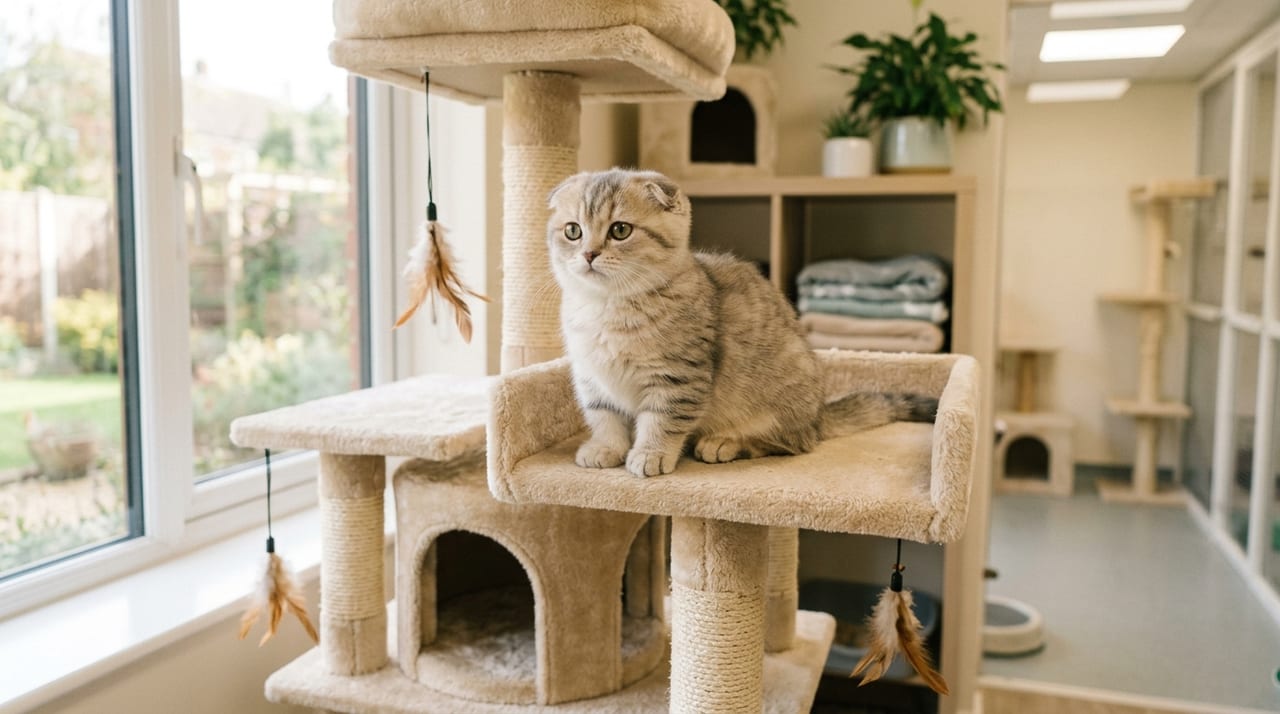
Scottish Straight doesn't require exceptionally large space, but you should install a cat tower or shelves where they can move vertically. Because their body is stocky, some individuals are poor jumpers. A layout combining low to medium-height steps is ideal.
- Litter Box: Choose a litter box that is 1.5 times or larger than the cat's body
- Cat Tower: Height of 1.2–1.5 meters with spacing between levels of approximately 30 cm
- Scratching Posts: Provide both vertical and horizontal scratching posts
Feeding Management
For adult cats (ages 1–7), feed approximately 20–25 kcal per kg of body weight. Since Scottish-type cats tend to become obese, use an automatic feeder to maintain proper portions.
- Dry Food: Choose high-protein (30% or more) and low-carbohydrate options
- Wet Food: Effective for hydration; aim for 2–3 times per week
- Treats: Keep to within 10% of daily calorie intake
Health Management and Diseases to Watch For
Scottish Straight has no risk of osteochondrodysplasia because it lacks the folded-ear gene; however, attention must be paid to diseases common to Scottish lineages.
Diseases to Watch For
Hypertrophic Cardiomyopathy (HCM): A cardiac disease relatively common in Scottish-type cats. It is prone to developing after ages 2–6, and annual echocardiographic screening is recommended. Sudden breathing difficulty and loss of vitality are primary signs.
Polycystic Kidney Disease (PKD): A hereditary kidney disease. Early detection is possible through echocardiographic screening. It is important to adopt breeding cats from breeders who have conducted PKD genetic testing (PKD1 mutation screening).
Oral Disease: Periodontal disease is common in cats in general. Prevention is possible by accustoming cats to tooth brushing from an early age.
Vaccinations and Prevention
| Prevention | Frequency |
|---|---|
| Feline Viral Rhinotracheitis, Calicivirus, and Panleukopenia (FVRCP) Vaccine | 2–3 times in the first year as a kitten, then every 1–3 years |
| Rabies (if kept outdoors) | Once per year |
| Flea and Tick Prevention | Once per month (year-round or spring through fall) |
| Intestinal Parasite Screening | 1–2 times per year |
Spaying and neutering surgery is typically performed at 5–7 months of age. After surgery, metabolism slows, so switch to a diet formula food.
Points to Consider When Adopting from a Breeder
When adopting a Scottish Straight from a breeder, confirm the following points:
- Genetic Testing: Confirm negative test certificates for PKD1 mutation screening on parent cats
- HCM Test History: Verify that parent cats have a history of echocardiographic screening
- Breeding Method with Folded-Ears: Avoid breeding Fold × Fold as it raises ethical concerns
- Socialization Status: Confirm the kitten was exposed to people and sounds during the critical socialization period (weeks 2–7 of age)
- Pedigree Certificate: Pedigrees from recognized organizations such as TICA, CFA, or JCF increase credibility
Prices typically range from ¥50,000 to ¥150,000, which is more affordable than folded-ear Scottish Fold cats (¥220,000 to ¥480,000). However, superior bloodlines with HCM and PKD screening can command higher prices.
Grooming and Care
Scottish Straight comes in two types: short-haired and long-haired (Highland Straight).
Short-haired type: Brushing 1–2 times per week is sufficient. During shedding seasons (spring and fall), daily brushing prevents coat matting.
Long-haired (Highland) type: Daily brushing is ideal. Pay special attention to the underarms, belly, and neck area, as these are particularly prone to matting.
Clean ears 1–2 times per month and trim nails every 3–4 weeks.
Summary
Scottish Straight is a healthy cat breed with the adorable appearance and gentle temperament of Scottish Fold, but without the risk of osteochondrodysplasia. By adopting from a breeder who has conducted thorough HCM and PKD screening and maintaining regular health checkups, you can enjoy a long and healthy life together. This breed is highly recommended for those who love folded-ear cats but prioritize health.