Scottish Fold Osteochondrodysplasia and Ethical Breeding | Symptoms, Genetics, and Selection Guide
The gene mutation that creates Scottish Fold's folded ears carries the risk of triggering osteochondrodysplasia (OCD), causing chronic pain and bone deformation. This article explains the mechanism of the mutation gene, how to identify symptoms, ethical breeding methods for folded-ear × straight-ear crosses, and how to select individuals prioritizing health.
Key Takeaways
The gene mutation that creates Scottish Fold's folded ears carries the risk of triggering osteochondrodysplasia (OCD), causing chronic pain and bone deformation. This article explains the mechanism of the mutation gene, how to identify symptoms, ethical breeding methods for folded-ear × straight-ear crosses, and how to select individuals prioritizing health.
Scottish Folds are beloved worldwide for their charming folded ears and round faces. However, scientific research has clearly demonstrated that the gene mutation responsible for this distinctive folded-ear trait triggers serious skeletal disorders. This article provides accurate understanding of Scottish Fold health issues and practical knowledge for ethical care and breeding.
Folded Ear Genetic Mechanism
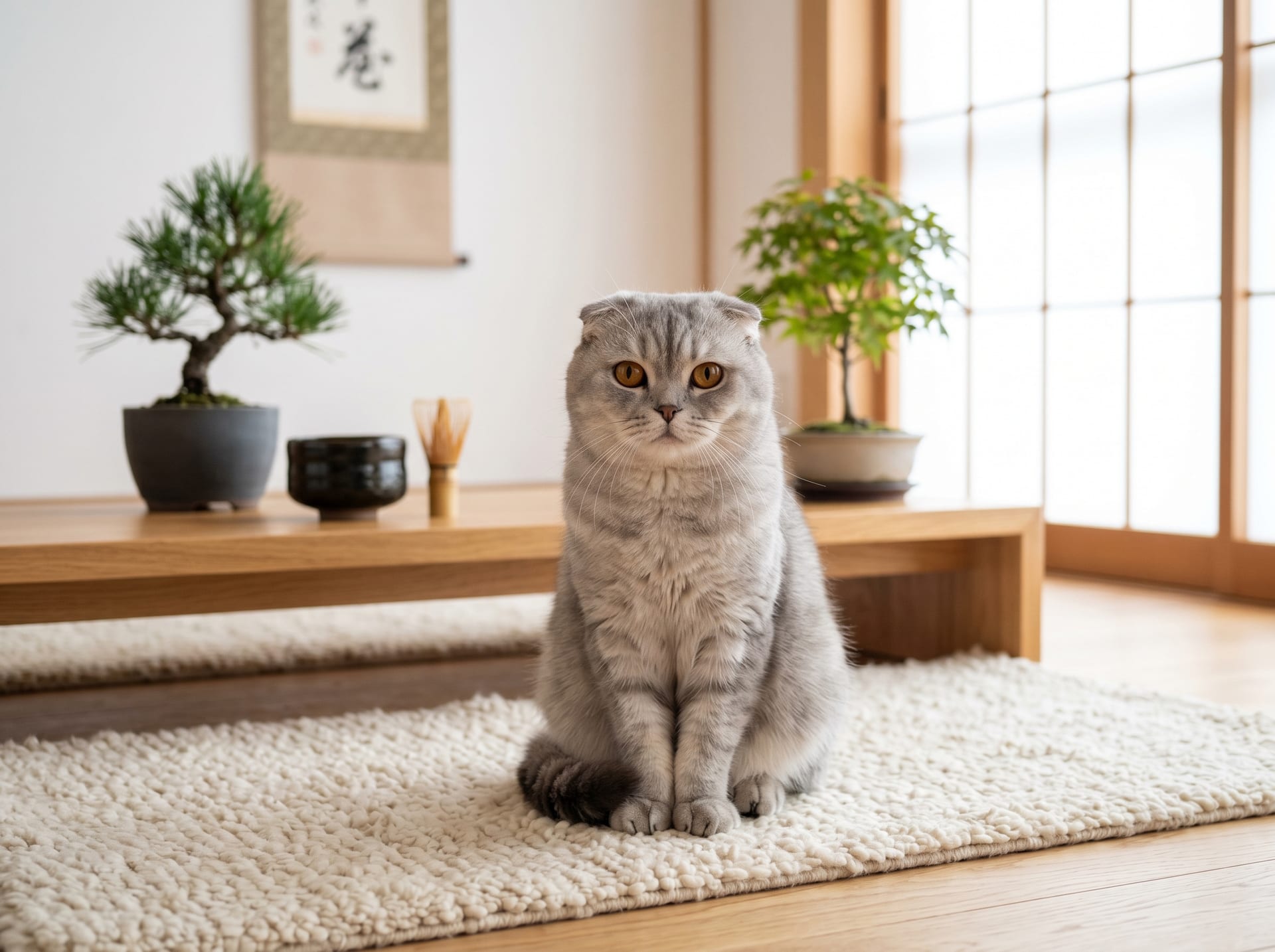
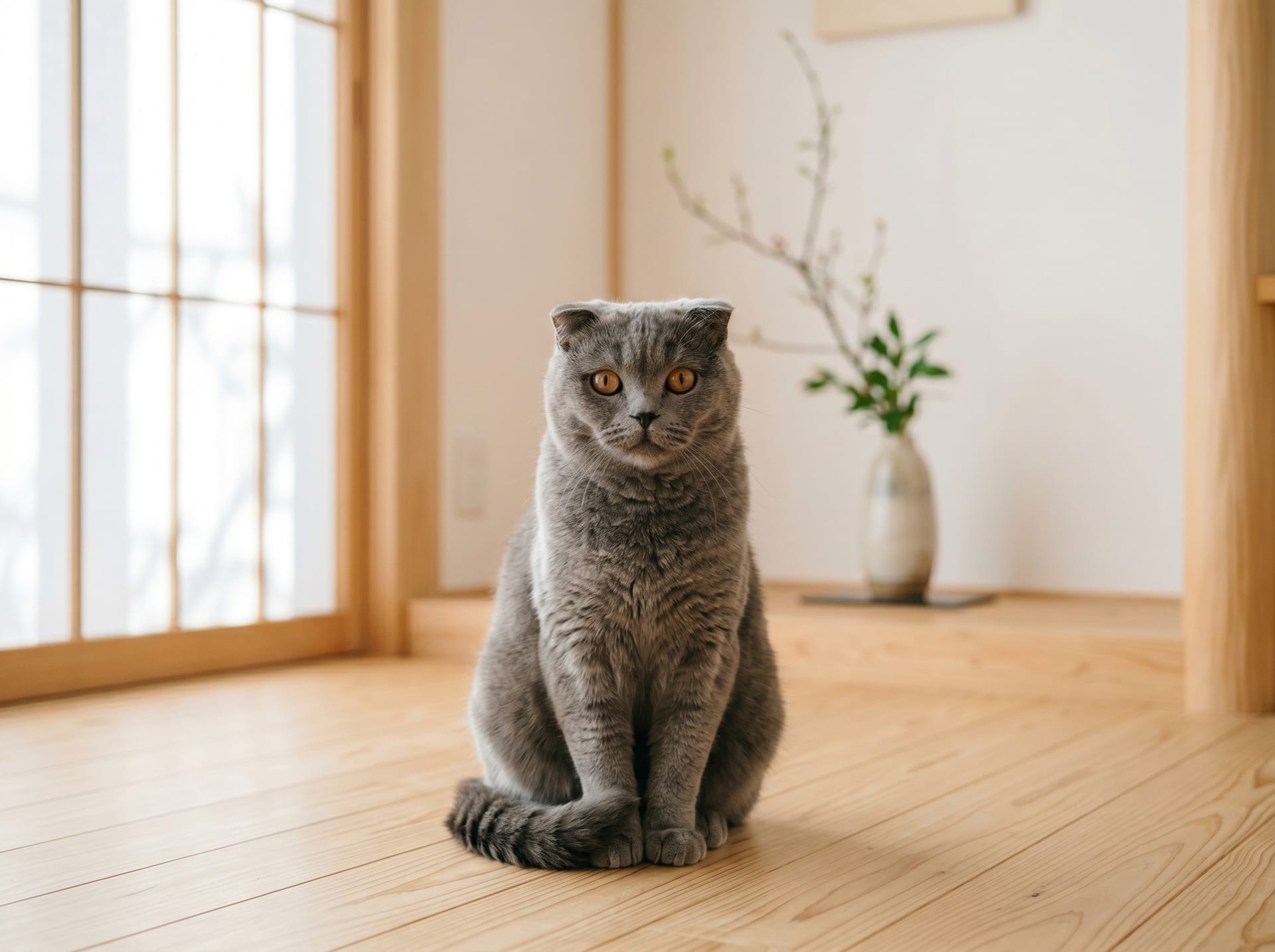
Scottish Fold's folded ears are caused by a dominant mutation gene called Fd (folded). The Fd gene inhibits cartilage formation, softening ear cartilage and causing it to fold forward.
However, the Fd gene affects not only ear cartilage but also cartilage and bone formation throughout the entire body. This causes a condition called "Osteochondrodysplasia (OCD)," where bones and cartilage in the tail, ankles, wrists, and knees become deformed, resulting in chronic pain.
Fd/Fd (homozygous): Individuals who inherit the folded-ear gene from both parents. They carry the highest risk of developing the most severe OCD and are generally not used (and should not be used) for breeding. Fd/fd (heterozygous): Individuals who inherit the folded-ear gene from only one parent. They have folded ears but may have milder symptoms than homozygotes. However, the OCD risk cannot be guaranteed to be zero. fd/fd (straight-eared): Individuals without the folded-ear gene. Called Scottish Straights, they possess the same body type, coat, and personality as Scottish Folds while carrying minimal osteochondrodysplasia risk.
Symptoms of Osteochondrodysplasia
OCD carries a risk of developing in all Scottish Folds to varying degrees. The severity of symptoms varies greatly among individuals, with some developing serious conditions at a young age while others show signs later in life.
Early signs:
- Dislikes having the tail touched, stops swishing the tail
- Avoids jumping, shows reluctance to climb to high places
- Awkward gait, especially with stiff hind limbs
- Reduced grooming frequency (difficulty reaching the back, tail, and hind limbs)