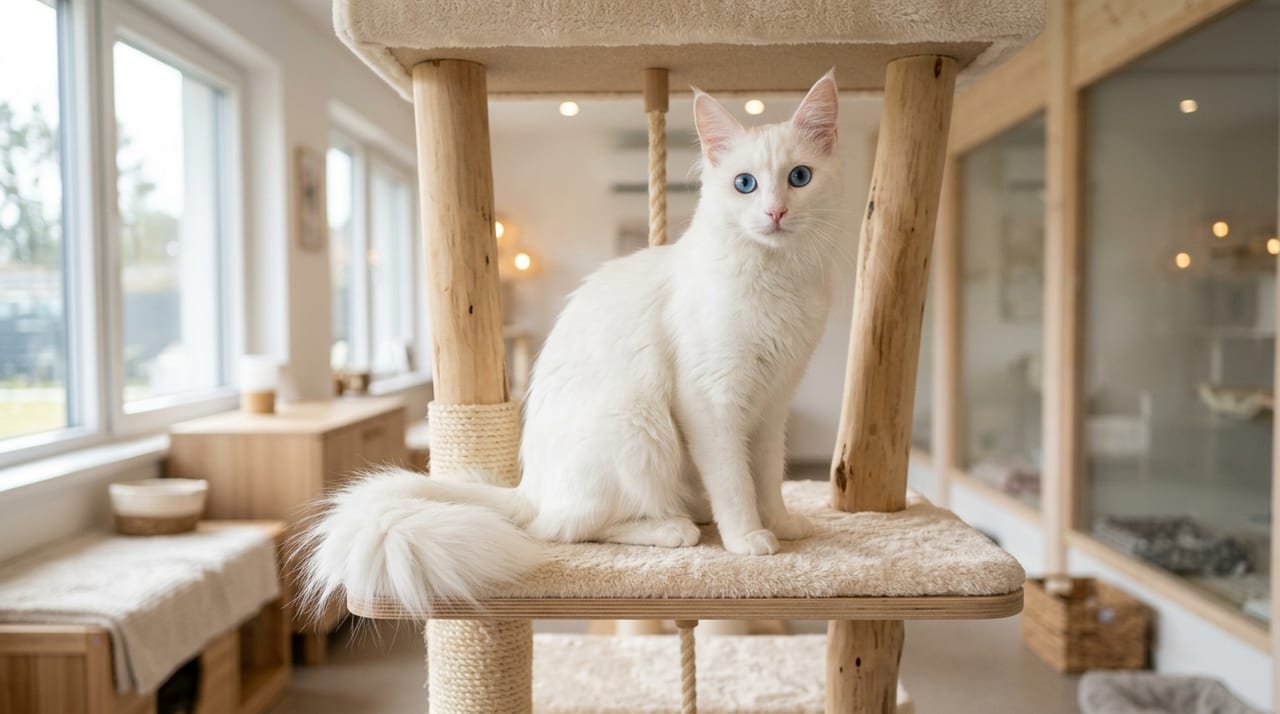
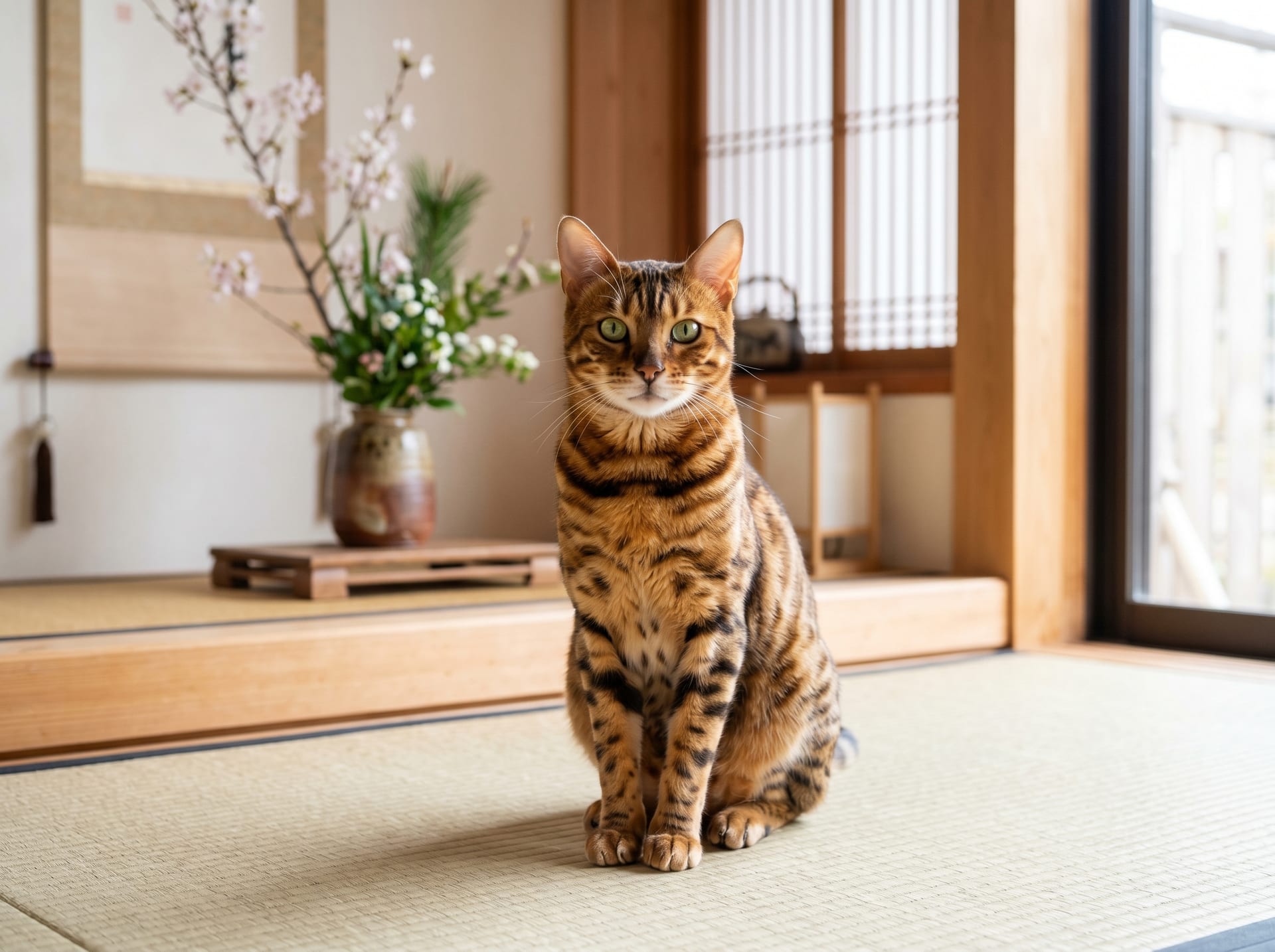
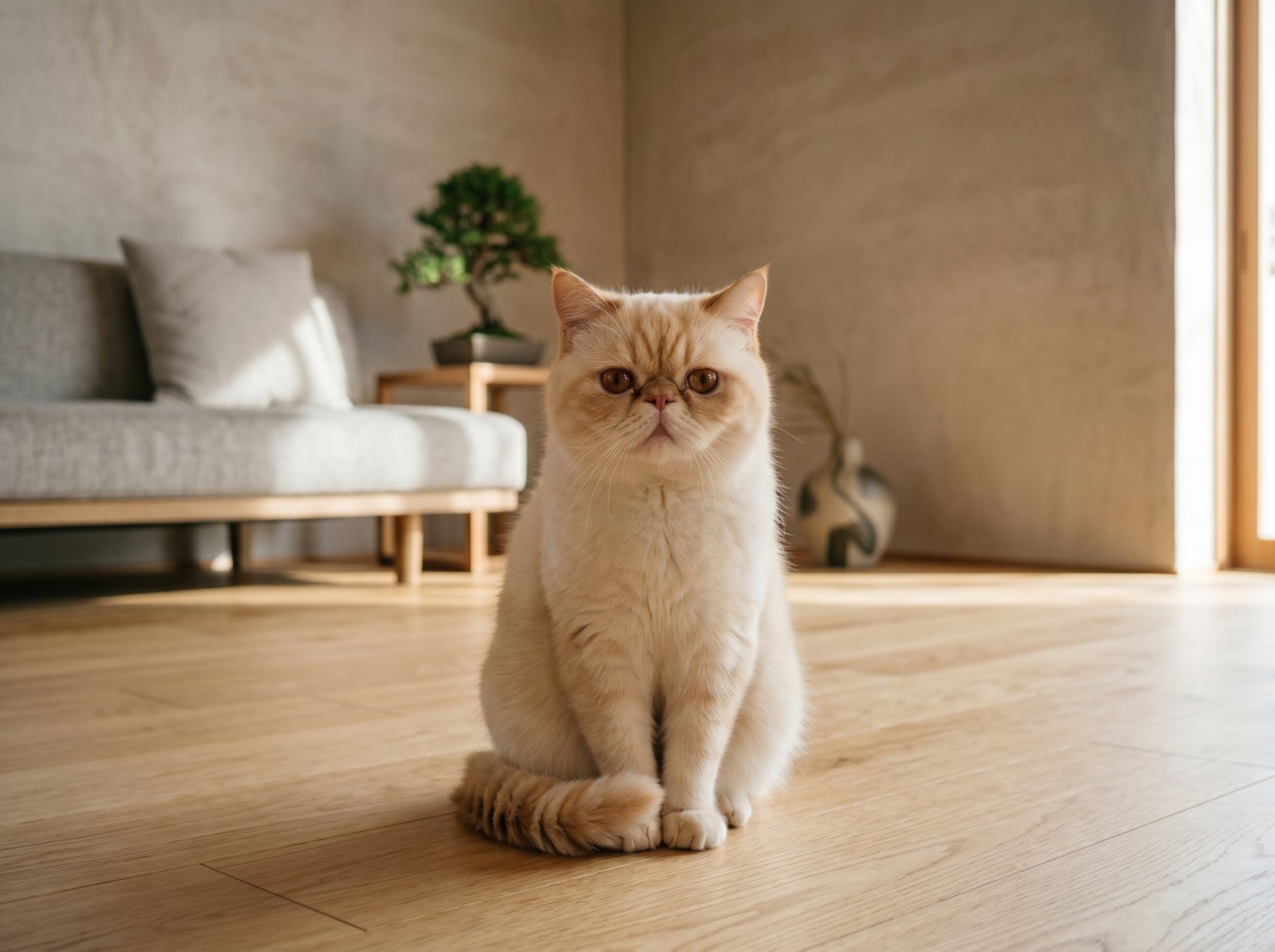
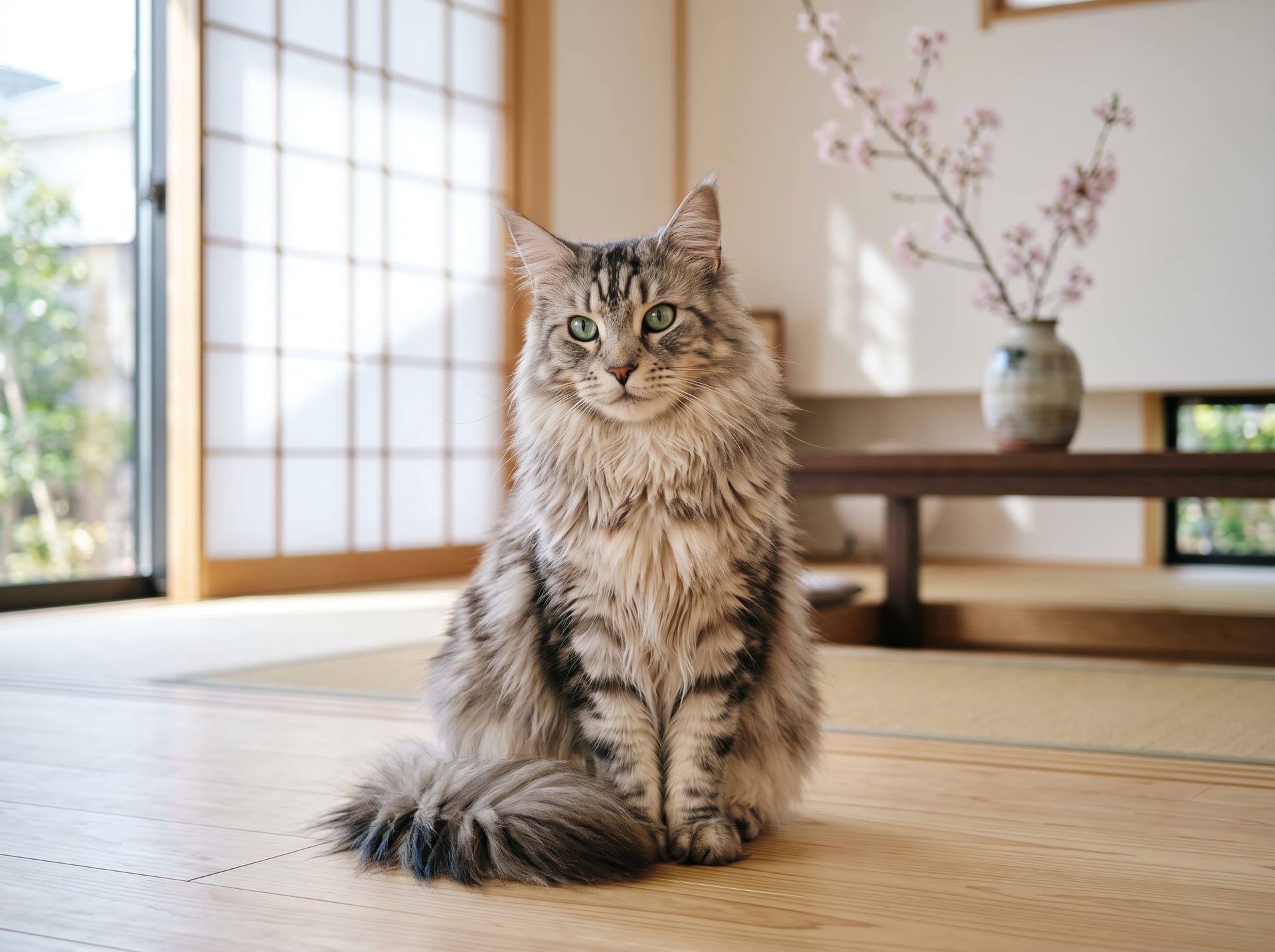
Veterinary guide to genetic diseases and health risks in popular cat breeds including Scottish Fold, Maine Coon, Persian, and Bengal — essential reading before choosing a purebred cat.
Key Takeaways
Veterinary guide to genetic diseases and health risks in popular cat breeds including Scottish Fold, Maine Coon, Persian, and Bengal — essential reading before choosing a purebred cat.
# Cat Breed Health Risks and Genetic Disease Guide | From Scottish Folds to Maine Coons
When bringing a cat into your home, understanding not only their appearance and personality but also the health risks inherent to their breed beforehand is an important preparation for a long and healthy life together. As purebred cats are selectively bred, certain genetic traits become fixed while the risk of specific diseases can increase. This article explains health risks and genetic diseases by popular cat breed from a veterinary perspective.
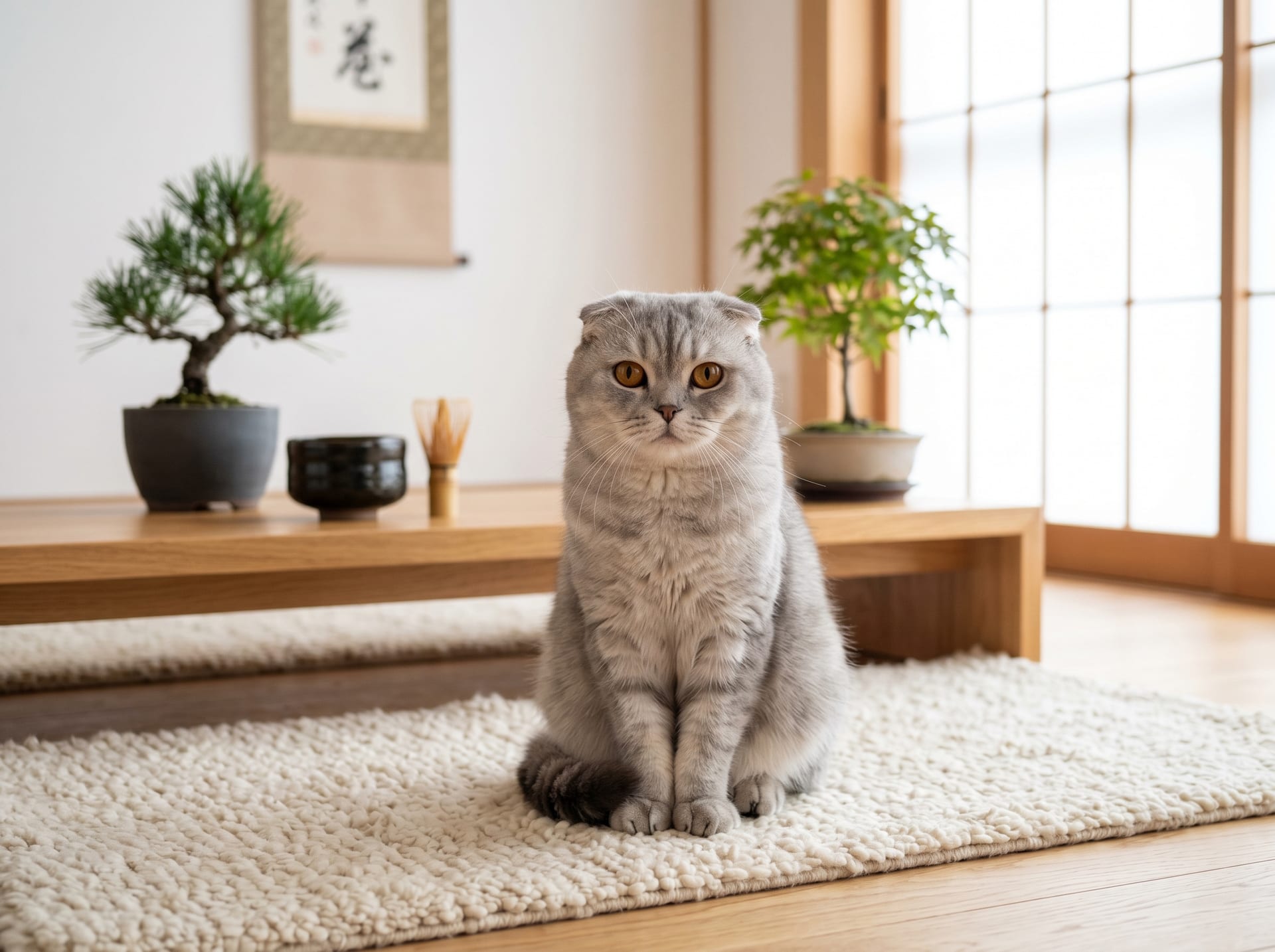
Scottish Folds are characterized by their distinctive folded ears and cute, rounded appearance. However, the genetic mutation (Fd gene) that creates this folded ear trait affects not just the ears but also cartilage and bone formation throughout the entire body.
Individuals homozygous (FF) for the Fd gene almost certainly develop the condition, while heterozygotes (Fd) also have a high incidence. Symptoms manifest as joint and bone deformities, most commonly affecting the ankle, knee, and tail joints, with signs such as "doesn't squat," "avoids jumping," and "tail becomes stiff."
Care Checklist - Regularly check for joint swelling or stiffness - Avoid folded-ear × folded-ear breeding (higher risk) - Regular monitoring is necessary even for Scottish Shorthairs with normal ears - Many cats hide pain, so pay attention to behavioral changes
It is worth noting that several countries including the UK, Netherlands, and Belgium have moved to ban the breeding of Scottish Folds. Taking this fact into account, health status must be prioritized in decision-making.
The Maine Coon is one of the largest cat breeds with a gentle temperament, earning them the nickname "dog-like cat." However, they are known to have a particularly high incidence of hypertrophic cardiomyopathy (HCM), requiring careful attention.
HCM is a condition where the heart muscle becomes enlarged, impairing normal heart function. As it progresses, it can lead to heart failure, thrombosis, and sudden death. In Maine Coons, the condition is attributed to mutations in the MYBPC3 gene, and genetic testing can determine the risk of developing the disease.
Find Cats on BreederDirect
Buy directly from verified breeders
Find Cats listings related to this article on BreederDirect. Buy directly from verified breeders.
Care Checklist - Regular cardiac echocardiography (recommended once every 1-2 years) - Abnormal breathing (mouth breathing, labored breathing) is an emergency sign - Sudden hind limb paralysis (thromboembolism) requires immediate attention - Genetic testing (HCMm1/m2) for advance risk assessment
Ragdolls are another cat breed with high HCM risk. A Ragdoll-specific HCM genetic variant (MYBPC3 ragdoll variant) has been discovered, and DNA testing is recommended.
Additionally, Ragdolls have been reported to carry risk for polycystic kidney disease (PKD), making regular health management with both ultrasound and genetic testing important.
Care Checklist - Regular blood work and urinalysis (kidney function evaluation) - Every six months of testing recommended after age 6 - Increase water intake through dietary adjustments (wet food, automatic water fountains)
Munchkins are characterized by their short legs, a trait inherited through autosomal dominant inheritance. The homozygous form of the short-leg gene (Lk) is considered lethal, with only heterozygotes surviving.
There is also risk of spinal deformities (kyphosis, scoliosis) and skeletal abnormalities. Progressive degenerative joint disease can develop as repeated stress accumulates on the joints.
Care Checklist - Be careful about falls from tall cat trees - Obesity significantly increases stress on joints, making weight management crucial - Regular X-rays to monitor skeletal condition
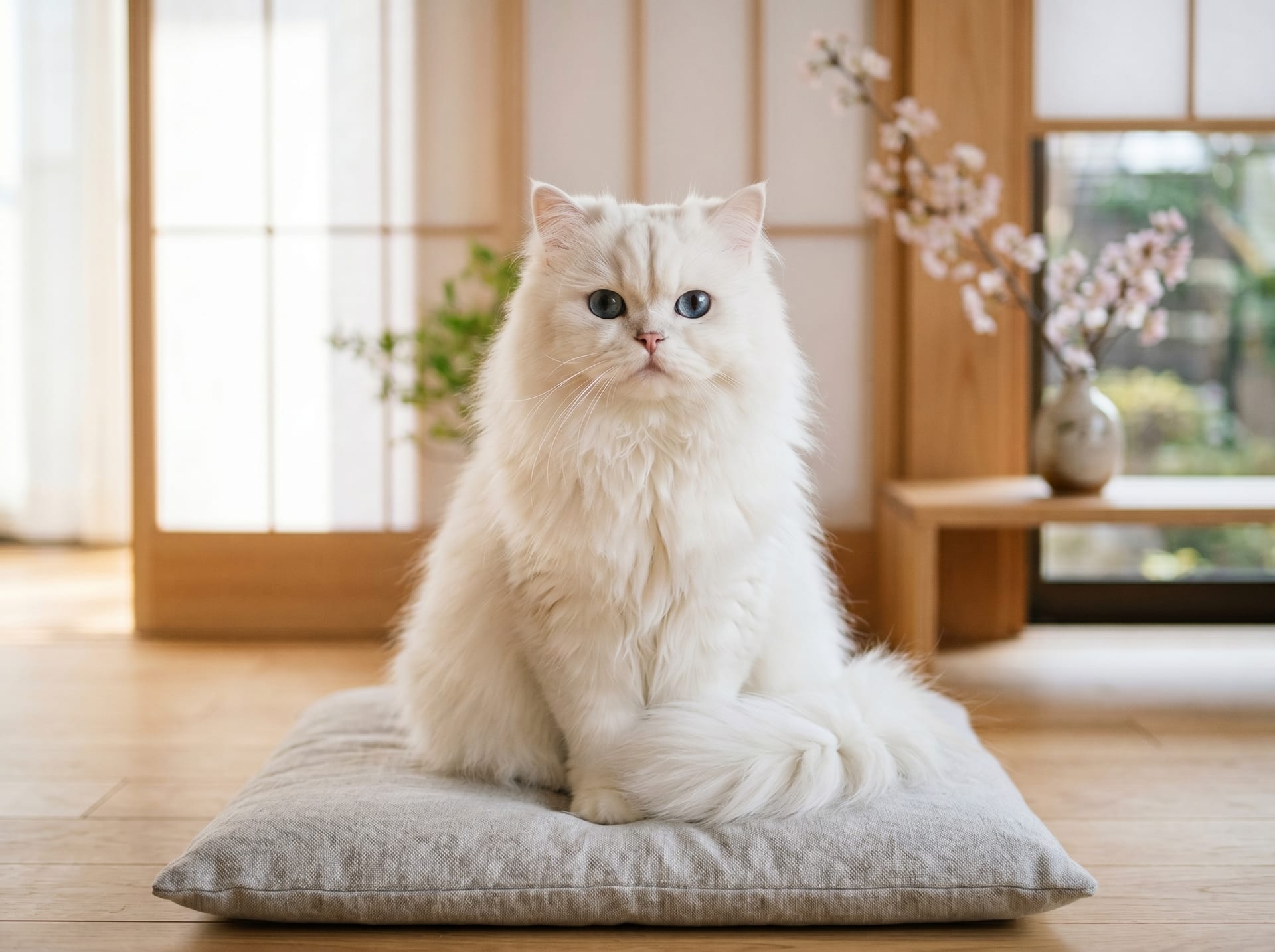
Persians are globally recognized as having an extremely high incidence of polycystic kidney disease (PKD). PKD is a hereditary disorder where multiple cysts form in the kidneys, and if left untreated, can progress to chronic kidney failure.
Additionally, due to their flat-faced (brachycephalic) characteristics, brachycephalic obstructive airway syndrome (BOAS) is a concern. If your cat exhibits constant heavy breathing or very loud snoring, consultation with a specialist is necessary.
Care Checklist - Avoid breeding individuals that test positive for the PKD gene (PKDI) - Regular kidney screening via ultrasound - Monitor breathing patterns (snoring, labored breathing, open-mouth breathing during heat) - Pay special attention to hot summer environments
Siamese cats are genetically prone to strabismus (crossed eyes). Additionally, reports of obsessive-compulsive disorder (OCD) behaviors such as excessive grooming and self-injurious behavior appear more frequently than in other breeds.
Burmese cats may have hypokalemic periodic paralysis, a neuromuscular disorder that can cause temporary hind limb paralysis under certain conditions.
| Breed | Primary Risks | Recommended Tests | |------|----------|---------| | Scottish Fold | Osteochondrodysplasia | X-rays, joint palpation | | Maine Coon | HCM (Hypertrophic Cardiomyopathy) | Genetic testing, cardiac echocardiography | | Ragdoll | HCM, Polycystic Kidney Disease | Genetic testing, cardiac echocardiography, kidney ultrasound | | Munchkin | Skeletal abnormalities, joint disease | X-rays | | Persian | PKD, BOAS | Genetic testing, kidney ultrasound | | Siamese | Strabismus, behavioral issues | Ophthalmological exam, behavioral evaluation |
Acquiring a cat from a responsible breeder is one of the best ways to reduce genetic disease risk. Confirm the following points with the breeder:
Responsible breeders openly share information about genetic diseases and prioritize health in their breeding decisions. When choosing a breeder, it is important to make judgments not just on price but also from the perspective of breeding ethics.
Knowing in advance the health risks inherent to your cat's breed is essential for a long and enriching life together. By utilizing genetic testing and regular health examinations, you can detect and address problems early and slow the progression of many diseases.
Beyond the aesthetic appeal of a cat breed, it is best to choose a breed that suits your lifestyle while considering health risks and necessary management costs. This represents the best choice for both cats and humans.