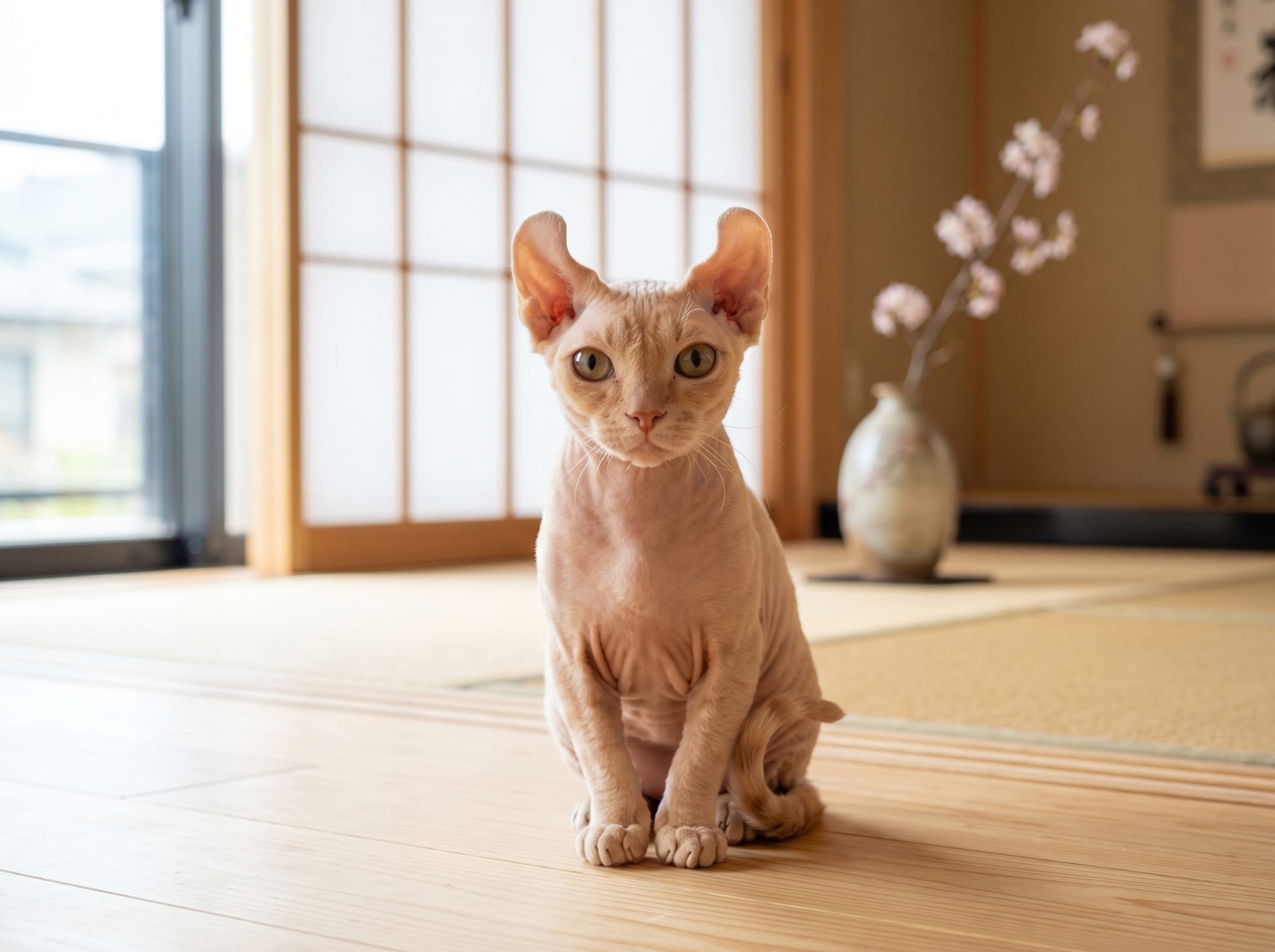
Dwelf
Triple cross of Sphynx, Munchkin, and American Curl. Hairless, short-legged, curled ears - extremely rare.
View Dwelf encyclopedia →0% commission on your first sales!Register by September 30, 2026 and your first 2 sales are commission-free!
Breeder Wanted!
List on BreederDirect and sell directly to customers nationwide!
4 Trust Pillars We Guarantee at Br-Choku
For all kitten listings, Breeder clearly disclose the following information. To ensure safe and transparent direct sales, Br-Choku requires these legally mandated items.
- MicrochipRequired
- Vaccinated
- Health Checked
- Pedigree Certified
* Microchip implants are now legally required for breeding businesses selling dogs and cats under the Animal Protection Law (effective June 2022).
Secure transaction guarantee
Dogs & cats onlyEvery BreederDirect transaction is covered by our transaction guarantee. If you cannot receive your pet, you will be fully refunded. A health guarantee also covers you after handover.
Learn about transaction safety →Browse all 88 breeds
Verified breeders wanted for Cats
Breeders are signing up now ahead of launch. Subscribe to be notified when new listings go live.
Getting alerts is free with a member account. When new listings match your saved search, we'll notify you by email and in-app.
Browse other categories
Verified breeders (preview)
Dwelf key facts
- Care level
- Advanced
- Lifespan
- 12-15 years
- Size
- 1.8-3kg
- Diet
- Dry food, high-calorie diet
- Temperament
- Sociable, affectionate, playful
- Exercise
- Moderate indoor play
- Coat Care
- Hairless, regular baths and skin care essential
- Origin
- United States
- Notes
- Cold sensitive, indoor only, extremely rare
About Dwelf
The Dwelf emerged in the United States in the early 2000s as an experimental designer breed, combining the hairlessness of the Sphynx, the short legs of the Munchkin, and the curled ears of the American Curl into one extraordinarily rare cat. Even as adults, Dwelfs remain small, typically weighing just 2–3 kg. Without a coat, their skin feels surprisingly warm and soft to the touch, and their gently curled ears complement a round, endearing face. In personality, the Dwelf strongly reflects the Sphynx's affectionate nature—following owners from room to room, curling up in laps, and constantly seeking closeness. They are also energetic and playful, enjoying active indoor games. Because breeding numbers remain very low worldwide and domestic availability in Japan is still extremely limited, simply encountering a Dwelf is itself a rare experience.
7 things to know before welcoming a Dwelf
1Warmth Is Essential
Without a coat, Dwelfs lose body heat quickly and generally do best in an ambient temperature of around 25–28°C. Provide a pet-safe heater or thick blankets in cooler months, and avoid setting air conditioning too low in summer.
2Regular Skin Care Needed
Without fur to absorb skin oils, Dwelfs require a wipe-down or gentle bath with warm water every one to two weeks. Use a mild, cat-safe shampoo to avoid irritating the skin. The inner ears also accumulate oil and wax, so inspect and clean them regularly.
3Joint Care for Short Legs
The Munchkin-derived short limbs are endearing but can place stress on joints when jumping from height. Choose cat trees with smaller, lower steps and place cushioned mats on the floor. Maintaining a healthy weight also helps protect the joints over the long term.
4Social but Dislikes Solitude
Dwelfs are sociable cats that thrive on companionship and can become stressed when left alone for long periods. In households where owners are away frequently, a second cat companion may help. Interactive toys and environmental enrichment can also reduce boredom during absences.
5High Cost Due to Rarity
Due to extremely limited breeding worldwide, Dwelf kittens often cost several hundred thousand yen or more. When selecting a breeder, always ask for health certificates and information on genetic testing. If importing from overseas, factor in quarantine and transportation costs as well.
6Understand Genetic Health Risks
As a multi-breed hybrid, Dwelfs may be predisposed to conditions such as hypertrophic cardiomyopathy (HCM) and skeletal issues. Regular veterinary check-ups including cardiac ultrasound and orthopedic assessments are advisable. Confirm that the breeder performs health screenings on parent cats before purchasing.
7Protect from Sun Exposure
Without fur, a Dwelf's skin is directly exposed to UV rays, and prolonged sunbathing can lead to sunburn or skin damage. While many enjoy sitting near windows, consider applying UV-blocking window film and limiting sun exposure time. Full indoor living is strongly recommended to keep them safe.
Frequently asked questions about Dwelf
- Q.Is the Dwelf truly completely hairless?
- A.Dwelfs are not always 100% hairless—some individuals have a very fine, barely visible peach-fuzz coat. Shedding is minimal compared to most breeds, which may reduce reactions for some allergy sufferers. However, cat allergies are typically triggered by the Fel d1 protein, not fur itself, so a hairless coat does not guarantee a fully allergy-safe environment.
- Q.Can a short-legged cat live a long, healthy life?
- A.With proper environmental management and regular veterinary checkups, many Dwelfs can live comfortably full lives. Avoiding high ledges and excessive jumping reduces stress on their joints and skeletal structure, which directly impacts longevity. Lifespan varies by individual but is generally estimated at around 12–15 years.
- Q.Where can I find a Dwelf kitten?
- A.Domestic availability in Japan is extremely limited. Most Dwelfs are sourced through specialist breeders or imported from overseas, and pet shop availability is almost nonexistent. When selecting a breeder, always verify that genetic health testing is conducted and that the living conditions of breeding cats are humane and transparent.
- Q.Do Dwelfs get along with other pets?
- A.Dwelfs are generally sociable and, with careful, gradual introductions, can form positive relationships with other cats or gentle dogs. Avoid forced initial contact—start with scent-swapping and follow standard pet introduction protocols. Because Dwelfs dislike being alone, having a compatible companion animal can contribute to their overall emotional stability.
- Q.How much does it cost to keep a Dwelf?
- A.Beyond the purchase price, monthly costs include food, consumables, and regular skin and ear care products. Specialized veterinary checkups for cardiac and skeletal health—recommended once or twice a year—tend to make medical expenses higher than average. Pet insurance is worth considering to help manage unexpected costs.
Useful tools for Dwelf care
Learn more about Dwelf in the encyclopedia
View Dwelf encyclopedia entry →
Care difficulty, lifespan, size and diet — all basics covered.
More in this category
Can't find the one you're looking for?
Post your wishes for free and breeders with matching animals will contact you with introductions.