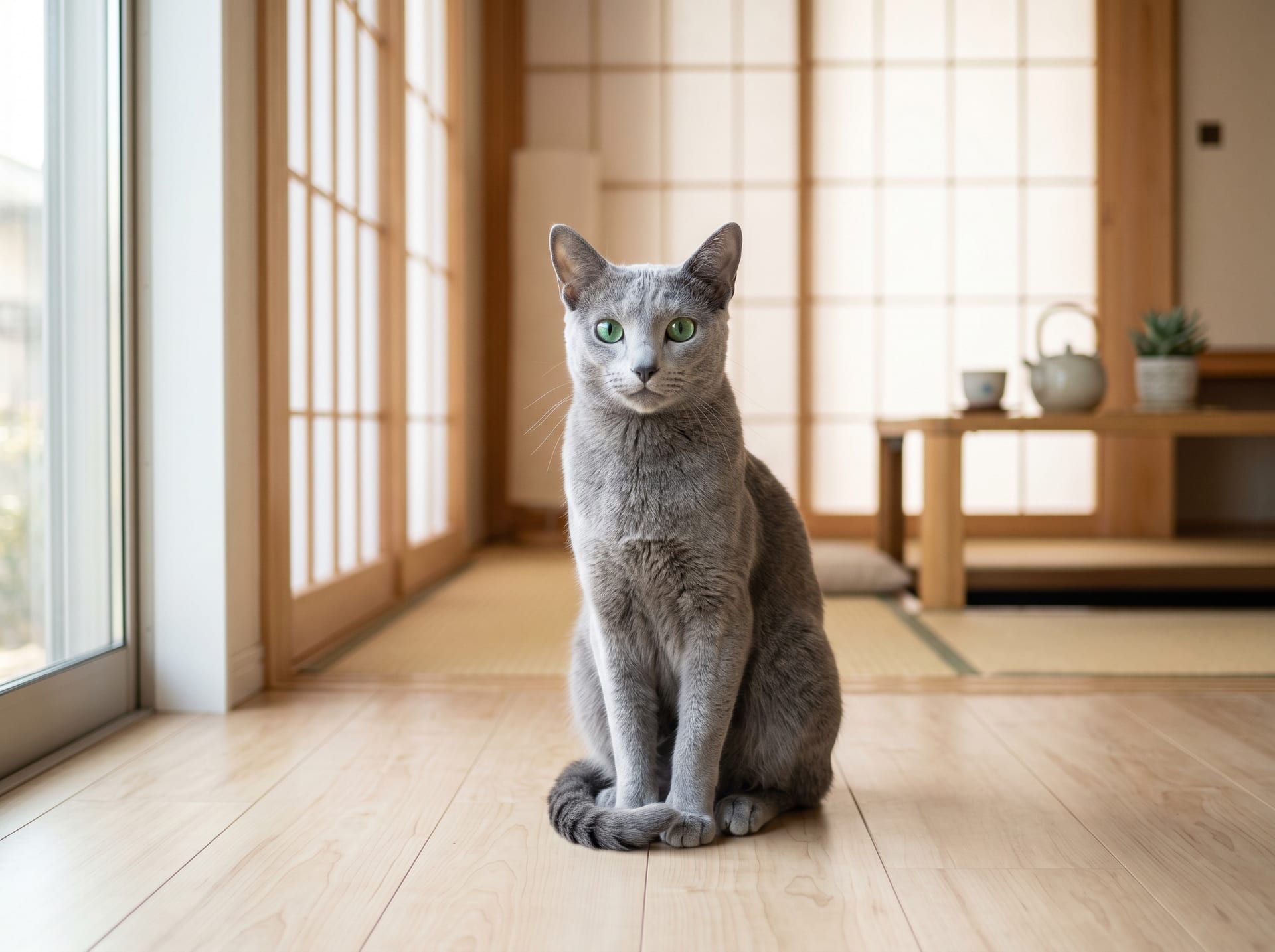
Russian Blue
Beautiful blue-grey coat with vivid green eyes. Reserved with strangers but deeply affectionate with trusted owners.
View Russian Blue encyclopedia →- Price Range
- ¥70,000〜¥238,000
0% commission on your first sales!Register by September 30, 2026 and your first 2 sales are commission-free!
Breeder Wanted!
List on BreederDirect and sell directly to customers nationwide!
4 Trust Pillars We Guarantee at Br-Choku
For all kitten listings, Breeder clearly disclose the following information. To ensure safe and transparent direct sales, Br-Choku requires these legally mandated items.
- MicrochipRequired
- Vaccinated
- Health Checked
- Pedigree Certified
* Microchip implants are now legally required for breeding businesses selling dogs and cats under the Animal Protection Law (effective June 2022).
Secure transaction guarantee
Dogs & cats onlyEvery BreederDirect transaction is covered by our transaction guarantee. If you cannot receive your pet, you will be fully refunded. A health guarantee also covers you after handover.
Learn about transaction safety →Browse all 74 breeds
Verified breeders wanted for Cats
Breeders are signing up now ahead of launch. Subscribe to be notified when new listings go live.
Getting alerts is free with a member account. When new listings match your saved search, we'll notify you by email and in-app.
Browse other categories
Verified breeders (preview)
Russian Blue key facts
- Care level
- Beginner-friendly
- Lifespan
- 15-20 years
- Size
- Weight 3-5.5kg
- Diet
- Complete nutrition cat food. Monitor portions as they tend to overeat.
- Temperament
- Shy at first but deeply loyal to family. Quiet and gentle.
- Exercise
- Enjoys moderate exercise. Interactive toys are effective for stimulation.
- Coat Care
- Short, dense double coat with minimal shedding. Brush 1-2 times per week.
- Origin
- Russia (Arkhangelsk)
- Notes
- Sensitive to stress and dislikes environmental changes. Stable, quiet home is essential.
About Russian Blue
The Russian Blue is believed to have originated near the port of Arkhangelsk in northwestern Russia, arriving in Britain in the late nineteenth century where it was developed as a recognized breed. After near extinction following World War II, dedicated European breeders revived the line, and today the Russian Blue is cherished around the world. Its most distinctive feature is its coat: a blue-toned silver-grey double layer that shimmers subtly in changing light. The eyes begin as yellow in kittenhood and gradually deepen into a vivid emerald green by adulthood. In character, Russian Blues are cautious, perceptive, and quietly intelligent, yet they reveal a gentle, affectionate side with those they trust. Their soft voices and tidy habits make them well-suited to apartment living and households that value a calm, composed companion.
7 things to know before welcoming a Russian Blue
1Slow to Warm Up
Russian Blues tend to be cautious around new people and environments, often keeping their distance at first. Patience is key — forcing interaction can set back trust-building. Once comfortable, they often form a particularly strong bond with one primary person.
2Prefers Quiet Homes
This breed is sensitive to noise and sudden changes, making calm households a better fit. If you have young children or frequent guests, provide a quiet retreat where the cat can decompress. A consistent daily routine helps Russian Blues feel secure.
3Prone to Weight Gain
Russian Blues have hearty appetites and can easily overeat if food is left out freely. Stick to measured portions and limit treats to prevent obesity. Maintaining a healthy weight reduces the risk of joint stress and metabolic issues over time.
4Low-Maintenance Coat
The dense double coat is short and doesn't tangle easily, so weekly brushing one or twice a week is typically enough. During shedding seasons in spring and autumn, more frequent brushing helps keep loose fur under control indoors.
5Independent but Attached
Russian Blues are fairly independent and can handle alone time better than some breeds. That said, prolonged solitude may cause boredom or mild anxiety, so provide enrichment like puzzle feeders or window perches. They generally do well as single-cat households.
6Stimulate Their Intelligence
Highly intelligent, Russian Blues enjoy puzzle feeders and interactive play more than passive toys. Daily play sessions with their owner provide mental stimulation and strengthen the bond. Rotating toys helps prevent boredom from setting in.
7Cost Considerations
Prices from reputable breeders typically range from around 150,000 to 300,000 yen depending on lineage and coat quality. Monthly ongoing costs including food, litter, and routine veterinary care generally run 10,000 to 20,000 yen. Enrolling in pet insurance early is worth considering.
Frequently asked questions about Russian Blue
- Q.Is the Russian Blue suitable for first-time cat owners?
- A.Russian Blues can be a good choice for beginners, as their basic care needs are straightforward. They are sensitive and take time to trust, but owners who respect their pace will find them wonderfully rewarding companions.
- Q.Do Russian Blues shed a lot, and are they good for allergy sufferers?
- A.Russian Blues tend to shed less than many other breeds, and some studies suggest they produce comparatively lower levels of the Fel d1 allergen. However, no cat is truly hypoallergenic, so spending time with the breed before committing is advisable for allergy sufferers.
- Q.Can Russian Blues live with other pets or young children?
- A.Russian Blues can coexist with other pets and children, but their cautious nature means they need a gradual introduction and a quiet retreat space of their own. Rushing the adjustment process may cause lasting stress for the cat.
- Q.Is it better to keep a Russian Blue alone or with other cats?
- A.Russian Blues often thrive as only pets, where they can form a close bond with their owner. Multi-cat households are possible, but compatibility matters greatly, and introductions should be handled slowly and carefully.
- Q.What is the typical lifespan, and what health issues should I be aware of?
- A.Russian Blues typically live between 15 and 20 years, making them a relatively long-lived breed. While serious hereditary conditions are uncommon, obesity and urinary tract issues are worth monitoring. Regular veterinary care and a balanced diet support a long, healthy life.
Useful tools for Russian Blue care
Learn more about Russian Blue in the encyclopedia
View Russian Blue encyclopedia entry →
Care difficulty, lifespan, size and diet — all basics covered.
Russian Blue related articles
See more Russian Blue articles →More in this category
Can't find the one you're looking for?
Post your wishes for free and breeders with matching animals will contact you with introductions.