Russian Blue Complete Care Guide | Gentle Temperament, Health Management, and Living Environment
From Russian Blue temperament and characteristics to setting up a living environment, feeding management, and health precautions, we explain in an easy-to-understand way for beginners. We introduce key points for living long-term with this quiet and intelligent cat breed.

Key Takeaways
From Russian Blue temperament and characteristics to setting up a living environment, feeding management, and health precautions, we explain in an easy-to-understand way for beginners. We introduce key points for living long-term with this quiet and intelligent cat breed.
Related Species
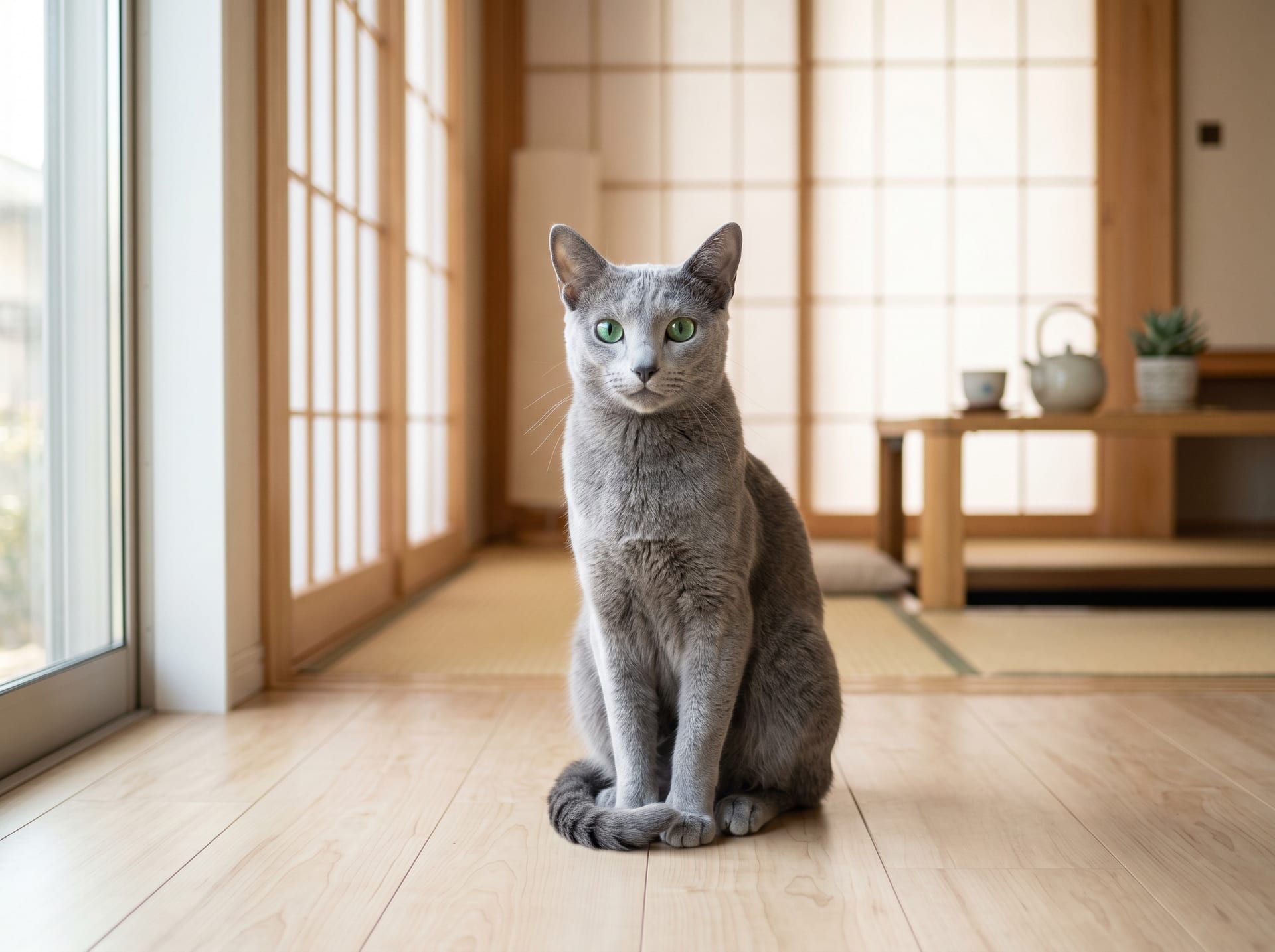
The Russian Blue is a cat breed with distinctive blue-gray fur and green eyes. They have a quiet, intelligent nature, showing deep affection to their family while being cautious of strangers—a unique personality trait. With appropriate environment and affection, they become wonderful companions for over 15 years.
Russian Blue's Personality and Characteristics
Russian Blues are characterized by their "smiling expression" and have a soft, plush double-layered coat. Their body type is semi-foreign, with a sturdy skeletal frame and slender limbs. Their coat color is solid blue-gray, with silvery-tipped hair at the ends creating a distinctive sheen.
Personality Traits Russian Blues are highly intelligent and excel at reading their owner's emotions. While they bond deeply with their family, they are sensitive to strangers and environmental changes, sometimes hiding. Their quiet vocalizations make them ideal for apartment living. They enjoy play and have high athletic ability, requiring adequate exercise and mental stimulation.
Setting Up a Living Environment
Indoor living is essential. Russian Blues prefer stable environments, so it's important to minimize changes in their living situation.
Space and Shelter Arrangement They tend to prefer high places, so provide vertical space such as cat trees or shelves. Providing a narrow space that becomes their own hideaway can help reduce stress. They appreciate a sunny spot by the window.
Appropriate Temperature and Humidity Although Russian Blues appear to be short-haired, their double coat makes them skilled at temperature regulation. Room temperature should be around 20–26°C (68–79°F) with humidity of approximately 50–60%. Avoid extreme temperature fluctuations from summer air conditioning and winter heating, ensuring your cat stays comfortable.
Litter Box Environment They are particular about cleanliness. Provide one litter box per cat plus one; daily cleaning is essential. Accommodate their litter preferences and continue using litter they prefer.
Diet and Nutrition Management
Russian Blues tend to be prone to obesity. It is important to feed high-quality protein-based cat food in appropriate amounts.
Choosing Food Choose food with animal protein such as chicken or fish as the main ingredient. You don't need to obsess over grain-free options, but it's best to avoid foods with grains as the primary ingredient. Combining wet and dry food ensures adequate water intake.
Feeding Amounts and Weight Management For adult cats, adjust daily feeding amounts based on guidelines on the food package, while monitoring weight and body condition. The ideal body condition is when you can barely feel the ribs when touching the sides. Keep treats to within 10% of total daily calories.
Water Intake Russian Blues are one of the cat breeds to watch for kidney disease. To ensure adequate water intake, always provide fresh drinking water and place multiple bowls in different locations. Using an automatic water fountain is also an effective option.
Health Management and Diseases to Watch For
Russian Blues are relatively healthy cats, but there are some diseases to be aware of.
| Item | Points |
|---|---|
| Urinary Tract Disease | Urinary stones and cystitis are common. Increasing water intake and regular urine tests can help prevent these. Pay attention to changes in urine color and volume and how they urinate |
| Dental Care | Ideally, establish brushing habits from kittenhood. Since dental disease can lead to systemic illness, practice regular brushing and professional oral care from your veterinarian |
| Obesity and Joint Disease | Obesity increases the risk of all diseases. Maintaining appropriate weight reduces strain on joints and lowers the risk of heart disease and diabetes |
| Regular Health Checkups | Have health checkups 1–2 times per year. In addition to blood and urine tests, we recommend adding thyroid and kidney function tests during the senior years (age 7 and over) |
Key Points for Living with Russian Blues
They Take Time to Adjust They take time to adjust to new environments and people. After bringing them home, avoid forcing physical contact and build your relationship at their pace. Foster trust through feeding and daily care routines.
Play and Mental Stimulation Since they are highly intelligent, simple toys may bore them. Use a combination of puzzle feeders, interactive toys that involve finding hidden food, and wand toys. Even adult cats benefit from 15–20 minutes of daily playtime to prevent stress and exercise deficiency.
Grooming and Care Their double coat sheds heavily during peak shedding seasons (spring and fall). Brush 2–3 times per week to prevent hairball ingestion and maintain coat beauty. Brushing also serves as important bonding time with your cat.
Although Russian Blues may appear cool on the surface, their attachment to their owners is very deep. Through taking time to build your relationship, they become wonderful lifelong companions. Welcome them with proper knowledge and affection, and enjoy a rich life together.