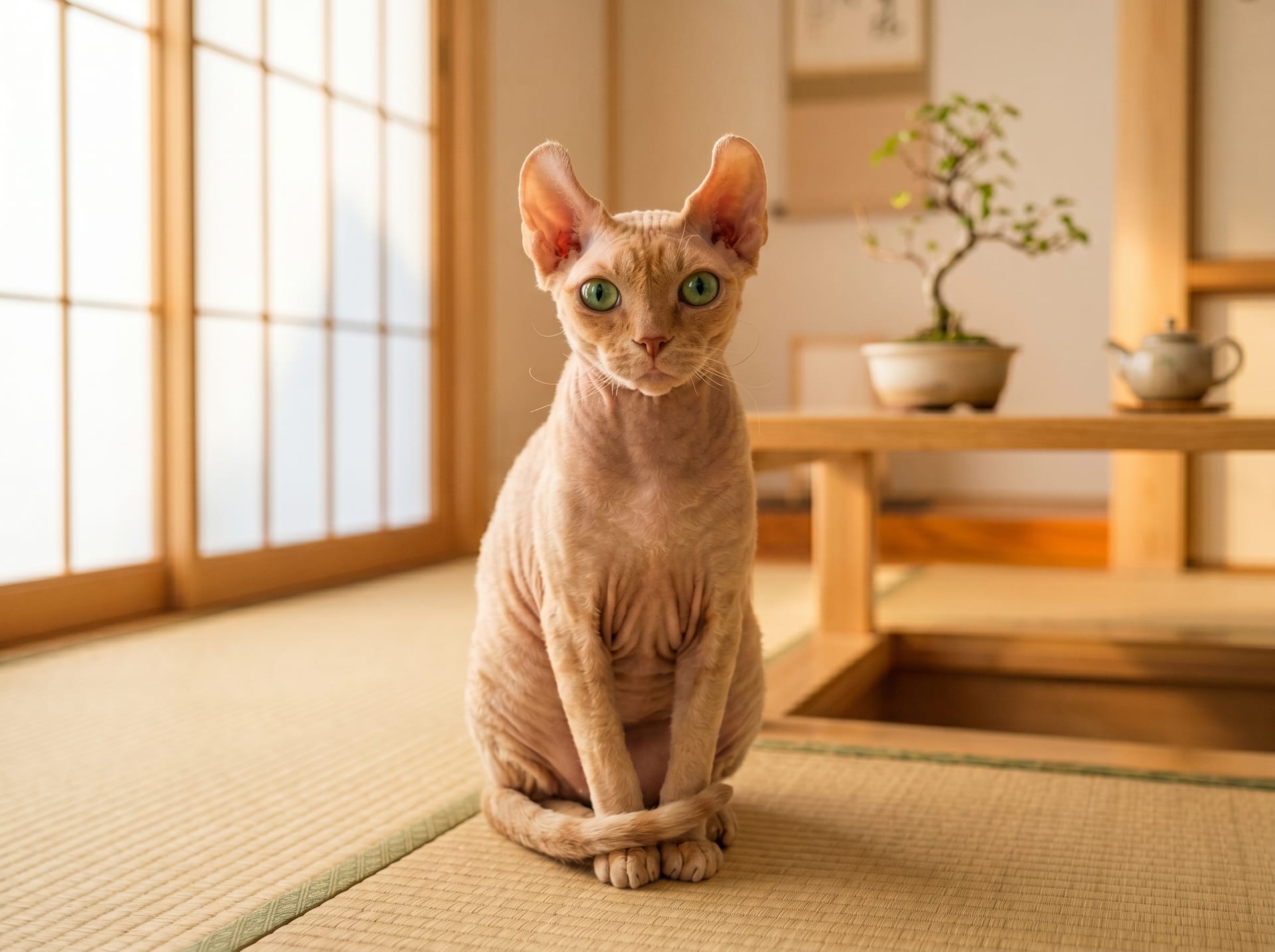
Elf Cat
Cross between Sphynx and American Curl. Hairless with curled ears, an elf-like rare breed.
View Elf Cat encyclopedia →- Price Range
- ¥70,000〜¥238,000
0% commission on your first sales!Register by September 30, 2026 and your first 2 sales are commission-free!
Breeder Wanted!
List on BreederDirect and sell directly to customers nationwide!
4 Trust Pillars We Guarantee at Br-Choku
For all kitten listings, Breeder clearly disclose the following information. To ensure safe and transparent direct sales, Br-Choku requires these legally mandated items.
- MicrochipRequired
- Vaccinated
- Health Checked
- Pedigree Certified
* Microchip implants are now legally required for breeding businesses selling dogs and cats under the Animal Protection Law (effective June 2022).
Secure transaction guarantee
Dogs & cats onlyEvery BreederDirect transaction is covered by our transaction guarantee. If you cannot receive your pet, you will be fully refunded. A health guarantee also covers you after handover.
Learn about transaction safety →Browse all 74 breeds
Verified breeders wanted for Cats
Breeders are signing up now ahead of launch. Subscribe to be notified when new listings go live.
Getting alerts is free with a member account. When new listings match your saved search, we'll notify you by email and in-app.
Browse other categories
Verified breeders (preview)
Elf Cat key facts
- Care level
- Advanced
- Lifespan
- 12-16 years
- Size
- 3-6kg
- Diet
- Dry food, high-calorie diet recommended
- Temperament
- Sociable, affectionate, intelligent and playful
- Exercise
- Active indoor play
- Coat Care
- Hairless, weekly baths, skin care important
- Origin
- United States
- Notes
- Sensitive to cold and sunburn, indoor only
About Elf Cat
The Elf Cat is a remarkably young breed, developed in the United States around 2004 by selectively crossing the Sphynx with the American Curl to combine hairlessness with the Curl's distinctive backward-curving ears. Breeding numbers remain low worldwide, making the Elf Cat one of the rarest cat breeds available today. Its most striking features are its velvety, hairless skin and the gently curled pinnae that sweep backward from the base, lending the cat a whimsical, almost elfin silhouette. The body is medium-sized with solid musculature, and the tail tapers to a fine tip. In personality, the Elf Cat inherits the Sphynx's renowned affection for people — it seeks closeness, follows its owner from room to room, and communicates vocally. At the same time, it is playful and inquisitive, enjoying interactive toys and mental stimulation. The commitment to temperature regulation and regular skin care is real, but for those prepared for the routine, the Elf Cat rewards owners with an unusually deep and loyal bond.
7 things to know before welcoming a Elf Cat
1Hairless Means Cold-Sensitive
With no coat to retain body heat, Elf Cats are sensitive to cold and thrive in environments kept at around 22–26°C. Pet clothing is a practical option during colder months. Keep them away from drafts and direct air conditioning airflow.
2Regular Skin Cleaning Needed
Without fur, oils and dirt accumulate directly on the skin, so weekly or twice-weekly wipe-downs or baths with lukewarm water are recommended. Cat-safe rinse-free shampoo or pet wipes make this easier. The inside of the curled ears also collects sebum and should be gently cleaned regularly.
3Curl Ear Shape and Care
The curled ears inherited from the American Curl can restrict airflow in the ear canal, leading to faster wax buildup. Gentle weekly cleaning with a cotton pad helps prevent otitis externa. Avoid inserting cotton swabs deeply or scrubbing too hard.
4High-Calorie Diet for Warmth
Elf Cats burn more energy maintaining body temperature than coated breeds of similar size, and may require a higher-calorie intake. A high-protein, high-calorie dry food is recommended, with portions adjusted to life stage. Regular weight checks are worthwhile, as sudden weight loss can signal health concerns.
5Social but Prone to Loneliness
Elf Cats are highly sociable and tend to follow their owners closely. Extended periods alone can lead to stress or separation anxiety, so multi-cat households or enriched environments are beneficial. They are particularly well-suited to owners who spend significant time at home.
6Sun Exposure Needs Caution
Without fur as a barrier, prolonged direct sunlight can cause sunburn or skin irritation. Light through windows is generally fine, but direct outdoor sun or intense sunlight exposure should be limited. Consult a veterinarian if you notice skin redness or inflammation.
7Rare Breed: Cost and Sourcing
The Elf Cat is a globally rare breed with very few breeders in Japan. Kitten prices tend to be high, and import-related costs such as shipping and quarantine may apply. Always request health certificates and pedigree documentation from a reputable breeder before purchasing.
Frequently asked questions about Elf Cat
- Q.Can people with fur allergies keep an Elf Cat?
- A.Elf Cats shed very little, but the main cause of cat allergies is a protein called Fel d 1, found in saliva and skin secretions rather than fur itself. Hairless cats are therefore not truly hypoallergenic. If you have allergies, spend time with an Elf Cat before committing to adoption to gauge your personal reaction.
- Q.Do Elf Cats get along with children and other pets?
- A.Elf Cats are sociable by nature and generally adapt well to households with other cats, gentle dogs, and children. Always introduce new animals gradually and teach children to handle the cat carefully, as the bare skin can be more sensitive to rough handling than a coated cat's fur.
- Q.How often do Elf Cats need bathing?
- A.To prevent oil buildup, most Elf Cat owners bathe or wipe down their cat once or twice a week. Use a mild, cat-specific shampoo, rinse thoroughly, and dry the cat completely afterward to avoid chilling, particularly in cooler months.
- Q.What is the typical price range for an Elf Cat?
- A.Because Elf Cats are extremely rare in Japan, prices vary considerably and can exceed several hundred thousand yen. It is strongly advisable to purchase from a reputable breeder who can provide health records, genetic background information, and post-purchase support.
- Q.How should I keep an Elf Cat warm in winter?
- A.Maintain indoor temperatures around 24–27°C as a baseline. Many owners also use cat sweaters or soft clothing for additional warmth, provided the individual cat tolerates wearing them. Heated pet mats or self-warming beds give your Elf Cat the option to seek warmth independently throughout the day.
Useful tools for Elf Cat care
Learn more about Elf Cat in the encyclopedia
View Elf Cat encyclopedia entry →
Care difficulty, lifespan, size and diet — all basics covered.
More in this category
Can't find the one you're looking for?
Post your wishes for free and breeders with matching animals will contact you with introductions.