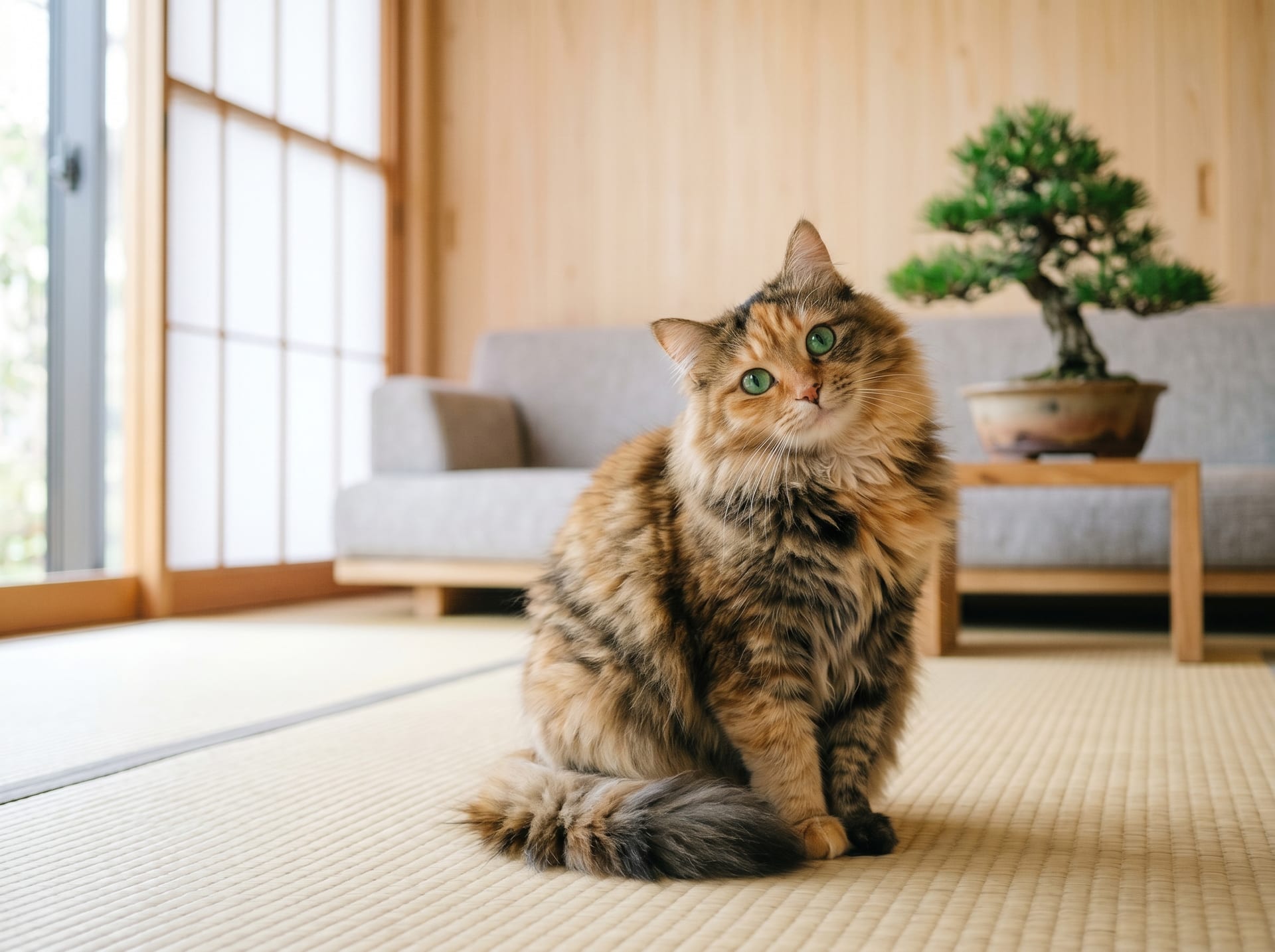
The "Other Breeds" category includes mixed-breed cats and rare breeds that don't fit neatly into standard classifications, each with a one-of-a-kind appearance and personality. Their diverse genetic backgrounds are often associated with robust health and longevity. Every cat in this category is truly unique.
First 3 sales - 0% commission!Register as a breeder by July 31, 2026 and your first 3 sales are commission-free!
Breeder Wanted!
List on BreederDirect and sell directly to customers nationwide!
For all kitten listings, Breeder clearly disclose the following information. To ensure safe and transparent direct sales, Br-Choku requires these legally mandated items.
* Microchip implants are now legally required for breeding businesses selling dogs and cats under the Animal Protection Law (effective June 2022).
Every br-choku transaction is covered by our transaction guarantee. If you cannot receive your pet, you will be fully refunded. A health guarantee also covers you after handover.
Breeders are signing up now ahead of launch. Subscribe to be notified when new listings go live.
Getting alerts is free with a member account. When new listings match your saved search, we'll notify you by email and in-app.
Are you raising cats?
Register as a breeder and connect with buyers directly.
Price
Region
Attributes
"Other Cat Breeds" is a broad category that encompasses the wonderfully diverse cats that don't fall neatly into a recognized breed standard. Over centuries, cats around the world have adapted to their local environments through natural crossbreeding, giving rise to populations with distinct regional characteristics. In Japan, these cats have long been cherished as "zasshu" or local street cats. Beyond mixed breeds, there are also rare varieties — domestic and international — that possess unique appearances and temperaments without official breed recognition. Their looks span an extraordinary range of coat colors, textures, body types, and eye colors, and their personalities run the full spectrum from deeply affectionate to refreshingly independent. The genetic diversity inherent in these cats tends to support stable immune function and reduce the risk of hereditary conditions seen in some purebreds. The greatest appeal of this category lies in the joy of discovering a truly one-of-a-kind companion — cats that combine striking individuality with reliable vitality.
1Wide Individual Variation
Mixed and rare breed cats can vary greatly in size, coat type, and temperament depending on their parentage. Meeting the cat in person before committing is especially important. Ask the breeder or rescue about expected adult traits and behavior.
2Basic Health Care
Mixed-breed cats tend to be hardy due to genetic diversity, but vaccinations, parasite prevention, and regular vet check-ups are essential for all cats. If adopting a rare breed, ask about any known hereditary conditions specific to that lineage.
3Anticipated Costs
Mixed-breed cats often have lower upfront costs than purebreds, but ongoing expenses for food, veterinary care, and supplies typically run ¥10,000–¥20,000 per month regardless of breed. Consider enrolling in pet insurance for added peace of mind.
4Judge Temperament by Parents
Mixed-breed cats often inherit temperament traits from their parents, so observing the parent cats when possible is helpful. Friendliness and activity level vary widely, and early socialization experiences also play a major role.
5Prepare an Indoor Space
Since activity levels can be hard to predict, prepare an environment with cat trees, hiding spots, and open play areas to accommodate various energy levels. Escape-proofing and removing household hazards are also essential steps.
6Choosing a Reliable Source
Cats sold as "other breeds" can sometimes come from unclear origins. Always choose a breeder or rescue that provides health certificates, vaccination records, and allows facility visits. Reluctance to show the living conditions is a red flag.
7Commit to Long-Term Care
Cats live an average of 15 years, and mixed-breed cats may live even longer. Before adopting, consider potential life changes such as moving, having children, or job changes, and make sure you can commit to caring for your cat throughout its entire life.